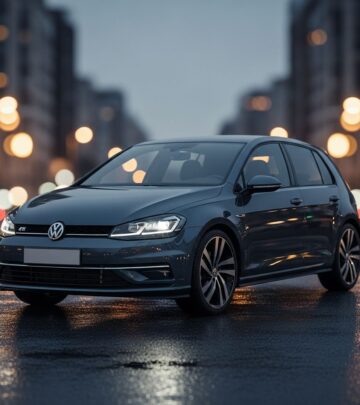
Volkswagen Passat Saloon Engine Guide
Explore the diverse engine lineup of the Volkswagen Passat Saloon, from efficient diesels to powerful petrol options for every driving need.
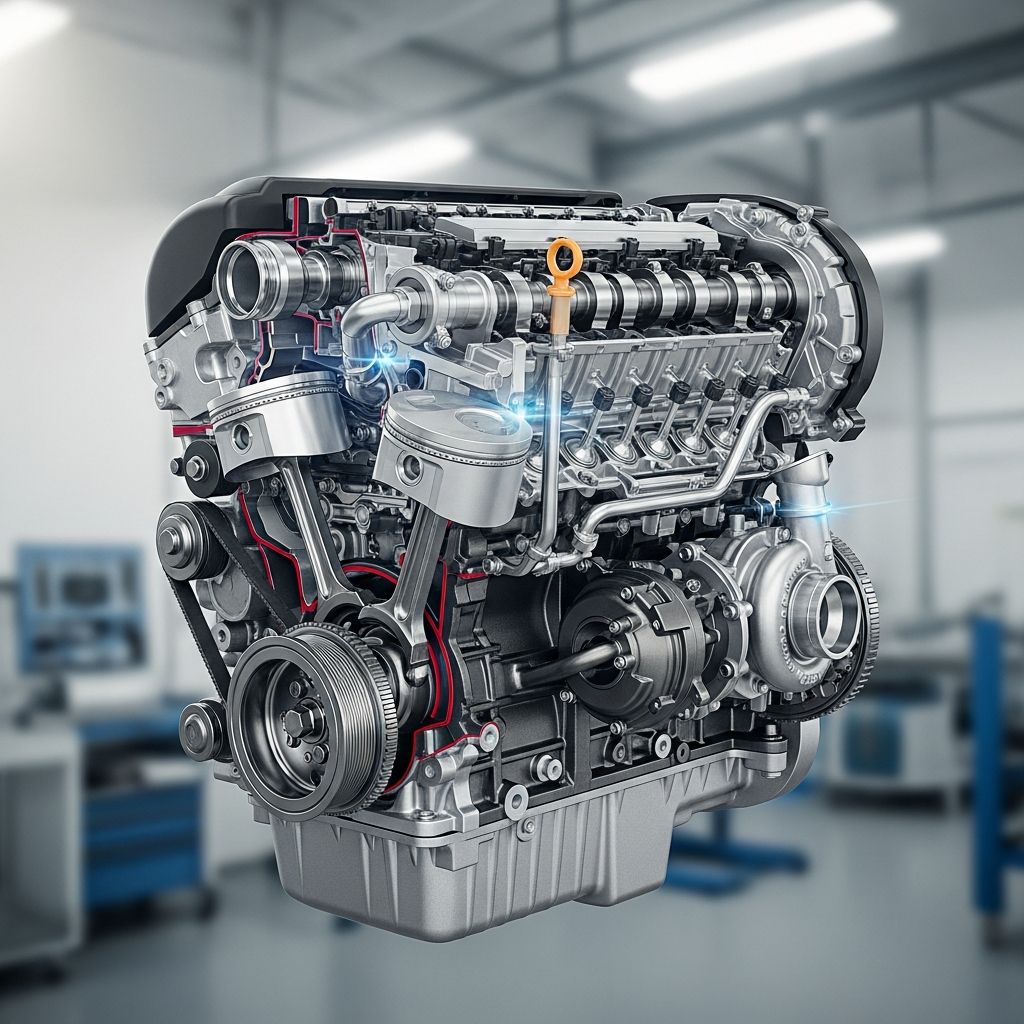
The Volkswagen Passat Saloon stands out in the midsize executive car segment with its versatile engine range designed to balance performance, efficiency, and refinement. Spanning petrol TSI units, robust TDI diesels, and hybrid options, these powertrains cater to commuters, long-distance drivers, and performance enthusiasts alike. This guide delves into the specifications, real-world capabilities, and technological highlights of each engine variant, helping buyers make informed choices based on their driving priorities.
Petrol Engine Lineup: Power and Responsiveness
Petrol engines in the Passat Saloon emphasize smooth acceleration and responsive handling, making them ideal for urban environments and spirited drives. The 1.5-litre TSI engine, producing 148bhp, emerges as a standout choice due to its blend of lively performance and competitive fuel economy that rivals some diesels. This turbocharged unit delivers strong low-end torque, enabling effortless overtaking and quick merges onto highways.
Earlier iterations featured a 1.4-litre TSI with 122 PS output, paired with BlueMotion Technology for enhanced efficiency. This engine complies with EU5 standards, utilizing direct injection and turbocharging for optimal power delivery across a broad rev range. For those seeking more grunt, North American models incorporated a 1.8-litre TSI (170hp) and later a 2.0-litre TSI (174hp), both from the EA888 family, offering refined operation with direct fuel injection and aluminum construction for weight savings.
| Engine | Displacement | Power | Torque | Transmission Options |
|---|---|---|---|---|
| 1.5 TSI | 1,498 cc | 148 bhp | 250 Nm | 7-speed DSG |
| 1.4 TSI | 1,390 cc | 122 PS | 200 Nm | 6-speed manual/DSG |
| 2.0 TSI | 1,984 cc | 174 hp | 206 lb-ft | 6-speed automatic |
These petrol engines shine in refinement, with smooth revving and minimal turbo lag. The 2.0-litre variant, tested in real-world scenarios, propels the Passat with ease, achieving smooth power delivery up to 5,200 rpm. Fuel consumption typically hovers around 38 mpg on highways for equipped models, making them viable alternatives to diesels in regions with cleaner fuel mandates.
Diesel Powertrains: Efficiency for High-Mileage Drivers
Diesel engines have long been the backbone of Passat sales, prized for their torque-rich delivery and superior economy on long journeys. The 2.0-litre TDI lineup offers variants from 120bhp entry-level to more potent 148bhp and 150hp options, all mated standard to a seven-speed DSG for seamless shifts. The base 120bhp model accelerates from 0-62mph in 11 seconds, prioritizing economy over outright pace.
Higher-output diesels like the 148bhp unit provide the best all-rounder credentials, combining brisk performance with low running costs. These EA189 and EA288 series engines deliver up to 236 lb-ft of torque from low revs, ideal for motorway cruising. BlueMotion Technology variants further optimize efficiency through start-stop systems and low-rolling-resistance tires.
In technical specs, the 1.6-litre TDI (105 PS) suits budget-conscious buyers, while larger 2.0-litre TDIs dominate for their balance. Post-emissions adjustments, cleaner EA288 units maintained strong sales until diesel preferences shifted.
- Key Diesel Benefits: Exceptional torque for towing (up to 2,000kg braked), combined economy exceeding 60 mpg in optimal conditions, and AdBlue systems in later models for NOx reduction.
- Real-world range: Over 800 miles per tank on highways.
- Durability: Proven in fleet use with service intervals up to 20,000 miles.
Performance Specifications Across Variants
Understanding acceleration, top speeds, and efficiency helps compare Passat engines directly. Petrol models like the 1.5 TSI achieve 0-62mph in around 8.5 seconds with a top speed near 140mph, while diesels trade some speed for economy—the 148bhp TDI hits 62mph in 8.8 seconds.
Transmission pairings enhance these figures: DSG automatics provide rapid shifts, reducing 0-62 times by up to a second versus manuals. In North America, the 2.0 TSI’s 174hp and 206 lb-ft ensure composed highway passing, with the six-speed automatic proving mostly seamless despite occasional low-speed hesitations.
| Model | 0-62mph (s) | Top Speed (mph) | Fuel Economy (mpg combined) |
|---|---|---|---|
| 1.5 TSI 148bhp | 8.5 | 140 | 47 |
| 2.0 TDI 120bhp | 11.0 | 127 | 62 |
| 2.0 TDI 148bhp | 8.8 | 134 | 60 |
| 2.0 TSI 174hp (NA) | 7.9 | 142 | 38 (highway) |
These metrics underscore the Passat’s versatility, with diesels excelling in efficiency and petrols in responsiveness.
Advanced Transmission Technologies
Volkswagen’s DSG (Direct-Shift Gearbox) defines Passat drivability, available in six- or seven-speed configurations. The seven-speed DSG in entry diesels offers quick, paddle-shiftable changes, enhancing both fun and fuel savings. Manuals remain for select petrols, but automatics dominate for their convenience.
In performance testing, DSG units handle torque loads effortlessly, with pre-loaded gears minimizing shift interruptions. For front-wheel-drive Passats, this setup delivers precise control without the complexity of all-wheel drive.
Hybrid and Plug-in Options for Eco-Conscious Buyers
While core lineups focus on TSI and TDI, plug-in hybrid variants like the GTE integrate a 1.4-litre TSI with an electric motor for over 30 miles of EV range. These models achieve combined figures above 150 mpg (NEDC), appealing to company car drivers with low BIK rates. Battery tech and regenerative braking ensure seamless petrol-electric transitions.
Reliability, Maintenance, and Ownership Costs
Passat engines boast strong reliability, with TDI units particularly durable in high-mileage scenarios. Common services include DPF cleaning for diesels and timing belt replacements every 120,000 miles. Warranty coverage up to five years/90,000 miles adds peace of mind.
Running costs favor diesels for private owners, though petrols edge out in urban tax bands. Resale values hold firm due to VW’s engineering reputation.
Comparing Passat Engines: Which is Right for You?
- City Commuters: 1.5 TSI for responsive petrol power without diesel clatter.
- Motorway Mile Munchers: 2.0 TDI 148bhp for unbeatable economy.
- Performance Seekers: 2.0 TSI or GTE hybrid for thrills and tech.
Frequently Asked Questions (FAQs)
What is the most efficient Passat Saloon engine?
The 2.0 TDI 120bhp with DSG achieves up to 62 mpg combined, ideal for long hauls.
Are Passat petrol engines as reliable as diesels?
Yes, modern TSI units match TDI longevity with proper maintenance, per fleet data.
Does the Passat offer manual transmissions?
Limited to select petrol models; DSG is standard on most for better efficiency.
How does the DSG gearbox perform in the Passat?
Exceptionally smooth with rapid shifts, though low-speed traffic can cause minor hesitations.
Is the Passat Saloon suitable for towing?
Yes, diesels handle 2,000kg braked with strong low-end torque.
References
- Volkswagen Passat saloon – Engines, drive & performance (2014-2021) — Carbuyer. 2021. https://www.carbuyer.co.uk/volkswagen/passat/144599/volkswagen-passat-saloon-review-2014-2021/engines
- Volkswagen Passat (North America and China) — Wikipedia. 2023-10-01. https://en.wikipedia.org/wiki/Volkswagen_Passat_(North_America_and_China)
- Engine versions Passat B7 profile — Volkswagen Newsroom. 2015. https://www.volkswagen-newsroom.com/en/engine-versions-passat-b7-profile-20038
- Technical specification – Passat Saloon — Volkswagen UK. 2013-12-01. https://www.vwpress.co.uk/assets/documents/original/17348-Passat_and_Passat_Estate_tech_spec_01_12_13_4.pdf
- 2022 Volkswagen Passat Review, Pricing, and Specs — Car and Driver. 2022. https://www.caranddriver.com/volkswagen/passat
Similar Articles


Read full bio of medha deb