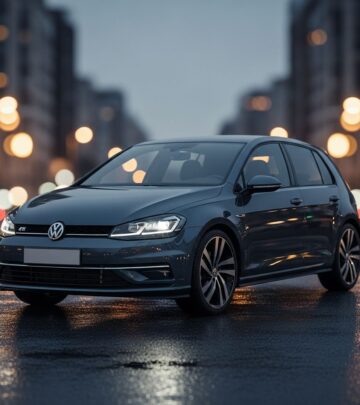
Volkswagen Passat Fuel Efficiency Guide
Unlock the full potential of the VW Passat's mpg ratings with expert insights on engines, real-world performance, and tips to boost economy.
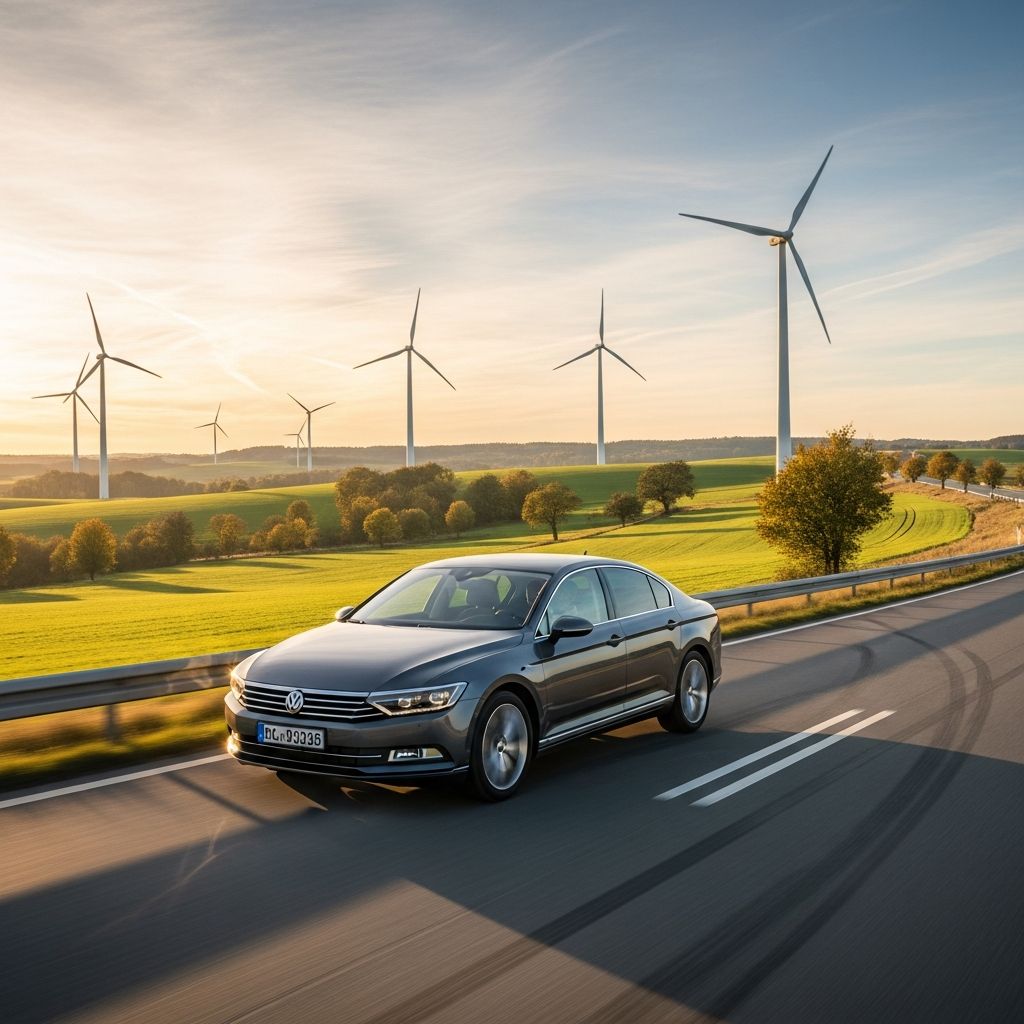
The Volkswagen Passat stands out in the midsize sedan segment for balancing performance, space, and fuel economy. Various engine configurations deliver EPA-estimated figures ranging from 15 mpg city in older V8 models to over 40 mpg highway in efficient turbocharged variants, making it a versatile choice for commuters and families alike.
Engine Options and Their Efficiency Profiles
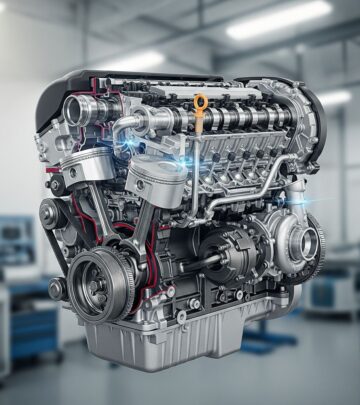
The Passat’s lineup features multiple powertrains, each tailored to different driving needs while prioritizing fuel savings where possible. Modern iterations favor turbocharged four-cylinder engines for optimal mpg without sacrificing power.
- 2.0-Liter Turbocharged 4-Cylinder: Standard in recent models like the 2019 version, this engine produces 174-175 horsepower and 184 lb-ft of torque, achieving EPA estimates of 25 mpg city and 36 mpg highway. Real-world tests show combined figures around 29 mpg.
- 1.8-Liter 4-Cylinder: Found in some used models, it offers 140 horsepower with up to 30 mpg city and 40 mpg highway, ideal for urban drivers seeking efficiency.
- 2.0-Liter Naturally Aspirated 4-Cylinder: Earlier diesel variants provide 134 horsepower and 23 mpg city/34 mpg highway, emphasizing diesel’s torque advantages.
- 2.5-Liter 4-Cylinder: Delivers 170 horsepower but lower efficiency at 22 mpg city/31 mpg highway, suited for those prioritizing power over savings.
- Larger Engines (2.8L, 3.6L V6, 4.0L V8): These offer 190-280 horsepower but trade efficiency, with ratings like 17-20 mpg city and 25-28 mpg highway, best for performance enthusiasts.
| Engine | Horsepower | City MPG | Highway MPG | Model Years |
|---|---|---|---|---|
| 2.0L Turbo 4-Cyl | 174-175 | 25 | 36 | 2018-2021 |
| 1.8L 4-Cyl | 140 | 30 | 40 | Recent used |
| 2.5L 4-Cyl | 170 | 22 | 31 | Used models |
| 3.6L V6 | 280 | 20 | 28 | Older |
These specs highlight how Volkswagen engineers balanced output and consumption, with turbo tech enabling smaller engines to punch above their weight in efficiency.
Real-World Fuel Consumption Insights
While EPA ratings provide a benchmark, actual mpg varies based on driving habits, conditions, and maintenance. Consumer Reports noted 28 mpg overall for the 2021 Passat, lagging some rivals but competitive in class. Edmunds user data from a 2018 model averaged 26.6 mpg over 18 months, with initial tanks at 27.1 mpg city. Forum reports praise the 2.0-liter Budack cycle engine for 42-45 mpg on highway trips using 89-octane fuel after four years and 31,000 miles.
Factors influencing real-world results include traffic density, speed, load, and climate. City driving rarely matches EPA due to frequent stops, but highway cruising often exceeds estimates with steady throttle.
Performance Features Enhancing Efficiency
Beyond engines, the Passat incorporates tech that supports better mpg. The 6-speed automatic transmission with Tiptronic and sport mode ensures smooth shifts, reducing fuel waste. Paddle shifters allow manual control for optimal gear selection on varied terrain. Stability systems like electronic stability control and brake assist maintain momentum without excess throttle input.
Front-wheel drive (FWD) standard across models minimizes weight, aiding economy compared to all-wheel setups. Independent MacPherson strut front and 4-link rear suspension smooths rides, preserving efficiency on imperfect roads. Electromechanical power steering adjusts assistance variably, cutting energy draw at higher speeds.
Design Elements for Better Mileage
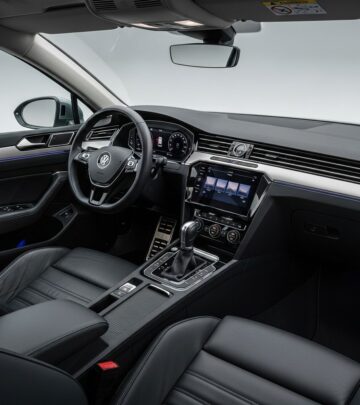
Aerodynamics play a key role; the Passat’s sleek profile and front-wheel-drive layout reduce drag. Spacious interiors don’t compromise efficiency, with a massive trunk (15.9 cu ft) and limo-like rear legroom enabling practical loads without penalty. Infotainment compatibility with Android Auto and Apple CarPlay encourages hands-free navigation to efficient routes.
Tips to Maximize Passat Fuel Economy
Owners can surpass official ratings with smart practices:
- Maintain tire pressure at manufacturer specs to reduce rolling resistance.
- Use cruise control on highways for consistent speeds.
- Avoid aggressive acceleration; the turbo engine thrives on gentle inputs.
- Opt for 87-89 octane as recommended, avoiding premium unless specified.
- Keep weight low by removing unused roof racks or excess cargo.
- Service regularly: clean air filters and fresh oil improve combustion.
- Combine trips to minimize cold starts, which guzzle fuel.
These habits can yield 5-10% better mpg, turning a 29 combined rating into 32+ in practice.
Comparing Passat to Segment Rivals
In midsize sedans, the Passat’s 25/36 mpg trails leaders like the Honda Accord (30/38) but beats thirstier V6 competitors. Its value shines in roominess and warranty (6 years/72,000 miles), offsetting average efficiency. For efficiency-focused buyers, the base turbo model competes well against Toyota Camry hybrids without plug-in complexity.
| Model | City MPG | Highway MPG | Combined MPG |
|---|---|---|---|
| VW Passat 2.0T | 25 | 36 | 29 |
| Honda Accord | 30 | 38 | 33 |
| Toyota Camry | 28 | 39 | 32 |
Long-Term Ownership and Cost Savings
Over years, the Passat’s reliability supports sustained efficiency. A four-year review highlighted consistent 42-45 mpg highway, proving durability. Monthly fuel costs around $169 (at 29 mpg) make it economical for high-mileage drivers. Upgraded warranties reduce maintenance worries, preserving performance and mpg.
Frequently Asked Questions (FAQs)
What is the best mpg for a Volkswagen Passat?
The highest EPA ratings come from the 1.8L 4-cylinder at 30 city/40 highway, with real-world highway up to 45 mpg reported.
Does the Passat require premium fuel?
No, regular 87-octane suffices for most turbo engines, though 89 can optimize newer Budack cycle variants.
How does Passat mpg compare to hybrids?
It lags hybrids (40+ combined) but offers similar space and lower upfront costs without charging needs.
Can I improve my Passat’s fuel economy?
Yes, through proper maintenance, smooth driving, and aerodynamic tweaks for 5-10% gains.
Is the Passat efficient for city driving?
Average at 25 mpg city, but turbo responsiveness aids stop-go traffic better than larger engines.
Why Choose Passat for Efficiency and Value
The Passat delivers a compelling package: turbo power, vast interior, and solid mpg in a refined sedan. Whether commuting or road-tripping, its efficiency supports budget-friendly ownership without gimmicks.
References
- What is the Fuel Economy Rating of the Volkswagen Passat? — OKCarz. 2023. https://www.okcarz.com/blogs/5845/what-is-the-fuel-economy-rating-of-the-volkswagen-passat
- 2019 Volkswagen Passat MPG & Performance — Lindsay Volkswagen. 2019. https://www.lindsayvolkswagen.com/blog/2019-volkswagen-passat-mpg-ratings
- VW Passat Reviews — Prestige Volkswagen. 2023. https://www.prestigevolkswagen.com/vw-passat-reviews.htm
- 2021 Volkswagen Passat Road Test Report — Consumer Reports. 2021. https://www.consumerreports.org/cars/volkswagen/passat/2021/road-test-report/
- 2018 Volkswagen Passat Review & Ratings — Edmunds. 2018. https://www.edmunds.com/volkswagen/passat/2018/review/
- 4 Year Review VW Passat — Bob Is The Oil Guy. 2023. https://bobistheoilguy.com/forums/threads/4-year-review-vw-passat.372259/
Similar Articles



Read full bio of medha deb