The Volkswagen Beetle: Iconic Design Meets Modern Innovation
Exploring the legendary Beetle's evolution from classic heritage to contemporary performance
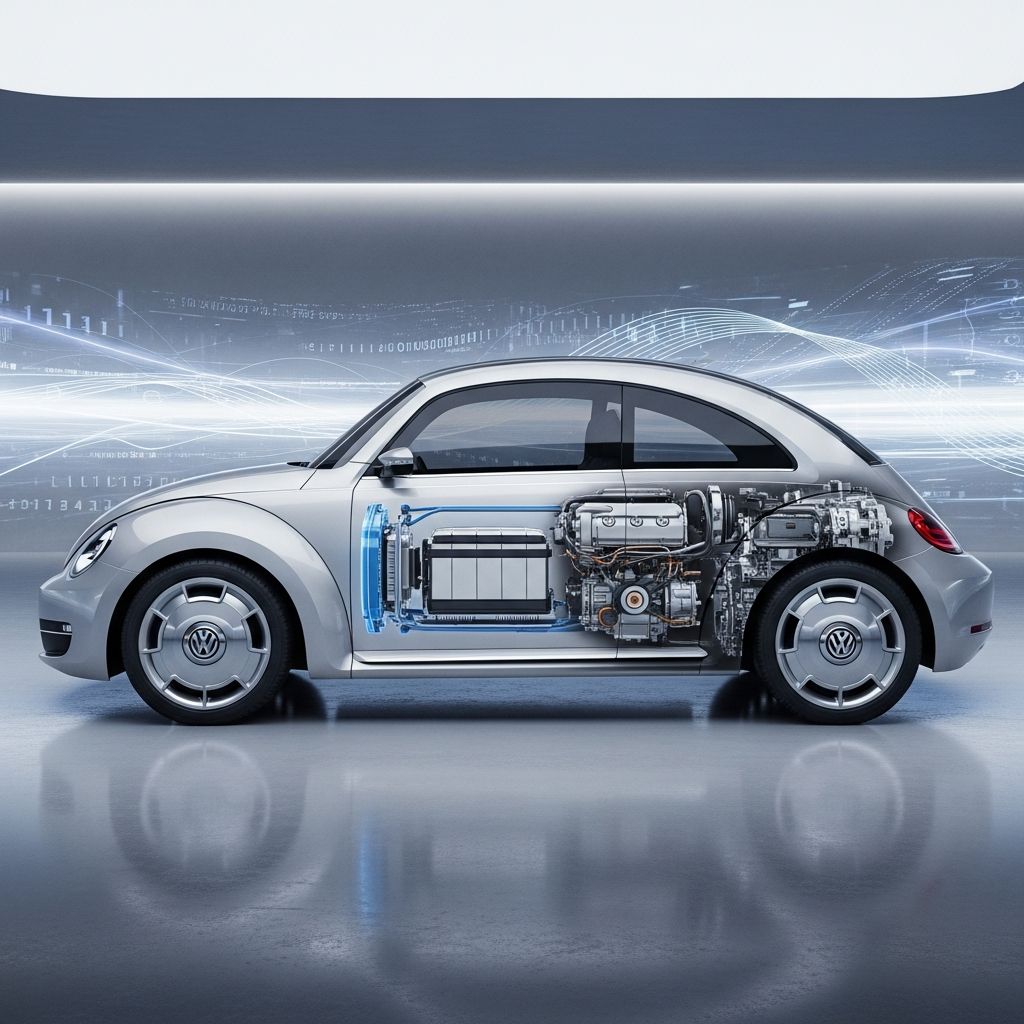
The Volkswagen Beetle stands as one of automotive history’s most recognizable and enduring symbols. From its humble beginnings to its contemporary iterations, the Beetle has consistently captured the imagination of car enthusiasts and casual drivers alike. This evolution reflects not merely changing consumer preferences but also transformative shifts in automotive engineering, environmental consciousness, and design philosophy.
A Legacy Spanning Generations
The Beetle’s journey represents more than a century of automotive evolution. What began as a revolutionary concept has transformed into a cultural icon that transcends geographical and temporal boundaries. The vehicle’s persistence in the market demonstrates its unique ability to adapt while maintaining core design elements that make it instantly recognizable to audiences worldwide.
Throughout its production history, the Beetle has undergone significant transformations. Each generation has attempted to honor the vehicle’s heritage while incorporating contemporary engineering and design sensibilities. This balancing act between preservation and innovation has defined the Beetle’s appeal across diverse demographic groups and market segments.
Aesthetic Evolution: Honoring Tradition Through Modern Design Language
The distinctive silhouette that defines the Beetle remains largely consistent across generations, yet contemporary versions feature refined proportions and enhanced visual sophistication. Modern iterations maintain characteristic rounded forms and exposed wheel arches that immediately signal the vehicle’s lineage, while incorporating aerodynamic improvements and contemporary styling cues that appeal to current automotive preferences.
The front end treatment exemplifies this design philosophy. Circular headlight clusters, a signature Beetle feature, have evolved into sophisticated LED arrays that provide improved illumination while preserving the recognizable aesthetic. The grille area balances traditional vertical elements with modern interpretative details, creating a visual identity that feels both nostalgic and contemporary.
Body panel execution reflects contemporary manufacturing standards and safety requirements. The hood, doors, and overall body structure demonstrate refined proportions compared to earlier models, while maintaining the fundamental visual character that distinguishes the Beetle from conventional compact vehicles. Paint finish options range from classic solid colors to modern metallic and pearl treatments, allowing buyers to express personal style preferences.
Interior Refinement and Technological Integration
Contemporary Beetle interiors represent a significant departure from utilitarian earlier versions. Modern cabins blend retro-inspired design elements with sophisticated technological infrastructure. The dashboard architecture retains symmetrical proportions reminiscent of classic Beetles, yet integrates modern digital displays and infotainment systems seamlessly.
Seating arrangements feature enhanced ergonomics compared to previous generations. Upholstery options range from practical cloth materials to premium leather alternatives, with quilted patterns and contrast stitching adding visual interest and perceived luxury. Climate control systems, available heated seats, and adjustable lumbar support address contemporary comfort expectations while maintaining an overall aesthetic consistency.
The instrument panel has undergone substantial modernization. Digital display clusters replace traditional analog gauges, providing drivers with customizable information presentation options. Touchscreen infotainment systems, typically ranging from 5.3 to 8-inch displays depending on trim level, integrate navigation, audio controls, and smartphone connectivity features. Ambient lighting systems create sophisticated interior environments that enhance the driving experience.
Technology and Connectivity Features
Modern Beetles incorporate connectivity standards that reflect current consumer expectations. Bluetooth audio streaming allows wireless connection with compatible smartphones, enabling hands-free communication and music playback. Voice control systems facilitate operation of various functions without driver distraction.
Navigation systems provide real-time traffic information and route optimization capabilities. Proximity sensors integrated with touchscreen interfaces enhance usability, reducing the need for physical button manipulation. Available app integration allows controlled access to selected smartphone applications through vehicle displays.
Safety technology has expanded substantially in contemporary Beetles. Available driver assistance features include blind spot monitoring, rearview camera systems, and keyless entry with push-button ignition. These systems address both security and convenience considerations, appealing to drivers seeking modern automotive amenities.
Performance and Powertrain Options
| Powertrain Type | Configuration | Output Range | Performance Characteristics |
|---|---|---|---|
| Turbocharged Gasoline | 2.0L TSI inline 4-cylinder | 174-230 horsepower | Responsive acceleration, efficient fuel consumption |
| Turbocharged Performance | 2.0L TSI with enhancements | Up to 300 horsepower | Enhanced throttle response, improved handling dynamics |
| Electric (MEB Platform) | Single or dual rear motors | 250-300+ horsepower | Instant torque, extended range capability |
The contemporary Beetle lineup offers diverse powertrain options designed to accommodate varying driver preferences and usage patterns. Turbocharged gasoline engines provide established reliability and familiar operational characteristics. These engines deliver responsive performance while maintaining reasonable fuel efficiency through advanced fuel injection and turbocharging technologies.
Turbocharged variants paired with six-speed dual-clutch transmissions featuring sport modes provide enhanced driving dynamics. The transmission technology enables rapid gear changes, contributing to spirited acceleration and improved responsiveness compared to conventional automatic systems. Manual transmission options remain available for drivers preferring direct control over gear selection.
Electric propulsion represents the future direction of the Beetle lineup. Vehicles built on Volkswagen’s MEB platform offer impressive electric range, with contemporary models achieving up to 340 miles per charge. Dual-motor configurations provide all-wheel drive capability with performance comparable to or exceeding gasoline variants. Acceleration profiles emphasize the instant torque characteristics inherent to electric motors, creating engaging driving experiences despite the absence of traditional engine sound.
Trim Level Differentiation and Market Positioning
The Beetle lineup encompasses multiple trim levels, each targeting specific buyer demographics and use case scenarios. Entry-level configurations provide foundational features at accessible price points, typically starting around $20,000-$21,000. Mid-range trims introduce convenience and comfort enhancements including dual-zone climate control, upgraded seating materials, and enhanced infotainment systems.
Premium trim levels incorporate luxury-oriented features such as panoramic sunroofs, leather seating surfaces, premium audio systems, and comprehensive driver assistance technology packages. These configurations position the Beetle as a lifestyle vehicle capable of competing with more conventional premium compact vehicles.
Special edition models commemorate significant milestones in Beetle production history. Final edition configurations represent the conclusion of particular generations, incorporating distinctive styling elements, unique color options, and commemorative badging. These special models appeal to enthusiasts and collectors seeking vehicles with historical significance.
Environmental Considerations and Sustainability
Contemporary automotive manufacturing increasingly prioritizes environmental responsibility. Modern Beetles incorporate eco-friendly materials throughout interior environments, reducing dependence on conventional petroleum-derived plastics. Upholstery options include sustainably sourced materials and recycled content compositions.
Fuel consumption improvements result from advanced engine management systems, aerodynamic refinements, and lightweight construction techniques. These engineering developments translate to reduced emissions and lower operating costs for gasoline-powered variants. Electric models eliminate direct emissions entirely, aligning with increasingly stringent environmental regulations and consumer preferences for sustainable transportation solutions.
Manufacturing processes have evolved to minimize environmental impact. Reduced material waste, optimized energy consumption, and responsible sourcing practices characterize contemporary vehicle production. These initiatives reflect broader automotive industry trends toward sustainable manufacturing and environmental stewardship.
Driving Dynamics and Handling Characteristics
Modern Beetles deliver driving experiences that balance comfort and performance considerations. Independent suspension systems provide responsive handling while maintaining ride comfort across diverse road surfaces. The relatively compact platform enables agile directional changes and confident cornering, particularly in urban driving environments where maneuverability proves advantageous.
Steering systems translate driver inputs with precision and appropriate feedback, contributing to intuitive vehicle control. Power steering assistance scales appropriately across speed ranges, reducing physical effort during parking and low-speed maneuvers while maintaining feedback during spirited driving. Electronic stability control systems enhance safety by assisting drivers in maintaining vehicle control during challenging conditions.
Brake systems incorporate modern friction technologies and electronic control, delivering confident stopping power and improved modulation compared to earlier generations. Antilock braking systems prevent wheel lockup during emergency braking, enhancing safety and maintaining directional stability.
Market Positioning and Target Demographics
The Beetle appeals to diverse buyer groups spanning multiple demographic segments. Younger buyers appreciate the vehicle’s distinctive styling and relatively affordable pricing. Enthusiasts value the Beetle’s performance capabilities and the emotional connection associated with automotive heritage. Practical-minded consumers recognize the vehicle’s reliability, fuel efficiency, and reasonable operating costs.
Urban dwellers benefit from the Beetle’s compact dimensions, facilitating navigation through congested city streets and simplifying parking challenges. The vehicle’s distinctive appearance aids in locating parked vehicles in busy environments, providing practical advantages beyond aesthetic considerations.
Comparative Market Analysis
Within the compact vehicle segment, the Beetle occupies a unique position combining distinctive design character with practical functionality. Competing models typically emphasize utilitarian efficiency or contemporary styling trends, whereas the Beetle successfully bridges these considerations through heritage-informed design. The vehicle’s established reputation and brand recognition provide competitive advantages in consumer decision-making processes.
Electric Beetle variants compete directly with emerging electric compact vehicles, offering superior range capabilities and established brand prestige. Performance characteristics rival or exceed comparably priced electric competitors, while distinctive styling provides differentiation in increasingly crowded electric vehicle markets.
Future Directions and Industry Evolution
The automotive industry continues transitioning toward electrification, with the Beetle participating in this transformation. Electric variants represent expanding proportions of production, reflecting market demand for sustainable transportation solutions and regulatory requirements for emission reductions. Future generations will likely emphasize electric propulsion while maintaining recognizable design language and brand heritage.
Autonomous driving capabilities, advanced driver assistance systems, and vehicle-to-infrastructure connectivity represent emerging technologies that will increasingly characterize automotive offerings. The Beetle will likely incorporate these developments, maintaining its position as a forward-thinking vehicle while preserving the distinctive character that defines the model.
Ownership Experience and Long-Term Value
Beetle ownership encompasses considerations beyond initial purchase. Maintenance costs remain competitive within the compact vehicle segment, with established service infrastructure and readily available replacement parts contributing to economical long-term ownership. Fuel efficiency translates to lower operating expenses, particularly for gasoline variants, while electric models benefit from reduced mechanical complexity and lower energy costs compared to conventional fuel consumption.
Resale values reflect strong demand for used Beetles, with particular strength evident in special editions and lower-mileage examples. The vehicle’s distinctive character appeals to enthusiasts in secondary markets, supporting valuation retention compared to conventional compact vehicles lacking comparable brand heritage and design distinctiveness.
Frequently Asked Questions
What powertrain options are available for contemporary Beetles?
Current Beetle configurations offer turbocharged gasoline engines, enhanced turbocharged variants for performance-oriented driving, and electric models built on the MEB platform. Specific options vary by model year and market region.
How does the Beetle’s electric range compare to other compact electric vehicles?
Electric Beetles achieve approximately 340 miles per charge, positioning the model competitively within compact electric vehicle segments. Performance varies based on driving conditions, battery configuration, and specific model variant.
What distinguishes Beetle interior design from conventional compact vehicles?
The Beetle combines retro-inspired circular design elements with contemporary digital technology, creating distinctive interior environments that reflect the model’s heritage while incorporating modern comfort and convenience features.
How does the Beetle’s pricing compare to competing compact vehicles?
Entry-level Beetles typically start around $20,000-$21,000, positioning the model comparably to conventional compact vehicles while offering distinctive design character and brand heritage that differentiate it from competitors.
What safety features are included in modern Beetles?
Contemporary Beetles incorporate available blind spot monitoring, rearview camera systems, keyless entry with push-button ignition, electronic stability control, and antilock braking systems. Additional advanced driver assistance technologies vary by trim level and configuration.
References
- 2026 Volkswagen Beetle Is Back – The Beetle for a New Era! — YouTube/Next-Gen Car. 2026. https://www.youtube.com/watch?v=eiw2mVjD3a4
- Volkswagen Beetle Final Edition 2019 — Volkswagen of Ann Arbor. 2019. https://www.vwannarbor.com/beetle-model-review-in-ann-arbor.html
- 2026 Volkswagen Beetle Is Here… And It’s Unlike Any Beetle Before! — YouTube/TheAutoReport. 2026. https://www.youtube.com/watch?v=0c5aj7YtDTY
- Volkswagen Beetle – Model Years, Generations & News — Cars.com Research. 2026. https://www.cars.com/research/volkswagen-beetle/
- Beetle – Volkswagen Newsroom — Volkswagen Official Media. https://www.volkswagen-newsroom.com/en/beetle-3596
Similar Articles


Read full bio of Sneha Tete