Vauxhall VX220: 2 Engine Options And Buying Guide
Discover why the Vauxhall VX220 outshines its Lotus roots with superior power, comfort, and value in a rare lightweight sports car.
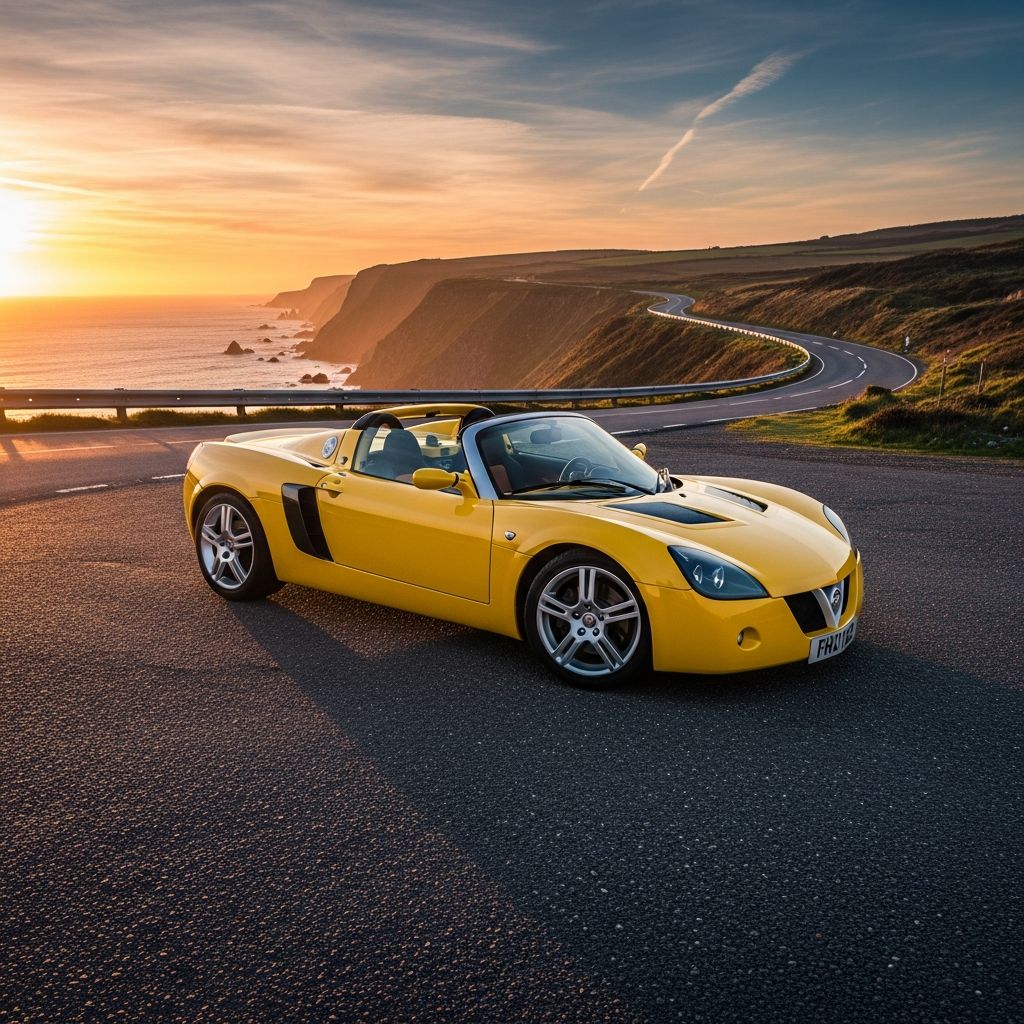
The Vauxhall VX220 stands as a testament to what happens when a mainstream manufacturer dares to build a pure driver’s car. Launched in 2000, this lightweight roadster borrowed heavily from the Lotus Elise chassis but infused it with Vauxhall’s engineering touch, resulting in a machine that prioritized fun, accessibility, and value over badge prestige. Despite modest sales, its rarity—only around 500-600 remain licensed in the UK—has elevated it to cult status among enthusiasts.
Origins and Development Story
Conceived as Vauxhall’s bold entry into the lightweight sports car segment, the VX220 emerged from a collaboration with Lotus. Rather than a mere rebadge, engineers crafted a distinct vehicle using an aluminum tub chassis similar to the Elise but tuned for broader appeal. Of its roughly 2500 parts, just 141 overlapped with the Lotus, underscoring its unique identity. The project aimed to deliver high performance without the compromises of everyday usability that plagued some rivals.
Production ran from 2000 to 2006 at Lotus’s Hethel facility, with Vauxhall handling design and powertrain integration. Initial models featured a naturally aspirated 2.2-liter engine from the Astra Coupe, producing 145 bhp and 203 Nm of torque. This setup propelled it to 60 mph in 5.6 seconds and a top speed of 136 mph, figures that humbled many contemporaries. A turbocharged variant arrived in 2003, boosting output to 200 hp for even more explosive acceleration.
Design and Build Quality
Visually, the VX220 cuts a aggressive stance with its fiberglass bodywork, low-slung profile, and pop-up headlights. The compact dimensions—3.78 meters long with a 2.4-meter wheelbase—enhance its go-kart-like feel. Narrow 175-section front tires (slimmer than the Elise’s) contribute to razor-sharp steering feedback, while the lightweight construction keeps mass under 900 kg.
Inside, minimalism reigns: no air conditioning, power windows, or excess cupholders, creating a focused cockpit. The driving position places the driver nearly on the floor with legs extended, which feels unconventional at first but quickly addictive. Fabric seats offer decent support, and the removable roof stows easily, unlike fussier rivals. Build quality holds up well, with the hardy 2.2-liter engine proving more durable than some alternatives like the Rover K-series.
Engine Options and Performance Breakdown
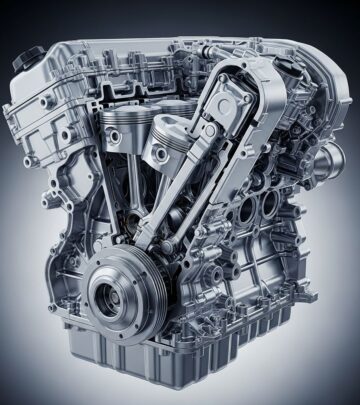
The VX220 offered two powertrains, each excelling in different ways.
| Model | Engine | Power | Torque | 0-60 mph | Top Speed | Fuel Economy |
|---|---|---|---|---|---|---|
| Naturally Aspirated | 2.2L inline-4 | 145 bhp | 203 Nm | 5.6 sec | 136 mph | 34 mpg |
| Turbo | 2.0L turbo inline-4 | 200 hp | 265 Nm | 4.7 sec | 155 mph | 28 mpg |
The base 2.2-liter unit delivers smooth, progressive power with strong low-end torque, ideal for B-roads and urban jaunts. It idles contentedly in third gear around town, avoiding constant shifting. The Turbo variant unleashes ferocious mid-range punch, though its boost delay requires patience below 3000 rpm. Both benefit from the car’s low weight, achieving impressive efficiency—over 34 mpg combined for the NA model.
Handling and Driving Experience
Behind the wheel, the VX220 transforms ordinary roads into playgrounds. The chassis exhibits telepathic steering with minimal body roll, transmitting every road imperfection through the seat and wheel. Upgraded brakes with servo, ABS, and EBD provide confident stopping power.
- Steering Precision: Narrow tires ensure sublime feel and accuracy, matching or exceeding the Elise.
- Balance: Tuned for gentle understeer over snap oversteer, making it forgiving for spirited drives.
- Ride Quality: Firmer than an MX-5 but more compliant than the raw Elise, with excellent visibility.
Owners praise its stability at high speeds and ease of use compared to peaky Lotus engines. The Turbo’s extra power demands respect to avoid mishaps, but the NA version nails the power-to-weight sweet spot. Noise and vibration are high, reinforcing its weekend toy persona rather than daily commuter.
Reliability and Common Issues
Long-term ownership reveals a robust platform. The 2.2-liter engine shrugs off high mileage better than rivals, free from the Elise’s early pedal and gearshift woes. Turbo models require diligent maintenance to prevent boost-related failures, and fibreglass panels can complicate repairs.
Key checks include:
- Crash damage history, especially on Turbos.
- Suspension bushes and geometry for alignment.
- Clutch wear from enthusiastic driving.
- Roof seals to prevent leaks.
With proper care, these cars remain reliable, often outlasting expectations.
Market Position and Ownership Costs
Priced around £32,000 new, the VX220 suffered from Vauxhall badge snobbery, selling far fewer units than the Elise. Today, clean examples fetch £15,000-£25,000 for NA models and £20,000-£30,000 for Turbos, with rarity driving values up as future classics.
Running costs are reasonable: efficient engines, affordable parts (despite some Lotus-sourced items), and insurance groups around 46. Fuel, tires, and brakes are the main expenses for active use.
Comparisons with Rivals
How does it stack up?
| Car | Power | Weight | Price (Used) | Edge Over VX220 |
|---|---|---|---|---|
| Lotus Elise S2 | 120-160 bhp | 860 kg | £20k+ | Purer dynamics |
| Mazda MX-5 | 140 bhp | 1100 kg | £10k | Daily usability |
| Toyota MR2 | 140 bhp | 975 kg | £8k | Reliability |
The VX220 offers Elise-like thrills with more torque, comfort, and easier roof handling at a lower entry price.
Why Buy a VX220 Today?
For enthusiasts seeking unfiltered driving joy without stratospheric costs, the VX220 delivers. Its combination of power, poise, and practicality makes it the thinking person’s Lotus alternative. As numbers dwindle, values are set to climb, rewarding patient hunters.
Frequently Asked Questions
Is the Vauxhall VX220 reliable?
Yes, particularly the NA 2.2L engine, which handles high miles well. Regular maintenance is key for Turbos.
How does it compare to the Lotus Elise?
Similar chassis but with more power, better brakes, and daily usability. Steering feel rivals the Elise.
What’s a good price for a used VX220?
£15,000-£25,000 for NA; higher for Turbos. Inspect for crash damage.
Can it be used daily?
Not ideal due to noise and minimalism, but more practical than a pure Elise.
Are parts hard to find?
Some fibreglass items are scarce, but engines and basics are Vauxhall-sourced.
References
- Vauxhall VX220 (2000 – 2006) used car review — RAC Drive. 2000-2006 (reviewed post-2006). https://www.rac.co.uk/drive/car-reviews/vauxhall/vx220/vx220-2000-2006/
- Man Maths: Vauxhall VX220 — The Intercooler. N/D. https://www.the-intercooler.com/library/blog/man-maths-vauxhall-vx220/
- Vauxhall VX220 in-depth review — Toms Garage (YouTube). N/D. https://www.youtube.com/watch?v=lN4CBv9NNks
- Future Classic: Vauxhall VX220 — Hagerty UK. N/D. https://www.hagerty.co.uk/articles/future-classic/future-classic-vauxhall-vx220/
- Dan Trent: Is the Vauxhall VX220 the Lotus you want? — Goodwood. N/D. https://www.goodwood.com/grr/columnists/dan-trent/dan-trent-when-does-a-vauxhall-beat-a-lotus-at-its-own-game/
- A Cut Price Elise That’s Better Than The Real Thing? Vauxhall VX220 Turbo — Number 27 (YouTube). 1 year ago (approx 2025). https://www.youtube.com/watch?v=jkQpeNU0T3A
- Vx220 Turbo Review (with 2.2l Comparison) — VX220 Owners Forum. N/D. https://www.vx220.org.uk/forums/topic/48641-vx220-turbo-review-with-22l-comparison/
Similar Articles


Read full bio of medha deb