Vauxhall Vectra: The Underrated Family Saloon
Discover why the Vauxhall Vectra evolved from a criticized everyday car into a reliable, comfortable choice for families and fleets.
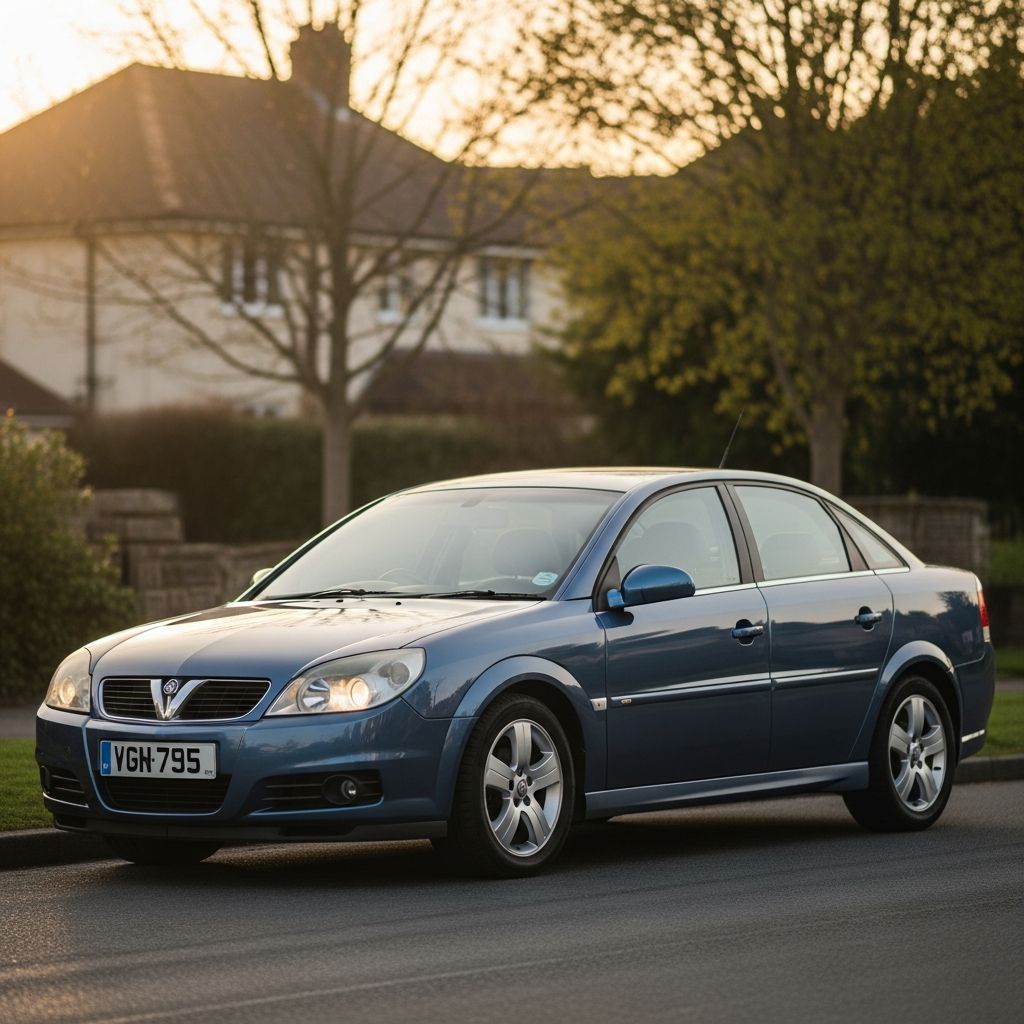
The Vauxhall Vectra, produced primarily between 2002 and 2008 for its C-generation model, emerged as a practical family vehicle that prioritized comfort, space, and efficiency over outright excitement. Initially criticized for lackluster dynamics, later updates elevated it to a competent contender in the executive saloon segment, appealing especially to fleet operators and motorway drivers.
Development and Model Generations
The Vectra lineage traces back to the mid-1990s with the B-generation (1995-2002), which followed the popular Cavalier but struggled to match its predecessor’s agility. Heavier and less engaging, it faced harsh reviews, including from motoring journalists who deemed it unremarkable. The C-generation, launched in 2002, aimed to rectify this with a more modern design, though early models retained some bland traits.
By 2005, a significant facelift introduced sharper styling, enhanced chassis tuning, and better driver feedback, transforming perceptions. This version competed more credibly against rivals like the Ford Mondeo, offering refined ride quality and hushed cruising. Production emphasized diesel variants for fleet use, with petrol options providing balanced performance.
Engine Lineup and Performance
Vectra powertrains catered to efficiency-focused buyers. Diesel engines dominated, featuring 1.9-liter units in 120bhp and 150bhp guises, delivering strong torque and impressive fuel economy ideal for high-mileage drivers. Petrol choices included a 1.8-liter and 2.2-liter direct-injection engine, noted for smooth power delivery and adequacy in daily use.
High-performance stood out with the Vectra VXR, packing a 2.8-liter twin-scroll turbo V6 producing 252bhp and 262lb ft of torque from 1800rpm. It achieved 0-62mph in 6.5 seconds and a 161mph top speed, paired with IDS-Plus adaptive damping for composed handling on twisty roads. Standard models prioritized refinement over speed, with diesels excelling in pace and economy.
| Engine | Power | 0-62mph | Economy (mpg) |
|---|---|---|---|
| 1.9 CDTi (120bhp) | 120bhp | ~11s | 45-50 |
| 1.9 CDTi (150bhp) | 150bhp | ~9.5s | 42-47 |
| 2.2 Direct (147bhp) | 147bhp | ~9.8s | 35-40 |
| 2.8 V6 Turbo VXR | 252bhp | 6.5s | 25-30 |
These figures highlight the Vectra’s versatility, from economical commuters to spirited performers.
Driving Experience and Handling Evolution
Early Vectras suffered from uninspiring steering and a tendency toward understeer, compounded by mediocre interior plastics and awkward seating. Post-2005 facelifts brought finesse, with improved suspension providing better feedback while retaining a plush ride. Motorway stability shone, with low noise levels and supportive seats for long journeys.
The VXR variant pushed boundaries, tackling demanding routes with variable damping and stability controls, though torque steer was evident under hard acceleration. Everyday models balanced comfort and control, making them fleet favorites despite not matching the Mondeo’s sharpness.
- Strengths: Supple suspension absorbs bumps; quiet at speed; stable high-speed cruising.
- Weaknesses: Initial understeer; less engaging than rivals; some NVH issues if poorly maintained.
Interior Comfort and Practicality
Spacious cabins defined the Vectra, particularly in estate form, offering one of the largest load areas in its class. Hatchbacks provided ample boot space, though rear headroom was tight for taller passengers. Dash designs felt functional yet plasticky, but build quality evoked solidity.
Seats were comfortable for most, supporting extended drives, with good adjustment ranges. Fleet-oriented features like durable materials and easy maintenance enhanced appeal. Families appreciated the roominess, though visibility suffered from large door mirrors.
Reliability, Ownership Costs, and Common Issues
Vectras proved durable for high-mileage use, with few catastrophic failures despite fleet abuse. Diesels were particularly robust, though timing belts and injectors required attention. Petrol engines offered smoothness but thirstier running costs.
Used prices remain low, making them bargains. Maintenance is straightforward with widespread parts availability. Watch for rust on older B-generation models and electrical gremlins in early C-specs.
- Annual servicing: Affordable at £200-£400.
- Insurance: Low groups (10-20) for standards.
- Fuel: Diesels excel at 45+ mpg.
Comparing to Rivals: Vectra vs. Contemporaries
Against the Ford Mondeo, the Vectra lagged in driver engagement but won on space and diesel refinement. Peugeot 407 offered style but less reliability; BMW 3-Series outclassed it dynamically at a premium price. For fleets, Vectra’s efficiency and comfort edged competitors.
Buying Advice for Used Vectra Owners
Target 2005+ facelifted models for best dynamics and styling. Prioritize service history, especially on diesels. Estates provide superior practicality. VXR models appeal to enthusiasts but demand premium upkeep.
Budget £1,000-£4,000 for solid examples, checking for suspension wear and electronics.
Performance Variants and Special Editions
Beyond standards, V6 SRi and GSi models in earlier generations offered engaging drives. The C-era VXR was a highlight, blending power with usability. Rare ST homologation specials from B-era hold collector interest.
Modern Relevance and Classic Potential
Today, Vectras represent value-packed used buys for budget-conscious drivers. Their motorway prowess and space endure, with performance variants gaining cult status. As classics, well-maintained examples could appreciate.
Frequently Asked Questions (FAQs)
Is the Vauxhall Vectra reliable?
Yes, particularly post-facelift diesels, with strong longevity for fleet use if serviced properly.
What’s the best Vectra engine?
The 1.9 CDTi 150bhp balances economy, power, and reliability best for most buyers.
How does the Vectra handle compared to Mondeo?
Post-2005 Vectras improved significantly but remain comfort-oriented rather than sporty like the Mondeo.
Are Vectra estates practical?
Exceptionally so, with vast load space rivaling larger MPVs.
Should I buy a used Vectra VXR?
If you seek thrills on a budget, yes—but expect higher running costs and maintenance.
References
- Vauxhall Vectra VXR review – when torque steer is the new black — evo. 2008 (approx.). https://www.evo.co.uk/vauxhall/vectra
- Vauxhall Vectra review (2002-2008) — Auto Express. 2023 (updated). https://www.autoexpress.co.uk/vauxhall/vectra
- Vauxhall Vectra (2005 – 2008) used car review — RAC Drive. 2023 (approx.). https://www.rac.co.uk/drive/car-reviews/vauxhall/vectra/vectra-2005-2008/
- Reassessing the Vectra — Hagerty UK. 2022 (approx.). https://www.hagerty.co.uk/articles/reassessing-the-vectra/
- Vauxhall Vectra (1995 – 2002) Review — Honest John Classics. 2023 (approx.). https://classics.honestjohn.co.uk/reviews/vauxhall/vectra-mk1/
Similar Articles


Read full bio of medha deb