Vauxhall Vectra: The Reliable Family Workhorse
Discover why the Vauxhall Vectra transformed from a criticized model to a competent, comfortable fleet favorite with strong engines and improved dynamics.
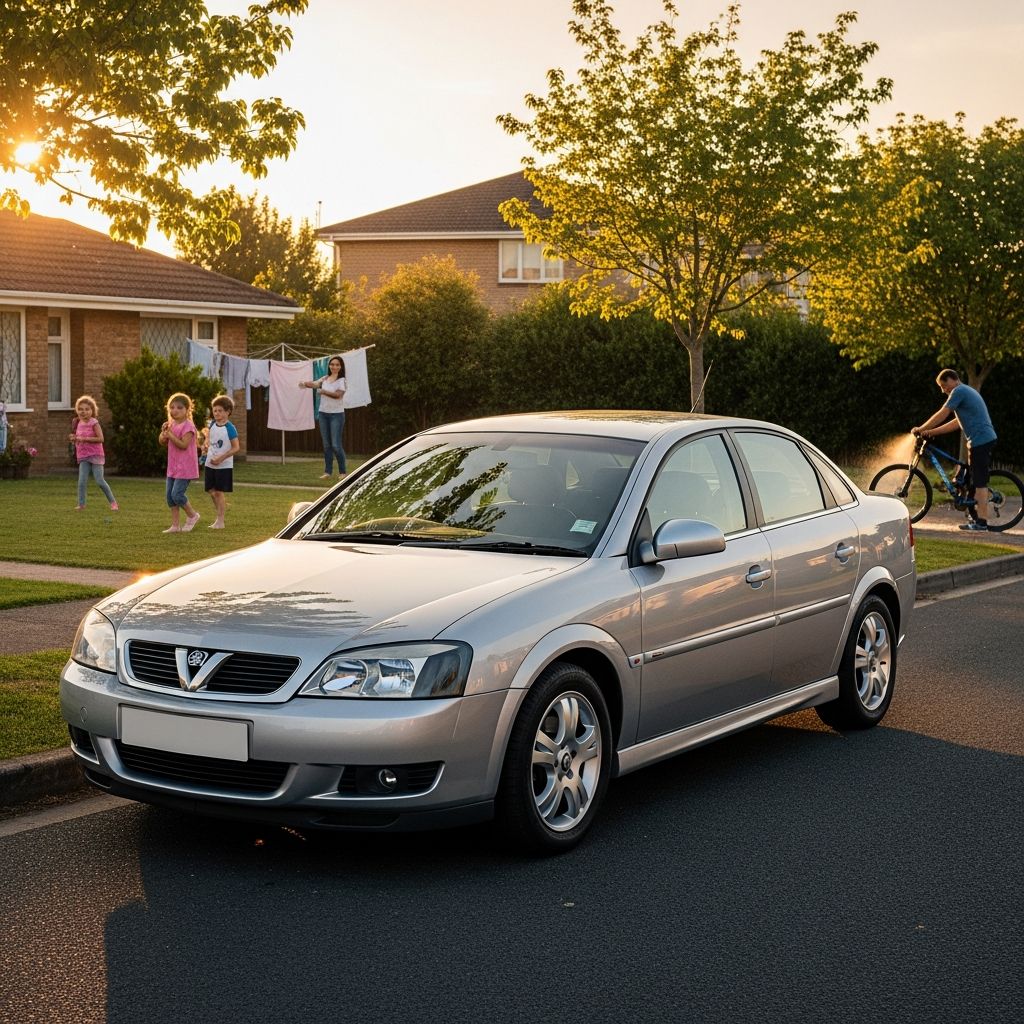
The Vauxhall Vectra, produced primarily between 2002 and 2008, emerged as a practical choice for families and fleet operators seeking comfort, space, and efficiency without excessive costs. Initially facing criticism for uninspiring dynamics, later updates elevated it to a respectable contender against rivals like the Ford Mondeo.
Model Generations and Key Updates
The Vectra’s lifecycle saw significant refinements, particularly with the 2005 facelift that sharpened its styling and driving characteristics. Pre-facelift versions prioritized smoothness over engagement, but post-2005 models delivered better feedback and composure on varied roads. This generation built on the Vectra B’s foundations from 1995-2002, which offered motorway prowess despite early reliability hiccups.
Available in hatchback, saloon, and estate forms, the estate variant stood out for its cavernous load space, making it ideal for large families or business use. The range catered heavily to diesel fans, with fleet sales driving popularity due to low running costs.
Engine Lineup: Power and Efficiency Balanced
Vauxhall equipped the Vectra with a versatile selection of powertrains. Petrol options included efficient 1.8-litre and 2.2-litre units, suitable for everyday driving. Diesel engines, particularly the 1.9-litre in 120bhp and 150bhp guises, shone for their blend of pace and economy, achieving impressive fuel returns on long hauls.
For enthusiasts, the standout was the Vectra VXR, packing a twin-scroll turbocharged 2.8-litre V6 engine producing 252bhp and 262lb ft of torque from 1800rpm to 4500rpm. This propelled it to 0-62mph in 6.5 seconds and a 161mph top speed, though torque steer was a noted trait on bumpy surfaces.
| Engine | Power | Torque | 0-62mph | Economy (mpg) |
|---|---|---|---|---|
| 1.9 CDTi (120bhp) | 120bhp | ~221lb ft | ~11s | ~45-50 |
| 1.9 CDTi (150bhp) | 150bhp | ~243lb ft | ~9.5s | ~42-48 |
| 2.2 Petrol | 147bhp | ~155lb ft | ~9.8s | ~32-35 |
| 2.8 V6 VXR Turbo | 252bhp | 262lb ft | 6.5s | ~25-28 |
Note: Figures approximate based on period tests; real-world varies.
Driving Experience: From Bland to Balanced
Early Vectras earned a ‘dull’ label for soft suspension and vague steering, but the facelift introduced firmer tuning for enhanced grip and driver involvement without sacrificing ride quality. Motorway refinement remained a forte, with hushed cabins and stable high-speed cruising supported by comfortable seats.
The VXR pushed boundaries with IDS-Plus chassis tech, featuring adaptive damping and stability aids, though its front-wheel-drive setup led to torque steer on challenging routes. Owners praised everyday comfort and roominess, calling it ‘silky smooth’ for long journeys.
- Strengths: Supple ride, quiet cruising, strong diesels.
- Weaknesses: Pre-facelift understeer, torque steer in VXR.
- Best for: Fleet drivers, families needing space.
Interior Comfort and Practicality
Spaciousness defined the Vectra, especially estates with massive boots rivaling class leaders. Hatchbacks offered decent rear legroom but tighter headroom. The dashboard, while functional with solid build quality evoking ‘Germanic’ solidity, appeared dated with plasticky elements.
Seating was a mixed bag: supportive up front but awkward for some in the rear. Equipment levels were generous for fleets, including air-con, cruise control, and stability systems as standard on higher trims.
Performance Variants: VXR Spotlight
The VXR aimed to inject excitement, boasting aggressive styling, 18-inch alloys, and Recaro seats. Its V6 delivered thrilling mid-range shove, ideal for overtakes, paired with a slick six-speed manual. Vauxhall targeted 1000 UK sales annually, positioning it against BMW 3-Series and Audi A4 hot versions.
Despite charm, it wasn’t flawless—brakes faded under hard use, and fuel thirst limited appeal. Still, it offered hot-hatch thrills in saloon guise.
Reliability and Common Issues
Post-facelift Vectras proved durable, especially diesels enduring high mileages in fleet service without catastrophic failures. Early models suffered electrics and rust, but later ones improved. Key checks for buyers: timing chains on 2.2s, turbo health on diesels, suspension bushes.
Owners reported smooth V6s and economical running, with many exceeding 150,000 miles reliably.
Buying Guide: What to Look For
Target 2005+ facelifts for best dynamics and styling. Diesels suit high-milers; petrols for lighter use. VXR appeals to enthusiasts but inspect for abuse.
- Service history essential—diesels need regular oil changes.
- Test drive for suspension knocks, clutch bite.
- Check body for rust on sills, arches.
- Budget £1,500-£4,000 for good examples (period pricing adjusted).
- Avoid ex-fleet high-milers without records.
Market Position and Legacy
The Vectra dominated fleets over rivals due to diesels and space, outselling in business sectors despite media pans. It matured into a ‘competent and desirable’ family hauler by end-of-life. Today, low prices make it a budget classic prospect, especially V6 models gaining cult status.
Critics like Clarkson dismissed it, but real-world users valued its no-nonsense reliability over flair.
Frequently Asked Questions (FAQs)
Is the Vauxhall Vectra reliable?
Yes, particularly post-2005 diesels; many last over 200,000 miles with maintenance.
What’s the best Vectra engine?
1.9 CDTi 150bhp for economy and power balance; VXR for thrills.
How does it compare to Ford Mondeo?
Vectra offers more space but Mondeo edges handling pre-facelift; post-2005 it’s closer.
Any common problems?
Electrics early on, suspension wear, diesel swirl flaps.
Good used buy?
Excellent value for spacious, comfy family car under £3,000.
Conclusion: Underrated Gem
The Vauxhall Vectra shed its dull image through smart updates, proving a steadfast choice for practical motoring. Its blend of comfort, efficiency, and occasional excitement cements its place as a used car bargain.
References
- Vauxhall Vectra VXR review – when torque steer is the new black — evo.co.uk. 2005. https://www.evo.co.uk/vauxhall/vectra
- Vauxhall Vectra review (2002-2008) — Auto Express. 2008. https://www.autoexpress.co.uk/vauxhall/vectra
- Vauxhall Vectra (2005 – 2008) used car review — RAC Drive. 2008. https://www.rac.co.uk/drive/car-reviews/vauxhall/vectra/vectra-2005-2008/
- Reassessing the Vectra — Hagerty UK. N/A. https://www.hagerty.co.uk/articles/reassessing-the-vectra/
- Vauxhall Vectra (1995 – 2002) Review — Honest John Classics. N/A. https://classics.honestjohn.co.uk/reviews/vauxhall/vectra-mk1/
- Vauxhall Vectra 2.2 Direct – Shed — PistonHeads. N/A. https://www.pistonheads.com/gassing/topic.asp?h=0&f=47&t=1852509
Similar Articles


Read full bio of Sneha Tete