Vauxhall Vectra: Family Sedan Evolution & Performance
Discover the Vauxhall Vectra's journey from criticized debut to refined family favorite
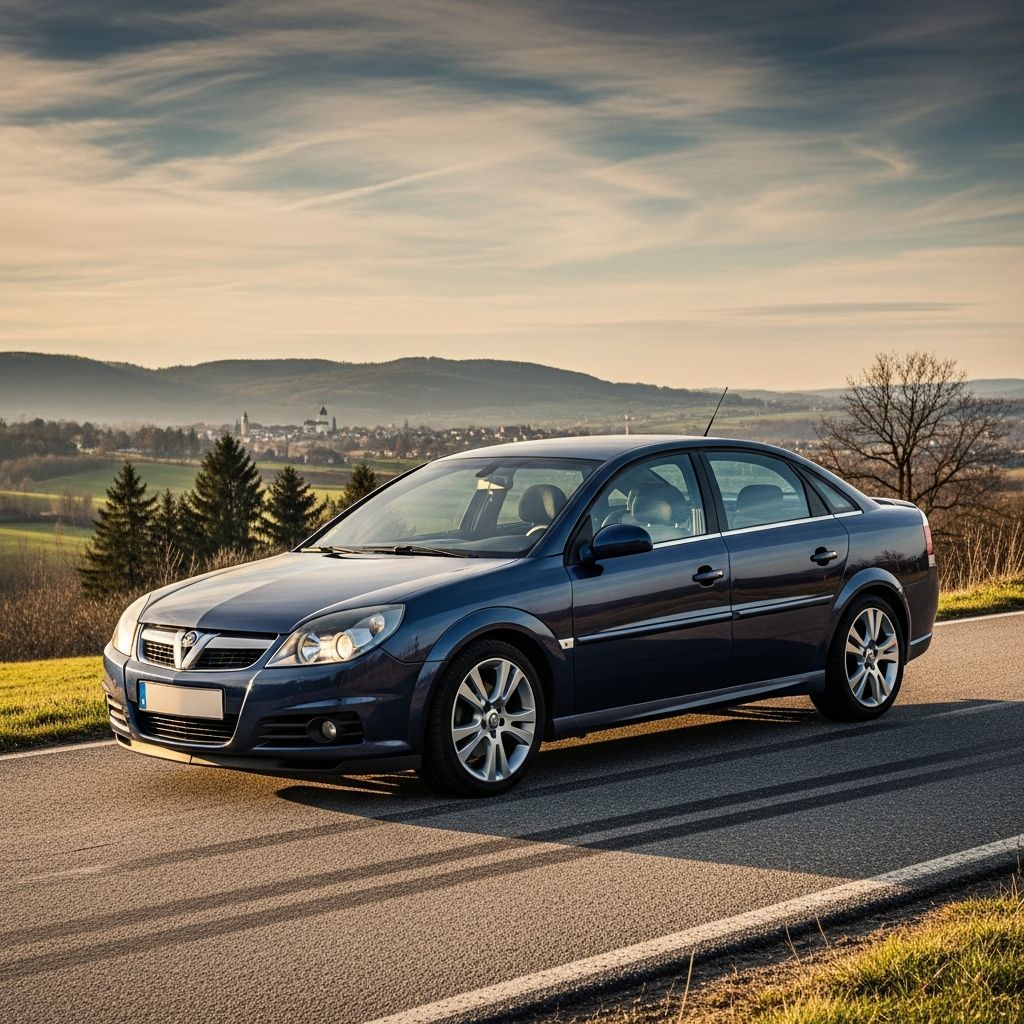
The Vauxhall Vectra has long occupied an interesting position in automotive history—a vehicle that arrived with considerable skepticism but gradually proved itself as a competent and comfortable option for families and fleet operators. What began as a controversial successor to a beloved predecessor eventually transformed into a refined machine that addressed early criticisms and established genuine appeal in the competitive family sedan market.
The Controversial Beginning: Understanding Initial Reception
When the Vectra first arrived on the market, it encountered immediate resistance from automotive enthusiasts and critics alike. The fundamental challenge lay in following the highly respected Mk3 Cavalier, a vehicle that had successfully rehabilitated Vauxhall’s reputation as a manufacturer of engaging, reliable automobiles. The Cavalier was praised for its responsive steering, nimble handling characteristics, and overall driving enjoyment—qualities that defined driver satisfaction during its production run.
The original Vectra B generation presented a stark contrast to this formula. The vehicle was noticeably heavier than its predecessor, which immediately impacted acceleration figures and overall responsiveness. This weight penalty, combined with engineering decisions that prioritized comfort and space over driving dynamics, resulted in a car that felt fundamentally different from what Vectra buyers might have anticipated. The chassis design, while competent in providing grip and stability during cornering, suffered from a lack of communicative feedback. Drivers reported feeling disconnected from the road surface, with steering inputs that felt detached rather than interactive.
Engine performance in base models proved particularly underwhelming. The smaller four-cylinder units delivered pedestrian acceleration that struggled to excite drivers accustomed to the Cavalier’s more spirited performance envelope. Even adequately powered versions of the 1995-2002 generation failed to generate the enthusiasm that Vauxhall desperately needed to overcome negative first impressions. Early production reliability concerns further damaged the model’s reputation during a critical market introduction period.
Performance Engine Standouts Within a Questionable Range
However, nestled within the Vectra B lineup were genuinely competent performers that demonstrated the model’s untapped potential. The V6-powered variants, particularly the SRi and GSi models, delivered substantially more engaging driving experiences. These engines produced melodious sounds that rewarded acceleration while providing meaningful power delivery. For drivers willing to investigate the upper reaches of the Vectra range, a different vehicle emerged—one with legitimate performance credentials and genuine appeal.
The limited-production Vectra ST, a special homologation variant created for racing purposes, represented perhaps the most captivating expression of early Vectra engineering. This focused, performance-oriented iteration proved that the platform possessed genuine dynamic capability when properly optimized. Similarly, the later SRi 130 variant emerged as the four-cylinder lineup’s most convincing offering, demonstrating that careful tuning and specification choices could transform the driving experience into something genuinely worthwhile.
The Estate Body: Where the Vectra Found Its True Character
The Vectra estate configuration proved substantially more successful than its hatchback counterpart, offering significantly more interior versatility and a more balanced aesthetic. The elongated cargo section provided genuinely impressive luggage capacity, positioning the estate as one of the most spacious options available in its class. This practical superiority resonated particularly strongly with fleet operators and families requiring maximum carrying capability. The wagon body style imparted a more purposeful, workmanlike appearance that complemented the Vectra’s core strengths in comfort and practicality rather than attempting to project sportiness the platform couldn’t credibly deliver.
In sharp contrast, the four-door saloon variant struggled commercially, with its ungainly proportions failing to achieve either the practicality of the estate or the contemporary styling appeal of the hatchback. This body style represented a misstep in market positioning, addressing no particular customer need effectively.
The Transformation: 2005 Facelift Addressing Core Criticisms
The comprehensive facelift introduced in 2005 fundamentally altered the Vectra narrative. This refresh addressed the primary shortcomings that had plagued the model’s reputation, implementing meaningful changes rather than cosmetic adjustments. The revised styling presented a notably sharper, more contemporary appearance that finally moved beyond the original’s dated aesthetic. More significantly, the engineering changes delivered measurable improvements to the driving experience that reviewers and owners had consistently demanded.
Post-facelift models demonstrated substantially improved handling finesse without sacrificing the comfort and refinement that represented genuine Vectra strengths. The updated chassis retained its composed, well-damped character while providing drivers with more meaningful steering feedback and responsive directional control. This balanced approach proved more successful than the original generation’s emphasis on isolation at the expense of engagement. The facelifted Vectra finally achieved what Vauxhall had been pursuing since 1995: a genuine all-rounder that competently addressed multiple customer priorities simultaneously.
Engine Portfolio: Matching Diverse Powertrain Needs
| Engine Type | Displacement | Power Output | Primary Application | Market Focus |
|---|---|---|---|---|
| Petrol (Base) | 1.8L | Variable | Consumer market | General buyers |
| Petrol (Mainstream) | 2.2L | Moderate | Mid-range buyers | Performance-oriented customers |
| Diesel | 1.9L | 120-150 bhp | Fleet operations | Business users |
| Performance | 2.8L V6 Turbo | 252 bhp | VXR variant | Enthusiasts |
The Vectra’s engine range demonstrated Vauxhall’s commitment to addressing multiple market segments and use cases. The diesel powerplant options, particularly the superb 1.9-litre unit available in 120bhp and 150bhp configurations, provided fleet operators with exceptional fuel economy combined with adequate performance for business purposes. These engines delivered impressive torque characteristics that made highway cruising effortless while maintaining reasonable consumption figures—a combination that proved irresistible to fleet managers managing operational budgets carefully.
The petrol engines, while less economical than their diesel counterparts, offered sufficient capability for consumer buyers prioritizing versatility and driving flexibility. The 1.8-litre and 2.2-litre units provided adequate acceleration without delivering genuine performance credentials. They represented competent, if uninspiring, engineering solutions rather than standout achievements.
The twin-scroll turbocharged 2.8-litre V6 fitted to the VXR variant represented the performance apex of Vectra engineering. Producing 252 horsepower and 262 pound-feet of torque between 1800 and 4500 rpm, this engine delivered 0-62 mph acceleration in 6.5 seconds and a top speed of 161 mph. Combined with Vauxhall’s advanced IDS-Plus chassis featuring continuously variable damping and complementary stability control integration, the VXR created a genuinely compelling performance statement. Vauxhall’s ambitious target of selling 1000 annual examples in the UK reflected genuine confidence in this variant’s market appeal.
Interior Comfort and Practical Considerations
The Vectra excelled in delivering motorway cruising comfort that satisfied long-distance drivers seeking refined, hushed transportation. Substantial sound insulation prevented external noise penetration, while supportive seating maintained comfort during extended driving sessions. Climate control systems functioned reliably, and the spacious cabin permitted genuine flexibility in occupant arrangements for most driving scenarios.
However, design compromises emerged in specific areas. Hatchback variants suffered from inadequate rear headroom that inconvenienced taller passengers during extended journeys. Some drivers reported uncomfortable seating positions that affected long-term satisfaction, particularly for individuals with specific physiological requirements. The instrument panel and door trim materials, while solidly constructed, possessed a somewhat plasticky appearance and texture that conflicted with the vehicle’s overall refinement perception.
These inconsistencies reflected the design trade-offs inherent in the Vectra’s market positioning. Vauxhall prioritized passenger accommodation and cargo capacity, accepting compromises in material perception and ergonomic optimization to achieve competitive pricing and manufacturing efficiency.
Build Quality and German Engineering Influence
The Vectra’s construction quality and overall assembly standards demonstrated clear German engineering influence through the Opel connection. Despite occasional criticism regarding interior material choices, the fundamental build quality remained consistently solid. Components functioned reliably across the model’s lifespan, with many examples accumulating substantial mileage without experiencing catastrophic failures. This robustness proved particularly valuable for fleet operators requiring predictable, long-term reliability across large vehicle populations.
Ownership Experience and Long-Term Satisfaction
Owners consistently reported that properly maintained Vectras proved more durable and less problematic than negative market perceptions suggested. While early production years experienced some reliability questions, the platform demonstrated genuine staying power when treated appropriately. The facelift generation achieved particularly strong ownership satisfaction scores, with drivers praising the refined driving dynamics, comfortable cruising capability, and practical versatility.
The Vectra’s pricing trajectory in the used market reflected its status as a practical, relatively understated performer rather than a collectible or particularly desirable vehicle. This accessibility made the facelifted variants attractive propositions for budget-conscious buyers seeking reliable, comfortable transportation without excessive initial investment.
Contemporary Market Position and Legacy Assessment
By the conclusion of its production run, the Vectra had achieved a form of automotive redemption. Initial criticisms regarding dull dynamics and uninspiring character gradually gave way to recognition of genuine competence in multiple areas. The platform proved that comfortable, spacious family transportation needn’t necessarily sacrifice all driving engagement—a lesson that influenced subsequent generations of mainstream sedan development.
The Vectra never achieved the enthusiast following or premium positioning of more celebrated competitors, yet it successfully established itself as a genuinely capable, sensible choice for practical buyers prioritizing comfort, reliability, and value proposition. This positioning, while perhaps less glamorous than performance credentials or luxury appointments, represented a legitimate and valuable market segment that the Vectra served effectively, particularly following its 2005 evolution.
References
- Vauxhall Vectra review (2002-2008) — Auto Express. 2008. https://www.autoexpress.co.uk/vauxhall/vectra
- Vauxhall Vectra VXR review — evo. https://www.evo.co.uk/vauxhall/vectra
- Vauxhall Vectra (2005 – 2008) used car review — RAC Drive. https://www.rac.co.uk/drive/car-reviews/vauxhall/vectra/vectra-2005-2008/
- Reassessing the Vectra — Hagerty UK. https://www.hagerty.co.uk/articles/reassessing-the-vectra/
- Vauxhall Vectra (1995 – 2002) Review — Honest John Classics. https://classics.honestjohn.co.uk/reviews/vauxhall/vectra-mk1/
Similar Articles


Read full bio of medha deb