Vauxhall Crossland 2021: Practical Small SUV Review
Discover why the refreshed Vauxhall Crossland combines affordability with genuine practicality for modern drivers.
The Refreshed Vauxhall Crossland: Bridging Practicality and Affordability in Today’s SUV Market
The compact SUV segment has become increasingly competitive, with manufacturers vying to capture buyers seeking a balance between versatility, comfort, and cost-effectiveness. The 2021 refresh of the Vauxhall Crossland represents a thoughtful evolution of a vehicle that initially struggled to carve out its own identity alongside the similarly-sized Mokka X. Through carefully considered updates to its exterior presentation, mechanical components, and overall driving dynamics, this generation has matured significantly, offering potential buyers a compelling proposition that emphasizes space, affordability, and everyday usability.
Visual Transformation: A Bolder Exterior Identity
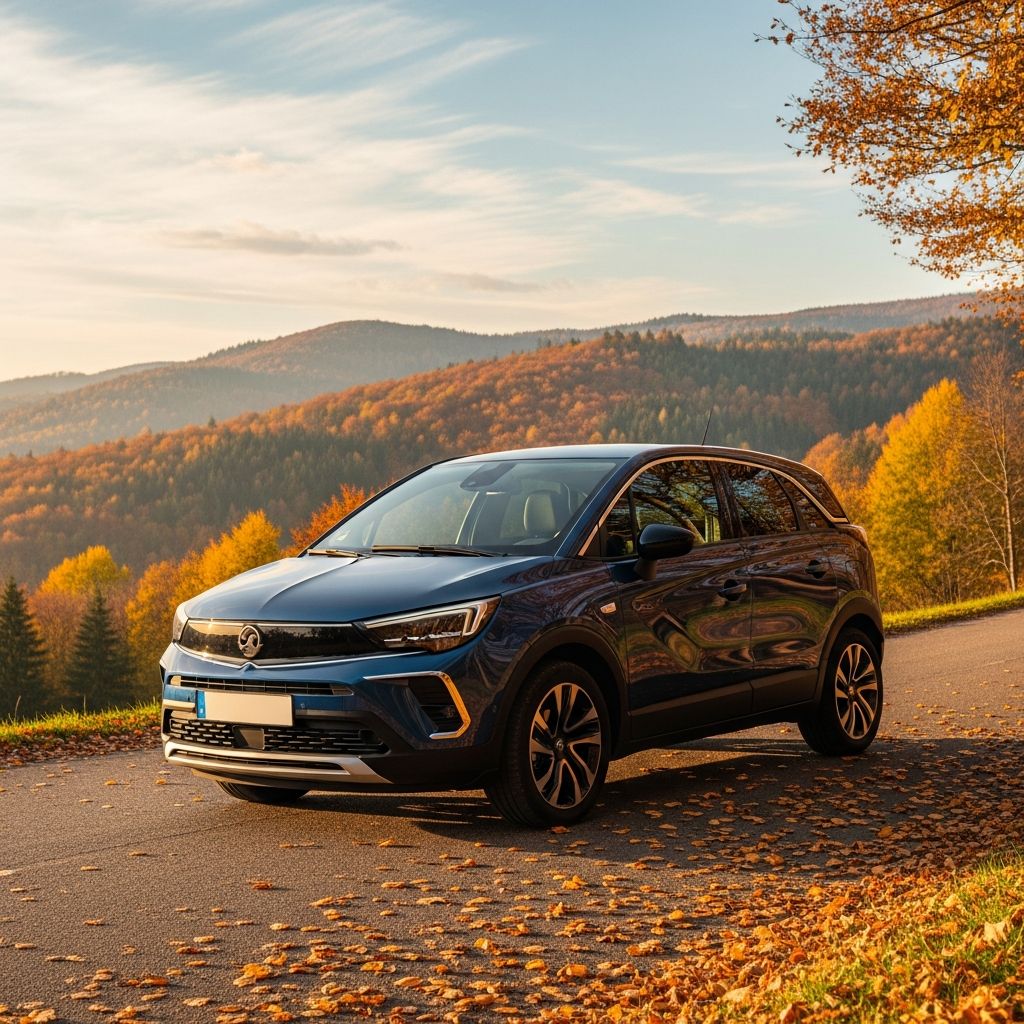
One of the most immediately noticeable changes to the 2021 Crossland involves its front-end treatment. Vauxhall’s introduction of its distinctive ‘Vizor’ design language marks a departure from the previous open grille configuration. Rather than multiple horizontal bars, the new approach employs a single gloss black panel that spans horizontally between the updated headlight units. This transformation accomplishes multiple objectives simultaneously: the design creates a more cohesive visual presence, suggests greater width and presence on the road, and pushes the vehicle’s appearance further into contemporary small SUV territory rather than the MPV-like proportions of its predecessor.
Complementing the front-end redesign, a revised front bumper further enhances the impression of visual width and modern styling. LED headlights come as standard equipment across the range, while Vauxhall’s simplified new Griffin logo appears on both the front grille and rear badge area. The combination of these updates, particularly when viewed on higher-specification models like the SRi trim with its 17-inch alloy wheels, black roof panel, and distinctive red window trim accents, creates a vehicle that possesses genuine visual appeal and a sense of design coherence.
Interior Architecture: Space as the Primary Asset
Where the Crossland truly distinguishes itself within its segment involves the amount of usable space it provides to occupants. The elevated roofline contributes substantially to generous headroom for both front and rear passengers, while the overall cabin proportions ensure that adults can settle into comfortable seating positions without feeling cramped or confined. This emphasis on spaciousness represents one of the vehicle’s strongest selling points, particularly for families or individuals requiring flexible interior configurations.
The rear seating area benefits from sliding mechanisms that allow occupants to prioritize either passenger comfort or cargo volume depending on specific journey requirements. This flexibility proves valuable for buyers who cannot justify the cost of a larger vehicle but occasionally need to transport bulky items. The overall cabin layout demonstrates intuitive design principles, with controls and interfaces positioned logically for easy daily operation.
Regarding technology and equipment, the standard specification includes a seven-inch touchscreen interface compatible with both Apple CarPlay and Android Auto, LED headlighting, manual climate control, and cruise control functionality. The interior trim appointments feature contemporary styling touches, including newly designed dashboard elements with red-themed accents and orange-striped interior components that contribute to a fresher cabin atmosphere than the outgoing model.
Engine Options and Performance Characteristics
Vauxhall has retained the existing engine lineup for the refreshed Crossland, with modifications primarily focused on efficiency improvements rather than fundamental redesigns. The powertrain choices encompass several alternatives to suit different priorities:
- 1.2-litre naturally aspirated petrol: Producing 82 horsepower, this entry-level option prioritizes economy over performance, though most reviewers suggest considering the turbocharged alternatives for enhanced practicality
- 1.2-litre turbocharged petrol: Available in two power outputs—108 horsepower and 128 horsepower—this engine delivers considerably more responsive performance. The higher-output version accelerates from standstill to 60 miles per hour in approximately 9.5 seconds and achieves a maximum velocity of 125 miles per hour. Manufacturers claim fuel consumption approaching 50 miles per gallon with emissions of 132 grams per kilometer
- 1.5-litre turbodiesel: For buyers prioritizing running cost minimization, this option delivers superior efficiency, with claimed consumption reaching 62.8 miles per gallon and emissions of 118 grams per kilometer
Transmission options include both six-speed manual and six-speed automatic gearboxes, permitting buyers to select based on personal preference and driving circumstances. Notably, no electrified powertrains—hybrid or fully electric—are currently available in the Crossland lineup, which represents a limitation for environmentally-conscious buyers or those seeking the latest automotive technology trends.
Driving Dynamics and Road Behavior
The original Crossland X earned a reputation for presenting handling characteristics that did not particularly inspire confidence or enjoyment, particularly at lower speeds. To address this recognized weakness, Vauxhall engineers implemented suspension and steering system modifications intended to improve overall stability, ride quality, and driver feedback. New spring and damper rates, alongside revised steering geometry, aim to deliver more composed behavior across varying road conditions and speeds.
The revised suspension architecture does deliver measurable improvements compared to its predecessor. At elevated highway speeds, the vehicle now maintains greater stability and composure, resisting the disconcerting movements that occasionally characterized the previous generation. The steering system provides slightly enhanced tactile communication with the driving surface, contributing to a sense of controlled precision during maneuvers.
However, it remains important to contextualize these improvements within segment realities. The Crossland will not replicate the dynamic engagement offered by class leaders such as the Ford Puma or Seat Arona. The vehicle exhibits a subtle firmness in its suspension tuning at lower urban speeds, and enthusiastic cornering reveals fundamental chassis limitations that prevent the kind of athletic handling that genuine sports-oriented competitors provide. For the majority of potential buyers—whose driving consists primarily of urban navigation, suburban commuting, and motorway transit—these characteristics prove entirely adequate and satisfactory.
Commanding Visibility and Maneuverability
A notable strength of the Crossland’s driving experience involves the superior visibility provided by its generous window areas and elevated seating position. The expansive glazing and commanding driving perspective permit operators to perceive the vehicle’s boundaries clearly, facilitating confident maneuvering through congested urban environments. This capability proves particularly valuable during parking operations and navigating through narrow streets, where the vehicle’s well-proportioned silhouette and clear sight lines reduce the uncertainty and stress often associated with tight spaces.
The light, responsive steering contributes meaningfully to the sense of agility around town, making the Crossland feel more diminutive and manageable than its actual dimensions might suggest. This characteristic particularly suits first-time SUV buyers or those transitioning from smaller hatchback-based vehicles, as the driving experience feels approachable and unintimidating.
Trim Levels and Equipment Hierarchy
Vauxhall structures the Crossland lineup across four distinct trim designations: SE Edition, SRi Edition, Elite Edition, and Ultimate. This tiered approach permits buyers to select equipment combinations matching their specific requirements and budgetary constraints. The entry-level SE Edition provides essential functionality and practicality, while progressively higher specifications introduce enhanced aesthetic treatments, additional convenience features, and technology upgrades. The SRi edition strikes a popular balance, offering enhanced visual appeal through exterior styling enhancements while maintaining relative affordability.
Value Proposition and Market Positioning
One of the Crossland’s most persuasive selling points involves its pricing structure. The vehicle commences below the £20,000 threshold, positioning it as an exceptionally affordable entry point into the small SUV category. For buyers prioritizing maximum interior space and practicality per pound spent, the Crossland presents a genuinely attractive proposition that few competitors can match at equivalent price points.
However, buyers contemplating finance arrangements should carefully compare available options across the broader market. The comparable Citroën C3 Aircross, for instance, may present lower monthly payment obligations when configured in similarly high specifications, suggesting that total cost of ownership requires careful consideration beyond headline purchase price.
Comparative Analysis Within the Segment
| Characteristic | Vauxhall Crossland | Key Competitor Strengths |
|---|---|---|
| Interior Space | Excellent for class; genuine practicality focus | Ford Puma offers superior dynamic handling; VW T-Cross provides better ride comfort |
| Pricing | Highly competitive; sub-£20k starting point | Seat Arona offers better driving engagement at similar cost |
| Driving Dynamics | Acceptable for everyday use; improved but not class-leading | Ford Puma and Seat Arona provide significantly more enjoyment |
| Comfort and Refinement | Adequate; slight firmness at lower speeds | VW T-Cross excels in ride quality |
| Technology | Basic but functional; lags behind class leaders | Rivals offer more advanced infotainment systems |
Frequently Asked Questions
Is the Vauxhall Crossland suitable for families?
Yes, the Crossland’s generous interior space, comfortable seating, and flexible cargo configurations make it well-suited for family transportation, particularly for families prioritizing practicality and affordability over dynamic driving characteristics.
Which engine option offers the best balance of performance and efficiency?
The 1.2-litre turbocharged petrol engine in 128-horsepower specification provides a compelling middle ground, delivering adequate performance for everyday driving while maintaining reasonable fuel consumption. The turbodiesel suits those prioritizing maximum economy.
How does the Crossland compare for driving enjoyment?
The Crossland prioritizes practicality over driving engagement. While suspension improvements enhance stability, competitors like the Ford Puma and Seat Arona offer substantially more dynamic satisfaction for drivers seeking engaging handling characteristics.
What are the key improvements from the previous generation?
Significant enhancements include modernized exterior styling via the Vizor design language, improved suspension and steering systems for better stability, refined engine efficiency, and a generally more cohesive overall package with enhanced visual appeal.
Concluding Assessment
The refreshed Vauxhall Crossland represents a competent evolution that successfully addresses several limitations of its predecessor. The visual transformation delivers genuine aesthetic improvement, the interior prioritization of space appeals to practical-minded buyers, and the pricing structure maintains genuine accessibility for budget-conscious consumers. While the vehicle cannot claim superiority in dynamic handling, comfort refinement, or technology implementation compared to class leaders, it successfully executes its primary mission: delivering affordable, spacious, and dependable everyday transportation.
For buyers whose priorities emphasize maximum interior volume per pound spent, straightforward operation, and honest practicality rather than dynamic performance or technological sophistication, the Crossland merits serious consideration. The vehicle’s worth-while updates demonstrate Vauxhall’s commitment to continuous improvement, even if the final product remains positioned as a pragmatic choice rather than a segment-leading aspirational purchase.
References
- Vauxhall Crossland 1.2T 130 2021 Review — Motoring Research. 2021. https://www.motoringresearch.com/car-reviews/vauxhall-crossland-1-2t-130-2021-review/
- Vauxhall Crossland 2021 Review — Car Keys. 2021. https://www.carkeys.co.uk/car-reviews/vauxhall-crossland-2021-review
- Vauxhall Crossland SRi Nav 2021 Review — Auto Express. 2021. https://www.autoexpress.co.uk/road-tests/354153/new-vauxhall-crossland-2021-review
- Vauxhall Crossland Review — RAC Drive. 2021. https://www.rac.co.uk/drive/car-reviews/vauxhall/crossland/crossland/
Similar Articles


Read full bio of medha deb