Vauxhall Combo Electric Van Review
Discover why the Vauxhall Combo Electric stands out as a practical, zero-emission choice for urban delivery and small business needs with impressive range and payload.
Vauxhall Combo Electric Van: A Game-Changer for Urban Fleets
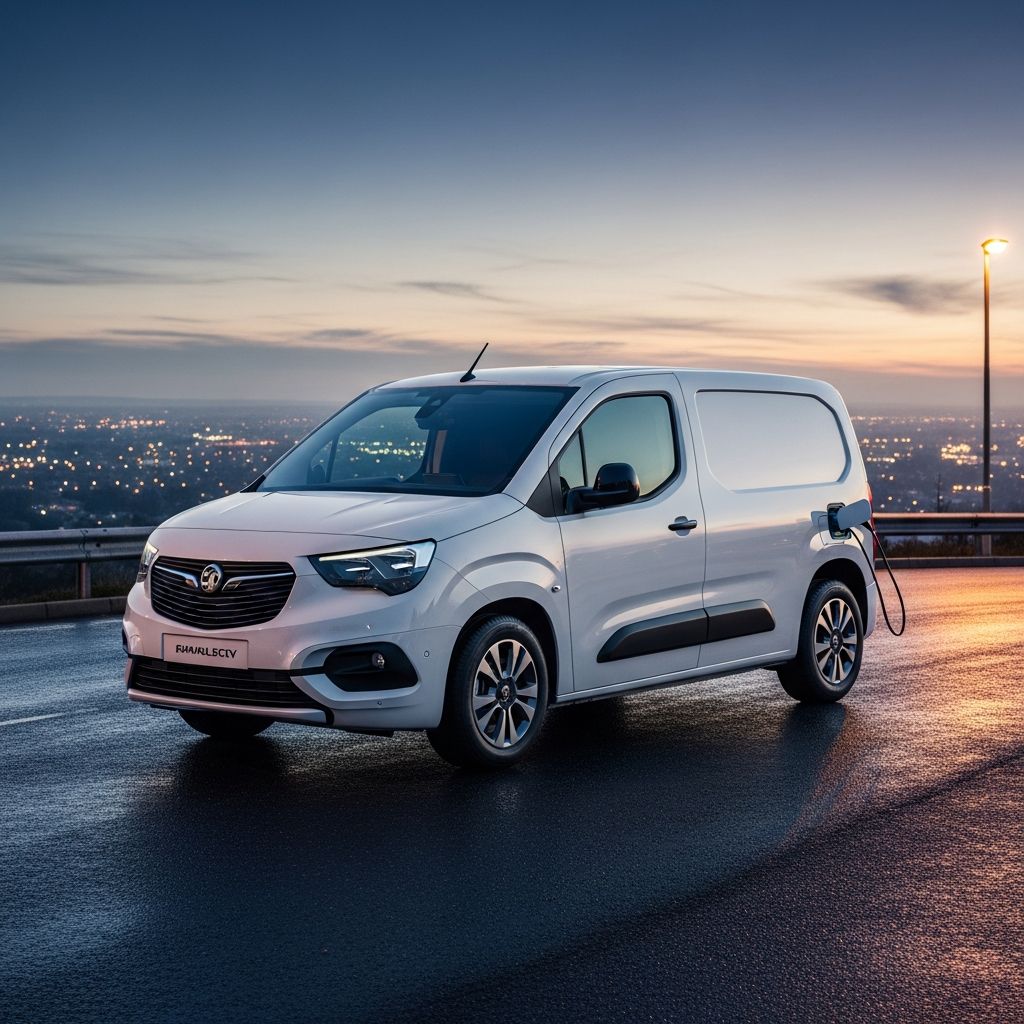
The Vauxhall Combo Electric, launched in 2021, redefines small commercial vehicles by blending zero-emission capability with practical load-carrying prowess. This electric panel van matches diesel counterparts in cargo space while offering silent, torque-rich acceleration ideal for city streets. Available in standard L1 and extended L2 body styles, it caters to diverse business demands from local deliveries to multi-stop routes.
Powertrain and Performance Highlights
At the heart of the Combo Electric lies a 100kW (136hp) electric motor paired with a 50kWh battery, delivering instant torque of up to 260Nm in Power mode. This setup propels the van from 0-62mph in 11.7 seconds, with a governed top speed of 81mph to optimize efficiency. Drivers note its peppy low-speed response, making it nimble in traffic.
Three selectable drive modes—Eco, Normal, and Power—tailor performance to needs: Eco caps output at 60kW/190Nm for range extension on light runs; Normal provides 80kW/210Nm for everyday tasks; Power unlocks full potential for loaded hauls or towing up to 750kg braked. Regenerative braking levels further enhance control, enabling near one-pedal driving in urban settings.
- Instant torque: Eliminates gear shifts for seamless stop-start efficiency.
- Quiet operation: Minimal motor whine at low speeds, wind noise dominant above 50mph.
- Low center of gravity: Battery placement under the floor improves stability on twists.
Battery Range and Charging Capabilities
Official WLTP range stands at 171 miles, realistic for mixed urban-highway use with indicated ranges dropping predictably after initial miles. For instance, after 20 miles of varied driving, remaining range hovered around 130-140 miles in Normal mode.
Charging is straightforward: 7.4kW AC wallbox achieves 0-80% in about 5.5 hours, while 100kW DC rapid charging hits 80% in 30 minutes—perfect for quick depot top-ups. Home overnight charging suits most operators, minimizing downtime.
| Charging Type | Time to 80% | Power Rating |
|---|---|---|
| 7.4kW AC (Wallbox) | ~5.5 hours | Domestic/Commercial |
| 100kW DC Rapid | 30 minutes | Public Stations |
| Standard 3-pin | ~15 hours | Overnight |
Load Space and Payload Specifications
Payloads impress: 800-803kg for L1 (shorter wheelbase) and 750-751kg for L2, rivaling diesel siblings despite battery weight. Load volumes mirror non-electric models at 3.3m³ (L1) and 3.9m³ (L2), accommodating two Euro pallets in the longer variant with even floor shaping and 1.8m load height.
Side-loading door width exceeds 1.3m, rear doors open 180 degrees, and lashing points abound for secure transport. The underfloor battery preserves full load length without intrusion.
- L1: 800kg payload, 3.3m³ volume, ideal for tight urban access.
- L2: 750kg payload, 3.9m³ volume, suited for bulkier items.
- Gross weight: 2,940kg across trims.
Driving Dynamics and Ride Quality
Handling benefits from the battery’s low positioning, granting confident cornering on rural lanes despite lightweight steering that prioritizes town maneuverability over motorway feedback. Ride quality absorbs potholes well, though minor fidgeting occurs on broken surfaces.
Steering is direct and light, excelling in car parks and narrow streets where the compact dimensions (L1: 4.4m long) shine. Motorway cruising is composed up to 70mph, with low NVH levels enhancing driver comfort on long shifts.
Reviewers praise its ‘small van that happens to be electric’ ethos, with minimal compromises for daily routines.
Cabin Comfort and Practical Features
The driver-focused cab employs durable plastics and intuitive controls. A small-diameter steering wheel, ergonomic seats, and ample adjustability ensure fatigue-free hours. Storage abounds: dash tray, phone shelf, overhead bin, deep door pockets, and under-seat compartment.
Trim options—Dynamic and Sportive—offer Progressive connectivity via 8-inch touchscreen, Apple CarPlay/Android Auto, and safety aids like lane keep, speed sign recognition, and auto emergency braking. Sportive adds styling flourishes for fleet branding.
Safety and Technology Integration
Standard kit includes forward collision alert, traffic sign assistant, and cruise control. Optional packs bring blind-spot monitoring and rear cross-traffic alert. The infotainment responds crisply, with drive mode selector easily accessible.
- Key tech: 8″ touchscreen, wireless smartphone mirroring.
- Safety ratings: Strong urban aids reduce accident risk.
- Fleet tools: Telematics-ready for tracking.
Running Costs and Ownership Considerations
Lower energy costs versus diesel—around 4-6p per mile—plus exemptions from congestion charges and ultra-low emissions zones yield quick savings for high-mileage users. Warranty covers battery for 8 years/100,000 miles at 70% capacity retention.
Purchase prices exceed diesels by £5,000-£7,000, but incentives narrow the gap. Service intervals hit 25,000 miles, with fewer moving parts cutting maintenance.
Competitor Comparison
| Model | Range (WLTP) | Payload (kg) | Load Volume (m³) | Price Premium vs Diesel |
|---|---|---|---|---|
| Vauxhall Combo Electric | 171 miles | 750-803 | 3.3-3.9 | £5-7k |
| Ford Transit Connect EV | ~160 miles | ~700 | 3.0-3.6 | Similar |
| Renault Kangoo E-Tech | ~170 miles | ~800 | 3.3-4.9 | Comparable |
The Combo edges rivals in payload parity and charging speed, though some offer longer ranges in newer iterations.
Real-World User Scenarios
For plumbers, electricians, or couriers, the Combo Electric fits 90% of daily rounds under 100 miles, with rapid charging for extensions. Its van-like toughness handles tools and materials without fuss, while zero tailpipe emissions appeal to green fleets.
Pros and Cons at a Glance
- Pros: Competitive range/payload, refined drive, quick charging, spacious load area.
- Cons: Range limits long motorway hauls, higher upfront cost, light steering on highways.
Frequently Asked Questions (FAQs)
What is the real-world range of the Vauxhall Combo Electric?
Expect 140-160 miles in mixed driving, less in cold weather or with heavy loads.
Can it tow a trailer?
Yes, up to 750kg braked, best in Power mode.
How fast does it charge?
80% in 30 minutes via 100kW DC, full AC charge in under 6 hours.
Is the payload affected by the battery?
Minimal impact: 750-803kg, matching many diesels.
What trims are available?
Dynamic (base) and Sportive (premium), both in L1/L2.
Final Thoughts on Transitioning to EV Vans
The Vauxhall Combo Electric proves electric vans viable for small operators, sacrificing little in utility while gaining efficiency and refinement. As infrastructure grows, its appeal strengthens for sustainable fleets.
References
- Vauxhall Combo-e (2021) review — What Van?. 2021. https://www.whatvan.co.uk/van-reviews/vauxhall-combo-e-2021-review/
- Vauxhall Combo-e Panel Van (2021 – ) review — Autotrader. 2021. https://www.autotrader.co.uk/vans/content/vauxhall-combo-e-review-panel-van-2021
- New Vauxhall Combo-e van 2021 review — Auto Express. 2021-10-18. https://www.autoexpress.co.uk/vauxhall/combo/356330/new-vauxhall-combo-e-van-2021-review
- New Vauxhall Combo-e Life 2021 review — Auto Express. 2021-10-18. https://www.autoexpress.co.uk/vauxhall/combo/356329/new-vauxhall-combo-e-life-2021-review
- Vauxhall Combo Electric review — DrivingElectric. 2022-11-05. https://www.drivingelectric.com/vauxhall/combo
Similar Articles



Read full bio of Sneha Tete