Vauxhall Astra 2026: Complete Guide to Features and Performance
Discover what makes the refreshed Vauxhall Astra a practical family choice
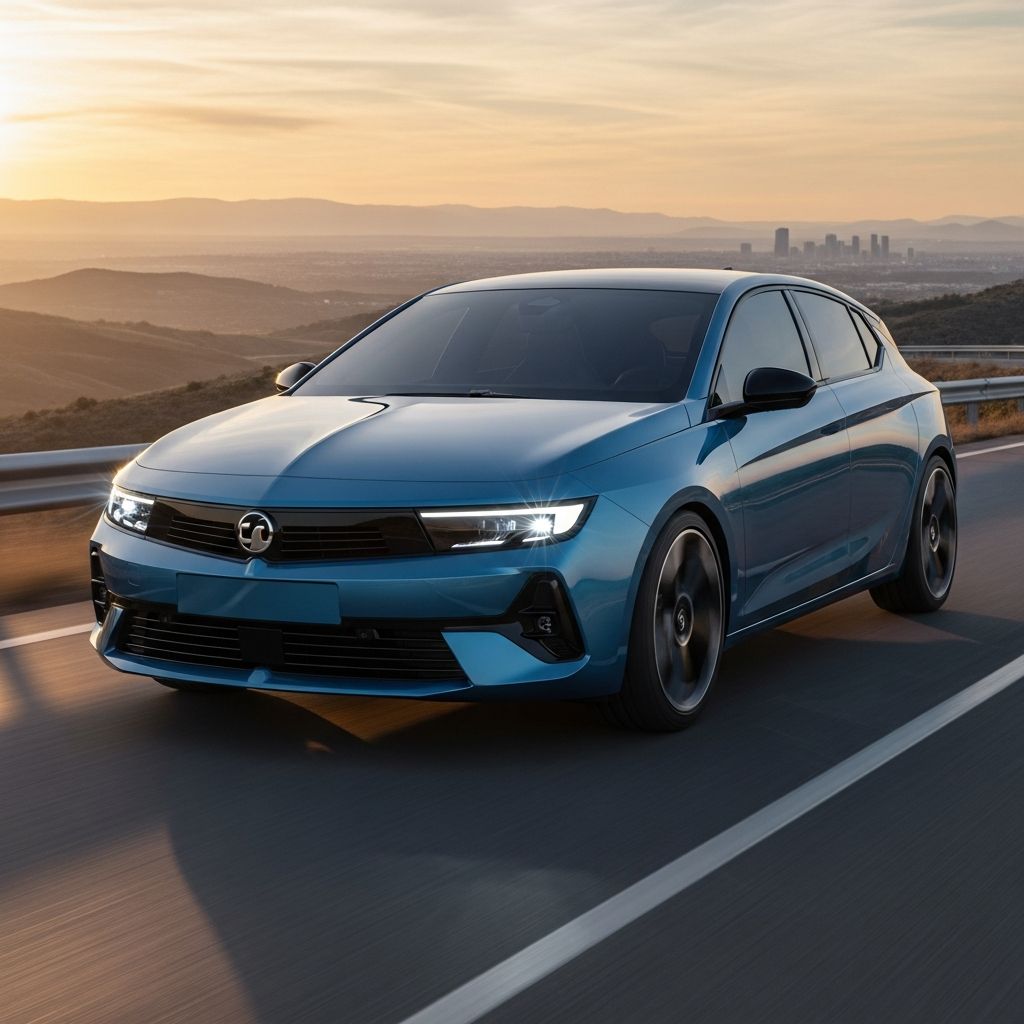
The automotive market continues to evolve with manufacturers introducing increasingly sophisticated technologies and sustainable powertrains. The refreshed Vauxhall Astra represents a significant update to one of Europe’s most recognizable family vehicles, combining practical design with modern convenience features. This comprehensive guide explores what the 2026 iteration brings to buyers seeking reliable transportation for everyday journeys.
Understanding the Powertrain Evolution
The contemporary automotive landscape demands flexible propulsion solutions, and Vauxhall has responded by offering multiple drivetrain configurations for the updated Astra. These options cater to different usage patterns and environmental concerns, providing buyers with genuine choice rather than a one-size-fits-all approach.
The 48-volt mild hybrid system represents Vauxhall’s entry-level electrification strategy. This technology integrates a small electric motor with a conventional petrol engine, allowing the vehicle to recover energy during deceleration and reduce fuel consumption. The mild hybrid variant produces 145 horsepower and accelerates from zero to 62 miles per hour in 9.0 seconds, making it suitable for urban commuting and highway driving.
For buyers seeking greater efficiency without charging infrastructure concerns, the plug-in hybrid variant offers compelling advantages. This model pairs a 1.6-litre four-cylinder turbocharged engine with an electric motor, delivering a combined system output of 196 horsepower. The acceleration performance improves noticeably, reaching 62 miles per hour in 7.6 seconds. A crucial upgrade for 2026 involves the replacement of the previous torque converter automatic transmission with a new seven-speed dual-clutch automatic gearbox, enhancing responsiveness and efficiency.
The fully electric variant extends Vauxhall’s zero-emission capabilities, producing 156 horsepower and achieving 62 miles per hour acceleration in 9.3 seconds. While this output appears modest compared to certain competitors, the electric motor delivers linear torque delivery characteristic of electric propulsion systems. The standard hatchback configuration provides 352 litres of boot space, though the estate variant increases this substantially to 500 litres.
Interior Environment and User-Facing Technology
Modern family cars must balance aesthetic appeal with functional practicality, and the Astra’s cabin design reflects this philosophy through thoughtful refinements. The interior architecture emphasizes clean lines and straightforward ergonomics rather than attempting ambitious design statements that might compromise usability.
Vauxhall has introduced refined seat construction for the 2026 model year, with particular attention paid to lumbar support for extended journeys. This enhancement recognizes that family vehicles spend considerable time on highway drives where passenger comfort significantly impacts the ownership experience. The seating surfaces utilize materials that balance durability with comfort, important considerations for vehicles subjected to varied usage patterns.
The technology integration reflects contemporary expectations without overwhelming occupants with unnecessary complexity. Wireless charging capabilities eliminate cable management frustrations for compatible mobile devices. Navigation systems with voice activation reduce driver distraction by allowing hands-free route planning and destination adjustment. Front and rear parking sensors provide valuable assistance during low-speed manoeuvring, particularly beneficial in crowded parking scenarios.
A notable aesthetic refinement involves the replacement of glossy black plastic trim elements with smooth matte finishes. This change addresses a longstanding criticism of hard plastic materials that readily show fingerprints and dust accumulation. The matte surfaces maintain visual appeal while proving more practical for daily use.
Driving Dynamics and Suspension Characteristics
The Astra occupies a specific niche within the family hatchback category, prioritizing predictable handling and comfortable transportation over sporty engagement. Understanding these characteristics helps potential buyers determine suitability for their driving preferences.
Vauxhall engineers have recalibrated the steering geometry and suspension characteristics for the updated model, with specific focus on improving front suspension insulation. These modifications aim to reduce vibration transmission to the cabin during rough road conditions. The steering calibration changes enhance feedback quality while maintaining the light, effortless character that appeals to urban drivers.
The suspension tuning represents a deliberate compromise between comfort and control. The Astra’s ride quality sits firmer than average within the family hatchback segment, a characteristic that appeals to drivers preferring responsive handling over cushioned isolation. However, competent damping prevents the suspension from becoming jarring, maintaining passenger comfort over extended journeys. This balance allows the car to negotiate undulations smoothly without inducing excessive body lean during cornering.
Noise isolation receives attention through multiple design measures, with engineers reducing both wind and road noise transmission. Suspension components benefit from enhanced materials that suppress vibration resonance, contributing to a quieter cabin environment that reduces driver fatigue on longer drives.
Safety Architecture and Crash Test Performance
Modern vehicles incorporate multiple layers of safety technology, combining passive structural design with active assistance systems. The Astra’s safety profile reflects this comprehensive approach, though potential buyers should understand its relative positioning within the broader market.
The Astra achieved a four-star Euro NCAP rating following 2022 testing, placing it in the solid but not exceptional category. This rating matches other mainstream models like the Peugeot 308, though higher-performing alternatives including the Volkswagen Golf, SEAT Leon, and Toyota Corolla achieved five-star designations.
Examining the detailed safety metrics provides important context. The Astra scored 80% for adult occupant protection and 82% for child occupant protection, figures competitive with five-star equivalents and superior to the Peugeot 308. However, vulnerable road user protection registered 67%, with safety assistance systems receiving 66%. The lane support system drew specific criticism, suggesting that certain active safety features require further refinement.
Beyond crash testing metrics, the Astra incorporates comprehensive standard safety equipment across model grades. Even entry-level variants include meaningful protective systems, while higher-specification models add advanced driver assistance features such as blind spot monitoring and rear cross-traffic alert.
Practical Considerations: Space and Storage Solutions
Family vehicles must accommodate the varied requirements of daily life, from grocery shopping to weekend trips. The Astra’s spatial architecture reflects practical design priorities.
The hatchback configuration provides adequate cargo space for typical family needs, though this area represents where the Astra demonstrates less competitiveness compared to certain rivals. The 352-litre boot serves routine purposes but falls short compared to alternatives like the Kia EV3 or Ford Puma Gen-E models. Conversely, the Sports Tourer estate variant substantially increases practicality, offering 500 litres of cargo volume, making it appealing for buyers prioritizing versatility.
The rear seating area provides reasonable passenger accommodation, though not exceptional spaciousness compared to specialized family vehicles. Headroom and legroom prove adequate for average passengers, though taller occupants may find the space somewhat constrained on extended journeys.
Value Proposition and Ownership Economics
Purchasing decisions extend beyond initial acquisition costs to encompass long-term ownership expenses. The 2026 Astra attempts to position itself as an economically accessible option without sacrificing essential capabilities.
A significant strategic element involves aggressive pricing for electrified variants. This approach reflects market maturation, with manufacturers increasingly using lower entry-level prices for hybrid and electric models to encourage buyer consideration. The availability of competitive finance and lease arrangements enhances accessibility for price-conscious consumers.
Operating costs deserve consideration across the powertrain options. The mild hybrid and plug-in hybrid variants benefit from petrol engine efficiency combined with electric motor assistance, reducing fuel expenditure for typical driving patterns. The fully electric variant eliminates fuel costs entirely, though electricity expenses and charging infrastructure access require evaluation based on individual circumstances.
Warranty provisions warrant examination when comparing total cost of ownership. The Astra Electric’s three-year warranty, while standard for many manufacturers, appears less generous compared to offerings from competitors including MG, Kia, Hyundai, Peugeot, and Toyota, which often extend to five years or longer. This distinction may influence long-term ownership considerations for warranty-conscious buyers.
Design and Visual Presentation
The refreshed Astra benefits from subtle styling modifications that enhance visual appeal without radical departures from established design language. The updates create a more cohesive appearance than the pre-refresh model, with particular visual improvements evident on the Sports Tourer estate variant.
The design successfully balances contemporary styling cues with timeless proportions that won’t appear dated within several years. The exterior treatment avoids aggressive styling elements that might alienate conservative buyers while incorporating sufficient modern character to appeal to contemporary preferences.
Comparative Positioning Within the Market
The family hatchback segment remains intensely competitive, with multiple manufacturers offering capable alternatives. The Astra occupies a specific positioning within this landscape.
The vehicle delivers competent all-around performance without excelling in any particular dimension. The handling characteristics prove adequate for mainstream driving without inspiring spirited cornering excitement. The interior design emphasizes function over aesthetic distinctiveness. Engine performance ranges from adequate to respectable depending on powertrain selection, but not exceptional. This comprehensive competence appeals to buyers prioritizing reliability and practicality over emotional engagement or premium positioning.
The aesthetic execution and build quality standards indicate careful engineering, suggesting durability and long-term reliability potential. Maintenance costs and parts availability benefit from Vauxhall’s established dealer network, important practical considerations for long-term ownership.
Real-World Driving Experience Assessment
Beyond specification sheets and technical metrics, the Astra’s actual driving experience shapes ownership satisfaction. On conventional roads and highways, the vehicle demonstrates composed and capable behavior. The suspension geometry provides agreeable ride quality through undulating terrain, and body control during cornering remains predictable without excessive roll.
Steering lightness characterizes the driving experience, requiring minimal effort during parking manoeuvres and low-speed town driving. The optional sport mode increases steering weight for drivers preferring additional feedback, though this adjustment may exceed preferences for some users. The default steering setup suits urban environments where minimal physical exertion proves beneficial during extended driving.
The electric variants demonstrate particularly composed behavior, with the linear torque delivery from electric motors providing smooth acceleration progression. The weight distribution and center of gravity positioning contribute to balanced handling characteristics that inspire confidence during varied driving conditions.
Conclusion: Assessing the Astra’s Role in Today’s Market
The 2026 Vauxhall Astra represents a pragmatic family vehicle refined through iterative improvements rather than revolutionary transformation. Its appeal extends to buyers valuing reliability, comprehensive equipment packages, and economical operation over sporty dynamics or premium positioning. The diverse powertrain options provide flexibility for different usage patterns and environmental preferences. While not the most exciting car in its category, the Astra delivers satisfactory performance across all requirements essential for family transportation, making it worthy of serious consideration during the vehicle selection process.
References
- Vauxhall Astra Review 2026: Prices, specs & verdict — RAC Drive. 2026. https://www.rac.co.uk/drive/car-reviews/vauxhall/astra/astra/
- 2026 Vauxhall Astra Electric Review — Electrifying.com. 2026. https://www.electrifying.com/reviews/vauxhall-reviews/astra-electric/review
- Vauxhall Astra Sports Tourer (2026 –) review — Autotrader. 2026. https://www.autotrader.co.uk/content/car-reviews/vauxhall-astra-estate-sports-tourer-review-2026
- Vauxhall Astra Review 2026 — Top Gear. 2026. https://www.topgear.com/car-reviews/vauxhall/astra-0
- Vauxhall Astra Review 2026: Price, Interior & Boot Size — Carwow. 2026. https://www.carwow.co.uk/vauxhall/astra
Similar Articles




Read full bio of Sneha Tete