Used Vauxhall Insignia Mk1 Review
Discover why the Vauxhall Insignia Mk1 (2008-2017) remains a smart used buy for style, efficiency and value.
Used Vauxhall Insignia Mk1 (2008-2017): Ultimate Buyer’s Guide
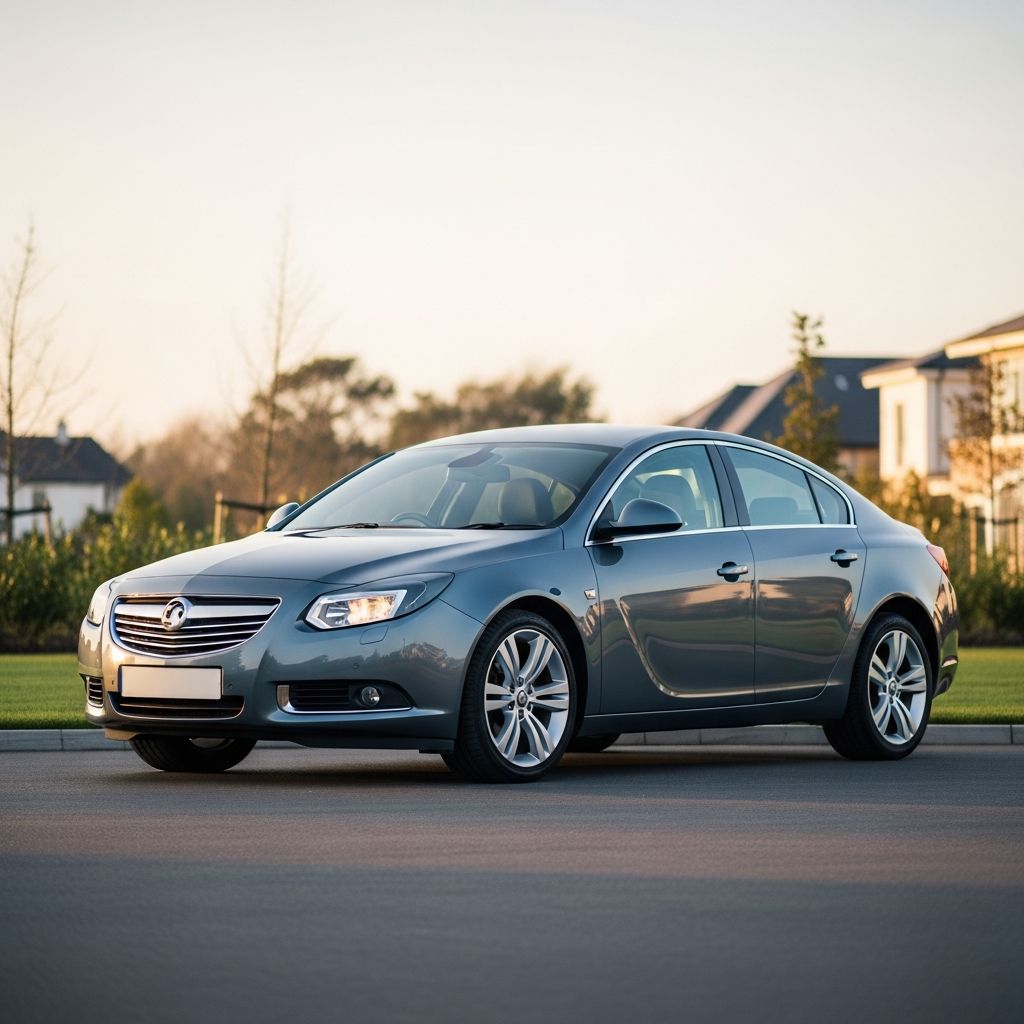
The Vauxhall Insignia Mk1, produced from 2008 to 2017, transformed Vauxhall’s image in the large family car segment. This D-segment contender challenged established rivals with its bold styling, spacious interior and a wide array of powertrains. Available as a hatchback, saloon and estate (Sports Tourer), it offered versatility for families, company drivers and even performance enthusiasts. Its 2009 European Car of the Year award underscored its blend of comfort, efficiency and value, making it a compelling used option today.
Design and Practicality Highlights
The Insignia’s exterior featured a sleek, aerodynamic profile with a distinctive grille and swept-back headlights, giving it a premium feel uncommon in Vauxhall’s lineup at the time. The hatchback measured around 4.8 meters long, providing ample boot space—up to 530 liters in the hatch and over 1,500 liters with seats folded in the Sports Tourer. Rear legroom was generous, though headroom could feel tight for taller passengers in the hatchback.
Inside, the cabin impressed with high-quality plastics, supportive seats and intuitive controls. Higher trims added leather upholstery, dual-zone climate control and advanced infotainment post-2013 facelift. The facelift refreshed the front end with sharper LED headlights, a bolder grille and improved suspension for better ride comfort.
- Key practicality perks: Massive estate boot, flexible seating, optional panoramic roof.
- Family-friendly touches: ISOFIX points, wide-opening doors, low loading sill.
Powertrain Options: From Frugal Diesels to Hot Hatches
The Insignia Mk1 boasted an extensive engine lineup, catering to diverse needs. Petrol options included a base 1.8-liter naturally aspirated unit (140hp), but turbocharged variants like the 1.4-liter (140hp) and 1.6-liter (170hp) delivered punchier performance with better efficiency.
Diesels dominated for their torque and economy. The 1.6-liter CDTi (136hp) was tax-efficient for fleets, while the 2.0-liter CDTi came in 118hp, 158hp and 195hp tunes, with ecoFLEX versions emitting low CO2. Top-tier VXR models packed a 2.8-liter twin-turbo V6 petrol (321hp) or later 2.0-liter turbo (260hp), offering supercar acceleration.
| Engine | Power (hp) | Economy (mpg) | 0-62mph (s) | Best For |
|---|---|---|---|---|
| 1.8 Petrol | 140 | 35 | 11.5 | Budget buyers |
| 1.4 Turbo Petrol | 140 | 47 | 9.5 | Efficient petrol |
| 1.6 CDTi Diesel | 136 | 62 | 11.0 | Fleet use |
| 2.0 CDTi Diesel | 158-195 | 55-62 | 9.0-8.5 | Everyday driving |
| 2.8 VXR Petrol | 321 | 25 | 6.4 | Performance |
Transmissions ranged from 6-speed manuals to 6-speed autos, with 4WD available on select 2.0-liter and VXR models—ideal for towing or wet roads. The 2013 facelift introduced a refined 2.0-liter diesel (118hp) and Country Tourer variant with raised suspension.
Performance and Driving Experience
Everyday Insignias prioritized comfort over sportiness. The 2.0 CDTi diesel provided effortless overtaking with 350Nm torque, achieving 0-62mph in under 9 seconds while sipping fuel at 55+ mpg. Ride quality was plush, absorbing bumps well, though body roll was evident in corners.
Petrol turbos like the 1.4 offered lively responses without excessive thirst. The VXR stood out with its Quattro-like 4WD grip, sharp steering and thunderous exhaust, hitting 60mph in 6.4 seconds—but at a fuel penalty. Post-facelift tweaks to steering and dampers enhanced stability.
Handling was competent, not class-leading; rivals like Ford Mondeo edged it dynamically, but the Insignia’s serene motorway manners shone.
Trim Levels and Equipment Breakdown
Vauxhall offered a ladder of trims from basic to loaded:
- ES: Air-con, cruise, ESP, electric mirrors—solid starter spec.
- Exclusiv: Climate control, alloys, better audio.
- SRi: Sports suspension, 17-inch wheels, privacy glass for sportier vibe.
- SE/Elite: Parking sensors, xenon lights, leather, nav in Elite Nav.
- VX-Line/VXR: 19-inch alloys, aggressive bodykit, performance brakes.
Options like ergonomic seats (highly recommended for long trips) and touch-screen infotainment (post-facelift) boosted appeal.
Running Costs and Ownership Realities
Low running costs defined the Insignia’s success. Diesel ecoFLEX models achieved 60+ mpg and sub-120g/km CO2, slashing company car tax. Road tax ranged from £0-£210 annually.
Petrols were thirstier: 1.8 at 35mpg/£230 tax, turbos better at 39-47mpg. VXR guzzled at 25mpg/£500 tax. Insurance groups were reasonable (10-30), and parts affordability kept servicing cheap.
Depreciation hit hard new but stabilizes used prices at £2,000-£8,000 today. Reliability was mixed—diesels robust if serviced, but watch for DPF issues, timing chains and electrics. Annual servicing: £200-£400.
Reliability and Common Issues
The Insignia scored averagely in surveys, with strong engines but niggles like:
- Timing chain wear on 2.0 diesels (pre-2013).
- DPF clogging in short-trip diesels.
- Infotainment glitches, AC failures.
- Flexpipe exhaust cracks on V6.
Buy with full service history; post-2013 models improved. Expect 150,000+ miles from well-kept examples.
Buying Advice: Top Recommendations
Best for economy: 2.0 CDTi ecoFLEX SRi—frugal, torquey daily driver.
Best equipped: 1.6 CDTi Elite Nav—luxury without excess.
Best fun: VXR SuperSport—raw power for enthusiasts.
Avoid base 1.8 petrols; prioritize diesels or turbo petrols. Target 2013+ facelifts, 4WD for towing (up to 2,000kg). Test drive for clutch bite, turbo lag and suspension noise. Budget £4,000-£6,000 for a solid 2014 diesel auto.
Insignia vs Rivals
| Model | Strengths | Weaknesses |
|---|---|---|
| Ford Mondeo | Sharper handling | Higher costs |
| BMW 3-Series | Premium dynamics | Expensive repairs |
| Skoda Octavia | Cheaper, reliable | Less space |
The Insignia undercut premiums on price while matching space and efficiency.
Frequently Asked Questions (FAQs)
Is the Vauxhall Insignia Mk1 reliable?
Generally yes for diesels with maintenance; common fixes are affordable.
What’s the best engine for towing?
2.0 CDTi 4WD—strong torque, up to 2,000kg braked.
How fuel-efficient is it?
Diesels hit 55-62mpg; petrols 35-47mpg.
Any models to avoid?
Early 1.8 petrols and pre-2013 2.0 diesels without chain updates.
What’s a fair used price?
£3,000-£10,000 depending on year/mileage/trim.
References
- Used Vauxhall Insignia Sports Tourer guide: 2009-2017 (Mk1) — CarBuyer. 2023. https://www.carbuyer.co.uk/tips-and-advice/154748/used-vauxhall-insignia-sports-tourer-guide-2009-2017-mk1
- Used Vauxhall Insignia (Mk1, 2008-2017) review — Ashbocking Autos. 2023-01-07. https://ashbockingautos.co.uk/2023/01/07/used-vauxhall-insignia-mk1-review/
- Used Vauxhall Insignia (Mk1, 2008-2017) review — Auto Express. 2022-01-27. https://www.autoexpress.co.uk/vauxhall/insignia/99275/used-vauxhall-insignia-mk1-2008-2017-review
- Opel Insignia — Wikipedia. Accessed 2026. https://en.wikipedia.org/wiki/Opel_Insignia
Similar Articles


Read full bio of medha deb