Used Kia Sorento: Complete Buyer’s Guide
Everything you need to know about purchasing a pre-owned Kia Sorento SUV
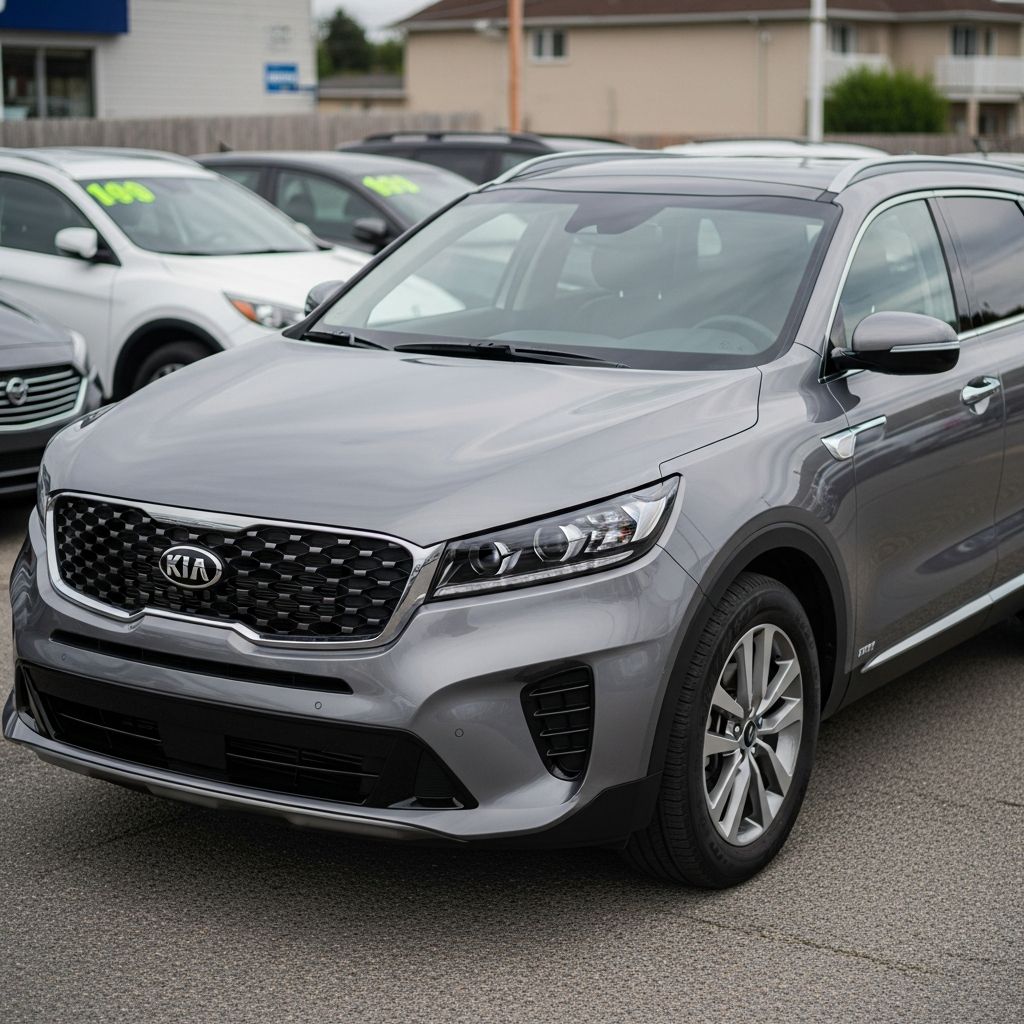
Used Kia Sorsorento: A Practical Guide to Finding Your Next Family SUV
The used vehicle market offers numerous options for families seeking affordable three-row SUVs, and the Kia Sorento has emerged as a compelling choice for budget-conscious buyers. This versatile midsize SUV bridges the gap between compact and full-size models, delivering practical seating, modern features, and reasonable operating costs. However, navigating the used Sorento market requires understanding model generation differences, engine reliability histories, and which years offer the best value proposition.
Understanding the Sorento’s Market Position and Appeal
The Kia Sorento occupies a unique market segment, offering genuine three-row seating in a package smaller than traditional full-size SUVs. This positioning makes it particularly attractive to families who need occasional extra passenger capacity without the fuel consumption penalties of larger vehicles. The model’s depreciation curve, while steeper than some competitors, translates into significant savings for used buyers. What many prospective owners appreciate most is the generous feature set available at each price point—Kia has consistently packed these vehicles with technology, comfort amenities, and safety systems that rival more expensive competitors.
The second-generation Sorento, which launched in 2011, introduced the optional third-row seat and fundamentally changed how buyers perceived the model. This feature alone shifted the vehicle’s appeal dramatically, particularly among growing families seeking affordable solutions. Subsequent generations refined this concept, improving comfort and usability in ways that directly impact daily ownership satisfaction.
Engine Specifications and Performance Characteristics
The Sorento’s engine lineup has evolved considerably across different model generations, with each offering distinct advantages and considerations for used buyers.
Base and Turbocharged Four-Cylinder Options
Earlier Sorento models typically featured a 185-horsepower 2.4-liter four-cylinder engine paired with a six-speed automatic transmission. This powerplant delivers adequate performance for daily driving but lacks the refinement and efficiency of later turbocharged variants. The 2.4-liter turbo four-cylinder, rated at 240 horsepower, represents a meaningful step up in capability, providing genuine acceleration while maintaining reasonable fuel economy expectations.
Modern Sorento models offer a 281-horsepower turbocharged four-cylinder engine standard on higher trim levels. This engine delivers strong acceleration and commendable fuel efficiency for its output. However, the dual-clutch automatic transmission paired with this engine can produce low-speed vibrations that some drivers find noticeable during parking lot maneuvers or heavy traffic.
V6 Engine Performance and Reliability
The 3.3-liter V6 engine stands out as a particular highlight in the Sorento lineup, particularly in 2016-2020 model years and later iterations. This engine produces 290 horsepower in earlier applications, running smoothly and quietly with responsive acceleration. Owners consistently praise V6 models for combining reliability with satisfying performance. Remarkably, both the base four-cylinder and the optional V6 typically achieve approximately 20 miles per gallon in real-world driving conditions, making the V6 an exceptional value proposition when available.
Hybrid Powertrain Considerations
The 2021 redesign introduced a 1.6-liter turbocharged hybrid engine offering pleasantly powerful performance after an initial launch delay. This option provides quieter operation, more comfortable ride characteristics, and superior fuel efficiency compared to traditional engines. However, the hybrid variant remains front-wheel drive only, unlike gas-powered engines which offer all-wheel drive configurations.
Engine Reliability Issues: What Buyers Must Know
Understanding the Sorento’s reliability history is essential for making an informed purchase decision. Specific engine generations have experienced well-documented problems that significantly impact ownership costs and vehicle availability.
The 2.4-Liter Theta II Engine Problems
Second-generation Sorento models from 2011-2015, particularly those equipped with the 2.4-liter Theta II engine, experienced widespread mechanical failures. These engines plagued owners with knocking noises, stalling issues, excessive oil consumption, and in severe cases, complete engine failure sometimes occurring before 100,000 miles. Kia initially addressed this through a lifetime engine replacement warranty for original owners willing to have a special knock sensor installed. However, this warranty does not transfer to second owners, reverting to a standard 15-year/150,000-mile coverage. The 2013 and 2014 model years were similarly affected, with engine complaints continuing despite some mechanical refinements.
Improved Reliability in Later Models
Significant improvements emerged with the 2016 redesign and subsequent model years. The 3.3-liter V6 engine proved particularly reliable, supported by superior ride quality and notably improved interior construction. The 2019 model year represented another reliability milestone, featuring updated styling, comprehensive safety systems including lane-keeping assistance and forward collision warning, plus a quieter, more composed driving experience. Most importantly, 2019 and later models successfully escaped the engine problems that plagued earlier generations.
Model Year Recommendations and Value Assessment
Selecting the right model year significantly impacts long-term satisfaction and ownership costs.
Premium Choice: 2021 and Newer Models
Buyers seeking maximum value without compromising on modern safety, technology, and mechanical reliability should target 2021 or newer Sorento models. These benefit from the comprehensive redesign that introduced contemporary styling, updated powertrains, and advanced driver assistance systems. While prices remain higher than older alternatives, the cost differential proves worthwhile for peace of mind regarding mechanical reliability and feature availability.
Budget-Conscious Alternative: 2016-2020 Range
The 2016-2020 model years provide an acceptable value proposition for budget-conscious buyers. These vehicles represent the second major redesign, delivering a significantly more refined and functional experience compared to earlier generations. The 3.3-liter V6 engine in these years proved exceptionally reliable, and the overall interior quality marked a substantial improvement over previous iterations. Pricing typically ranges between $16,000 and higher depending on mileage and condition.
Years to Approach Cautiously: 2011-2015
Second-generation Sorento models from 2011-2015 represent the least attractive used purchase option. While the styling appeared appealing and pricing remained reasonable, the widespread Theta II engine defects made these years problematic. The engine issues remained prevalent enough that buying a used second-generation Sorento carries substantial risk, particularly for second owners unable to access original warranty coverage.
Seating Configuration and Interior Practicality
The Sorento’s three-row seating arrangement functions as a primary selling point, but practical usability varies by model year and trim level.
Modern Sorento models come standard with three rows of seating in either six- or seven-passenger configurations. Upper trim levels typically feature the six-passenger layout with individual captain’s chairs in the second row, prioritizing comfort for front and middle-row occupants. The third row provides genuine usability for adults in recent model years, a substantial improvement over earlier iterations where adult comfort was questionable.
Cabin quality has improved markedly across generations. Earlier models featured comfortable seats and easy-to-use controls with comprehensive Bluetooth connectivity. Modern Sorento interiors showcase significantly enhanced materials, intuitive control layouts, quiet operation, and composed suspension tuning that distinguishes premium trim levels.
Warranty Coverage and Long-Term Ownership Considerations
Kia’s warranty program represents one of the brand’s most compelling attributes for used buyers. The 10-year/100,000-mile powertrain warranty provides substantial protection against major mechanical failures. This extended coverage—particularly when compared to typical used vehicle warranties—offers meaningful peace of mind and can substantially reduce ownership costs compared to other brands.
Practical Inspection Guidance for Prospective Buyers
When evaluating a used Sorento, focus inspection efforts on areas most likely to reveal problems:
- Listen for engine knocking or rattling sounds, particularly on 2011-2015 models, which may indicate developing engine issues
- Test low-speed acceleration smoothness to identify potential dual-clutch transmission vibration issues on newer turbocharged models
- Verify all three rows operate smoothly, particularly the rear row latch and seat folding mechanisms
- Request complete service records to document regular maintenance adherence
- Confirm recall status and verify completion of any outstanding service bulletins
- Test all infotainment features and climate control zones, which represent complicated systems prone to occasional malfunction
- Inspect the third-row seating condition carefully, as this area frequently shows wear if regularly occupied
Feature and Technology Assessment
The Sorento consistently delivered substantial feature content across generations. Lower trim levels typically included standard Bluetooth connectivity, smartphone integration, and accessible infotainment systems. Higher-grade models offered comprehensive connectivity options, advanced in-car communications, and refined control interfaces that remained intuitive despite their capability. Recent model years introduced modern driver assistance technologies including lane-keeping assistance and forward collision warning systems.
Performance Characteristics and Driving Experience
The Sorento’s driving dynamics balance practicality with engaging performance. Handling remains secure across model generations, though ride character varies by year and suspension configuration. Older models sometimes exhibited slightly stiff suspension tuning, while modern Sorento variants achieve more refined, family-friendly ride composure without sacrificing handling confidence.
Off-road capability exists but represents a secondary consideration. Some earlier models featured low-range gearing and part-time four-wheel drive systems, enabling basic off-road competency. However, the Sorento prioritizes on-road versatility over serious terrain capability. Engaging and disengaging four-wheel drive required stopping on older models, an inconvenience addressed through improved systems in newer variants.
Fuel Efficiency and Operating Costs
Real-world fuel economy typically ranges from 17 miles per gallon on older V6 models to approximately 20 miles per gallon when combining highway and city driving. Modern turbocharged engines deliver improved efficiency, while the hybrid variant offers substantially better consumption rates. Budget accordingly for fuel costs, particularly on older high-mileage examples that may experience degraded efficiency.
Common Questions About Used Sorento Ownership
- What constitutes a fair price for a used Sorento?
- Pricing varies significantly by model year, mileage, trim level, and regional market conditions. Recent model years (2019 and newer) with moderate mileage typically command $20,000-$30,000+, while 2016-2018 models range from $12,000-$20,000. Earlier models should price substantially lower, around $8,000-$15,000.
- Should I prioritize the V6 engine or accept a turbocharged four-cylinder?
- The V6 offers superior refinement, quieter operation, and fuel economy parity compared to base four-cylinders. If available in your target model year, the V6 represents superior value. Modern turbocharged engines provide adequate performance with better efficiency.
- How reliable are 2011-2015 Sorento models truly?
- Engine reliability concerns represent a genuine risk. While not every vehicle experiences problems, the statistical likelihood of engine issues significantly exceeds later model years. Only purchase if pricing is dramatically reduced and you accept the higher repair risk.
- What specific maintenance expenses should I anticipate?
- Regular maintenance follows typical SUV patterns: oil changes, air filter replacement, transmission service, and coolant flushes. Expect $1,500-$2,500 annually in maintenance. The extended warranty provides substantial protection against major repairs.
- Is the third-row seating practical for daily use?
- Modern Sorento third rows accommodate adults adequately, though comfort remains limited for extended journeys. For occasional use and child transport, the configuration works well. Regular adult transport requires consideration of larger three-row alternatives.
Final Recommendations for Potential Buyers
The used Kia Sorento represents a practical midsize SUV choice for families prioritizing value and feature content over premium brand prestige. Focus purchasing efforts on 2019 and newer models when possible, accepting the higher acquisition cost in exchange for proven reliability and modern technology. If budget constraints necessitate older models, 2016-2018 options represent reasonable compromises, particularly V6-equipped examples. Avoid 2011-2015 second-generation models unless pricing reflects their elevated engine failure risk substantially.
The Sorento’s three-row seating, generous feature set, and Kia’s extended warranty combine to create compelling value in today’s used SUV marketplace. With careful model year selection and thorough pre-purchase inspection, a used Sorento can provide years of reliable, economical family transportation.
References
- Kia Sorento Buying Guide: Cost, Reliability, and the Best Years to Buy — CarGurus. Accessed April 2026. https://www.cargurus.com/Cars/articles/kia-sorento-buying-guide
- Kia Sorento — Consumer Reports. Accessed April 2026. https://www.consumerreports.org/cars/kia/sorento/
- Best Kia Sorento Years to Buy Used — Autotrader. Accessed April 2026. https://www.autotrader.com/car-shopping/best-kia-sorento-years-buy-used
- Best & Worst Years of the Kia Sorento — YouTube. Accessed April 2026. https://www.youtube.com/watch?v=H6J7G-5RSCY
- Used Kia Sorento Buying Guide — Alan Jay Automotive Network. Accessed April 2026. https://www.alanjay.com/research/detail/used-kia-sorento-buying-guide
Similar Articles





Read full bio of Sneha Tete