Buying a Used Ford Transit: What You Need to Know
Complete guide to purchasing a pre-owned Ford Transit van with reliability insights
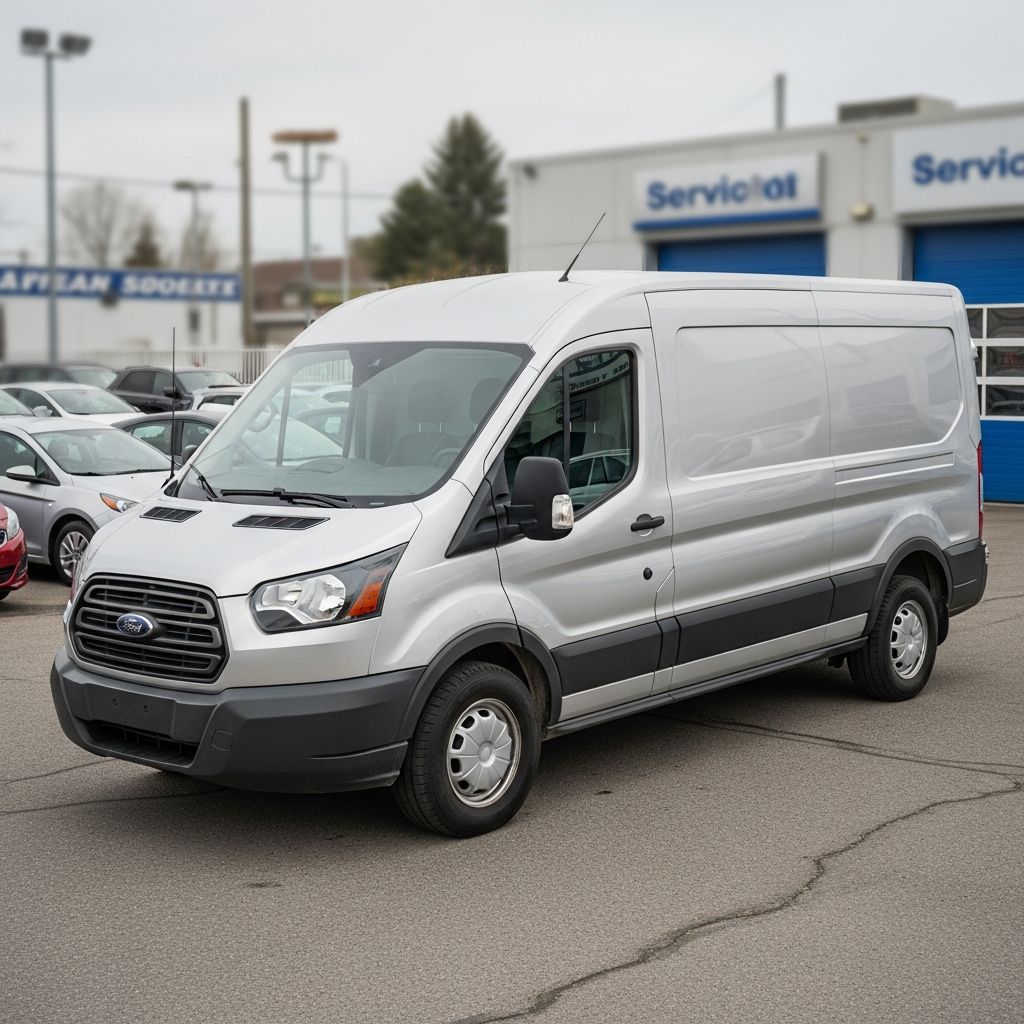
The Ford Transit stands as one of the most popular commercial and personal-use vans available in the market today. Whether you’re considering it for business operations, recreational conversion, or general transportation needs, understanding the ins and outs of purchasing a used model can save you considerable time and expense. This comprehensive guide examines the critical factors you should evaluate when shopping for a pre-owned Ford Transit, from identifying the best production years to conducting thorough pre-purchase inspections.
Understanding Ford Transit Market Positioning
The Ford Transit occupies a unique position in the commercial vehicle segment, offering versatility that appeals to both business operators and private buyers. Its reputation for durability and cargo capacity makes it a popular choice in the used market. However, like any vehicle with a long production history, certain model years offer superior reliability and performance compared to others. Before committing to a purchase, it’s essential to research which generations and specific years provide the best balance of dependability, performance characteristics, and long-term value retention.
The Most Dependable Model Years to Consider
When evaluating used Ford Transit vans, certain production periods have established themselves as more reliable than others. The 2018 through 2021 model years represent a significant turning point in Transit reliability, featuring improved engines, more robust transmission systems, and enhanced electronic components. These vehicles benefit from Ford’s accumulated knowledge about the platform while incorporating modern manufacturing techniques that reduce defects and mechanical failures.
Moving into more recent years, the 2022 through 2024 models represent the latest iteration with proven drivetrains and cutting-edge electronics. These newer examples carry the advantage of comprehensive warranty coverage and represent the culmination of refinements made to the platform over decades of production. Many used examples from these years remain within manufacturer warranty periods, providing additional peace of mind for buyers.
Earlier models, particularly those manufactured before 2015, often display greater wear in critical drivetrain components and suspension systems. While these vehicles can still provide years of service when properly maintained, they require more thorough pre-purchase inspections and realistic expectations about potential repair costs. The engineering improvements introduced in subsequent model years represent meaningful advances in reliability and longevity.
Longevity Expectations and Maintenance Requirements
Ford Transit vans are engineered to withstand the demands of heavy commercial use, and many examples routinely exceed 250,000 miles when maintained according to manufacturer specifications. This exceptional longevity potential appeals to cost-conscious buyers seeking vehicles that can provide decades of reliable service. However, achieving this level of durability requires commitment to systematic maintenance and responsible operating practices.
The difference between a Transit that reaches 100,000 miles and one that surpasses 250,000 miles often comes down to maintenance discipline. Before purchasing any used Transit, carefully review the service history to identify patterns of neglect or inconsistent upkeep. Look specifically for evidence of regular oil changes performed at appropriate intervals, brake system maintenance, fluid flushes, and component replacements as needed. A comprehensive service history documents the care invested in the vehicle and provides valuable insight into its condition.
Buyers should understand that a used Transit represents an ongoing commitment to maintenance. Budget for regular inspections, fluid changes, filter replacements, and wear item service. Commercial-grade vehicles like the Transit can accumulate mileage quickly, and staying ahead of maintenance prevents catastrophic failures and extends the vehicle’s useful lifespan significantly.
Performance Characteristics and Driving Dynamics
The Ford Transit delivers a driving experience notably refined for a vehicle of its size and purpose. The suspension tuning favors compliance over handling agility, creating a comfortable environment during extended driving sessions. This characteristic proves particularly valuable for operators who spend significant time behind the wheel, as the smoother ride quality reduces driver fatigue compared to stiffer commercial vehicle suspensions.
Engine options available across the Transit lineup provide flexibility to match power requirements with duty cycles. Turbocharged powerplants deliver respectable acceleration and pulling capability, though fuel consumption reflects the vehicle’s mass and aerodynamic profile. Real-world testing demonstrates combined fuel economy in the 13 to 17 miles-per-gallon range depending on drivetrain configuration and engine selection, with highway driving typically yielding slightly better efficiency than mixed or urban use.
The cabin environment strikes a balance between commercial utility and passenger comfort. The dashboard design, adapted from Ford’s Explorer platform, incorporates convenient storage solutions and ergonomic positioning of primary controls. Interior noise levels remain controlled relative to other work vehicles, contributing to a less fatiguing driving environment. Seating comfort exceeds typical commercial vehicle standards, featuring supportive cushioning that reduces discomfort during long work days.
Cargo and Interior Configuration Options
The flexibility of the Transit platform allows customization to specific operational needs. Various roof heights, wheelbase lengths, and cargo area configurations exist, enabling buyers to select dimensions appropriate for their intended use. This modularity represents one of the Transit’s strongest selling points, as a single platform can be adapted for diverse applications.
The cargo area accommodates substantial payloads while maintaining structural integrity. Internal dimensions vary based on configuration selected, but all versions provide generous storage space relative to the vehicle’s external footprint. Some operators benefit from deleting the front passenger seat in certain applications, maximizing utilization of available space for cargo or equipment installation.
Climate control, electrical systems, and shelving solutions can be factory-installed or added through aftermarket specialists. This adaptability means purchasing a used Transit at a base price point doesn’t necessarily mean accepting limited functionality—owners can modify vehicles to match evolving requirements over time.
Common Issues and Potential Problem Areas
While Ford Transit vans generally establish strong reliability records, certain concerns warrant attention during the used vehicle purchasing process. Transmission functionality has been flagged as an occasional issue in some model years, requiring thorough test driving and mechanical inspection to verify smooth operation. Listen carefully for harsh shifts, hesitation, or unusual sounds during acceleration and deceleration.
Electrical systems on older examples sometimes develop intermittent faults, particularly affecting accessories like radio and entertainment components. These issues typically don’t compromise vehicle operation but can prove annoying during ownership. Verify that all electrical systems function as intended during your inspection process.
Seat construction defects triggered significant recall campaigns on certain model years, though these issues rarely affect vehicle reliability or safety in practical terms. Nevertheless, verify that seat mechanisms operate smoothly and that upholstery shows no signs of premature deterioration.
Steering and suspension components should be evaluated carefully, particularly on higher-mileage examples. Have a qualified technician inspect these systems for wear and proper alignment. Early identification of developing issues prevents safety concerns and unexpected repair expenses.
Inspection Checklist for Used Transit Purchase
Before making a financial commitment, conduct a methodical inspection covering all critical systems:
- Verify complete service history documentation and cross-reference maintenance intervals with manufacturer specifications
- Examine engine condition including fluid levels, visible leaks, and corrosion indicators
- Test all transmission shifts under various driving conditions and load states
- Evaluate suspension smoothness, checking for clunking noises or excessive movement
- Inspect brake system components including pad thickness and rotor condition
- Verify electrical system functionality including lighting, wipers, and instrument panel operation
- Check tire condition and verify alignment appears correct
- Inspect roof, seams, and floor areas for water intrusion signs
- Operate all cargo doors and securing mechanisms
- Review maintenance intervals and upcoming service requirements
Evaluating Value and Pricing Considerations
Used Ford Transit pricing reflects mileage, condition, model year, and configuration options. More recent examples and those with lower mileage command premium pricing, particularly if maintenance records demonstrate meticulous upkeep. The specific cargo configuration, engine selection, and available features influence market value significantly.
Compare pricing across multiple listings to establish realistic expectations for your geographic market. Factor in anticipated maintenance and repair costs when calculating total ownership expense, as older examples may require investment in component replacement or restoration sooner than newer models. Don’t focus exclusively on acquisition price—consider total cost of ownership over your intended ownership period.
Frequently Asked Questions
How many miles can I realistically expect from a used Ford Transit?
Well-maintained examples routinely exceed 250,000 miles, with some reaching significantly higher mileage totals. The key factor involves consistent maintenance rather than miles accumulated, as a well-serviced vehicle with substantial mileage typically outperforms a neglected low-mileage example.
Which model years should I avoid when shopping for a used Transit?
While most Transit years offer acceptable reliability, pre-2015 models display greater wear in drivetrain and suspension components. The 2016 model year experienced particular challenges according to some automotive databases, suggesting it warrants extra scrutiny during the evaluation process.
What’s the average fuel economy for used Ford Transit vans?
Expect approximately 13 to 17 miles per gallon depending on driving conditions, engine selection, and drivetrain configuration. Highway driving typically yields better efficiency than mixed or urban use patterns.
Are transmission issues common in used Ford Transit vans?
While not universal, some examples have experienced transmission difficulties. Thorough test driving and pre-purchase mechanical inspection help identify any developing problems before purchase.
Should I buy an extended warranty for a used Ford Transit?
Extended warranty value depends on the vehicle’s age, mileage, and condition. Recent models from reliable years with comprehensive service histories may not need additional coverage, while older or higher-mileage examples could benefit from extended protection.
Making Your Final Decision
Purchasing a used Ford Transit represents a significant financial commitment that should follow careful evaluation and deliberation. Focus on identifying examples from the more reliable production years, verify comprehensive maintenance documentation, and invest in professional pre-purchase inspection. The Ford Transit’s reputation for durability and versatility makes it an excellent choice when purchased wisely, offering years of dependable service for the right buyer.
References
- 2026 Ford Transit Review, Pricing, and Specs — Car and Driver. 2026. https://www.caranddriver.com/ford/transit
- Ford Transit Reliability: Long-Term Vanlife Pros & Cons — The Van Smith. https://thevansmith.com/blogs/beginners-guide-to-the-vanlife/are-ford-transit-vans-reliable
- Which Years Of Used Ford Transit Vans Are Most Reliable? — CoPilot. https://www.copilotsearch.com/posts/most-reliable-year-model-of-the-ford-transit-van/
- 2019 Ford Transit 250 Van Consumer Reviews & Ratings — Kelley Blue Book. https://www.kbb.com/ford/transit-250-van/2019/consumer-reviews/
Similar Articles






Read full bio of Sneha Tete