Used Ford Kuga Mk2 (2012-2019) Guide
Discover why the second-generation Ford Kuga remains a solid choice for budget-conscious families seeking a reliable, driver-focused SUV on the used market.
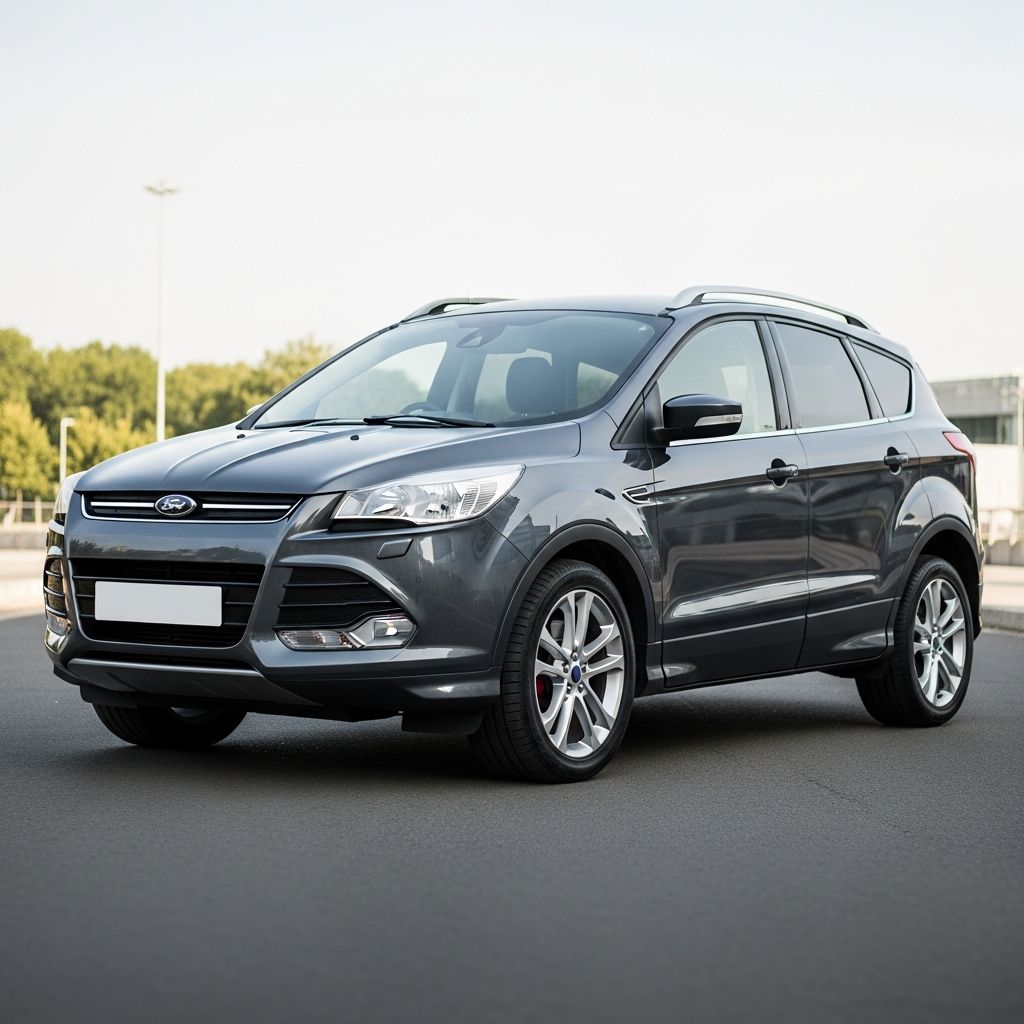
The second-generation Ford Kuga, produced from 2012 to 2019, stands out as a compelling option in the used mid-size SUV segment. This model built on the success of its predecessor by emphasizing car-like handling and family-friendly features, making it ideal for those who prioritize driving enjoyment over rugged off-road prowess. While it shows its age compared to newer rivals, well-maintained examples offer excellent value, blending style, space, and performance.
Overview of the Ford Kuga Mk2
Launched in 2012, the Mk2 Kuga marked Ford’s push into the competitive family SUV market with a vehicle that felt more like an elevated hatchback than a traditional 4×4. Its design drew inspiration from the European Ford Focus, resulting in sharp styling and responsive road manners. Available in front-wheel-drive or all-wheel-drive configurations, it catered to urban commuters and occasional adventurers alike. Production ran until 2019, with a mid-cycle facelift in 2016 refreshing the tech and safety features.
Today, these Kugas are plentiful on the used market, often priced affordably due to high production volumes. They appeal to families needing a practical daily driver with enough flair to stand out. However, potential buyers should weigh its dated interior against modern alternatives.
Design and Exterior Highlights
The Kuga’s exterior boasts a sleek, athletic profile with a bold grille, sculpted headlights, and rising beltline that give it a dynamic stance. Post-facelift models (2016-2019) received updated bumpers and LED lighting for a more contemporary look. Wheel sizes ranged from 17 to 19 inches, with sportier ST-Line variants adding aggressive skirting and larger alloys.
Dimensions measure approximately 4.52 meters in length, 1.84 meters wide, and 1.68 meters tall, striking a balance between maneuverability and presence. Ground clearance of around 190mm handles light trails or snowy roads, but it’s no off-roader— the AWD system shines in wet UK conditions or when towing up to 2,100kg braked.
Interior Comfort and Practicality
Step inside, and the cabin welcomes with supportive seats and a driver-centric dashboard. Front passengers enjoy ample legroom and headroom, while the rear accommodates three adults reasonably, with ISOFIX points on outer seats. Materials feel sturdy but plasticky, a common critique as they haven’t aged gracefully.
Cargo space totals 456 liters with seats up, expanding to 1,653 liters folded—decent but trailing class leaders like the VW Tiguan. A powered tailgate was optional on higher trims, easing loading. The 2016 facelift introduced the superior SYNC 3 system with an 8-inch touchscreen, supporting Apple CarPlay and Android Auto.
- Passenger space: Excellent for adults front and rear.
- Boot capacity: Functional for family gear, though not class-best.
- Storage: Deep door bins and a large glovebox.
Engine Lineup and Performance
Ford offered a diverse powertrain selection, balancing efficiency and power. Petrol options included the 1.6 EcoBoost (150hp or 182hp) and later 1.5 EcoBoost (120hp or 150hp). Diesels dominated sales: 2.0 TDCi in 120hp, 150hp, and 180hp tunes, with mild-hybrid tech on some post-facelift units.
| Engine | Power | 0-62mph | Economy (mpg) |
|---|---|---|---|
| 1.5 EcoBoost Petrol | 150hp | 9.7s | 45 |
| 2.0 TDCi Diesel | 150hp | 10.2s | 60 |
| 2.0 TDCi Diesel AWD | 180hp | 9.8s | 55 |
Diesels deliver the best real-world economy, often exceeding 50mpg on motorways. The AWD variants add grip without much penalty. Transmissions include a slick six-speed manual or Powershift auto, with the latter improving post-2016.
Handling is a highlight: precise steering and balanced chassis make it fun on twisty B-roads, outperforming softer rivals. Ride quality is composed, though 19-inch wheels can feel firm over potholes.
Technology and Safety Features
Base models came with air-con, Bluetooth, and cruise control. Higher trims and the facelift added adaptive cruise, lane-keeping aid, blind-spot monitoring, and Active City Stop for low-speed collision avoidance. All included tyre pressure monitors and stability control.
SYNC 3 transformed usability with intuitive menus, sat-nav, and voice commands. Safety earned a five-star Euro NCAP rating in 2012, bolstered by options like traffic sign recognition.
Trims and Equipment Levels
Key trims evolved over the years:
- Zetec: Alloys, parking sensors, DAB radio.
- Titanium: Climate control, keyless entry, rear camera.
- ST-Line (post-2016): Sports seats, body kit, performance brakes.
- Vignale: Luxury leather, adaptive LEDs.
Even entry levels feel well-specced today.
Reliability and Ownership Costs
In surveys, the Kuga ranked mid-pack: 43rd in Driver Power 2019 new car poll, 35th used. Strengths include brakes, infotainment, seats, and ride; weaknesses are fuel economy and running costs. Common issues: Powershift gearbox hesitations (early models), diesel DPF clogs if not driven hard, and minor electrics.
Expect £5,000-£15,000 for a 2015-2018 model. Insurance groups 15-25, road tax £30-£190/year. Servicing is affordable via Ford’s network.
Pros and Cons at a Glance
- Pros: Engaging drive, spacious for passengers, strong equipment, efficient diesels.
- Cons: Dated cabin plastics, smaller boot, average reliability.
Buying Tips for Used Kuga Shoppers
Target facelift models for better tech. Check service history, especially for DPF and timing belt (diesels pre-2016). Test Powershift for smooth shifts. Inspect suspension bushes and underbody for corrosion. AWD examples suit towing or winter driving.
Alternatives: VW Tiguan (roomier), Honda CR-V (reliable), or Seat Ateca (sharper).
Frequently Asked Questions (FAQs)
Is the Ford Kuga Mk2 reliable?
Average reliability; diesels fare best with regular maintenance. Avoid neglected early autos.
What’s the best engine for a used Kuga?
150hp 2.0 TDCi manual—efficient and punchy.
How much boot space does it have?
456-1,653 liters, suitable for family use.
Is AWD worth it?
Yes for traction in bad weather; FWD suffices otherwise.
What’s the facelift like?
2016 update brings SYNC 3, more safety tech, and refined styling.
References
- Used Ford Kuga (Mk2, 2012-2019) review — Auto Express. 2021-10-21. https://www.autoexpress.co.uk/ford/kuga/100544/used-ford-kuga-mk2-2012-2019-review
- Ford Kuga (2013 – 2019) Expert Rating — The Car Expert. 2025-02. https://www.thecarexpert.co.uk/ford-kuga-2013/
- Is the Ford Kuga the best used family SUV? — Motors.co.uk (YouTube). Accessed 2026. https://www.youtube.com/watch?v=EKGdIQXeeXg
Similar Articles


Read full bio of medha deb