Guide to Buying a Used Ford Ka: Value and Performance
Explore what makes the Ford Ka an intelligent choice for budget-conscious buyers
Understanding the Used Ford Ka: A Practical Guide for Budget Buyers
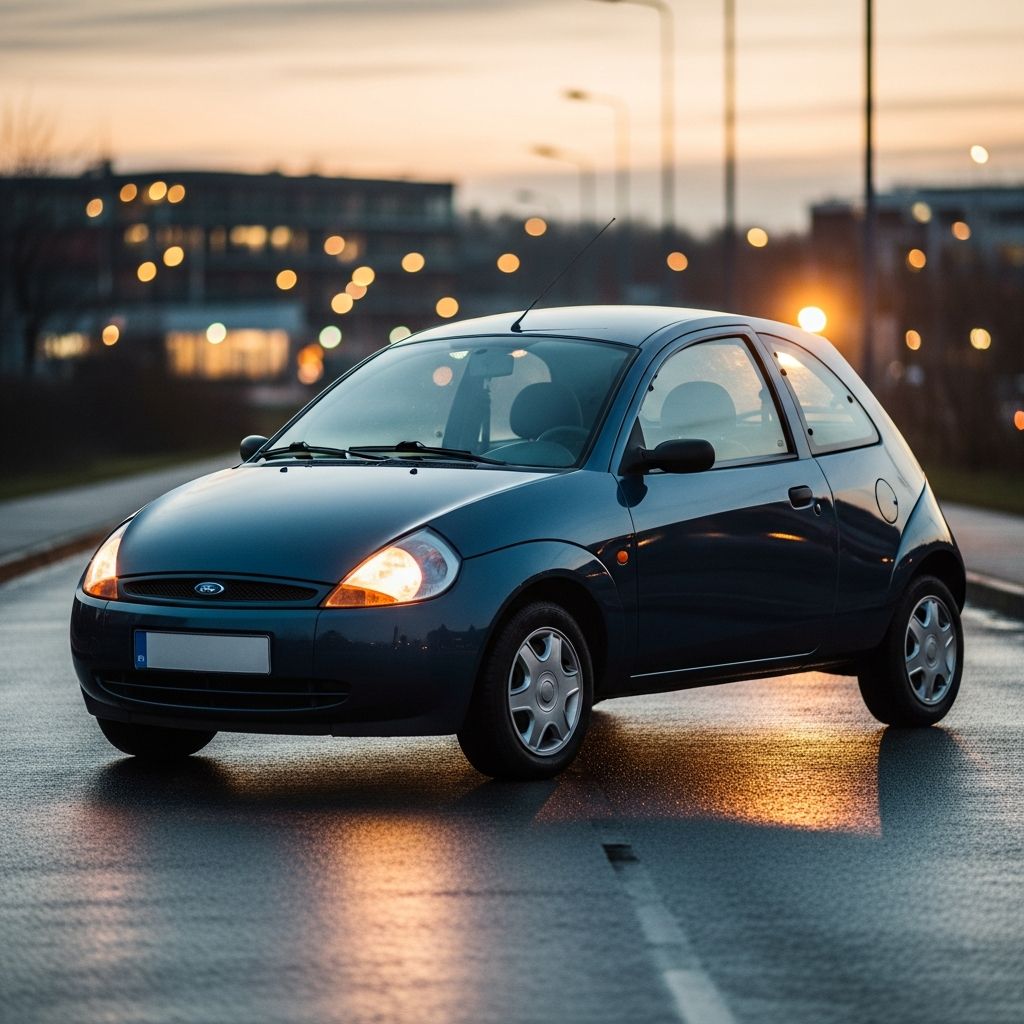
The Ford Ka represents a unique proposition in the used car market, occupying a sweet spot between affordability and practicality. Originally launched as a distinctly quirky city car, subsequent generations refined the formula while maintaining its core appeal to drivers seeking economical urban transport. For buyers exploring the pre-owned market, understanding the Ka’s characteristics across different model years becomes essential for making an informed purchasing decision.
Why the Ford Ka Remains a Compelling Used Purchase
The appeal of a used Ford Ka extends beyond its entry-level price point. These vehicles embody a philosophy of delivering genuine value rather than cutting corners on essential engineering. The second-generation Ka, produced from 2009 onwards, inherited a more conventional approach than its predecessor while retaining the attributes that made the original model beloved by owners.
What distinguishes the Ka from other budget options lies in its combination of affordability, reliability, and driving engagement. The vehicle manages to deliver a rewarding driving experience without resorting to trendy features or unnecessary complications. For those commuting through congested city streets or navigating smaller roads, the Ka offers proportionate performance and manageable dimensions.
The running costs associated with Ka ownership remain genuinely modest. Fuel consumption figures consistently impress for a petrol-powered vehicle, while insurance premiums stay reasonable due to the car’s modest performance outputs and straightforward construction. Service costs follow Ford’s reasonable pricing structure, and spare parts remain widely available through an extensive dealer network.
Engine Selection and Performance Characteristics
Understanding the powertrain options available is crucial when evaluating a specific used Ka. The model lineup traditionally emphasized simplicity, avoiding excessive engine variety that might complicate the buying decision.
Petrol Engine Performance
The standard petrol engine proved the most popular choice among Ka buyers, and for good reason. The 1.2-litre petrol unit delivers adequate performance for urban driving while maintaining impressive fuel efficiency. This engine combines modest power output with reliable torque delivery characteristics suited to stop-start city motoring. The lightweight construction of the Ka itself means even this modest engine never feels underpowered during typical usage patterns.
Driving dynamics improve noticeably with the petrol option. The engine revs freely and responds predictably to throttle inputs, creating an engaging connection between driver and machine. Refinement levels remain respectable, though wind noise becomes apparent during extended motorway travel. For drivers prioritizing an enjoyable driving experience, the petrol engine represents the optimal choice.
Diesel Engine Considerations
While diesel variants exist in the Ka lineup, these warrant careful consideration before purchase. The heavier diesel powerplant fundamentally alters the driving character, negating much of the agility for which the Ka became known. The additional weight of diesel construction impacts the vehicle’s normally responsive handling and reduces the feeling of nimbleness through curves.
Beyond dynamic considerations, diesel Kas prove less free-revving than their petrol counterparts, creating a sluggish sensation during acceleration phases. Buyers selecting diesel variants primarily value fuel economy and extended range capabilities. However, the real-world economic advantage often fails to justify the compromise in driving enjoyment, particularly for typical city car usage patterns involving shorter journeys and frequent stop-start conditions.
Interior Space and Practical Capabilities
City cars necessarily operate within dimensional constraints, yet the Ka’s second generation demonstrates clever packaging that maximizes available space. Front seat accommodation proves genuinely comfortable, with ample headroom and legroom for average-build occupants. Taller drivers may experience some limitation, but not to a degree that makes the Ka unsuitable for regular use.
Rear passenger space represents the inevitable compromise of city car design. While the three-door configuration limits rear access convenience, the actual seating area accommodates adults on shorter journeys without excessive discomfort. Two passengers of substantial height can occupy the back seats without their knees contacting the front seats—a notable achievement for this vehicle class.
Storage Solutions and Luggage Capacity
The Ka’s designers invested considerable thought into storage arrangement, creating numerous practical solutions throughout the cabin. Door pockets provide immediate access to small items, while various cubbies distribute throughout the interior offer homes for personal effects. The front glove box design warrants specific mention—despite appearing limited in the instrument panel, it cleverly expands to reveal substantial hidden storage capacity.
The boot measures 224 litres, which adequately handles grocery shopping and everyday transport needs. Folding the rear seats expands capacity for larger items, though the rigid body shape imposes limits on particularly bulky cargo. For typical city car usage involving shopping, gym equipment, or modest weekend trips, the Ka provides sufficient practical capability.
Driving Experience and Road Dynamics
The Ford Ka delivers surprising driving engagement for a vehicle positioned at the budget end of the market. Light, responsive steering creates an immediate connection with the road surface, enhancing the sense of control and communication. The suspension tuning balances comfort with composure, absorbing minor road imperfections without the wallowy sensation sometimes found in other compact vehicles.
Ride quality demonstrates particular competence over broken urban surfaces. Potholes and surface irregularities receive dignified absorption rather than being transmitted through the chassis to occupants. This refined characteristic suggests engineering maturity beyond the entry-level price point.
On twisty road sections, the Ka exhibits confident handling characteristics with adequate grip for spirited driving. The modest power output means high-speed cornering happens at proportionate velocities, but the available adhesion and balanced weight distribution allow drivers to exploit the available performance margin. For city car standards, the handling envelope proves satisfying and responsive.
Wind noise becomes noticeable during motorway cruising, a characteristic shared with many vehicles in this class. The engine note remains audible but not objectionable. Vibration transmission remains minimal, suggesting careful attention to engine mounting and isolation during the design phase.
Reliability and Ownership Experience
Ford’s positioning of the Ka within their product lineup meant the vehicle inherited proven mechanical components and engineering validated across numerous platforms. The second-generation design demonstrates the benefits of engineering maturity, drawing on lessons from higher-volume models.
Owner surveys provide insight into real-world reliability experiences. The second-generation Ka achieved respectable rankings in Driver Power surveys, indicating that owners reported satisfactory experiences with mechanical dependability and build quality. While the newer Ka+ generation lacks comparable survey history, Ford’s established reputation for producing reliable compact vehicles provides reasonable confidence in mechanical soundness.
Parts availability remains straightforward given Ford’s extensive dealer network and the widespread use of standardized components. Service costs align with Ford’s transparent pricing structure, avoiding the premium charges sometimes associated with specialist suppliers.
Fuel Economy and Running Costs Evaluation
Prospective Ka buyers frequently prioritize the economics of ownership, and the vehicle delivers genuine results in this department. Official fuel consumption figures consistently impress, with real-world testing frequently confirming claimed efficiency. Combined cycle figures often exceed 50 miles per gallon during typical mixed driving, with motorway journeys potentially achieving even more impressive results.
CO2 emissions remain modest, reflected in reasonable vehicle tax costs. Insurance premiums stay competitive due to the Ka’s modest performance outputs and broad consumer familiarity. Road tax for vehicles registered after April 2017 follows standard vehicle tax rates, while pre-2017 models may benefit from lower tax bands.
Maintenance requirements follow conventional patterns, with scheduled servicing at reasonable intervals. Brake fluid, coolant, and spark plug replacements occur at extended intervals characteristic of modern vehicles. Tire replacement represents one of the more significant routine costs, with standard tire sizes widely available at competitive prices.
Comparing Model Generations
The Ford Ka has undergone significant evolution since its original launch, with distinct generations offering different characteristics and appeal to various buyer segments.
The Original Ka Legacy
The first-generation Ka, produced during the 1990s and early 2000s, established the model’s quirky character and enthusiast following. This generation prioritized driving enjoyment and nimble urban performance, establishing a loyal customer base that remains influential in current buying decisions.
Second-Generation Refinement
The 2009 redesign introduced a more conventional approach, abandoning the original’s distinctive styling in favor of a proportion more recognizable as a scaled-down family hatchback. Despite reduced visual distinctiveness, the second generation delivered genuine improvements in practicality, comfort, and refinement. The driving character evolved toward comprehensiveness rather than raw enthusiasm, though the essential appeal remained intact.
The Ka+ Modern Iteration
Arriving in 2016, the Ka+ represented Ford’s attempt to demonstrate technological and dimensional advancement. Dimensionally a foot longer than its predecessor, the Ka+ offered improved spaciousness alongside contemporary styling. However, the non-turbocharged petrol engine failed to inspire comparable enthusiasm to competitor offerings, particularly turbocharged units available in rival vehicles.
Practical Purchasing Considerations
Mileage and Age Factors
When evaluating specific used examples, mileage figures warrant interpretation through the lens of actual usage patterns. City cars typically accumulate miles through stop-start driving in congested conditions, which places different demands on mechanical components than equivalent mileage from motorway travel. A Ka with 60,000 miles from primarily local use may represent different mechanical stress than the same mileage from extended motorway commuting.
Service History Documentation
Comprehensive service records provide valuable reassurance regarding maintenance compliance and potential mechanical issues. Vehicles with consistently documented servicing typically represent safer purchases than those with sparse maintenance records, regardless of overall mileage figures.
Equipment and Specification Levels
The Ka traditionally featured a simplified specification structure. Basic models provide core transportation functionality, while higher trim levels introduce convenience features like power steering, air conditioning, and auxiliary input connectivity. More recent Ka+ examples may include parking sensors and heated mirrors as optional additions. Identifying which features matter for your intended usage helps narrow specification preferences.
Realistic Expectations for Used Ka Ownership
Understanding what the Ka delivers within its market segment supports satisfaction during ownership. These vehicles prioritize fundamental transportation functionality, affordability, and efficiency rather than aspirational features. Buyers expecting luxury ambiance or cutting-edge technology will experience disappointment. However, those seeking reliable, economical urban transport with engaging driving dynamics will find their expectations consistently met.
The Ka succeeds through engineering integrity and purposeful design rather than extensive equipment lists. This philosophy delivers tangible benefits through lower purchase costs, modest running expenses, and straightforward maintenance requirements.
Frequently Asked Questions
What engine sizes are available in used Kas?
The petrol engine typically displaces 1.2 litres, producing modest horsepower suitable for city driving. Diesel variants exist but compromise the driving experience and refinement characteristics that define Ka ownership.
How many seats does the Ka provide?
The three-door configuration accommodates five passengers: two front occupants and three in the rear. Rear space limits comfortable occupancy for longer journeys, making the Ka better suited for shorter urban trips or emergency rear seating.
What fuel consumption should I expect?
Real-world fuel economy typically exceeds 50 miles per gallon in mixed driving, with motorway journeys potentially achieving higher figures. Official figures provide guidance, though actual consumption varies based on driving style and road conditions.
Is the Ka suitable for motorway driving?
The Ka handles motorway conditions capably, though wind noise becomes noticeable at sustained higher speeds. The modest engine means motorway cruising occurs at proportionate velocities, but the Ka provides adequate capability for occasional longer journeys.
What warranty or protection should I seek?
Purchasing from reputable dealers typically includes short-term warranty coverage. Independent surveys and pre-purchase inspections provide valuable protection, identifying potential mechanical issues before commitment.
References
- Ford Ka Review (2009-2016): Road-tested Guide — Cinch UK. Accessed April 2026. https://www.cinch.co.uk/used-cars/ford/ka/review
- Used Ford Ka Review and Buyer’s Guide — Auto Express. Accessed April 2026. https://www.autoexpress.co.uk/ford/ka/100159/used-ford-ka-review
- Ford Ka+ Used Car Review and Analysis — Solent Renegades Car Club. Accessed April 2026. https://www.solent-renegades.co.uk/threads/used-ford-ka-review.43740/
- Ford KA 2009-2016 Used Car Evaluation — Honest John Motor Forum. Accessed April 2026. https://www.honestjohn.co.uk/forum/post/index.htm?t=50628
Similar Articles






Read full bio of medha deb