Comprehensive Used Ford Fusion Purchase Guide
Navigate the used Ford Fusion market with expert insights on model generations, reliability, and pricing strategies.
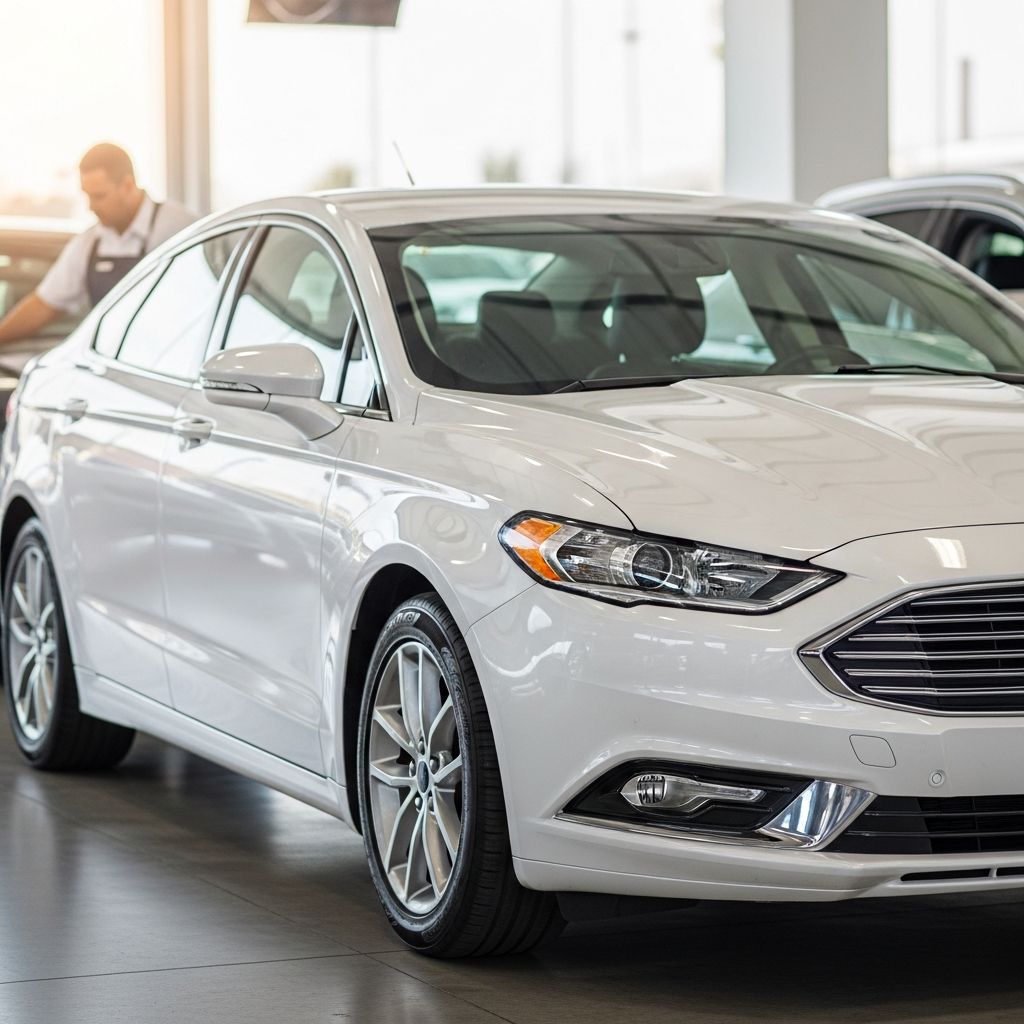
The Ford Fusion sedan has established itself as a competitive player in the midsize sedan market since its introduction in 2006. With nearly 15 years of production history and two complete generational cycles, the used market presents numerous opportunities for budget-conscious buyers seeking a dependable family vehicle. Understanding the nuances of each generation, recognizing common maintenance pitfalls, and evaluating pricing strategies are critical steps in securing a quality pre-owned Fusion that meets your specific needs.
Understanding Ford Fusion Generation Evolution
The Ford Fusion’s development spans two distinct generations, each representing significant technological and stylistic advancements. The first generation (2006-2012) established the Fusion’s foundation with practical engineering and accessible pricing. The second generation (2013-2020) introduced comprehensive redesigns that modernized both aesthetics and functionality, setting new standards for the midsize sedan segment.
The original Fusion lineup began with three distinct trim configurations designed to appeal to different buyer demographics. The base S model emphasized affordability with essential amenities including a 2.3-liter 4-cylinder engine, fundamental climate control, and basic audio capabilities. The SE trim represented the sweet spot for many buyers, incorporating 16-inch alloy wheels, rear styling accents, and enhanced interior appointments. The SEL positioned itself as the premium offering within the first generation, featuring leather upholstery and automatic dual-zone climate management systems.
In 2007, Ford expanded the first-generation lineup by introducing all-wheel drive capability for V6-equipped models and incorporating enhanced safety equipment including front-seat side airbags and full-length side-curtain protection. The company simultaneously expanded entertainment options through satellite radio integration and introduced an optional DVD-based navigation interface, features that were considered cutting-edge during that era.
Major Milestone Years and Technological Progression
Several model years represent critical junctures in the Fusion’s evolutionary timeline. The 2008 model year introduced standardized anti-lock braking systems and tire-pressure monitoring across all trim levels, alongside optional Ford SYNC multimedia integration. A new Sport Appearance Package emerged during this period, featuring distinctive 18-inch wheels and a more responsive suspension tuning for drivers seeking enhanced performance characteristics.
The 2011 model year, though relatively modest in revisions, introduced Ford’s MyKey technology and expanded transmission capabilities through a manual shift mode option. These refinements addressed driver preferences identified through market research and competitive analysis.
The complete redesign arriving with the 2013 model year fundamentally transformed the Fusion’s market positioning. This generation embraced a more contemporary exterior appearance, expanded interior dimensions, and introduced a completely reimagined technological framework. Engine options diversified significantly, with a powerful 240-horsepower turbocharged 2.0-liter unit at the upper end, a more economical 1.6-liter turbocharged variant, and a substantially improved hybrid alternative utilizing lithium-ion battery technology.
By 2017, Ford integrated the SYNC 3 infotainment system, a transformative upgrade that enabled seamless smartphone integration through Apple CarPlay and Android Auto compatibility. This development substantially enhanced the Fusion’s appeal to technology-oriented consumers and improved its competitive standing against newer model competitors.
The 2019 model year refresh represented another significant milestone, introducing Ford Co-Pilot360 Protect across all trim levels. This comprehensive driver assistance suite incorporated automatic emergency braking, sophisticated blind-spot monitoring, and advanced lane-keeping assistance features that markedly improved overall safety characteristics.
Reliability Considerations and Generation Comparisons
Reliability records vary considerably between Fusion generations. The first generation earned a reputation for below-average repair frequency and elevated maintenance expenses, making careful inspection procedures essential when evaluating pre-owned models from 2006-2012. First-generation transmission systems, in particular, require scrutiny during the purchasing process.
The second generation (2013-2020) demonstrated substantially improved reliability metrics, with most model years garnering favorable assessments from major automotive research organizations. However, early hybrid and plug-in hybrid variants (2013-2015) exhibited specific mechanical vulnerabilities that necessitate professional evaluation. Transmission reliability improved meaningfully starting with the 2016 model year, following engineering refinements that addressed earlier generation concerns.
According to automotive reliability databases, the 2019 and 2020 model years represent the most dependable options within the used Fusion market, combining comprehensive feature sets, minimal wear patterns typical of newer vehicles, and documented reliability performance that consistently exceeds earlier production years.
Hybrid and Plug-in Hybrid Variant Evaluation
Since 2013, Ford has offered hybrid powertrain alternatives within the Fusion lineup, with lithium-ion battery technology delivering EPA-estimated combined fuel economy ratings reaching 41 miles per gallon. The plug-in hybrid variant, designated as the Energi model, provides an all-electric driving range that expanded from 22 miles in earlier production runs to 25 miles by the 2019 model year, significantly enhancing utility for urban commuters.
Prospective buyers considering hybrid or Energi models should mandate comprehensive vehicle inspections performed by hybrid-certified technicians at authorized Ford dealerships. This specialized evaluation ensures battery system integrity, proper charging system functionality, and identification of any potential degradation patterns. Plug-in hybrid models require particular attention to charging cable conditions and associated equipment, as replacement costs for these components can exceed acceptable repair parameters.
Transmission Options and Manual Transmission Availability
The first-generation Fusion S trim offered manual transmission capability, appealing to driving enthusiasts valuing direct control and mechanical engagement. This transmission option largely disappeared in subsequent generations as automatic systems gained sophistication and consumer preferences shifted toward convenience-oriented automatic configurations. Modern buyers seeking a more engaged driving experience may find first-generation manual models particularly attractive, though their scarcity in the current used market presents sourcing challenges.
Depreciation Patterns and Pricing Strategy
Ford Fusion vehicles experience pronounced depreciation during their initial two to three years of ownership, a pattern consistent with automotive industry trends. By the five-year mark, it is not unusual for a Fusion to have depreciated to approximately half of its original purchase price. Understanding these depreciation trajectories enables more informed budgeting decisions and helps buyers identify genuine value opportunities within the market.
The most advantageous value propositions typically emerge in the 2016-2019 model year window, where depreciation has substantially reduced pricing while vehicles remain relatively new, feature-rich, and mechanically sound. This segment balances affordability with contemporary technology integration and documented reliability records.
Interior Dimensions and Passenger Accommodation
The second-generation Fusion established itself as an exceptionally spacious midsize sedan offering. The rear seating area provides 38.3 inches of legroom, positioning it competitively against segment rivals and accommodating tall passengers with genuine comfort. The trunk capacity of 16 cubic feet in the second generation represents a meaningful increase from first-generation specifications, facilitating weekend getaways and regular cargo hauling requirements.
Interior design philosophy emphasizes functionality alongside aesthetic appeal. Standard appointments across trim levels include front bucket seating configuration, remotely operable keyless entry systems, multi-position steering wheels with telescopic and tilt functionality, intuitive cruise control interfaces, and flexible rear seating configurations featuring 60/40 split-fold capability that maximizes versatility.
Trim-Level Features and Equipment Progression
First-generation S trim models incorporated modest equipment packages centered on essential functionality. SE variants introduced alloy wheel upgrades, keyless entry convenience, powered driver seating adjustments, and rear spoiler styling accents that enhanced visual appeal. SEL models positioned at the premium end included leather upholstery, dual-zone automatic climate management, and upgraded audio systems with enhanced speaker count and audio clarity.
Second-generation trim stratification expanded considerably. Higher-tier Platinum and Titanium variants offered luxury-comparable feature sets including upgraded infotainment systems, full-grain leather seating surfaces, rain-responsive windshield wiper systems, climate control zoning for enhanced passenger comfort, automatic high-beam switching, integrated Wi-Fi connectivity, and available power moonroof installations. The introduction of SYNC 3 in 2017 unified the technology experience across trim levels, bringing contemporary smartphone integration and voice control functionality to a broader customer base.
Safety Equipment Evolution and Driver Assistance Systems
Safety technology integration accelerated dramatically through the Fusion’s production timeline. The 2019 model year refresh introduced Ford Co-Pilot360 Protect comprehensive safety suite as standard equipment across all trim levels, representing a notable commitment to occupant protection and accident prevention. This integrated system combines automatic emergency braking capabilities, sophisticated blind-spot information systems, and lane-keeping assistance that intervenes when the vehicle drifts unintentionally.
Earlier second-generation models progressively introduced these technologies as optional or higher-trim features, including adaptive cruise control systems that maintain preset following distances, active parking assistance utilizing backup camera integration, and forward-collision warning systems that provide audio and visual alerts of potential impact scenarios. This technology progression means newer used Fusions offer markedly improved active safety characteristics compared to earlier production runs.
Handling Dynamics and Chassis Engineering
The second-generation Fusion represented a substantial improvement in driving dynamics compared to its predecessor. Engineers implemented a stiffened chassis architecture that dramatically reduced body flex during cornering maneuvers, enhancing both safety characteristics and driving confidence. Four-wheel independent suspension geometry combines responsive handling with genuine ride comfort across varied road surfaces.
Dimensional specifications reflect thoughtful engineering optimization. The 107-inch wheelbase provides excellent weight distribution and stability, while overall length of 190.2 inches and width of 72.2 inches position the Fusion comfortably within the midsize sedan category. Strategic positioning of the C-pillar maximizes rear-seat legroom without compromising overall vehicle proportions, resulting in a package that balances interior space with manageable dimensions for urban parking scenarios.
Engine Options Across Generation Timelines
First-generation Fusions utilized proven 2.3-liter 4-cylinder engines as the baseline powerplant, with optional V6 variants providing enhanced performance for drivers prioritizing acceleration and towing capability. These conventional engines delivered predictable reliability and proven durability characteristics.
The second-generation shift toward turbocharged efficiency delivered 240-horsepower from the 2.0-liter turbocharged unit, while the 1.6-liter turbocharged variant provided economical operation for fuel-conscious buyers. These modern powerplants incorporated direct fuel injection, variable valve timing, and sophisticated engine management systems that balanced performance with environmental responsibility. The hybrid model utilizing lithium-ion battery technology provided remarkable efficiency for city-dwelling commuters prioritizing fuel economy.
Pre-Purchase Inspection Priorities
Comprehensive pre-purchase inspection procedures should include thorough assessment of transmission smoothness, engine performance across the RPM spectrum, and suspension component integrity. Particular attention to transmission behavior when accelerating, decelerating, and shifting through gears provides early warning signs of potential mechanical concerns.
Interior feature functionality testing should encompass all powered components including window regulators, door lock mechanisms, climate control systems, and infotainment displays. Hybrid model inspections require professional technician evaluation of battery health, charging system functionality, and all hybrid-specific components.
Recommended Model Years for Used Purchase
Industry consensus identifies the 2017-2019 model years as optimal choices for used Fusion purchasers. These vehicles incorporate the refined SYNC 3 infotainment platform, comprehensive driver assistance features, substantially improved reliability compared to earlier second-generation models, and competitive pricing reflecting reasonable depreciation from original retail values. The 2019 model year particularly stands out due to the comprehensive Co-Pilot360 Protect safety integration and final-generation production status.
Buyers prioritizing maximum feature content and contemporary technology integration should target 2019-2020 models, recognizing that these final production years concentrated equipment offerings and refined systems based on accumulated production experience. Alternatively, budget-conscious purchasers seeking strong value propositions may identify opportunities in 2013-2016 models, particularly among non-hybrid variants, though these require more rigorous inspection protocols to identify potential maintenance concerns.
Frequently Asked Questions
Is the Ford Fusion a reliable investment for used purchase?
Yes, second-generation Fusions (2013-2020) demonstrate solid reliability particularly for 2016 and newer models. First-generation vehicles require thorough inspection due to below-average repair records. The 2019-2020 model years consistently receive favorable reliability assessments from automotive research organizations.
What are common maintenance concerns with pre-owned Fusions?
First-generation transmission systems warrant scrutiny. Early hybrid models (2013-2015) may exhibit mechanical vulnerabilities requiring professional evaluation. Hybrid-specific components including charging cables on plug-in variants can become expensive repair items if damaged.
Should I consider a hybrid Fusion for used purchase?
Hybrid Fusions offer exceptional fuel economy, making them attractive for high-mileage commuters. However, mandate comprehensive inspection by hybrid-certified technicians at Ford dealerships. The 2016 and newer hybrid models demonstrate improved reliability compared to early variants.
What depreciation expectations should I anticipate?
Fusions typically depreciate to approximately 50% of original value by the five-year mark. The steepest depreciation occurs during the first two to three years. This pattern creates value opportunities in the 2016-2019 model range.
How does the first generation compare to second generation models?
Second-generation Fusions offer significantly improved reliability, contemporary technology, superior interior space, and refined driving dynamics. First-generation models provide budget-friendly entry points but require more thorough inspection protocols and may incur higher maintenance expenses.
References
- Everything You Need To Know When Buying A Used Ford Fusion — Endurance Warranty. 2024. https://www.endurancewarranty.com/vehicle-guides/ford/everything-you-need-to-know-when-buying-a-used-ford-fusion/
- Ford Fusion Buying Guide: Cost, Reliability, and the Best Years to Buy — CarGurus. 2024. https://www.cargurus.com/Cars/articles/ford-fusion-buying-guide
- Buying a Used Ford Fusion? Here’s What to Look For — Car2Sell. 2024. https://car2sell.us/research/detail/used-ford-fusion-buying-guide
- Used Ford Fusion Buying Guide — Jarrett Scott Ford. 2024. https://www.jarrettscottford.com/research/detail/used-ford-fusion-buying-guide
- Ford Fusion Used Car Buyer’s Guide — Autoweb. 2024. https://www.autoweb.com/ford/fusion/car-buying-guides/ford-fusion-used-car-buyer-s-guide-109544
Similar Articles







Read full bio of Sneha Tete