Used BMW X3 (2010-2017) Review
Discover why the second-generation BMW X3 remains a top choice for driving enthusiasts seeking a capable used premium SUV with diesel efficiency.
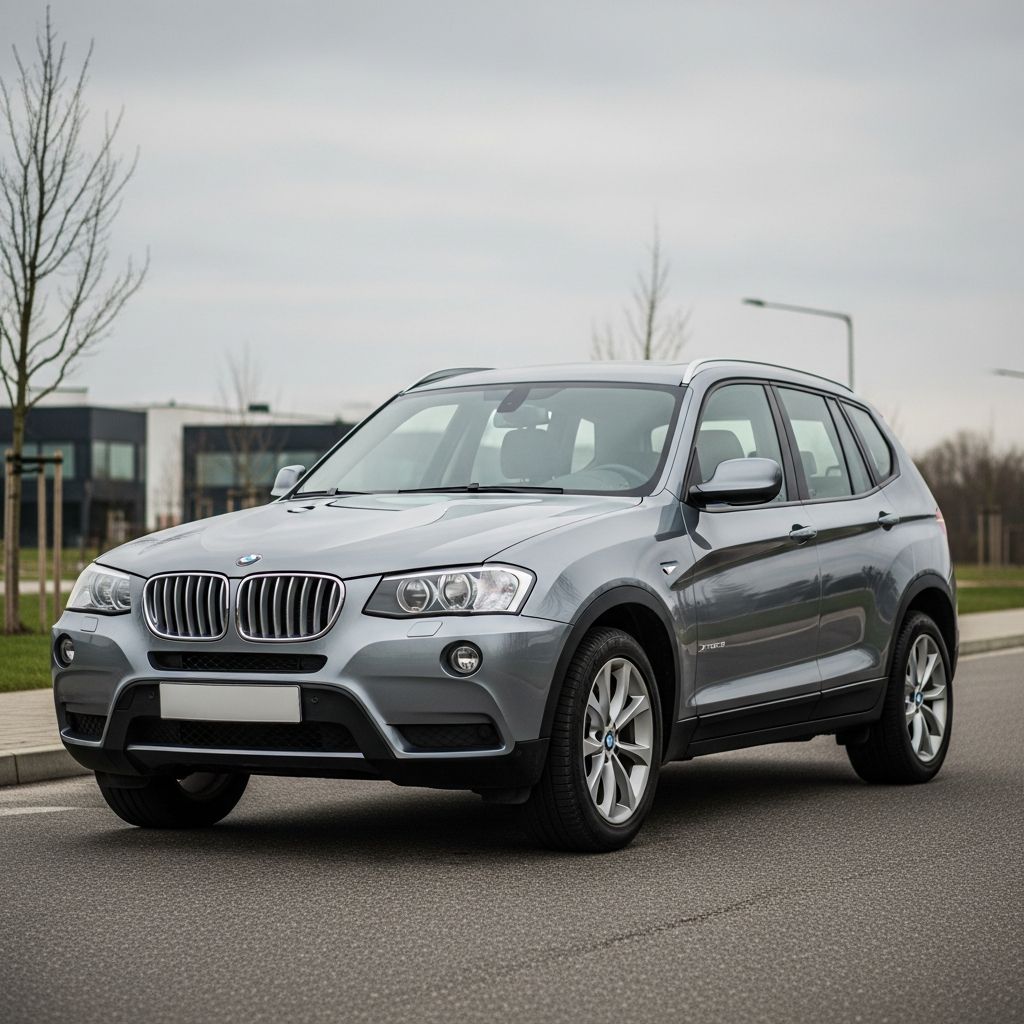
Used BMW X3 (2010-2017) Review: A Driver’s Premium SUV
The second-generation BMW X3, produced from 2010 to 2017, redefined what a compact luxury SUV could offer by prioritizing engaging handling alongside family-friendly practicality. This model stood out in its era for blending sports car-like responsiveness with the versatility of an elevated crossover, making it an appealing option on the used car market even today. While it sacrificed some comfort for agility, its diesel powertrains delivered strong efficiency and torque, ideal for long hauls and everyday use.
Model Background and Evolution
Launched as the F25 generation, the BMW X3 Mk2 arrived in 2010 to replace the boxier first-generation model. It grew slightly in size, gaining a more refined stance with sleeker lines and improved aerodynamics. A mid-cycle refresh in 2014 brought updated styling, including new headlights and taillights, plus refinements to the engines for better noise suppression and efficiency. Available in various trims like SE, xLine, M Sport, and Luxury, it catered to different tastes, from understated elegance to aggressive sportiness.
BMW positioned the X3 as a ‘Sports Activity Vehicle,’ emphasizing its road-focused dynamics over off-road capability. Most variants featured xDrive all-wheel drive, enhancing traction in wet or snowy conditions, though the base model stuck to rear-wheel drive for cost savings. Production spanned seven years, with strong sales reflecting its balance of performance and utility.
Powertrain Options: Diesel Dominance
In the UK market, the X3 Mk2 was exclusively diesel-powered, a choice that prioritized torque-rich acceleration and fuel economy over petrol alternatives available elsewhere. This lineup suited motorway cruisers and towing needs, though it might deter buyers preferring gasoline smoothness.
- 18d: Entry-level 2.0-liter four-cylinder diesel with 148bhp. Adequate for urban duties but labored under hard acceleration; improved refinement post-2014 facelift.
- 20d: Uprated 2.0-liter at 187bhp, paired solely with xDrive. Offered better flexibility for overtaking, with solid mid-range pull.
- 30d: 3.0-liter inline-six diesel producing 255bhp. Smoother and more potent, ideal for families needing effortless power.
- 35d: Top-tier 3.0-liter with 308bhp. Explosive performance, hitting 0-62mph in under six seconds, but thirstier on fuel.
Transmission choices included a slick six-speed manual for 2.0-liter models or an eight-speed automatic across the board, the latter praised for its quick shifts and intuitive paddle control. Real-world economy ranged from 45-50mpg for the 20d to around 40mpg for the six-cylinders, per official figures adjusted for mixed driving.
Driving Experience: Sharp and Engaging
Behind the wheel, the X3 Mk2 excelled with precise steering, flat cornering, and abundant grip, punching above its SUV weight class. Its chassis tuning delivered confidence-inspiring poise on twisty roads, where body roll was minimal thanks to a rigid structure and wide track. The xDrive system subtly distributed power without compromising agility, making it feel planted in all conditions.
However, the firm suspension—stiffer on M Sport models with larger wheels—transmitted road imperfections, particularly over urban potholes. Adaptive dampers, when fitted, offered a softer Comfort mode, but it never rivaled plusher rivals like the Mercedes GLC. Refinement was good, with diesel clatter muted post-facelift, though wind and tire noise intruded at speed.
For light off-road use, xDrive provided enough capability for gravel tracks or snow, but ground clearance and approach angles limited serious adventuring. Overall, it prioritized tarmac thrills, earning accolades as one of the best-handling SUVs of its generation.
Interior Design and Practicality
The cabin impressed with high-quality materials, supportive seats, and a driver-centric layout. Post-facelift models gained iDrive upgrades for easier navigation. Space was generous: 1600 liters max cargo with seats folded, and ample rear legroom for adults. No seven-seat option existed, but the 40/20/40 split-fold seats enhanced versatility.
| Dimension | Measurement |
|---|---|
| Boot Space (seats up) | 495 liters |
| Boot Space (seats down) | 1600 liters |
| Rear Legroom | Good for class |
| Fuel Tank | 67 liters |
Trims varied: base SE focused on essentials, while M Sport added sport seats and body kits. Options like panoramic sunroofs and premium audio elevated luxury.
Ownership Costs and Reliability
Running costs balanced premium aspirations with diesel thriftiness. Insurance groups ranged 28-40, road tax was low for pre-2017 models, and servicing intervals hit 24,000 miles. Six-cylinder variants incurred higher fuel and tax bills. Common issues included timing chain wear on early diesels (addressed post-2014), turbo failures, and xDrive transfer case problems—check service history rigorously.
Resale holds strong due to BMW badge appeal; expect £8,000-£20,000 for low-mileage examples. Annual servicing costs £300-£500, cheaper with independents.
Buying Advice: Top Picks and Pitfalls
Aim for post-facelift 20d xDrive automatics: they combine efficiency (48mpg combined), power, and availability. Inspect for damp carpets (sunroof drains), exhaust issues, and swirl flap deletions on early engines. Full BMW service history is crucial; avoid high-mileage 35ds without proof.
- Best Buy: 2014-2017 20d xDrive M Sport – Balanced performance, refined, plentiful supply.
- Avoid: Pre-2012 18d manuals if towing needed; firmest rides on 20-inch wheels.
Comparisons with Rivals
| Model | Strengths | Weaknesses vs X3 |
|---|---|---|
| Audi Q5 | Smoother ride, quieter | Less engaging handling |
| Mercedes GLC | Plushest interior | Softer dynamics |
| Range Rover Evoque | Stylish, off-road better | Cramped rear, pricier |
The X3 outshone in driver involvement but trailed in comfort.
Frequently Asked Questions (FAQs)
Is the BMW X3 Mk2 reliable?
With proper maintenance, yes—diesels often exceed 150,000 miles. Watch for chain and emissions faults.
Petrol versions in the UK?
No, UK was diesel-only; petrols were Europe/US-specific.
Best engine for economy?
20d achieves 50mpg+ on motorways.
xDrive vs rear-drive?
xDrive standard on most; superior traction without agility loss.
Common problems?
Turbo, injectors, suspension bushes—budget £1,000+ for fixes.
Final Thoughts on Value Today
In 2026’s used market, the X3 Mk2 offers premium thrills at mainstream prices. Its blend of fun, space, and efficiency endures, suiting enthusiasts who value drive over outright luxury. Test drive multiple to gauge ride firmness.
References
- Used BMW X3 (Mk2, 2010-2017) review – What’s it like to drive? — Auto Express. 2017 (approx.). https://www.autoexpress.co.uk/used-car-tests/357043/used-bmw-x3-mk2-2010-2017-review-engines-performance-drive
- Used BMW X3 (Mk2, 2010-2017) review — Auto Express. 2022-01-09. https://www.autoexpress.co.uk/bmw/x3/97575/used-bmw-x3-mk2-2010-2017-review
- Used BMW X3 buying guide: 2010-2017 (Mk2) — Carbuyer. 2023 (approx.). https://www.carbuyer.co.uk/tips-and-advice/154518/used-bmw-x3-buying-guide-2010-2017-mk2
Similar Articles


Read full bio of medha deb