Used BMW X3 (2010-2017) Review
Discover the strengths, weaknesses, and ownership insights for the second-generation BMW X3, a premium SUV blending sporty dynamics with everyday usability.
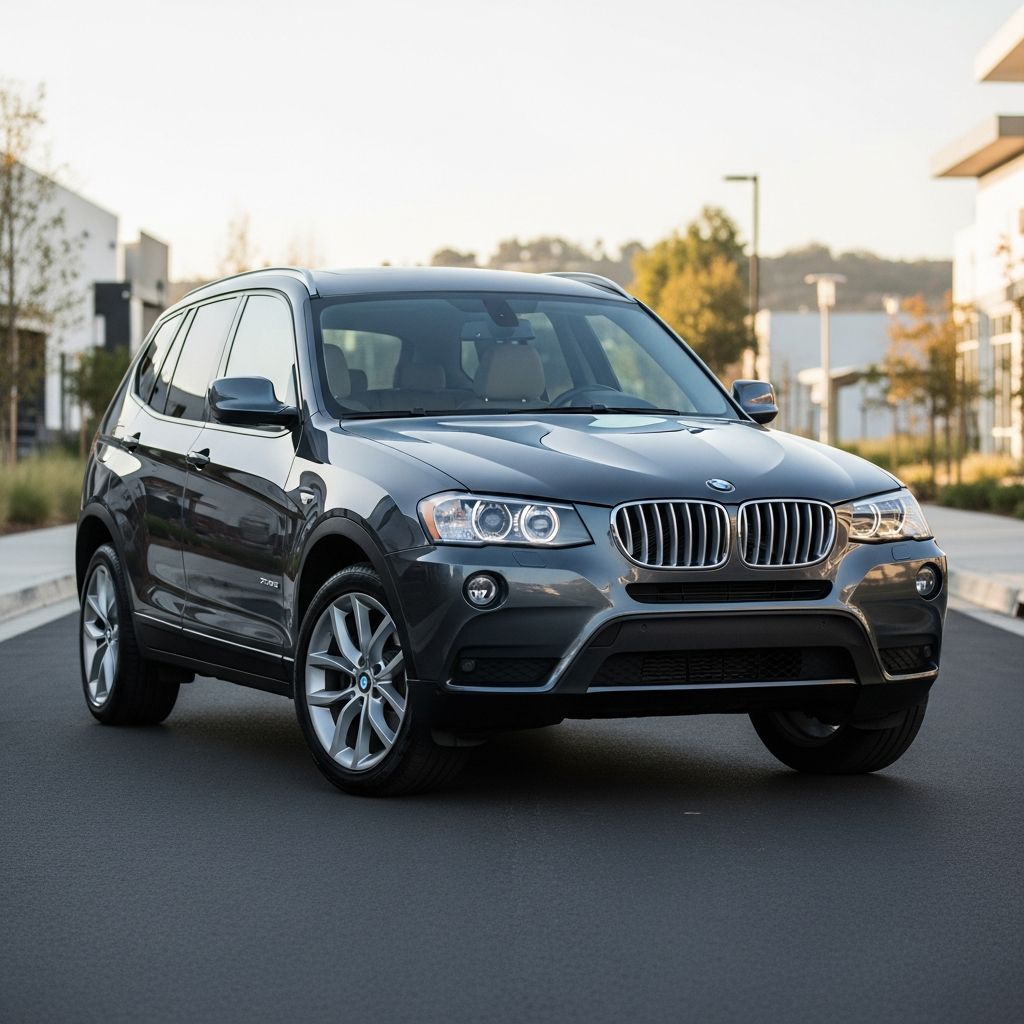
Used BMW X3 (2010-2017) Review: A Premium SUV Worth Considering?
The second-generation BMW X3, produced from 2010 to 2017 and known as the Mk2 or F25 model, stands out in the used premium SUV market for its athletic handling and versatile performance. Owners often highlight its engaging road manners and spacious interior, making it a strong contender for those seeking a blend of luxury and sportiness without venturing into full off-road territory.
Why the BMW X3 Mk2 Captures Attention in the Used Market
This generation of the X3 marked BMW’s shift toward a more car-like SUV, prioritizing dynamic driving over rugged capability. Its compact dimensions—around 4.65 meters long—make it nimble in urban settings while offering ample space for families or gear-hauling needs. Most models feature xDrive all-wheel drive, enhancing traction on slippery surfaces like snow or wet roads, though it sacrifices some traditional 4×4 mud-plugging prowess.
Production spanned seven years with regular updates, including a 2014 facelift that refined the exterior styling and boosted engine efficiency. Today, used examples range from entry-level diesels to high-performance petrol variants, with prices typically starting under £10,000 for higher-mileage cars and climbing to £20,000+ for well-maintained, low-mileage specimens.
Engine Lineup: Power and Efficiency Options
BMW offered a diverse range of engines for the X3 Mk2, catering to various preferences from fuel-sippers to outright performers.
- Petrol Engines: The 20i (184hp turbocharged 2.0L) provides sprightly acceleration for daily use. Stepping up, the 28i (245hp 2.0L) and 35i (306hp 3.0L inline-six) deliver thrilling performance, with 0-62mph times around 5-6 seconds. The range-topping M40d diesel (355hp 3.0L) combines diesel torque with petrol-like pace.
- Diesel Engines: Popular in Europe, the 18d (143hp 2.0L) and 20d (184hp) offer excellent economy (up to 50mpg combined), ideal for high-mileage commuters. The 30d (258hp) and 35d (313hp) add serious pulling power for towing or overtaking.
Transmission choices include a six-speed manual for some models, but the eight-speed automatic dominates, praised for smooth shifts and efficiency.
Driving Experience: Sporty SUV Dynamics
The X3 Mk2 shines on tarmac, with sharp steering and balanced chassis tuning that belies its SUV stature. Reviewers note it feels planted and connected, handling corners with poise thanks to a low center of gravity and optional adaptive suspension. Motorway cruising is refined, with low wind noise and composed ride quality, while city driving benefits from good visibility and a tight turning circle.
Off-road, it’s competent on light trails or winter roads due to xDrive, but lacks low-range gearing or high ground clearance for serious adventures. Braking is strong, though some owners report premature wear on pads and rotors.
Interior Quality and Practicality
Step inside, and the cabin exudes premium feel with durable materials, supportive seats, and a logical layout. Space is generous: rear legroom accommodates adults comfortably, and the 495-litre boot expands to 1,600 litres with seats folded—competitive in class.
Tech includes iDrive infotainment (updated post-facelift), Bluetooth, and optional navigation, though the screen and interface feel dated by modern standards. Common gripes involve creaks from boot lids or doors after years of use, and sat-nav map updates can be tricky to obtain.
| Aspect | Strengths | Weaknesses |
|---|---|---|
| Seating Comfort | Supportive fronts, ample rear space | Firm ride on base suspension |
| Cargo Capacity | 495-1600L expandable boot | No spare wheel in some trims |
| Infotainment | User-friendly iDrive | Outdated graphics, map issues |
Owner Satisfaction and Survey Insights
In Driver Power surveys, the X3 Mk2 consistently ranked well overall—12th to 24th from 2013-2015, and 77th out of 150 in 2016—reflecting strong approval for driving fun and comfort. However, it lagged in specific areas like reliability (92nd in 2016), with 77% of Kelley Blue Book owners recommending the 2017 model. Edmunds users echo this, praising versatility and enjoyment despite minor niggles.
Reliability Overview: Solid but Costly When Issues Arise
The X3 Mk2 earns average reliability marks compared to peers. Consumer Reports rates the 2017 model as about average for its year, with six NHTSA recalls addressing issues like airbags and brakes. Shared components with other BMWs mean many early faults were resolved by mid-cycle.
Yet, high-mileage examples (now common, with many over 100,000 miles) demand diligent maintenance. Annual costs can exceed averages due to premium parts, but proactive servicing mitigates risks.
Common Problems and Maintenance Tips
Buyers should inspect these frequent issues:
- Steering System: Variable sports steering may fail, requiring a costly rack replacement. Test for power assistance loss; BMW may offer goodwill aid post-warranty.
- Brakes: Premature pad/rotor wear, vibrations, or squeaks are reported. Budget for replacements every 30,000-50,000 miles.
- Engine and Leaks: Oil or fuel leaks from seals, accessory belts, or mounts. Turbo diesels can suffer EGR or DPF clogs if neglected.
- Interior Noises: Creaking doors, boot, or parcel shelf—often fixable with lubrication or adjustments.
- Electronics: Battery drain, faulty sensors, or sunroof mechanisms in high-mileage cars.
Service history is crucial: aim for full BMW dealer stamps or specialist records. Check timing chains on N47 diesels (pre-2014), prone to stretching.
Buying Advice: How to Pick a Winner
Target 2014+ facelifted models for refinements and fewer issues. Prioritize:
- Full service history, ideally with receipts.
- Mileage under 80,000 with timing chain checks.
- xDrive models tested in wet conditions for transfer case health.
- Independent inspection for leaks, rattles, and electronics.
Avoid ex-fleet cars without provenance. Budget £1,000-£2,000 yearly for upkeep, more for performance variants.
Costs of Ownership: Fuel, Tax, and Insurance
Diesels shine for economy (45-60mpg), petrols less so (30-40mpg). Road tax varies: pre-2017 diesels £30-£200 annually based on emissions. Insurance groups 28-40 reflect performance. Tyres (225/55 R17 typical) cost £150+ each; expect changes every 25,000 miles.
Trims and Equipment Highlights
SE offers basics like alloys, climate control, cruise. M Sport adds sportier looks, bigger wheels. Options like leather, panoramic roof, or adaptive lights boost appeal but check condition.
FAQ
Is the BMW X3 Mk2 reliable?
Average reliability per surveys, strong in driving satisfaction but watch for steering and brake issues. Regular maintenance is key.
What’s the best engine for used X3 Mk2?
20d diesel for balance of economy and power; 28i petrol for fun without excess costs.
How much does a used X3 Mk2 cost to run?
£1,000+ annually including services, tyres, and potential repairs. Diesels cheaper on fuel.
Any recalls for this model?
2017 had six NHTSA recalls for brakes, airbags—verify fixes via VIN.
Good for families?
Yes, spacious, safe (5-star Euro NCAP), Isofix-equipped.
References
- Used BMW X3 (Mk2, 2010-2017) review — Auto Express. 2021-01-09. https://www.autoexpress.co.uk/used-car-tests/357045/used-bmw-x3-mk2-2010-2017-review-reliability-owner-reviews
- Used BMW X3 buying guide: 2010-2017 (Mk2) — Carbuyer. Accessed 2026. https://www.carbuyer.co.uk/tips-and-advice/154518/used-bmw-x3-buying-guide-2010-2017-mk2
- 2017 BMW X3 Reliability — Consumer Reports. Accessed 2026. https://www.consumerreports.org/cars/bmw/x3/2017/reliability/
- Used 2017 BMW X3 Consumer Reviews — Edmunds. Accessed 2026. https://www.edmunds.com/bmw/x3/2017/consumer-reviews/
- 2017 BMW X3 Consumer Reviews & Ratings — Kelley Blue Book. Accessed 2026. https://www.kbb.com/bmw/x3/2017/consumer-reviews/
Similar Articles




Read full bio of Sneha Tete