Used BMW 1 Series Mk2 (2011-2019) Guide
Discover why the rear-wheel-drive BMW 1 Series from 2011-2019 remains a thrilling used hatchback choice despite its space limitations.
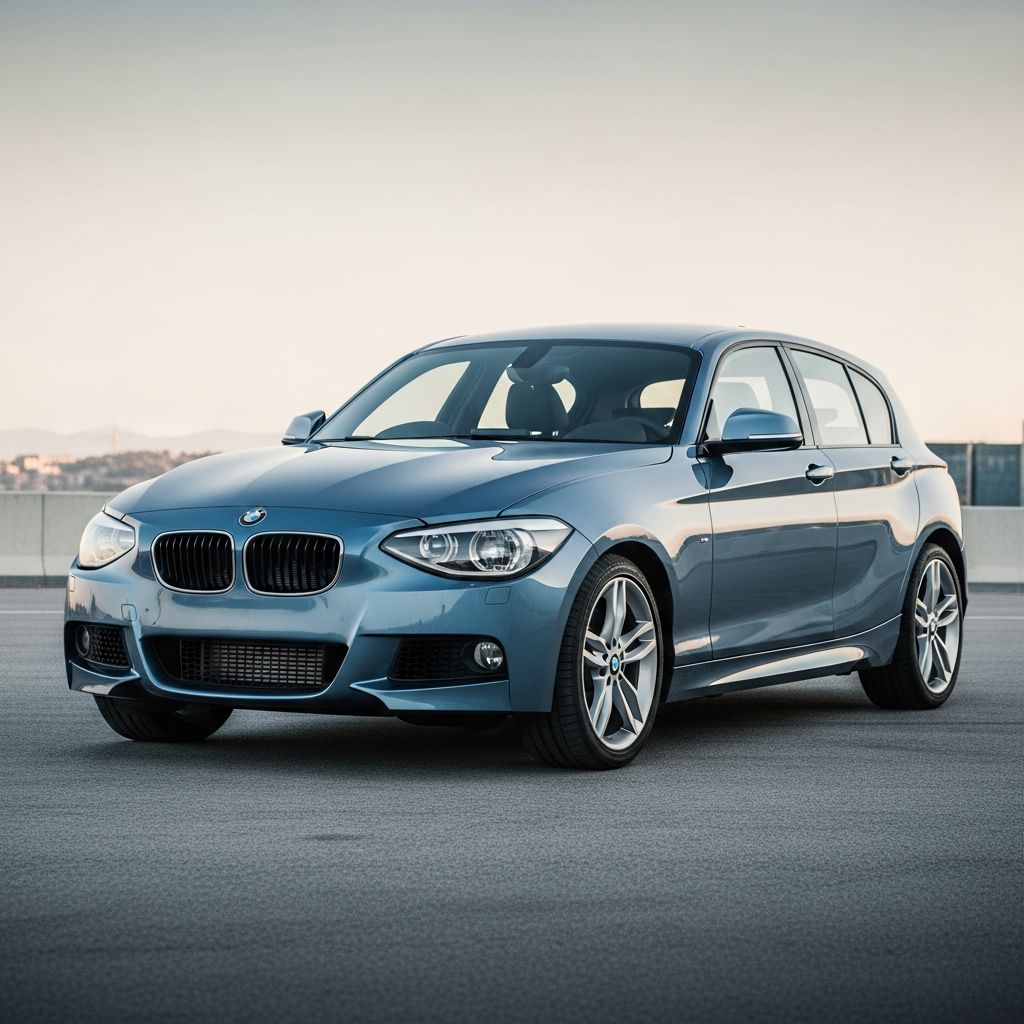
The second-generation BMW 1 Series, produced from 2011 to 2019, stands out in the compact hatchback segment for its rear-wheel-drive layout, delivering superior handling dynamics compared to front-wheel-drive rivals. This model balances sporty performance with everyday usability, making it a compelling option on the used market today.
Overview of the Model Lineup
Launched in 2011, the Mk2 1 Series built on the foundations of its predecessor with refined styling, enhanced interior materials, and a broader engine selection. Available as a five-door hatchback (F20) or three-door (F21), it catered to buyers seeking premium feel in a small package. A significant facelift in 2015 introduced sharper LED headlights, updated kidney grilles, and improved aerodynamics, alongside more efficient powertrains.
Trims ranged from entry-level SE to sporty Sport and top-tier M Sport, with options for xDrive all-wheel drive on select models. Diesel and petrol engines dominated, emphasizing efficiency without compromising BMW’s signature driving pleasure.
Engine Options and Performance Breakdown
BMW offered a versatile range of engines, from frugal diesels to potent performance variants. Here’s a detailed look:
- Petrol Engines: The 1.6-litre units (116i: 136hp; 118i: 170hp post-facelift) provided smooth urban driving with 0-62mph in around 8-9 seconds. Higher up, the 2.0-litre (120i: 184hp; M135i: 335hp) delivered thrilling acceleration, especially in the M Performance model with launch control.
- Diesel Engines: Popular choices included the 1.6-litre (116d: 116hp) and 2.0-litre (118d: 150hp; 120d: 190hp), boasting 60-70mpg on long runs and low CO2 emissions for tax savings.
- Transmission Choices: Six-speed manuals were standard, with an eight-speed automatic added post-2015 for smoother shifts and better economy.
| Engine | Power (hp) | 0-62mph (sec) | Economy (mpg) |
|---|---|---|---|
| 116i Petrol | 136 | 8.7 | 44 |
| 118d Diesel | 150 | 8.4 | 70 |
| M135i Petrol | 335 | 4.8 | 37 |
Performance shines brightest in the M135i xDrive, blending rear-drive fun with added traction.
Driving Dynamics and Road Experience
What sets the 1 Series apart is its rear-wheel-drive chassis, offering precise steering, balanced weight distribution, and minimal understeer. It excels on twisty roads, with firm suspension providing feedback that front-drive competitors like the VW Golf or Audi A3 can’t match.
Post-facelift models refined ride comfort with revised dampers, though M Sport’s firmer setup suits enthusiasts over families. On motorways, it’s composed and quiet, with low wind noise. Fuel efficiency impresses, particularly diesels, making it economical for high-mileage drivers.
Interior Quality and Comfort Features
The cabin impresses with solid build quality, soft-touch plastics, and durable fabrics. Driver-centric layout includes iDrive infotainment (upgraded post-2015 with larger screens and navigation). Standard kit evolved: early models had basic audio, while later ones added cruise control, Bluetooth, and single-zone climate.
Front seats are supportive, with good adjustment range. However, rear space is compromised by the rear-drive packaging—tall adults find legroom tight, and shallow windows reduce visibility. Boot space measures 360 litres (expandable to 1,200 litres), adequate but trailing class leaders.
Safety Ratings and Key Features
Euro NCAP granted it a five-star rating, with 91% adult protection and 83% child occupant scores, bolstered by standard airbags, stability control, and optional extras like autonomous braking. Post-2015 cars gained improved pedestrian detection.
- Standard safety: ABS, traction control, front/side airbags.
- Optional: Rear parking sensors, adaptive cruise (rare on used models).
Reliability Insights and Common Issues
Overall reliability is solid for a premium hatch, though maintenance costs exceed mainstream rivals. Timing chains in early N47 diesels (pre-2015) may need attention around 100,000 miles. Petrol units are more robust, but watch for turbo failures in high-power models. Electrical gremlins like faulty sensors occur infrequently.
Service history is crucial; BMW’s fixed-price servicing helps, but parts are pricey. High-mileage examples (over 100,000 miles) remain viable if maintained.
Costs of Ownership and Buying Advice
Used prices start at £6,000 for early 116i models, rising to £20,000+ for low-mileage M135i. Diesels hold value best due to economy. Running costs: insurance groups 13-30, road tax £20-£180 annually. Expect 40-50p per mile in servicing/fuel.
Buying Tips:
- Target 2015+ facelifts for efficiency gains.
- Check service records and chain noise on diesels.
- Test drive for suspension wear and iDrive functionality.
- Avoid modified examples without provenance.
Comparing with Rivals
Versus VW Golf: Less space but better handling. Audi A3 offers quattro traction but numb steering. Mercedes A-Class prioritizes tech over dynamics.
| Model | Drive Layout | Rear Space | Price (Used) |
|---|---|---|---|
| BMW 1 Series | RWD/AWD | Tight | £8k-£20k |
| VW Golf | FWD | Good | £7k-£18k |
| Audi A3 | FWD/AWD | Average | £9k-£22k |
Ideal Buyer Profile
Perfect for solo drivers or couples prioritizing fun over family practicality. Enthusiasts will love the M Sport or M135i; commuters favor efficient diesels.
Frequently Asked Questions (FAQs)
Is the BMW 1 Series Mk2 reliable?
Yes, with proper maintenance, though early diesels need chain checks. Overall, it’s above average for its class.
What’s the best engine for economy?
The 118d diesel achieves up to 70mpg, ideal for long journeys.
How does it compare to newer models?
Newer F40 is front-wheel drive, losing some purity but gaining space.
Are parts expensive?
Premium pricing, but independents offer savings.
Is it safe for families?
Five-star Euro NCAP, but tight rear seats limit appeal.
Final Thoughts on Value Today
In 2026, the Mk2 1 Series offers enduring appeal for its engaging drive and build quality. While not the roomiest, its dynamics justify the premium for the right buyer. Inspect thoroughly to secure a gem.
References
- Used BMW 1 Series (Mk2, 2011-2019) review — Auto Express. 2021-10-20. https://www.autoexpress.co.uk/bmw/1-series/66204/used-bmw-1-series-mk2-2011-2019-review
- Used BMW 1 Series review: 2011 to 2019 (Mk2) — Carbuyer. 2022-01-20. https://www.carbuyer.co.uk/reviews/bmw/series-1/hatchback/53873
- Used BMW 1 Series Review – Mk2 (2011-2019) — YouTube (ReDriven). N/A. https://www.youtube.com/watch?v=7KsdPLZEcw0
- 2011 BMW 1 Series Consumer Reviews — Kelley Blue Book. N/A. https://www.kbb.com/bmw/1-series/2011/consumer-reviews/
- Used BMW 1 Series buyers guide (2012-2019) — YouTube. N/A. https://www.youtube.com/watch?v=Hhc6cUVALHQ
- BMW 1 Series (2015 – 2019) used car review — RAC Drive. N/A. https://www.rac.co.uk/drive/car-reviews/bmw/1-series/1-series-2015-2019/
Similar Articles


Read full bio of Sneha Tete