Ultimate MOT Prep Guide: Pass First Time
Master essential checks and expert strategies to ensure your vehicle sails through the MOT test without delays or costly retests.
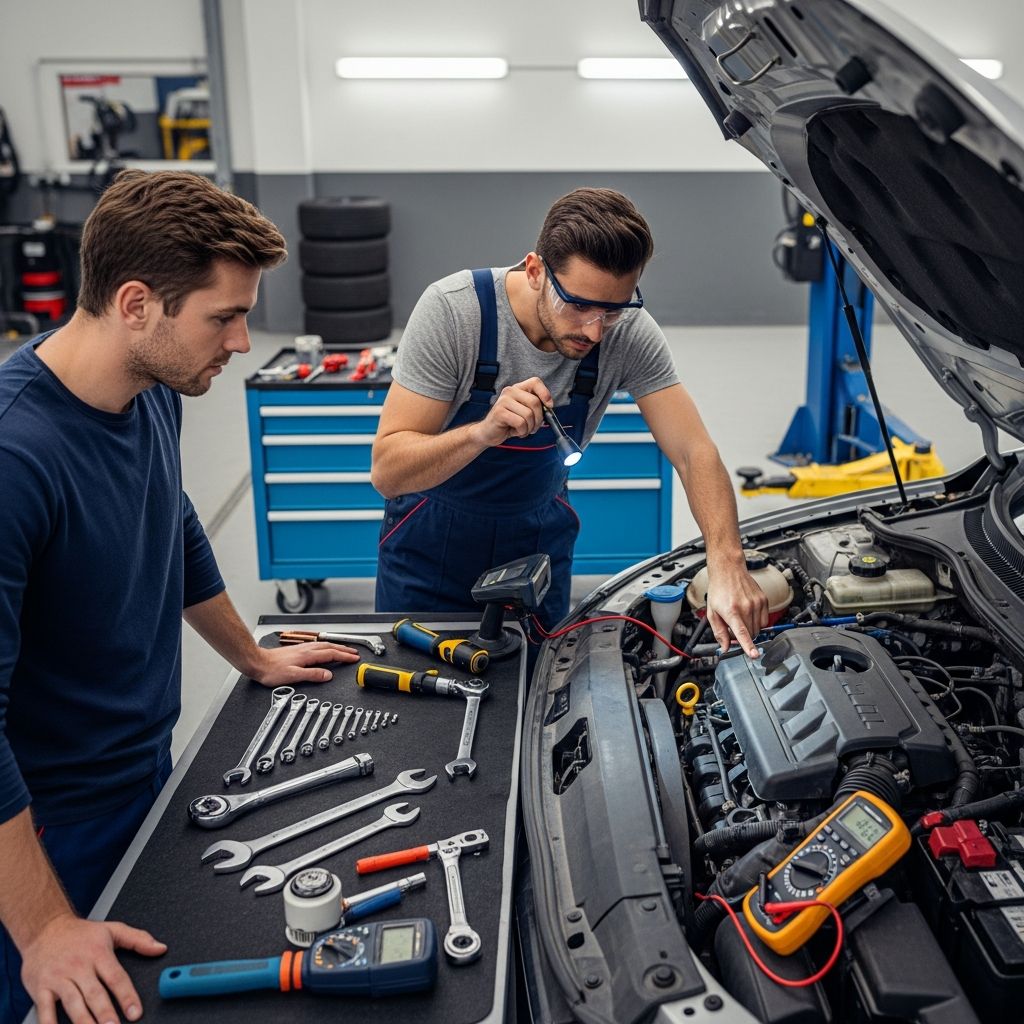
The MOT test stands as a critical milestone for vehicle owners in the UK, verifying that cars remain safe, roadworthy, and compliant with legal standards after their third anniversary of registration. Conducted annually thereafter, this inspection scrutinizes everything from structural integrity to emissions output. Failing it means immediate grounding until repairs and a retest occur, often incurring extra fees and inconvenience. Proactive preparation transforms this mandatory hurdle into a straightforward success, minimizing surprises and preserving your driving freedom.
Why Preparation Matters for Your MOT Success
Ahead of the test date, dedicating time to self-inspection pays dividends. Many failures stem from overlooked basics rather than major faults. By addressing these early, drivers avoid the frustration of return visits. Statistics from official records show that common issues like faulty lights or inadequate tyre tread account for a significant portion of initial failures. Starting checks weeks in advance allows ample opportunity for fixes, whether DIY or professional.
Organize your approach systematically: begin with exterior visuals, progress to mechanical tests, and finish with interior cleanliness. This methodical process ensures nothing slips through. Tools needed are minimal—a pressure gauge, tread depth measure, flashlight, and basic cleaning supplies suffice for most tasks.
Mastering Tyre Inspections: The Foundation of MOT Approval
Tyres represent one of the most frequent failure points, demanding attention to tread, condition, and inflation. Legal minimum tread depth sits at 1.6mm across the central three-quarters of the breadth, measured in multiple spots per tyre. Use a 20p coin test: insert it into the groove; if the outer band remains hidden, tread meets the mark.
- Examine sidewalls for cracks, cuts deeper than 2mm, or bulges indicating internal damage.
- Remove embedded objects like nails promptly to prevent deflation risks.
- Verify matching tyre sizes and types across axles to maintain handling balance.
- Inflate to manufacturer-specified pressures, found on door stickers or manuals, typically 30-35 PSI for cars.
Uneven wear signals alignment or suspension problems, warranting a garage visit. Rotate tyres periodically for longevity, and replace any showing age-related hardening.
Ensuring All Lights Function Flawlessly
Every lamp must illuminate cleanly and correctly, encompassing headlights (full and dipped), indicators, brake lights, fog lamps, sidelights, reversing lights, and rear number plate illumination. A single outage spells failure.
| Light Type | Function Check | Common Fix |
|---|---|---|
| Main/Dipped Beam | Switch on; beams should aim straight without dazzling | Replace H4/H7 bulbs |
| Indicators/Hazards | Flash brightly, no hyperflashing | Check wiring or relays |
| Brake Lights | Illuminate on pedal press | Adjust switch position |
| Reverse/Plate Lights | Activate in gear/always on | Clean lenses, swap bulbs |
Clean lenses with soapy water to remove grime. Test via reflection in a garage door or enlist a helper. Bulb replacements are inexpensive and straightforward, often under 30 minutes.
Brake System: Safety’s Core Component
Brakes undergo rigorous evaluation, including pedal response, efficiency on a roller rig, handbrake grip, and visual inspections of pads, discs, lines, and fluid. The ABS light must not glow steadily.
- Press the pedal firmly; it should feel solid without sinking.
- Handbrake must hold on a slope without creep.
- Inspect pads for wear below 1.5mm thickness and discs for deep scoring.
- Fluid levels in reservoirs should hover between min/max; top up with DOT4 if low, but probe for leaks.
Avoid recent pad changes pre-test, as bedding-in affects performance. Professional diagnosis via OBD scanner catches hidden electronic faults.
Fluid Levels and Leak Detection Essentials
Low or contaminated fluids trigger PRS (dangerous) failures. Routine top-ups maintain hydraulic integrity.
- Engine Oil: Pull dipstick, wipe, reinsert, check level; golden hue indicates freshness.
- Coolant: Expansion tank between marks; use correct mix to prevent corrosion.
- Brake Fluid: Clear reservoir view; moisture turns it dark brown.
- Power Steering/Screenwash: Full reservoirs ensure steering ease and visibility.
Scan under the car for drips post-parking. Leaks demand immediate plumber-like attention from mechanics.
Windscreen, Wipers, and Washer Systems
Visibility components must provide unobstructed views. Chips larger than 40mm in swept area or cracks spanning windscreen width fail outright.
- Lift wiper arms; rubber blades free of tears or hardening.
- Test operation: full sweep without streaks or judder.
- Washer jets deliver strong spray; adjust pins if misaimed.
Polish glass with vinegar solution for clarity. Rear wipers on estates follow suit.
Steering, Suspension, and Horn Verification
Steering wheel free play under 1/4 turn, no excessive wander. Suspension joints greased, shocks non-leaking.
- Rock corners for play in bearings.
- Horn emits clear, loud tone (not musical).
- Exhaust secure, no splits; emissions tested via acceleration.
Listen for clunks over bumps signaling worn bushings.
Interior Cleanliness and Safety Features
A cluttered cabin impedes examiner access, risking advisory refusals. Seatbelts retract smoothly, unfrayed; buckles click securely.
- Vacuum footwells, remove mats obstructing pedals.
- Untwist belts; test all positions.
- Mirrors intact, adjustable; seats secure without wobble.
- Remove child seats beforehand.
Number plates legible, fonts correct, no reflections or damage.
Pre-Test Strategy and Professional Advice
Schedule early to buffer repair time. Reputable centres offer courtesy checks. Post-check drive reveals dashboard warnings.
Budget for bulbs (£5-20), wipers (£15/set), fluids (£10). Tyres average £80 each. Prevention trumps cure.
Frequently Asked Questions
What is the MOT test duration?
Typically 45-60 minutes, varying by vehicle complexity.
Can I drive a failed car?
Only to repair site or retest within 10 days, with ‘Quarantine’ plate.
Are electric vehicles exempt?
No, annual MOT from year three, focusing on brakes, lights, tyres.
What if my car is over 40 years old?
Vintage exemptions apply if unmodified and taxed.
Does cleaning affect pass rates?
Yes, dirty components obscure checks.
References
- The Highway Code — UK Government. 2022-01-01. https://www.gov.uk/highway-code
- MOT Test Guide for Cars — Driver and Vehicle Standards Agency (DVSA). 2025-04-01. https://www.gov.uk/government/publications/mot-test-guide-for-cars
- Vehicle Tyre Pressures and Tread Depth — Department for Transport. 2023-07-15. https://www.gov.uk/tyre-tread-depth
- MOT Inspection Manual — DVSA. 2026-01-10. https://www.gov.uk/government/collections/mot-inspection-manual
- Brake Safety Standards — UNECE Regulations (via UK Gov). 2024-03-20. https://www.gov.uk/government/publications/unece-regulations
Similar Articles








Read full bio of Sneha Tete