UK 2030 ICE Ban Explained
Understand the 2030 ban on new petrol and diesel cars, its timeline shifts, exemptions, and real-world effects on buyers and drivers in the UK.
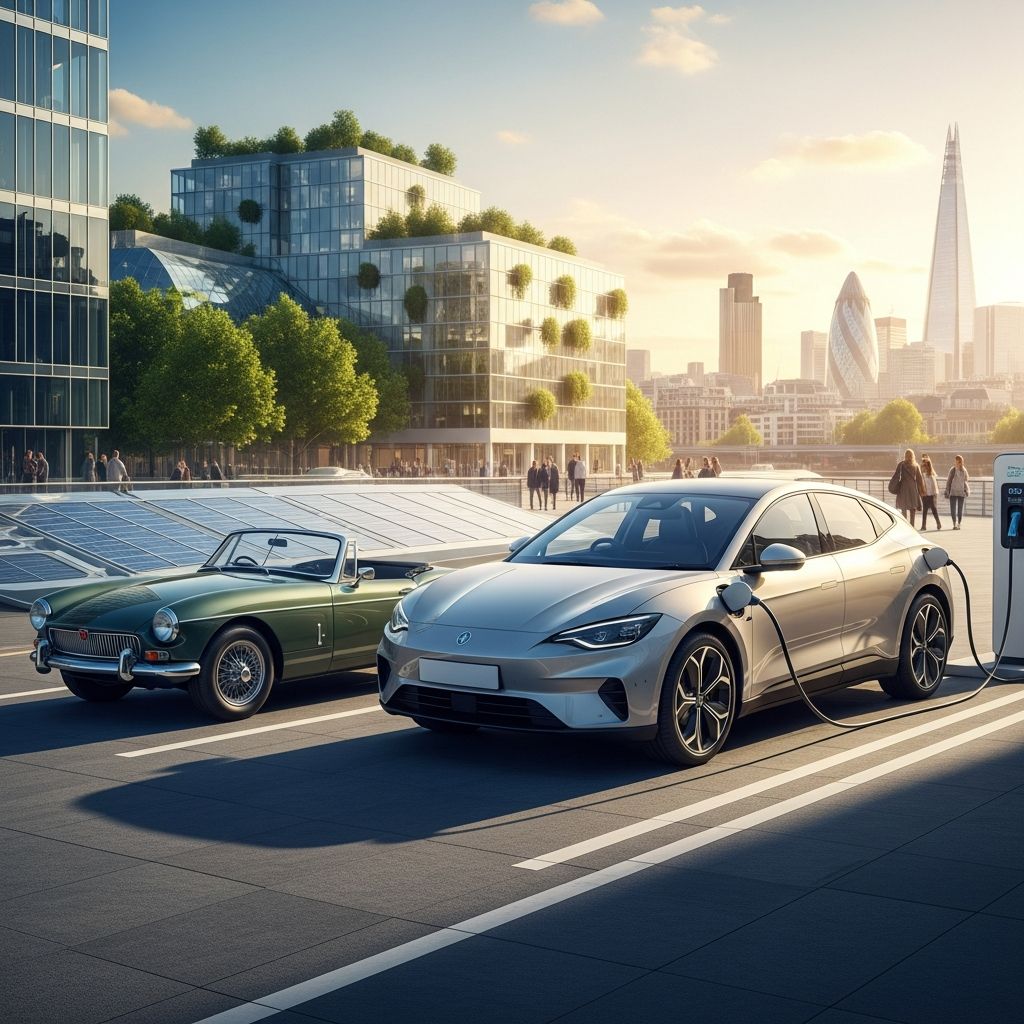
UK 2030 ICE Ban Explained: What Drivers Need to Know
The United Kingdom is advancing toward a greener automotive future with a firm policy to phase out sales of new vehicles powered solely by internal combustion engines (ICE). Starting January 1, 2030, no new pure petrol or diesel cars or vans can be sold, marking a pivotal shift in national transport strategy. This measure, reinstated by the current government, builds on commitments to combat climate change while supporting industry transition to zero-emission technologies.
Historical Evolution of the Ban Timeline
The journey to the 2030 deadline has seen multiple adjustments reflecting political priorities and industry feedback. Initially set for 2040 under Theresa May’s administration, the target was accelerated to 2035 by Boris Johnson, then delayed to 2035 by Rishi Sunak amid concerns over infrastructure readiness. The Labour government, upon taking power, restored the 2030 cutoff for pure ICE vehicles, with a full zero-emission requirement by 2035, aiming to restore investor confidence shaken by prior changes.
- 2040: Original phase-out date for new ICE cars.
- 2035: Advanced by Johnson for ICE; hybrids allowed longer.
- 2030/2035: Sunak’s adjustment; Labour reverts to 2030 for pure ICE.
These shifts underscore the policy’s role in balancing environmental goals with economic viability, as inconsistent dates previously deterred billions in automotive investments.
Core Elements of the 2030 Policy
At its heart, the ban targets new sales only, preserving the freedom to own, drive, and trade existing petrol and diesel vehicles indefinitely. No road-use prohibitions are planned nationally, though local Clean Air Zones may impose fees on higher-emission cars.
| Phase | Date | Impacted Vehicles | Allowed Alternatives |
|---|---|---|---|
| Phase 1 | Jan 1, 2030 | New pure petrol/diesel cars & vans | Hybrids, plug-in hybrids, ZEVs |
| Phase 2 | Jan 1, 2035 | All non-zero-emission new cars & vans | 100% battery-electric, hydrogen FCEVs |
This structured rollout provides a five-year window for hybrids post-2030, easing the transition.
Defining Affected and Exempted Vehicles
Not all combustion-powered cars face immediate extinction. Pure ICE models—those without any electrification—are barred from new sales in 2030. Hybrids, including mild, full, and plug-in variants, remain available until 2035, offering a bridge technology with lower emissions.
- Banned from 2030: Conventional petrol/diesel without hybrid assist.
- Permitted 2030-2034: All hybrid types (HEV, PHEV, mild hybrids).
- Zero-emission by 2035: Battery EVs, hydrogen fuel-cell vehicles (FCEVs).
Exemptions protect niche markets: micro and small-volume manufacturers (e.g., kit cars, special-purpose vehicles) can continue ICE sales with derogations, ensuring diversity in the market. Vans follow a similar path but with fleet-wide CO2 caps post-2030, allowing some non-ZEV options until 2035.
Implications for New Car Buyers
Prospective buyers have until December 31, 2029, to purchase new pure ICE vehicles. Post-2030, options pivot to electrified powertrains, which already comprise a growing market share. Early adopters benefit from incentives like reduced Vehicle Excise Duty for EVs and expanding charging networks backed by £6 billion in private investment.
Challenges include higher upfront costs for ZEVs, though battery prices continue to fall. Government quotas mandate 80% ZEV sales by 2030, pressuring manufacturers to innovate. Buyers should weigh range anxiety against rapid infrastructure growth, with simplified planning rules accelerating public charger deployment.
Used Car Market Dynamics
The second-hand sector faces minimal direct impact. Post-2030, used petrol and diesel cars will flood the market from trade-ins of new EV buyers, potentially stabilizing or lowering prices. Demand for reliable, fuel-efficient used hybrids may surge as affordable alternatives to full EVs.
- Increased supply of ex-fleet ICE vehicles.
- Sustained value for well-maintained diesels in rural areas.
- Rising appeal of used PHEVs for short commutes.
Owners of older cars need not rush replacements, but rising fuel duties and ULEZ expansions could indirectly favor electrification.
Government Support for the ZEV Transition
To mitigate disruption, the UK is investing heavily in enablers. Key measures include:
- Streamlined grid connections for chargers.
- Local council funding for on-street charging.
- ZEV mandates with fines for non-compliance.
- R&D grants for domestic battery production.
These initiatives address past criticisms of inadequate preparation, aiming for nationwide coverage by 2030.
Environmental and Economic Rationale
Transport contributes 25% of UK greenhouse gases, predominantly from road vehicles. The ban targets tailpipe emissions, promising cleaner urban air and alignment with net-zero by 2050. Economically, it safeguards 500,000 automotive jobs by attracting EV manufacturing, with firms like Nissan and Stellantis committing billions.
Critics highlight mineral sourcing ethics and grid strain, but proponents cite falling EV total cost of ownership—£0.05-£0.10 per mile vs. £0.20+ for petrol.
Potential Challenges and Future Adjustments
While legally binding, the policy includes flexibility: fleet-average CO2 caps post-2030 allow some non-hybrids if emissions targets are met. Global events like supply chain issues could prompt reviews, but officials deem 2030 ‘immovable’. Drivers in remote areas may rely longer on ICE due to charging gaps, though rural incentives are planned.
Frequently Asked Questions (FAQs)
Can I drive my petrol car after 2030?
Yes, indefinitely on public roads, barring local charges.
Are hybrids banned in 2030?
No, only pure ICE; hybrids continue to 2035.
What about vans and commercial vehicles?
Vans follow cars but with CO2 cap flexibilities until 2035.
Will used car prices drop?
Likely yes, due to increased supply from EV switchers.
Is the ban set in stone?
Current policy is firm, backed by legislation, though small manufacturers are exempt.
Strategic Advice for Vehicle Owners
Assess your driving: urban commuters suit EVs; long-haul favors hybrids temporarily. Monitor incentives like salary sacrifice schemes slashing EV costs by 30%. Service existing ICE vehicles diligently for resale value. Test drive ZEVs to overcome myths—modern models offer 300+ mile ranges.
In summary, the 2030 ban accelerates sustainable mobility without stranding current owners, fostering innovation across the sector.
References
- The 2030 Petrol & Diesel Car Ban: What It Actually Means for Used Car Buyers — StartRescue. 2024. https://www.startrescue.co.uk/breakdown-cover/motoring-advice/motoring-developments-and-the-future/the-2030-petrol-diesel-car-ban-what-it-actually-means-for-used-car-buyers
- Phasing out the sale of new petrol and diesel cars from 2030 and support for zero emission vehicle (ZEV) transition — UK Government (gov.uk). 2024-10-24. https://www.gov.uk/government/speeches/phasing-out-the-sale-of-new-petrol-and-diesel-cars-from-2030-and-support-for-zero-emission-vehicle-zev-transition
- 2030 ban on sales of new petrol and diesel cars: What it means for you — Ageas. 2023. https://www.ageas.co.uk/solved/your-car/2030-ban-on-sales-of-new-petrol-and-diesel-cars-what-it-means-for-you/
- Is the government on track to phase out new petrol and diesel cars by 2030? — Full Fact. 2026-02-20. https://fullfact.org/government-tracker/diesel-petrol-new-cars-ban/
- Phasing out the sale of new petrol and diesel cars from 2030 and supporting the ZEV transition – summary of responses — UK Government (gov.uk). 2024. https://www.gov.uk/government/consultations/phasing-out-sales-of-new-petrol-and-diesel-cars-from-2030-and-supporting-the-zev-transition/outcome/phasing-out-sales-of-new-petrol-and-diesel-cars-from-2030-and-supporting-the-zev-transition-summary-of-responses-and-joint-government-response
- Phasing out the sale of new petrol and diesel cars from 2030 [PDF] — UK Government Publishing Service. 2024. https://assets.publishing.service.gov.uk/media/679382182de28ea2d392f37f/phasing-out-the-sale-of-new-petrol-and-diesel-cars-from-2030-and-support-for-the-zero-emission-transition.pdf
Similar Articles


Read full bio of Sneha Tete