TVR T350C: 350 Bhp Lightweight Coupe With Pure Handling
Discover why this handcrafted British supercar remains a driver's dream machine.
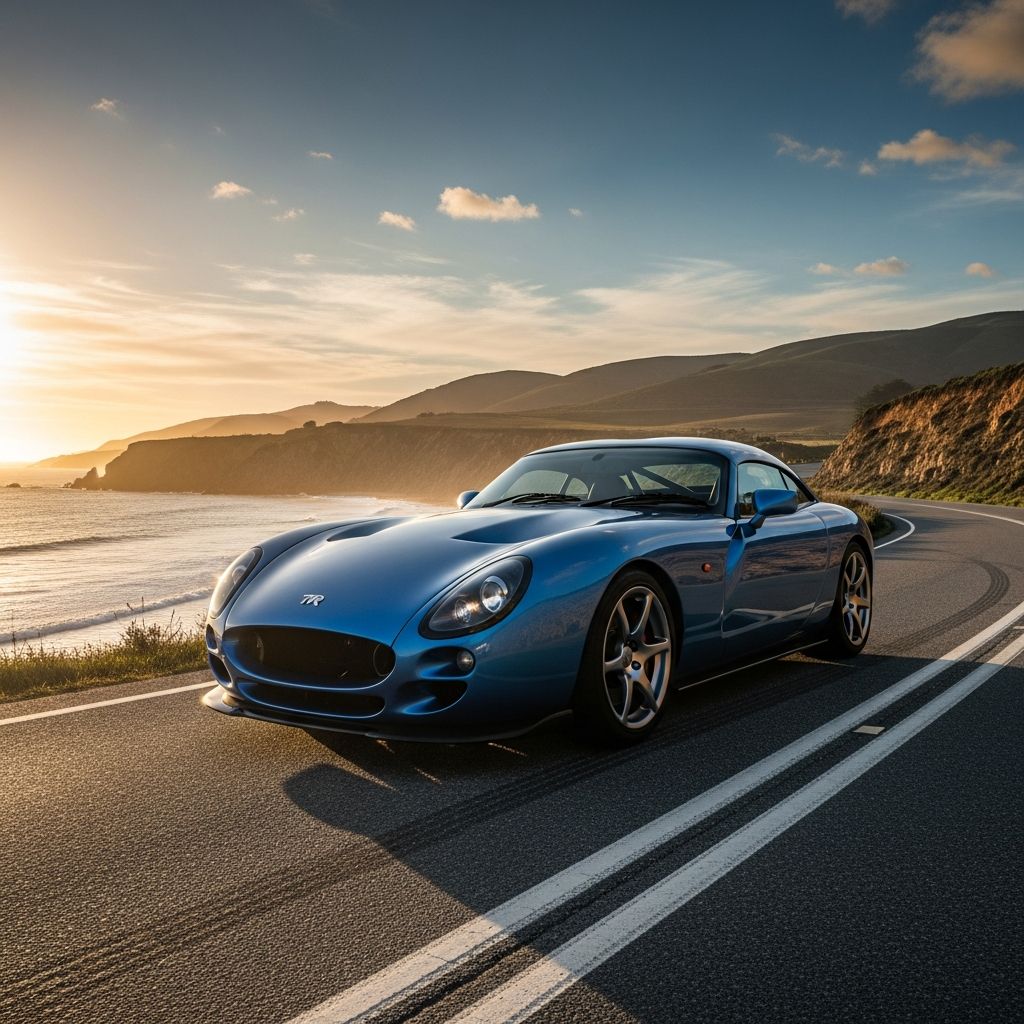
The TVR T350C represents a significant achievement in automotive engineering, standing as a testament to what independent British manufacturers can accomplish when craftsmanship meets mechanical innovation. Launched in the early 2000s, this coupe emerged during an era when TVR was pushing boundaries with bespoke, handmade vehicles that prioritized driver engagement above all else. The T350C distinguished itself through a combination of lightweight construction, powerful naturally-aspirated performance, and a philosophy that rejected modern electronic nannies in favor of raw driving purity.
The Foundation: Lightweight Design Philosophy
At the core of the T350C’s appeal lies its commitment to minimal mass. Weighing in at approximately 1,187 kilograms, the coupe achieves an impressive power-to-weight ratio that rivals vehicles costing considerably more. This deliberate approach to weight reduction influences every design decision, from the fibreglass bodywork to the spaceframe chassis construction. The short wheelbase, minimal overhangs, and compact dimensions contribute to a vehicle that feels agile and responsive on both road and track environments.
The chassis architecture employs double wishbone suspension at all four corners, providing the sophistication necessary for controlled cornering and dynamic handling. TVR engineers recognized that rigidity amplifies feedback, so the T350C incorporates an integral roll cage that strengthens the structure while serving safety purposes. This integrated cage creates a notably stiffer platform where suspension inputs translate directly to the driver without the harshness associated with poorly damped systems.
Propulsion and Performance Metrics
The heart of the T350C is TVR’s Speed Six engine, a naturally-aspirated 3.6-litre inline-six producing 350 brake horsepower and 290 pound-feet of torque. This dry-sumped unit achieves nearly 100 horsepower per litre without forced induction, demonstrating exceptional efficiency through mechanical design rather than artificial boost. The engine mounts at the front, feeding power rearward through a five-speed Borg-Warner/Tremec manual gearbox—a choice that underscores TVR’s pragmatic approach to specification, acknowledging that developing proprietary gearboxes presented unnecessary complexity.
| Performance Specification | Measurement |
|---|---|
| Maximum Power Output | 350 bhp @ 7,200 rpm |
| Peak Torque | 290 lb-ft |
| 0-62 Acceleration | 4.7 seconds |
| Maximum Velocity | 175 mph |
| Kerb Weight | 1,187 kilograms |
| Power-to-Weight Ratio | 280 bhp/tonne |
These figures translate to real-world performance that places the T350C among the quickest accelerating vehicles of its generation. The lightweight platform means acceleration feels visceral and immediate, with the engine’s linear power delivery providing predictable responses throughout the rev range. Owners frequently report that the coupe’s straightline pace embarrasses considerably more powerful vehicles, particularly where weight savings provide the decisive advantage.
Braking and Stopping Power
TVR equipped the T350C with substantial braking hardware despite the absence of modern anti-lock systems. Ventilated 304-millimetre discs at the front and 282-millimetre units at the rear provide stopping force commensurate with the vehicle’s acceleration capability. Without electronic intervention, the driver assumes full responsibility for modulation and brake management, a characteristic that demands respect and attentiveness but rewards smooth technique with confident deceleration.
The braking system’s effectiveness has drawn particular praise from experienced drivers, with accounts suggesting the stopping power rivals much heavier, more technologically advanced vehicles. This capability reflects TVR’s understanding that adequate brakes are fundamental to safe performance driving, regardless of whether assistance systems are present.
Steering Response and Handling Characteristics
The T350C’s steering ratio errs toward responsiveness, creating a quick, direct connection between wheel inputs and front-end direction changes. This sharpness requires driver attention during initial familiarization, particularly at parking speeds where the unassisted system demands conscious effort. Once accustomed to the steering characteristics, drivers appreciate the transparency it provides regarding front-axle grip and loading.
Suspension tuning prioritizes cornering engagement over isolation from road surfaces. While rough pavement generates noticeable vibration and harshness through the structure, progressive jouncing and compression feel and deliberate chassis movements communicate load transfers and suspension activity to the occupants. This busy character over imperfections reflects TVR’s prioritization of dynamic feedback over universal comfort.
As speeds increase and driving intensifies, the suspension geometry and damper calibration create balanced, predictable handling. Corner entry bite proves substantial, mid-corner stability encourages confidence, and exit power delivery transitions smoothly without unsettling surprises. The mechanical traction control system—essentially a naturally-aspirated engine with a responsive throttle pedal—requires driver input for slip management, making the driving experience more engaged and participatory than systems incorporating electronic intervention.
Interior Environment and Sensory Experience
Step into the T350C and immediately confront the gap between this vehicle and mainstream manufacturing. The cabin prioritizes form and function over convention, with sweeping lines and compact proportions creating an environment that feels utterly distinctive. Switchgear, door handles, and controls bear TVR’s signature engineering, custom-designed rather than assembled from supplier catalogs.
Technology integration remains minimal by contemporary standards. Audio capabilities typically center on aftermarket single-DIN stereo installations, though modern units offer smartphone integration via Apple CarPlay or Android Auto. Creature comforts exist in modest quantities; the focus remains firmly on the driving experience rather than gadgetry or entertainment systems.
The engine note dominates the acoustic environment, particularly during spirited driving. The Speed Six produces a distinctive melodic character across its rev range, generating a soundtrack that amplifies driver engagement. This auditory feedback, combined with mechanical noise from transmission and drivetrain, creates an immersive sensory package impossible to replicate with sound system enhancement.
Comparative Performance Context
When evaluated against contemporary competitors, the T350C punches substantially above its weight classification. The power-to-weight ratio approximates modern BMW M3 specifications, yet the TVR achieves this through naturally-aspirated simplicity rather than turbocharged complexity. In straight-line acceleration, only significantly more powerful vehicles prove quicker to 60 miles per hour.
Cornering speeds reflect the chassis sophistication and suspension geometry, with drivers reporting that the coupe persists through direction changes at velocities that challenge much heavier, more powerful machines. The absence of electronic stability control necessitates developed driving skills, yet rewarding reward smooth technique with extraordinary agility and confidence-inspiring grip.
Build Quality and Specification Excellence
Each T350C represents bespoke manufacturing rather than mass production. Fibreglass bodywork, hand-assembled interiors, and individual attention to mechanical systems create vehicles that possess character and individuality. Examples emerge from the factory with varying specification options, allowing customers to influence their particular vehicle’s character through color selections, interior trim choices, and mechanical options.
Examples completing comprehensive maintenance programs and exhibiting thorough histories command premium valuations among enthusiasts. Fresh mechanical rebuilds, clutch replacements, and professional servicing enhance desirability, recognizing that these hand-assembled machines require conscientious stewardship and informed maintenance schedules.
Real-World Ownership Considerations
Prospective T350C owners must acknowledge the vehicle’s demanding character. Without power steering assistance, parking necessitates muscular effort. The naturally-aspirated powertrain provides no turbo lag but requires higher revolutions for maximum output, encouraging engagement with gear selection and engine management. Temperature management, particularly in traffic situations or low-speed driving, demands attention.
The manual gearbox, while mechanically straightforward, requires developed technique for smooth shifts and controlled roll-on acceleration. Extended driving periods produce fatigue in the arms and shoulders due to steering effort and the interactive nature of brake modulation without assisted systems. These characteristics represent features rather than flaws to enthusiasts who value driver involvement and mechanical transparency.
Design and Aesthetic Expression
The T350C’s fibreglass bodywork showcases distinctive design language that has aged remarkably well. Proportions appear contemporary and purposeful, with sculpted surfaces and purposeful curves that suggest performance and capability. Color selection significantly influences visual presence; certain hues like Cosmos Blue produce stunning visual drama under various lighting conditions.
The compact footprint and low stance combine to create a vehicle that appears planted and focused despite modest absolute dimensions. In contrast to bloated modern designs, the T350C’s proportions feel purposeful and restrained, emphasizing function over ornament.
Market Position and Value Assessment
The T350C occupies a fascinating valuation position within the enthusiast market. Considerably more affordable than contemporary supercars and luxury sports cars, the coupe delivers comparable acceleration and cornering capability at a fraction of the cost. Examples with documented maintenance histories, low mileage, and comprehensive service records command desirability among collectors and drivers seeking engagement without financial overextension.
Rarity enhances desirability; limited production numbers mean examples remain uncommon in everyday traffic. This scarcity, combined with the vehicle’s distinctive character and impressive performance, creates sustained enthusiasm among enthusiasts recognizing the T350C’s exceptional value proposition relative to alternatives offering comparable capability.
Frequently Asked Questions
How does the T350C compare to modern performance vehicles?
The T350C’s power-to-weight ratio, naturally-aspirated reliability, and mechanical simplicity compare favorably with many contemporary performance cars costing substantially more. However, modern vehicles offer superior efficiency, refinement, and technology integration that some drivers prefer despite reduced engagement and driver involvement.
Is the T350C suitable for everyday driving?
Yes, though prospective owners must accept the vehicle’s demanding character. Unassisted steering, manual transmission, and the absence of modern conveniences require attentiveness and developed driving skills. The coupe excels for enthusiasts valuing engagement; casual drivers may find the experience exhausting.
What maintenance does a T350C require?
Regular servicing following TVR schedules, fluid changes, brake inspection, and suspension component checking maintain reliability. The naturally-aspirated engine proves straightforward; specialist TVR knowledge and quality parts availability remain important considerations.
How reliable is the Speed Six engine?
Properly maintained examples demonstrate solid reliability. The naturally-aspirated design, absence of forced induction, and mechanical straightforwardness contribute to durability. Regular maintenance and attentive operation support long-term dependability.
Conclusion: Enduring Appeal of Mechanical Purity
The TVR T350C stands as a monument to what independent British manufacturers achieve through commitment to mechanical engineering, driver engagement, and rejection of unnecessary complication. In an automotive landscape increasingly dominated by electronic mediation and artificial enhancement, the T350C represents an alternative philosophy: transparency, involvement, and authentic performance derived from fundamentals rather than technological wizardry. For enthusiasts seeking genuine driving engagement, impressive capability, and distinctive character, the T350C remains uncompromising in its appeal and remarkable in its achievement.
References
- TVR T350 (2002 – 2006) review: an exotic British icon for £30k — Evo Magazine. https://www.evo.co.uk/buying-advice/6199/tvr-t350-2007
- 2003 TVR T350C – HPC Classics — HPC Classics. https://www.hpcclassics.co.uk/product-page/2003-tvr-t350c-1
- TVR T350C could be the best TVR ever made — YouTube. https://www.youtube.com/watch?v=L9aWohePi1o
- Man Maths: TVR T350 – The Intercooler — The Intercooler. https://www.the-intercooler.com/?p=44300
- TVR Tuscan / Tamora / T350C / Sagaris (2000) – AutoZine — AutoZine. https://www.autozine.org/Archive/TVR/classic/Tuscan.html
Similar Articles




Read full bio of medha deb