Trump Tariffs: Impact on Drivers and Auto Sector
Discover how President Trump's Liberation Day tariffs are reshaping car prices, jobs, and global trade for motorists worldwide.
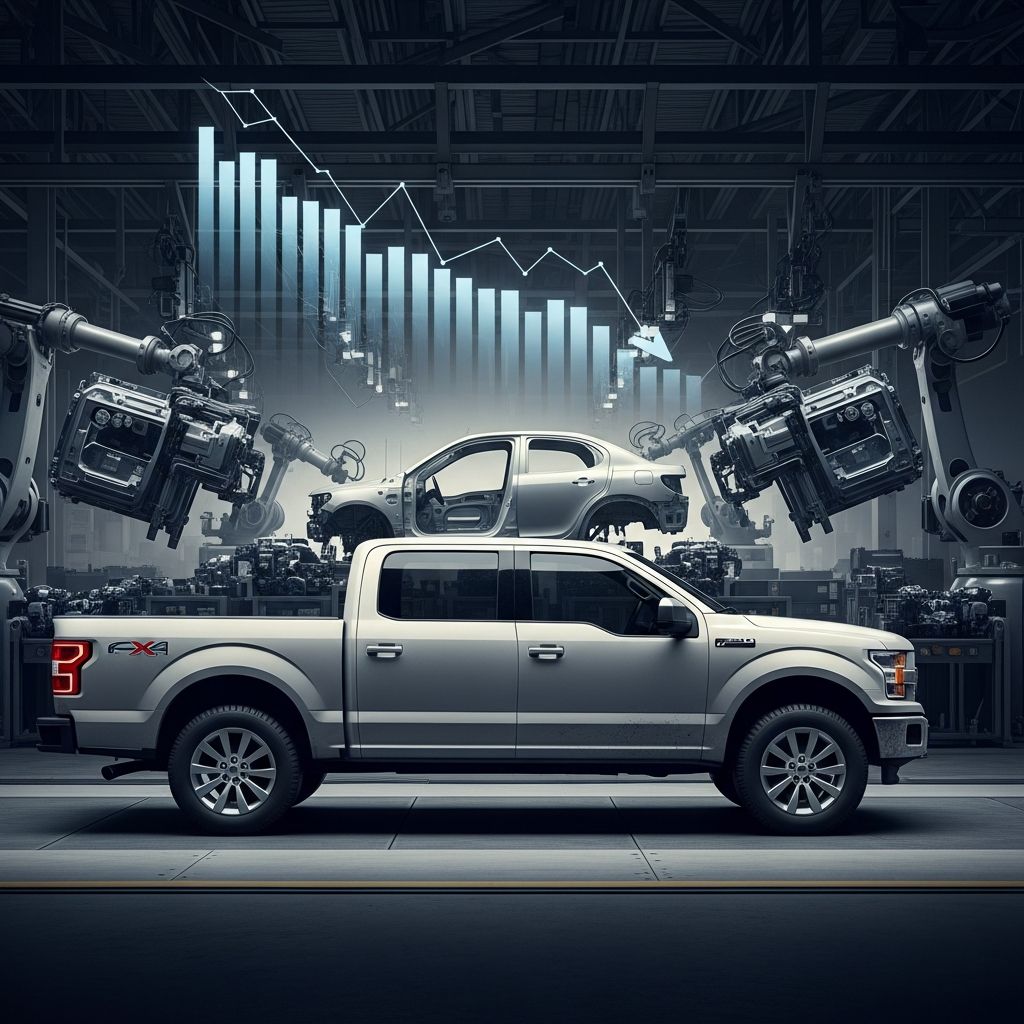
President Donald Trump’s Liberation Day tariffs, announced on April 2, 2025, mark a dramatic shift in US trade policy, imposing steep duties on imports that directly affect the automotive world. These measures, enacted via Executive Order 14257, target trade imbalances with a baseline 10% tariff on most goods and a specific 25% levy on vehicles and parts, aiming to bolster American manufacturing but raising costs for consumers and exporters alike.
The Origins and Goals of Liberation Day Policies
Trump framed April 2, 2025, as Liberation Day, signing orders to address what the administration calls unfair trade practices contributing to massive US goods deficits. Invoking the International Emergency Economic Powers Act, the policy sets a universal 10% tariff effective April 5, with higher ‘reciprocal’ rates for countries like the EU at 20% (currently paused for 90 days) and a flat 25% on autos from anywhere. The auto-specific tariff, under Section 232 of the Trade Expansion Act, covers passenger vehicles, light trucks, and components like engines and transmissions to protect national security by safeguarding domestic production.
Prior actions, including steel and aluminum duties plus targeted hikes on China, Canada, and Mexico, had already elevated average US tariffs to 12%—the highest since World War II. Liberation Day escalates this, potentially pushing rates to 22.5% before pauses, though current effective levels hover around 12%. The administration argues these mirror foreign barriers, but analysts note the calculations oversimplify realities, often exceeding actual asymmetries and hitting surplus partners.
Direct Effects on the US Automotive Market
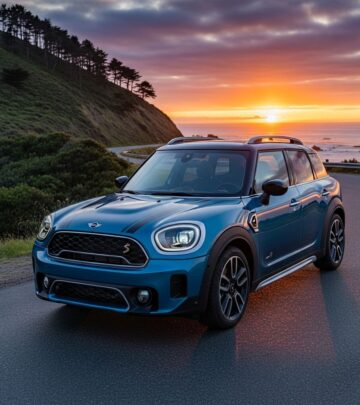
For American drivers, the most immediate pain is higher car prices. Manufacturers cannot fully absorb the 25% auto tariff, passing much of it to buyers. A MINI Cooper S, built in the UK and priced at $32,000 pre-tariff, could jump to $40,000—a 25% increase excluding extras. This applies broadly to imports like sedans, SUVs, and parts, inflating costs across brands reliant on foreign assembly.
| Vehicle Type | Pre-Tariff Example Price | Post-25% Tariff Estimate | Impact |
|---|---|---|---|
| Compact Hatchback (e.g., MINI Cooper S) | $32,000 | $40,000 | +25% |
| Mid-Size SUV | $45,000 | $56,250 | +25% |
| Light Truck | $38,000 | $47,500 | +25% |
Economists forecast broader fallout: unemployment could climb to 7%, GDP drop 1.7%, with inflation up 0.5% partly from these duties. One year on, everyday items including autos remain pricier than pre-pandemic levels. The end of the de minimis exemption for low-value packages further hikes costs on small imports, straining supply chains.
Global Ripples: Focus on UK Motorists and Exporters
UK firms face a double hit: 10% on general goods plus 25% on autos/parts exported to the US, their key market. Plants in Oxford (MINI) and Sunderland (Nissan) export thousands yearly, now at risk. The Society of Motor Manufacturers and Traders warns these costs cannot be absorbed, threatening profitability and forcing price hikes or production shifts.
- Export Volume Hit: UK sends over 100,000 vehicles annually to the US; 25% tariffs erode competitiveness.
- Job Risks: Manufacturers may relocate to avoid duties—Trump’s incentive: ‘Made in USA’ means no tariffs—potentially cutting UK automotive jobs numbering over 800,000.
- Supply Chain Strain: Parts tariffs disrupt just-in-time manufacturing, delaying deliveries and raising costs globally.
While US-focused, UK drivers might see indirect effects via retaliatory measures or weakened pound from market crashes post-announcement.
Industry Strategies and Potential Adaptations
Car makers are scrambling. Some, like those with US plants (e.g., Toyota in Kentucky), dodge tariffs by localizing production. Others negotiate or lobby for exemptions during the 90-day pause on higher rates. Long-term, expect:
- Increased US factory investments to bypass duties.
- Supply chain reshoring, boosting American jobs but raising global prices.
- Model shifts toward US-built alternatives, limiting choices.
However, experts caution against over-optimism: past tariffs yielded mixed results, with higher consumer costs outweighing manufacturing gains.
One Year Later: Real-World Outcomes and Debates
By April 2026, tariffs persist at moderated levels, but markets remain volatile. Stock crashes followed the announcement, and inflation lingers higher. Few new trade deals emerged; instead, uncertainty reigns as partners like the EU eye retaliation. CSIS analysis likens it to Smoot-Hawley, warning of trade wars.
Proponents claim strengthened steel sectors and auto investments; critics highlight $3.3 trillion in affected imports and stalled growth. For motorists, affordability suffers—cars cost more amid 3% inflation.
Frequently Asked Questions
What are Liberation Day tariffs?
Announced April 2, 2025, they impose 10% baseline on imports, 25% on autos/parts, targeting trade deficits via executive orders.
How much will car prices rise?
Up to 25% on imports; e.g., $32,000 vehicle to $40,000, though absorption varies.
Will jobs be lost overseas?
Yes, as firms shift to US production to evade tariffs, impacting UK exports.
Are there exemptions?
US-made goods avoid them; 90-day pauses applied to some higher rates.
What’s the long-term outlook?
Higher costs, potential trade wars, but possible US manufacturing revival—debated by economists.
This policy reshapes driving economics, urging buyers to consider domestic options amid rising prices and shifting jobs.
References
- Trump tariffs explained: UK car industry impact, jobs, car prices — Auto Express. 2025-04-03. https://www.autoexpress.co.uk/tips-advice/366457/trump-tariffs-explained-how-us-liberation-day-will-affect-motorists
- Trump’s ‘Liberation Day’ Tariffs Take Effect — The Financial Express (via YouTube). 2025-04-02. https://www.youtube.com/watch?v=pHhxw5uWi_w
- Liberation Day tariffs — Wikipedia. 2026-04-12. https://en.wikipedia.org/wiki/Liberation_Day_tariffs
- Fact Sheet: President Donald J. Trump Adjusts Imports of Automobiles — The White House. 2025-03-01. https://www.whitehouse.gov/fact-sheets/2025/03/fact-sheet-president-donald-j-trump-adjusts-imports-of-automobiles-and-automobile-parts-into-the-united-states/
- “Liberation Day” Tariffs Explained — Center for Strategic and International Studies (CSIS). 2025-04-03. https://www.csis.org/analysis/liberation-day-tariffs-explained
- A Year After ‘Liberation Day,’ Experts Review the Costs — Council on Foreign Relations (CFR). 2026-04-02. https://www.cfr.org/articles/a-year-after-liberation-day-experts-review-the-costs-of-trumps-tariffs
Similar Articles





Read full bio of medha deb