Toyota MR2 1.8 VVTi SMT: 5-Point Buying Guide
Discover the thrilling mid-engine dynamics and innovative SMT transmission of Toyota's compact sports roadster.
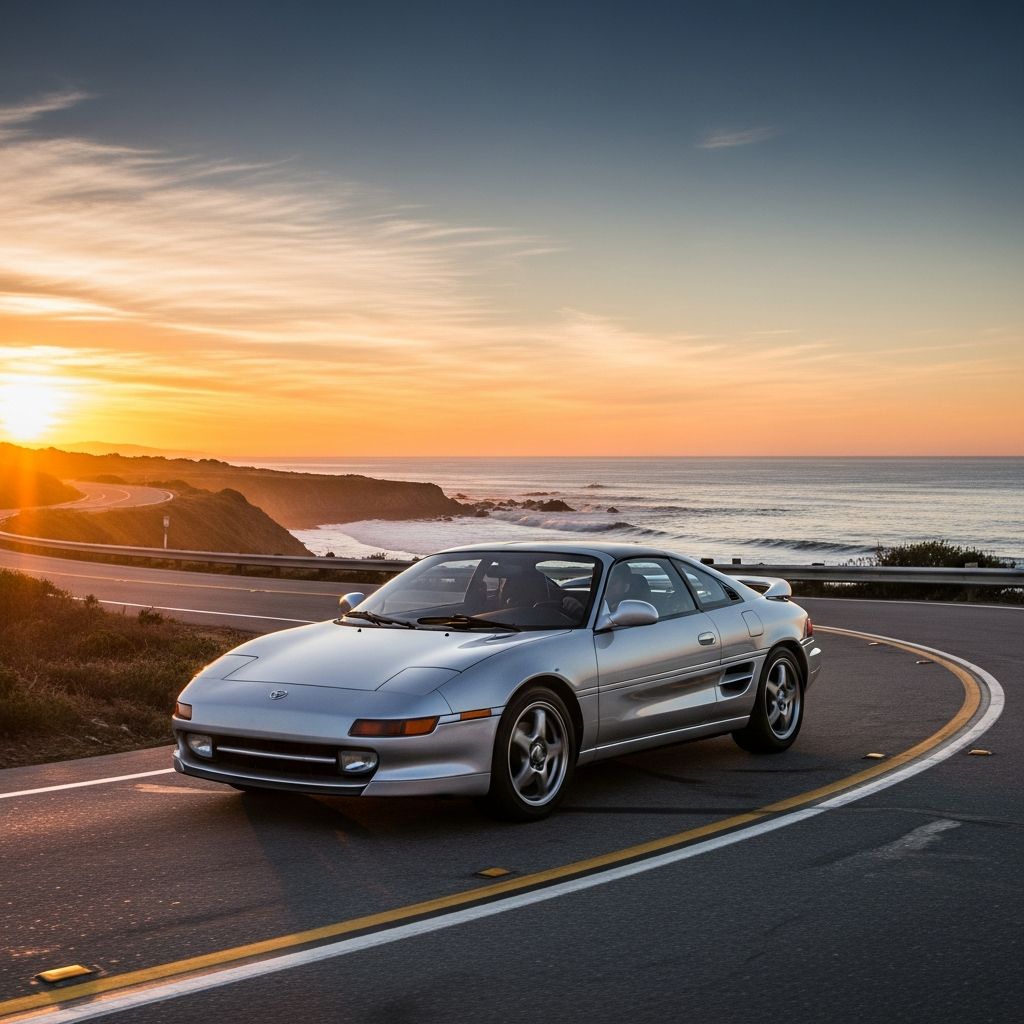
The Toyota MR2 1.8 VVTi SMT stands out as a compact mid-engine sports car that prioritizes pure driving enjoyment over practicality. This third-generation model, produced from 2000 to 2008, delivers agile handling, a responsive engine, and an innovative semi-automatic transmission, making it a favorite among enthusiasts who crave lightweight performance without breaking the bank.
Engineering a Mid-Engine Marvel
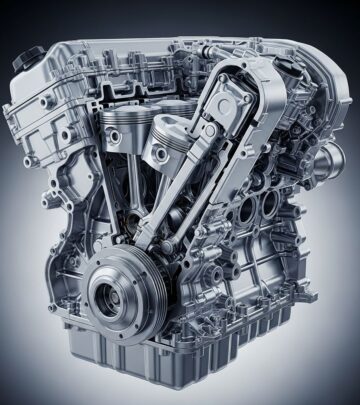
At the heart of the MR2’s appeal is its mid-engine layout, which positions the 1.8-liter VVTi powerplant behind the cabin. This configuration provides exceptional balance, with a low center of gravity and near-perfect weight distribution for superior roadholding. The engine, shared with the Celica, produces 138 bhp at 6,400 rpm and 170 Nm of torque at lower revs, offering peppy acceleration suitable for spirited drives.
Dimensions play a key role in its nimble character: length of 3,895 mm, height of 1,240 mm, and a wheelbase of 2,450 mm contribute to a minimum kerb weight of just 1,045 kg. This featherweight build, combined with rear-wheel drive, ensures the car feels alive in corners, with a turning circle of only 5 meters for effortless maneuvering.
Powertrain and SMT Transmission Breakdown
The 1,794 cc inline-four engine features DOHC with variable valve timing (VVTi), 16 valves, and fuel injection, paired with a catalytic converter for Euro 3 compliance and CO2 emissions of 178 g/km. It propels the car to a top speed of 131 mph, with 0-62 mph in 9.3 seconds for the automatic variant—figures that prioritize fun over outright speed. Fuel economy stands at 28 mpg urban and 48 mpg extra-urban, reasonable for a sports car of its era.
What sets the SMT (Sequential Manual Transmission) apart is its single-clutch automated system, mimicking a traditional manual without a clutch pedal. Drivers use steering-wheel-mounted paddles to shift, with the computer handling clutch engagement and throttle blips for smoother downshifts. While 0-60 mph takes 8.2 seconds—slower than the manual due to cautious shifts—it delivers reliable, paddle-shift excitement. This setup appeals to those wanting F1-style control in a daily-driveable package.
| Performance Metric | Value |
|---|---|
| Engine Power | 138 bhp @ 6,400 rpm |
| Torque | 170 Nm |
| 0-62 mph | 9.3 seconds (SMT: ~8.2 sec 0-60) |
| Top Speed | 131 mph |
| Fuel Economy (Combined) | ~37 mpg |
Handling and On-Road Dynamics
Owners and reviewers praise the MR2’s chassis for its precision. The electric power-assisted steering offers quick 2.7 turns lock-to-lock with excellent feedback, outperforming some contemporaries like the BMW E46 M3 in feel and weighting. Rear 215/45 R16 tires on 15-inch alloys, plus a space-saver spare, support its grippy stance.
Balanced under high loads, the car excels on twisty roads and tracks, though it demands respect for lift-off oversteer—a tail-happy trait tamed by proper wheel alignment. Suspension tuning is firm, minimizing body roll while absorbing most imperfections, though some note interior rattles over time. The result is a pure, engaging drive that feels more exotic than its price suggests.
Interior Comfort and Practicality
With only two seats and minimal frunk/boot space (around 78 liters), the MR2 is unapologetically driver-focused. The cabin features simple controls, including central electric windows, a handbrake, and modern touches like USB ports in later models. Audio options include Bluetooth-enabled CD players, but luxury is absent—rattles and a tappety engine note are common critiques.
Despite this, it’s surprisingly refined at highway speeds, quiet enough for cruising at 70 mph. Air conditioning is standard on SMT models, and the lightweight targa roof enhances open-air fun. For dual-income couples without kids, it’s an ideal thrill machine that encourages light packing.
- Pros: Razor-sharp steering, balanced chassis, innovative SMT shifting.
- Cons: Limited storage, potential rattles, firm ride.
Reliability and Ownership Costs
Toyota’s reputation shines through: the MR2 Roadster is metronomically reliable, with few major issues beyond routine maintenance. The VVTi engine is durable, though exhaust and tappet noise may develop. SMT reliability is solid, thanks to sophisticated controls, but manuals are preferred by purists for faster shifts.
As a used buy, prices are attractive—nearly new examples offer Porsche Boxster looks at a fraction of the cost. Running costs are low: 48-liter tank, efficient economy, and cheap parts. However, watch for oversteer in wet conditions and ensure suspension bushings are fresh.
Comparing the MR2 to Rivals
Versus the Mazda MX-5, the MR2 trades practicality for mid-engine poise and SMT novelty, though the MX-5 sold better due to easier usability. It rivals entry-level Lotus Elises in agility but with Toyota dependability. The Honda S2000 edges it in power, but the MR2’s lighter weight and lower price make it compelling.
| Feature | Toyota MR2 SMT | Mazda MX-5 | Honda S2000 |
|---|---|---|---|
| Power | 138 bhp | 140 bhp | 240 bhp |
| Weight | 1,045 kg | 1,100 kg | 1,270 kg |
| Transmission Options | SMT Auto/Manual | Manual | Manual |
| Price (Used) | Low | Moderate | High |
Modifications and Enthusiast Appeal
The MR2’s aftermarket is robust: wheel alignments reduce oversteer, upgraded exhausts improve sound, and suspension tweaks enhance stability. Track days reveal its potential, with balanced dynamics making it forgiving yet rewarding. Steering upgrades aren’t needed—its factory setup is class-leading.
For daily use, it’s versatile: fun on backroads, composed on motorways, and easy to park. The SMT suits lazy drivers, automatically blipping for heel-toe perfection.
Buying Guide: What to Look For
- Service history: Prioritize full Toyota records for engine and SMT health.
- Test drive: Check for oversteer, rattles, and smooth shifts.
- Bodywork: Inspect for crash damage, as mid-engine repairs are costly.
- Tyres and alignment: Fresh rears prevent snap oversteer.
- Mileage: Under 100,000 miles ideal for longevity.
FAQs
Is the Toyota MR2 1.8 VVTi SMT reliable?
Yes, it’s highly reliable with Toyota’s bulletproof engineering, though SMT units need regular fluid changes.
How does the SMT transmission feel?
It shifts via paddles with computer-controlled clutch and throttle, feeling seamless but slightly slower than manuals.
What’s the fuel economy like?
Expect 28 mpg city, 48 mpg highway, and around 37 mpg combined.
Is it safe?
As a lightweight roadster, it lacks modern aids but offers strong balance; drive within limits to manage oversteer.
Good for beginners?
Best for experienced drivers due to its lively rear end.
In summary, the Toyota MR2 1.8 VVTi SMT captures the essence of affordable sports car joy: mid-engine thrills, innovative tech, and enduring reliability make it a modern classic worth seeking out.
References
- Toyota MR2 1.8 VVTi 2dr SMT [AC] Specs — Top Gear. 2026. https://www.topgear.com/car-reviews/toyota/18-vvti-2dr-smt-ac/spec
- Tested: 2003 Toyota MR2 Spyder SMT — Car and Driver. 2003. https://www.caranddriver.com/reviews/a15136999/toyota-mr2-spyder-smt-short-take-road-test/
- Toyota MR2 MK3 1.8 VVTi Opinions — PistonHeads. N/A. https://www.pistonheads.com/gassing/topic.asp?h=0&f=255&t=1142382&i=60
- Toyota MR2 Roadster (2000-2008) Review — RAC Drive. N/A. https://www.rac.co.uk/drive/car-reviews/toyota/mr2/mr2-roadster-2000-2008/
- 2006 Toyota MR2 1.8 VVTi Roadster Review — YouTube. 2006. https://www.youtube.com/watch?v=tTQHp9HzfcE
- Toyota MR2 Roadster (2000-2008) — Car and Driving. N/A. https://www.caranddriving.com/editorial-library-review.aspx?id=208605
Similar Articles






Read full bio of Sneha Tete