Toyota Dyna: The Enduring Commercial Truck
Discover the Toyota Dyna's evolution from a 1950s workhorse to a modern, efficient cab-over truck powering global industries.
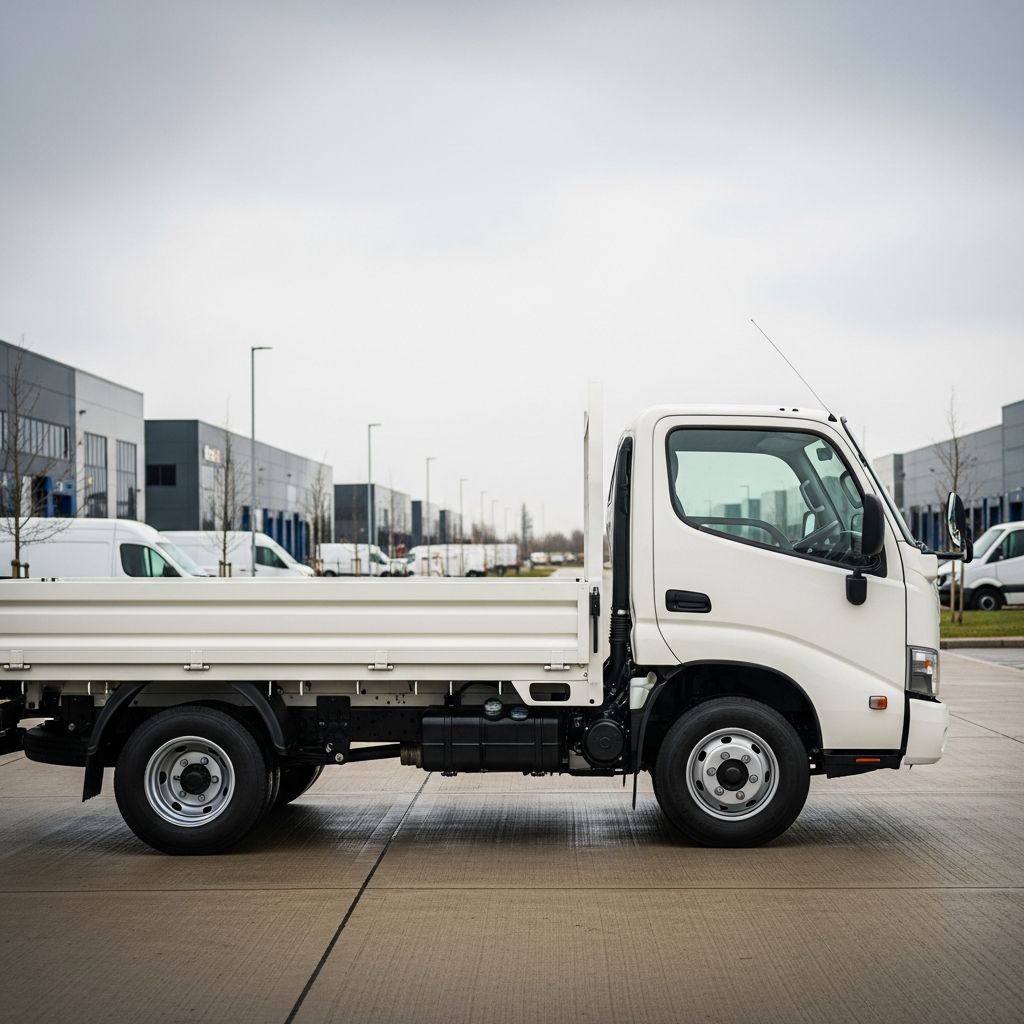
The Toyota Dyna stands as a cornerstone in the world of light to medium-duty commercial vehicles, offering unmatched reliability and versatility for urban and rural operations alike. Originating in Japan, this cab-over truck has powered businesses from delivery services to construction sites for over six decades.
Origins and Early Development
The Toyota Dyna traces its roots to the post-war era when Japan needed efficient transport solutions. Debuting in the late 1950s as a light-duty cab-over truck, it was designed for tight city streets and short-haul deliveries. The name ‘Dyna,’ short for dynamic, reflected its agile performance and robust build. Early models featured simple, low-maintenance designs that prioritized ease of operation, quickly gaining favor in construction, agriculture, and municipal services.
Initial generations from 1959 to 1983 established the cab-over layout, which positions the driver’s cab directly over the engine for a shorter overall length. This innovation maximized cargo space without sacrificing maneuverability, making it ideal for congested urban environments. The trucks were exported internationally, proving their durability in diverse climates from Asia to Africa.
Evolution Across Generations
The Dyna has undergone eight generations, each introducing enhancements in power, comfort, and efficiency. Here’s a breakdown of key milestones:
- First to Fourth Generations (1959–1983): Focused on basic reliability with cab-over designs and low-maintenance components. These models excelled in city logistics.
- Fifth Generation (1984–1994): Expanded diesel engine options and boosted international sales. Introduced quad round headlights in BU-series models and features like the ‘full just-low’ flat deck for easier loading.
- Sixth Generation (1995–2001): Strengthened chassis for superior ride quality, plus improved cabin ergonomics with better seating and air conditioning.
- Seventh Generation (2002–2011): Pioneered hybrid technology with the Dyna Hybrid, Toyota’s first hybrid commercial truck. Added DPF emissions systems and automatic transmissions.
- Eighth Generation (2011–Present): Co-developed with Hino, incorporating Euro IV–VI standards, ABS, VSC, and pre-collision systems. Emphasizes sustainability and safety.
| Generation | Years | Payload Focus | Key Tech |
|---|---|---|---|
| 1st–4th | 1959–1983 | 1-2 tons | Cab-over basics |
| 5th | 1984–1994 | 2-3 tons | Diesel expansion, auto trans |
| 6th | 1995–2001 | 2-4 tons | Chassis upgrades |
| 7th | 2002–2011 | 2-3.5 tons | Hybrid intro, DPF |
| 8th | 2011–Now | 2-4 tons | Safety suites, emissions compliance |
This progression reflects Toyota’s commitment to adapting the Dyna for global regulations and customer needs.
Powertrain and Performance Highlights
Modern Dyna models feature robust diesel engines like the 1KD-FTV and N04C, delivering up to 109 horsepower and 300 Nm of torque from a 3.0-liter displacement. These powerplants provide strong low-end torque ideal for loaded hauls, with 0-100 km/h acceleration around 15 seconds and top speeds near 150 km/h.
Transmission choices include 5-speed or 6-speed manuals for precise control, alongside 6-speed automatics with shift-mode flexibility for smoother urban driving. Fuel efficiency reaches 10.2 km/L in manual variants, supported by direct fuel injection and a 60-liter tank. Hybrid options from the seventh generation onward cut emissions via regenerative braking and electric assist, marking Toyota’s early push into green commercial tech.
Chassis enhancements, such as torsion bar springs with double wishbone suspension and stabilizers, ensure stability under heavy payloads up to 4 tons. The lightweight yet tough frame optimizes handling in traffic.
Cab Design and Driver Comfort
The Dyna’s cab prioritizes ergonomics with spacious interiors offering ample legroom and headroom. Redesigned cabins feature wider seats, improved air conditioning, sound insulation, and intuitive dashboards for quick access to controls.
Visibility is enhanced through large corner windows, aerodynamic windshields, and optimized angles, reducing blind spots. Newer models add cab tilt mechanisms for easy engine access, plus features like combination meters for at-a-glance monitoring. Passenger car-like shifting and adjustable seats make long shifts comfortable.
Safety and Modern Features
Safety has evolved significantly, with eighth-generation models including ABS with brake assist, load-sensing proportioning valves, traction control, vehicle stability control, reverse sensors, cab tilt warnings, and dual airbags. These mitigate risks in demanding environments.
Emissions compliance with Euro IV–VI standards, aided by DPF systems, ensures environmental responsibility. Pre-collision warnings and improved visibility further protect drivers and cargo.
Versatile Configurations for Every Job
The Dyna’s strength lies in its adaptability. Available in dump, flatbed, box, freezer, and fire engine chassis, it suits industries from logistics to emergency services. Long, flat decks with drop sides and secure latches maximize payload utility. Compact dimensions navigate narrow streets, while customizable lengths handle varied tasks.
Global Appeal and Reliability Factors
From Japan and Kenya to Dubai and South America, the Dyna thrives due to its compact size, long engine life, strong resale value, and widespread parts availability. Fuel efficiency, low operating costs, and compliance with strict standards sustain its popularity. Businesses value its ruggedness in high-performance scenarios combined with comfort.
Why Choose the Toyota Dyna Today?
In 2026, the Dyna remains relevant with ongoing updates blending tradition and innovation. Its hybrid lineage positions it ahead in sustainability, while safety tech matches heavier rivals. For operators seeking a balance of power, efficiency, and versatility, few trucks rival it.
Frequently Asked Questions (FAQs)
What is the payload capacity of the Toyota Dyna?
Payloads range from 1 to 4 tons depending on the model and configuration.
Does the Dyna offer hybrid options?
Yes, starting from the seventh generation, including Toyota’s first hybrid commercial truck.
What transmissions are available?
5- or 6-speed manuals and 6-speed automatics with manual shift mode.
Is the Dyna suitable for city driving?
Absolutely, its cab-over design and compact size excel in urban settings.
How fuel-efficient is the latest Dyna?
Up to 10.2 km/L for manual models, with hybrids offering further improvements.
References
- Toyota Dyna: Generation Changes and Innovations — EVERYCAR.jp. 2023-05-15. https://www.everycar.jp/blog/toyota-dyna-generation-changes-and-innovations/
- Toyota Dyna — Wikipedia. 2025-10-01. https://en.wikipedia.org/wiki/Toyota_Dyna
- TOYOTA INTRODUCES FULL-MODEL CHANGE TO DYNA TRUCK — Toyota Global. 1984-09-01. https://global.toyota/en/detail/7750588
- 2021 Toyota Dyna Specifications Overview — Scribd/TCV. 2021-01-01. https://www.scribd.com/document/534877865/tcv-dyna-2021
- A Complete Review of the Toyota Dyna 2 Tonne Truck — SBT Japan. 2024-03-20. https://www.sbtjapan.com/sbtnews/news/a-complete-review-of-the-toyota-dyna-2-tonne-truck
- Dyna – Vehicle Lineage — Toyota Motor Corporation. 2020-01-01. https://www.toyota-global.com/company/history_of_toyota/75years/vehicle_lineage/car/id60016639/index.html
Similar Articles


Read full bio of Sneha Tete