Toyota Aygo: A Complete Guide to the City Car
Discover why this lightweight urban runabout delivers surprising value and driving enjoyment
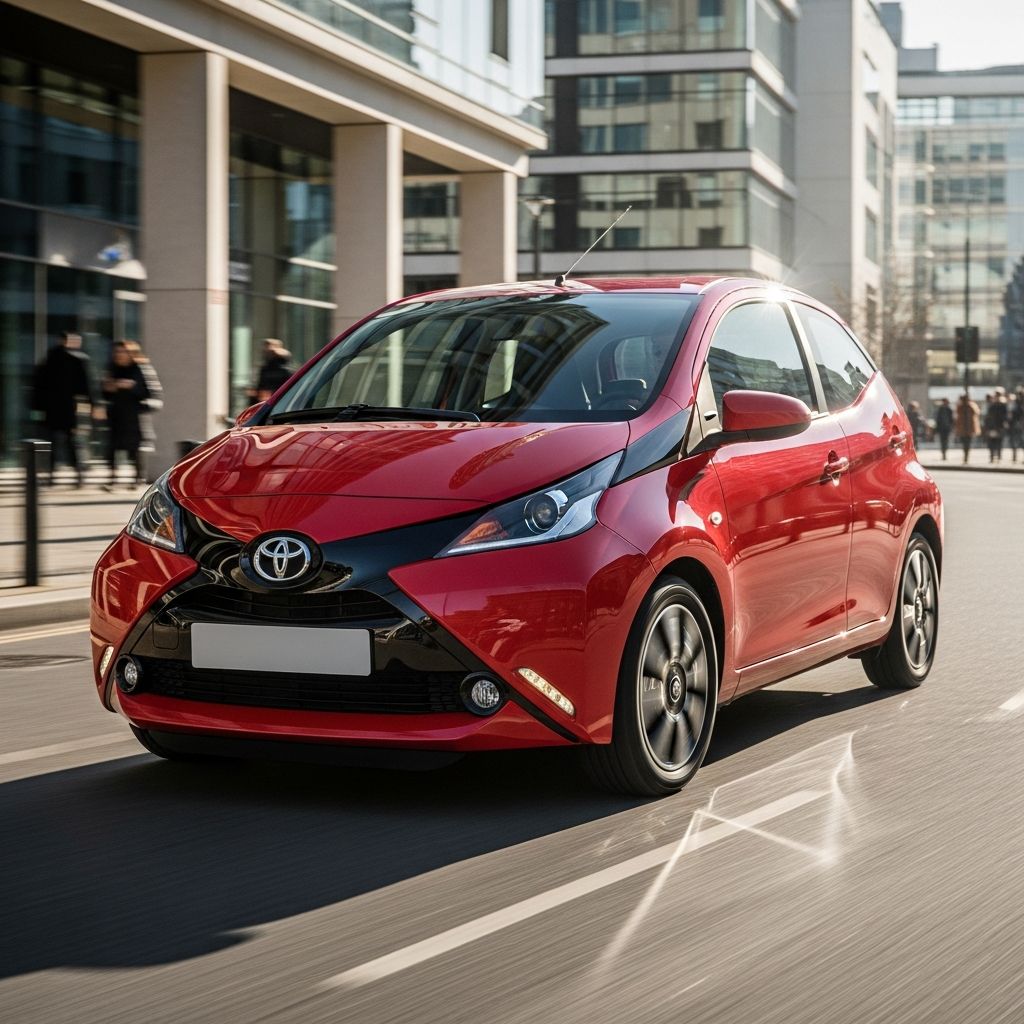
The Toyota Aygo has established itself as a prominent fixture in the compact vehicle segment, offering urban commuters and budget-minded buyers a practical alternative to larger automobiles. With over 15 years of continuous development since its initial launch, this lightweight contender has evolved to address the evolving needs of drivers seeking economical and agile transportation solutions. The vehicle represents a compelling proposition for those prioritizing efficiency, maneuverability, and affordability without sacrificing essential features or driving engagement.
Engine Performance and Power Delivery
At the core of the Aygo’s appeal is its engineering philosophy centered on lightweight construction paired with efficient propulsion. The vehicle typically features a 1.0-litre three-cylinder petrol engine that produces approximately 71-72 horsepower, positioning it as a capable performer within its class despite modest numerical specifications. This seemingly limited power output belies the practical utility the engine delivers in real-world driving scenarios.
Drivers consistently report that the three-cylinder unit exhibits a characterful sound signature that many describe as pleasantly sporty rather than coarse or unrefined. The engine pulls willingly through mid-range rev ranges, making it adequately suited for urban navigation and moderate-speed cruising. However, acceleration figures tell a more sobering story—the 0-62 mph sprint requiring approximately 14 seconds highlights the vehicle’s limitations on high-speed motorways where sustained acceleration demands become apparent.
Notably, recent model years have introduced a hybrid variant featuring a 1.5-litre hybrid powerplant, representing a significant mechanical evolution. This newer configuration addresses the previous generation’s acknowledged weakness regarding acceleration and sustained motorway performance, making the updated Aygo considerably more versatile for drivers who regularly encounter faster-moving traffic conditions.
Transmission Options and Driving Dynamics
The Toyota Aygo has traditionally offered buyers a choice between manual and automatic gearboxes, with the manual transmission particularly praised for its slick, responsive character. The manual gearbox exhibits positive engagement and smooth gear changes that enhance the overall driving experience, particularly in urban environments where frequent gear selection occurs.
Automatic transmission availability has provided convenience for those preferring simplified driving without the need for active gear selection. However, reports indicate that more recent automatic variants, specifically the continuously variable transmission (CVT) employed in hybrid models, present a notably different experience. User feedback suggests these contemporary automatic systems may lack the refined engagement found in traditional stepped-ratio automatics, with some characterizing the driving experience as less intuitive or engaging.
Fuel Efficiency and Running Costs
One of the Aygo’s most compelling attributes lies in its exceptional fuel economy figures. The vehicle’s lightweight construction—weighing approximately 900 kilograms—translates directly into reduced fuel consumption demands. Toyota’s official combined fuel consumption estimates center around 56 miles per gallon, figures that real-world drivers frequently achieve or even exceed during typical mixed driving conditions.
This exceptional efficiency extends beyond simple fuel economy metrics. Carbon dioxide emissions of approximately 93-95 grams per kilometer place the vehicle among the lowest in its segment, delivering environmental benefits alongside economic advantages. For budget-conscious owners, the combination of affordable purchase prices starting from approximately £12,800 for manual variants and miserly running costs creates a compelling value proposition that justifies the Aygo’s popularity among cost-aware buyers.
Interior Space and Comfort Considerations
The Aygo’s diminutive exterior dimensions inevitably create constraints regarding interior accommodation. Front seats offer reasonable comfort for average-sized adults, with adequate lateral support and adjustment ranges accommodating drivers of varying proportions. The dashboard layout features practical organization, and the relatively large window areas prevent the cabin from feeling oppressive or claustrophobic during urban driving.
The rear accommodation presents a different narrative entirely. The two-seat rear bench offers limited comfort for adult passengers, with space restrictions becoming increasingly apparent for taller occupants. Anyone exceeding six feet in height will encounter meaningful headroom and legroom constraints, making the rear seats genuinely uncomfortable for extended journeys. Children occupy the rear seats more comfortably, though even younger passengers may find the firm seating somewhat unforgiving during longer trips.
Optional features such as the full-length power canvas roof elevate the ownership experience, transforming the driving environment into something approaching an open-air experience during favorable weather. This modification particularly appeals to summer driving enthusiasts, creating an engaging convertible-like ambiance despite the vehicle’s modest stature.
Feature Set and Technology Integration
Modern Toyota Aygo variants demonstrate surprisingly comprehensive equipment lists for their price point. Standard and available features typically encompass air conditioning, smartphone integration via Apple CarPlay and Android Auto, digital audio broadcasting (DAB) stereo systems, voice control functionality, and automatic headlight adjustment. Safety provisions extend beyond basic offerings to include anti-lock braking systems (ABS), electronic stability control, hill-start assistance, and tyre pressure monitoring.
Premium specification tiers introduce additional conveniences such as reversing cameras providing rear-view visibility during parking maneuvers, lane-keeping assistance for highway driving, and collision alert systems designed to mitigate accident severity. This comprehensive feature architecture ensures that Aygo buyers receive meaningful technological sophistication despite the vehicle’s budget positioning, eliminating the perception that affordability requires sacrificing essential safety or convenience equipment.
Handling and Driving Experience
Despite its lightweight construction and modest power output, the Aygo delivers a surprisingly engaging driving experience that many reviewers describe as genuinely entertaining. The vehicle’s responsive handling characteristics stem partially from its low mass, enabling brisk changes of direction and agile maneuvering through congested urban environments. The electric power steering system, while not delivering heavy feedback, provides adequate precision and weighting to inspire confidence during spirited driving.
Suspension tuning demonstrates careful engineering, striking an effective balance between ride comfort and dynamic engagement. The suspension firms sufficiently to minimize body roll during cornering while maintaining suppleness adequate for urban road surface irregularities. Brake performance merits particular praise, with the braking system delivering confidence-inspiring stopping power despite the vehicle’s modest dimensions.
Road noise and wind rustling penetrate the cabin less than owners of compact vehicles might anticipate, though the three-cylinder engine produces noticeable acoustic character during hard acceleration. At cruising speeds on dual carriageways and motorways, refinement levels approach expectations for vehicles in considerably higher price brackets, demonstrating Toyota’s attention to soundproofing measures.
Practicality and Cargo Management
While the Aygo’s compact footprint inherently restricts cargo volume, the vehicle manages practical utility for single occupants or young couples undertaking shopping expeditions and weekend getaways. The design philosophy prioritizes seating flexibility and maneuverability over generous load-carrying capacity, making it fundamentally unsuitable for families requiring regular rear-seat accommodation for multiple passengers alongside substantial luggage.
The vehicle excels as a primary transportation solution for urban dwellers, commuters managing moderate distances, or second-car owners for households seeking an economical weekend runabout. This focused utility definition shapes purchasing recommendations—the Aygo represents optimal value for specific demographic segments while potentially disappointing buyers with different transportation requirements.
Comparative Value Assessment
The Toyota Aygo occupies a distinctive market position, competing primarily against vehicles such as the Volkswagen Up and other entries in the ultra-compact vehicle segment. At price points commencing below £13,500 for automatic variants, the Aygo delivers remarkable value relative to contemporary alternatives, particularly considering its comprehensive feature integration, proven reliability pedigree, and exceptional operating economy.
The vehicle’s established market presence spanning over a decade and a half provides prospective buyers with confidence regarding long-term reliability and parts availability. This longevity in the marketplace, combined with Toyota’s reputation for engineering durability, creates additional value that transcends pure numerical specification comparisons.
Target Audience and Ownership Suitability
The Toyota Aygo appeals most effectively to specific buyer profiles. Urban dwellers managing congested city navigation will discover an exceptionally maneuverable and economical solution requiring minimal parking space. Young professionals commencing independent transportation may find the Aygo’s affordability and feature completeness particularly attractive relative to premium-branded alternatives offering questionable additional value.
Households seeking economical second vehicles for weekend usage or short-range errands will appreciate the Aygo’s operational frugality and maintenance simplicity. Conversely, buyers requiring regular rear-seat accommodation for adult passengers, those navigating primarily high-speed motorway environments, or individuals seeking driving experiences emphasizing power and performance should investigate alternative vehicles better aligned with their specific requirements.
Frequently Asked Questions
What fuel consumption should I realistically expect? Most owners report achieving figures matching or exceeding Toyota’s 56 mpg combined estimate during regular mixed driving, with careful driving techniques potentially yielding higher efficiency.
Is the Aygo suitable for motorway driving? While capable of motorway cruising, the original engine’s limited power makes sustained high-speed acceleration challenging. Recent hybrid variants provide substantially improved performance in this context.
How comfortable is the rear seating? Rear accommodation works adequately for short journeys or children but becomes increasingly uncomfortable for adult passengers, particularly on extended trips.
What warranty coverage does Toyota provide? Toyota typically offers comprehensive warranty protection on new vehicles, with specific terms varying by market and model year.
References
- Toyota Official Specifications and Standards — Toyota Motor Corporation. 2026. https://www.toyota.co.uk/vehicles/new-aygo/specifications/
- Small Car Fuel Economy and Emissions Testing — European Environment Agency. 2025. https://www.eea.europa.eu/highlights/motor-vehicles-emissions-and-fuel-consumption
- Vehicle Safety Equipment Standards — Euro NCAP Research Foundation. 2024. https://www.euroncap.com/
Similar Articles








Read full bio of medha deb