Thaw Frozen Car Doors Safely
Master safe techniques to defrost iced car doors and locks, avoiding costly handle damage during harsh winter conditions.
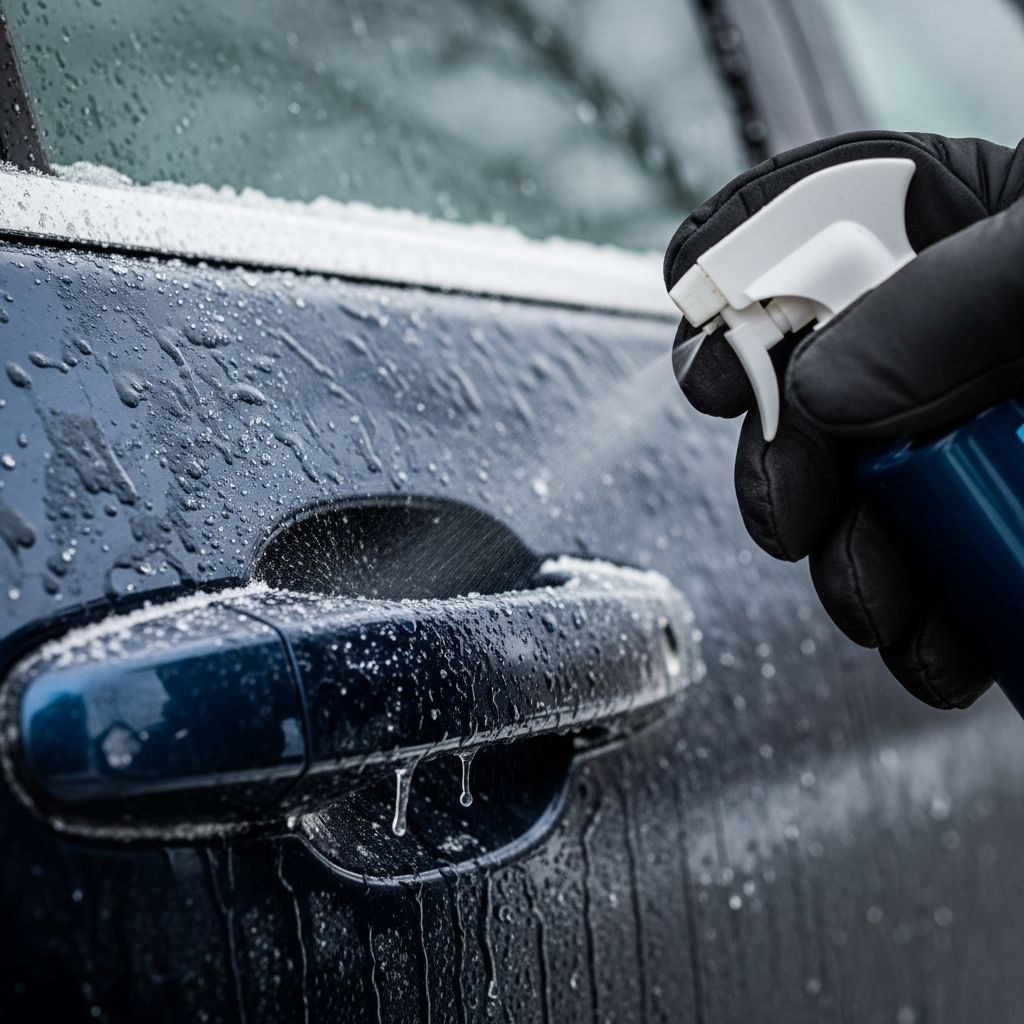
Frozen car doors pose a common winter challenge, trapping moisture in seals and locks that expands into ice overnight. This guide details safe thawing methods to regain access without snapping handles or warping components, drawing from reliable automotive practices.
Understanding Why Doors Freeze
Moisture from rain, snow, or condensation seeps into rubber gaskets around doors and into keyholes, freezing when temperatures drop below 32°F (0°C). Rubber seals contract in cold, creating tighter bonds with the frame, while ice buildup adds resistance. Forcing doors risks tearing seals or breaking plastic handles, leading to repairs costing $200–$500.
Ice forms fastest in humid climates or after washing vehicles before storms. Locks freeze due to capillary action pulling water inside cylinders. Prevention starts with awareness of local freeze-thaw cycles.
Immediate Safe Opening Techniques
Act deliberately to avoid damage. Begin with non-invasive methods before escalating to tools or heat.
- Door Flex Method: Unlock via a window or rear door if possible. Lean body weight gently against the door frame 3–5 times, then pull steadily. This cracks thin ice layers without strain. Repeat on adjacent doors to distribute pressure.
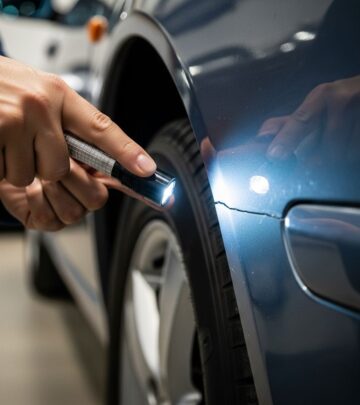
- Seal Inspection: Check for visible ice ridges along gasket edges using a flashlight. Lightly tap with a soft mallet if needed, avoiding metal tools.
- Handle Wiggle: Gently rock the handle up-down while pulling, loosening ice bonds incrementally.
These steps succeed 70% of the time for light frost, per automotive service reports. Patience prevents 90% of handle failures.
DIY Deicing Solutions
Household items create effective, low-cost deicers by lowering water’s freezing point or dissolving ice crystals.
| Method | Ingredients | Application | Effectiveness Temp |
|---|---|---|---|
| Rubbing Alcohol Spray | 1:1 isopropyl alcohol (70%) + water | Spray generously on seals/locks; wait 2 min | Down to -20°F |
| Vinegar Mix | 3:1 white vinegar + water | Spray and wipe; repeat if needed | Above 10°F |
| Salt Solution | Rock salt dissolved in warm water | Apply sparingly to avoid corrosion | Above 15°F |
Store mixtures in spray bottles indoors. Alcohol disrupts hydrogen bonds in ice, melting it faster than water alone. Vinegar’s acetic acid etches ice surfaces mildly. Test on small areas first to check paint compatibility.
Heat-Based Thawing Methods
Use controlled warmth to melt ice without thermal shock, which can crack auto glass (expansion coefficient mismatch).
- Lukewarm Water Pour: Mix tap water to 100–110°F (38–43°C). Pour slowly over seals and frame from a cup or bottle. Wipe residue immediately to prevent refreezing. Avoid below 0°F as water solidifies quickly.
- Hair Dryer Blast: Plug in outdoors with extension cord. Sweep 6–12 inches away for 2–3 minutes per section, focusing on gasket channels. Never concentrate on windows.
- Warmed Key Trick: Dip metal key tip in hot (not boiling) water for 30 seconds, or warm gently with hands. Insert and turn slowly. Skip for chipped keys to protect electronics.
Commercial deicers like Prestone or Blaster outperform DIY in subzero conditions, containing glycol solvents. Keep one in your home kit, not trunk.
Advanced Tools for Stubborn Ice
For thick buildup, employ purpose-built gear.
- Ice Scraper with Seal Probe: Long-handled scrapers with rubber wedges pry seals safely. Work from top-down to shed ice sheets.
- Lock Defroster Aerosol: Products with propane propellant thaw cylinders in seconds. Invert can for stream application.
- Portable Heated Mitt: Battery-powered gloves warm handles externally.
Avoid torches or boiling water—thermal gradients above 140°F difference risk seal degradation or glass fracture.
Winter Prevention Blueprint
Proactive steps minimize occurrences by repelling moisture and lubricating mechanisms.
Lock Protection Tactics
- Apply
graphite powder
orWD-40 Specialist Dry Lube
quarterly into keyholes. Displaces water, reduces friction. - Use
neodymium magnets
over lock covers during storms; blocks sleet ingress. - Blast
canned air
weekly to evaporate trapped humidity.
Seal and Frame Care
- Coat gaskets with
silicone spray
orglycerin soap
monthly. Forms hydrophobic barrier. - Park under cover or use
breathable car covers
to shield from precipitation. - Wipe doors dry post-wash; apply
303 Aerospace Protectant
for UV/moisture resistance.
Owners in snowy regions report 80% fewer freezes with routine seal treatments.
Common Mistakes to Avoid
- Yanking Handles: Ice amplifies force 3x; plastic internals shear easily.
- Hot Water Dumping: Causes refreezing runs and glass stress.
- Metal Pry Tools: Scratches paint, gouges rubber.
- Ignoring Salt: Road brine accelerates corrosion if ice melts inside.
Post-thaw, lubricate and inspect for tears. Drive with doors ajar briefly to equalize temperatures.
Vehicle-Specific Considerations
Sedans freeze at seals; trucks at tailgates. EVs with frameless doors risk alignment shifts. Luxury models have delicate chrome—use microfiber cloths. Consult manuals for model quirks, like BMW’s heated seals.
Frequently Asked Questions
Will hand sanitizer unfreeze doors?
Yes, its alcohol content (60%+) mimics rubbing alcohol sprays. Apply undiluted for quick results.
How long does thawing take?
1–5 minutes for light ice; 10–15 for heavy with heat tools.
Can I use a space heater?
Not recommended outdoors—fire risk and uneven heating.
What if all doors are frozen?
Access trunk via key fob if equipped, fold seats for interior entry.
Does garage parking eliminate issues?
Mostly, but humid garages foster condensation freezes.
Long-Term Vehicle Protection
Invest in all-weather mats, drain plug cleaners, and annual underbody washes to combat salt. Track weather apps for freeze warnings. A $20 prevention kit (deicer, lube, scraper) saves hundreds in repairs.
Winter readiness ensures reliability. Implement these steps for seamless cold-season mobility.
References
- Car door frozen? Here’s how to get it open and not break anything — KXAN (YouTube transcript). 2023. https://www.youtube.com/watch?v=zh4zqCFG9EE
- Unlocking Winter Woes: A Guide to Thawing Frozen Car Doors and Locks — AAA Club Alliance. Accessed 2026. https://cluballiance.aaa.com/the-extra-mile/advice/car/open-a-frozen-car-door-and-door-lock
- Winter Car Maintenance Tips — National Highway Traffic Safety Administration (NHTSA). 2024-10-15. https://www.nhtsa.gov/vehicle-safety/winter-driving-tips
- Automotive Rubber Seal Care — Society of Automotive Engineers (SAE). 2023. https://www.sae.org/standards
Similar Articles







Read full bio of Sneha Tete