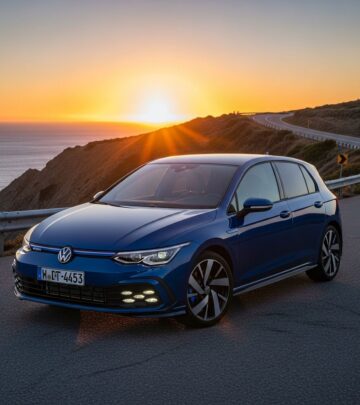
Suzuki Swace Hybrid Estate: Performance & Practicality
Discover how this Toyota-based hybrid estate delivers efficiency and comfort for families
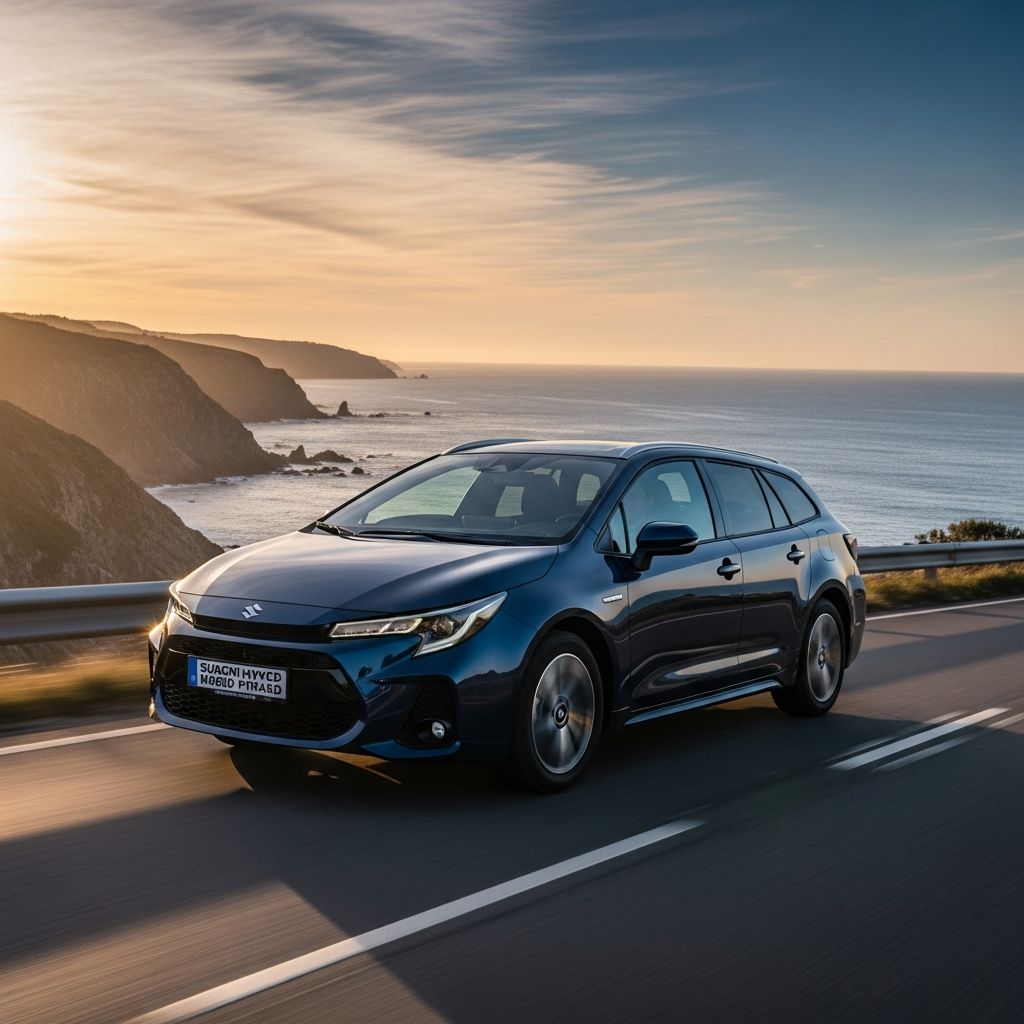
The Suzuki Swace Hybrid Estate: A Practical Family Vehicle Worth Considering
The automotive industry has seen numerous collaborations between manufacturers, but few have produced vehicles as intriguing as the Suzuki Swace. This hybrid estate car represents a unique partnership between Suzuki and Toyota, resulting in a vehicle that combines practicality with efficiency. Whether you’re searching for a family runabout or a comfortable long-distance cruiser, the Swace presents an interesting proposition in a crowded market segment dominated by established names.
Understanding the Toyota-Suzuki Connection
The Suzuki Swace is not an entirely independent design but rather emerges from a strategic alliance between two Japanese automotive giants. This partnership has resulted in a vehicle that shares significant engineering DNA with the Toyota Corolla Touring Sports, though Suzuki has attempted to differentiate its offering through distinctive branding and pricing strategies. The vehicle is manufactured in the same Derbyshire facility that produces the Corolla, ensuring consistent quality standards and production efficiency.
The name “Swace” itself is a clever portmanteau combining “space” and “wagon,” reflecting the vehicle’s dual purpose as both a spacious cargo carrier and a comfortable family conveyance. Despite sharing platforms and powertrains with its Toyota counterpart, Suzuki has positioned the Swace as a more accessible alternative, targeting budget-conscious families who prioritize value without sacrificing essential features.
Visual Identity and Design Philosophy
From an aesthetic perspective, the Suzuki Swace maintains a relatively subtle departure from its Toyota foundation. The front fascia features revised styling elements, including a repositioned logo and updated grille design, though these modifications are largely cosmetic in nature. Some design cues remain distinctly Toyota, such as the hybrid badging displayed in Toyota’s characteristic typeface, while the Suzuki emblem on the rear appears somewhat hastily applied over what was originally a Toyota badge.
The vehicle rides on 16-inch alloy wheels equipped with chunky sidewalls, identical to those found on entry-level Toyota Corolla models. This pragmatic approach to shared components reduces manufacturing costs while maintaining acceptable visual appeal. The overall proportions reflect the estate car format, with generous cargo space and a profile that prioritizes function over flashy aesthetics.
Powertrain and Mechanical Configuration
Where the Suzuki Swace truly distinguishes itself is in its hybrid powertrain engineering. Rather than offering multiple engine options, Suzuki has chosen to supply exclusively a 1.8-litre hybrid system, specifically the smaller variant available in the Toyota lineup. This strategic decision simplifies the product range while emphasizing fuel efficiency and environmental consciousness.
The petrol component produces 98-101 horsepower and 142 Newton-metres of torque at 3,600 revolutions per minute. The integrated electric motor contributes an additional 70-72 horsepower and 163 Newton-metres of torque, resulting in a combined output of 120-122 horsepower depending on driving conditions. This configuration enables the vehicle to operate in several modes: pure electric propulsion for short urban journeys, petrol-only operation at higher speeds, and hybrid assistance for optimized efficiency.
Power transmission occurs through a continuously variable transmission (CVT) automatic gearbox that routes drive exclusively to the front wheels. This transmission type excels in urban environments where frequent speed adjustments and regenerative braking opportunities maximize electric-only driving range. However, at highway velocities, the CVT exhibits characteristic droning noise when the engine operates at peak revolutions, a quirk that some drivers find objectionable.
Performance Metrics and Driving Dynamics
| Performance Specification | Measurement |
|---|---|
| 0-62 mph Acceleration | 11.1 seconds |
| Maximum Speed | 112 mph (180 km/h) |
| Combined Fuel Economy | 64.2 mpg |
| CO₂ Emissions | 99-103 g/km |
| Kerb Weight | 1,475 kg |
| 0-100 km/h (Alternative) | 11.1 seconds |
The Suzuki Swace’s acceleration performance reflects its practical focus rather than performance ambitions. The 11.1-second zero to sixty-two acceleration time places it comfortably within family car expectations without delivering thrilling performance. The top speed of 112 miles per hour adequately serves highway cruising requirements, though enthusiasts seeking spirited driving experiences will find the Swace uninspiring.
In normal driving conditions, the vehicle handles competently with responsive steering and composed suspension geometry. The narrow profile and low ground clearance combine with the substantial sidewalls of those 16-inch tyres to deliver a smooth, settled ride quality that particularly excels during extended motorway journeys. The Swace prioritizes comfort and relaxation over dynamic handling characteristics, making it genuinely suitable for families undertaking long-distance travel regularly.
Fuel Consumption and Environmental Considerations
The hybrid powertrain delivers genuine real-world efficiency improvements beyond manufacturer claims. Independent testing has demonstrated remarkable fuel economy figures in varied driving conditions. Urban commuting scenarios with regenerative braking and electric-only operation have yielded approximately 47 miles per gallon despite stop-start traffic patterns and acceleration demands. Extended motorway journeys, though more demanding on the petrol engine, still achieve approximately 58 miles per gallon when heavily loaded—remarkable considering the manufacturer’s combined figure of 64.2 miles per gallon.
The electric motor’s ability to propel the vehicle independently during low-speed urban navigation provides opportunities for zero-emission driving in congestion-heavy routes. Once the battery charge depletes, the petrol engine seamlessly engages, though the transition occasionally produces an audible hum from the CVT transmission holding revolutions at the engine’s 5,200 rpm peak output.
Carbon dioxide emissions of 99 to 103 grams per kilometre position the Swace competitively within its vehicle class, offering environmental benefits compared to conventional petrol or diesel alternatives. For environmentally conscious families seeking to reduce their carbon footprint without committing to fully electric vehicles, the hybrid configuration provides an attractive middle ground.
Interior Space and Cargo Versatility
The estate car format delivers impressive cargo capacity that surpasses several direct competitors. With rear seats upright, the Swace accommodates 596 litres of cargo volume, expanding to 1,606 litres when rear seating is folded completely. This configuration provides more storage space than comparable alternatives such as the Vauxhall Astra Sports Tourer and delivers competitive capacity against the Subaru Levorg in standard seating arrangements.
The cabin features practical storage solutions throughout, with thoughtfully positioned compartments for personal items and travel accessories. However, the vehicle exhibits some quality inconsistencies, particularly in material selection. While predominantly upmarket in presentation with soft-touch surfaces strategically positioned, certain areas reveal more budget-conscious construction—notably hollow exterior door handles and scratchy interior plastics in less visible locations.
Technology Features and Convenience Equipment
The entry-level SZ-T trim provides respectable standard equipment levels, though the enhanced SZ5 variant introduces additional technological conveniences. The upper specification includes wireless charging capability, eliminating the need for traditional charging cables for compatible mobile devices. Parking assistance systems—both front and rear sensors combined with active guidance displays—prove particularly valuable given the Swace’s substantial D-pillar width, which can present challenges during parallel parking manoeuvres.
Climate control, infotainment systems, and connectivity features vary by trim level, though even base models receive functional navigation and smartphone integration suitable for modern family requirements. The wireless charging feature and parking sensors represent genuine quality-of-life improvements worth consideration when specifying the vehicle.
Pricing Proposition and Value Assessment
The Suzuki Swace positions itself as an affordably priced alternative to the Toyota Corolla Touring Sports upon which it is mechanically based. At £29,299 for the tested SZ5 model, the vehicle undercuts its Toyota equivalent while providing identical powertrain technology and comparable build quality. This pricing strategy reflects Suzuki’s market positioning: delivering practical transportation without the premium brand image commanding higher prices.
However, the financial savings versus Toyota must be weighed against foregone features and perceived prestige. Toyota ownership carries brand recognition and established resale value that Suzuki has historically struggled to achieve in certain market segments. For price-sensitive buyers prioritizing immediate economy over long-term depreciation considerations, the Swace represents acceptable value.
Suitability and Target Audience
The Suzuki Swace appeals most directly to pragmatic family buyers who prioritize fuel economy, spacious interiors, and relaxed driving characteristics over performance capability or luxury appointments. The vehicle particularly suits:
- Families undertaking regular long-distance travel requiring comfortable, fuel-efficient transport
- Business users seeking practical cargo capacity with respectable fuel economy for reducing operational expenses
- Budget-conscious buyers transitioning from smaller vehicles but unwilling to compromise efficiency for size
- Environmentally minded customers seeking hybrid technology without full electric vehicle cost premiums
Conversely, the Swace disappoints buyers seeking engaging driving dynamics, premium material quality throughout the cabin, or cutting-edge technological features. Performance enthusiasts will find the acceleration and handling uninspiring, while luxury-focused customers will notice the cost-saving measures in material selection and trim presentation.
Comparative Market Position
Within the estate car segment, the Swace occupies an interesting middle ground. It delivers superior space and practicality compared to compact hatchbacks while offering better fuel efficiency than many larger SUVs. The hybrid configuration provides environmental benefits and genuine fuel economy improvements compared to petrol-only competitors, though full electric alternatives eliminate tailpipe emissions entirely. Against diesel estate cars, the Swace’s refinement and lower running costs present compelling arguments for families willing to accept slightly reduced maximum load capacity.
Ownership Practicalities and Maintenance Considerations
Ownership of a Suzuki Swace involves considerations extending beyond initial purchase price. Suzuki’s dealership network, while established, remains smaller than Toyota’s, potentially affecting service accessibility in certain regions. However, shared mechanical components with Toyota mean many service specialists can perform maintenance using identical procedures and parts. The hybrid powertrain requires no routine battery replacement during typical ownership periods, and regular servicing costs remain competitive within the segment.
Final Assessment
The Suzuki Swace represents a genuinely practical family estate car delivering commendable fuel efficiency, spacious accommodation, and relaxing driving characteristics. The hybrid powertrain provides authentic environmental benefits and real-world fuel economy improvements that justify the technology investment. While the vehicle lacks the prestige of Toyota branding, dynamic handling of performance-focused alternatives, or luxury refinement of premium offerings, it delivers honest transportation value for families prioritizing economy and practicality.
Strategic negotiation at Suzuki dealerships can yield additional savings beyond the competitive base pricing, potentially making this vehicle a worthwhile consideration for cost-conscious buyers seeking reliable, efficient family transport. The Swace may not inspire passion or excitement, but it quietly and competently fulfills family transportation requirements without demanding premium pricing or compromising environmental responsibility.
References
- New Suzuki Swace SZ5 2021 review — Auto Express. 2021. https://www.autoexpress.co.uk/suzuki/swace/354234/new-suzuki-swace-2021-review
- 2021 Suzuki Swace Hybrid | Driving, Interior, Exterior — The Wheel Network. 2021. https://www.youtube.com/watch?v=5o0Out4klNg
- 2021 Suzuki Swace Review – Clean, spacious, generous tech — Driving Torque. 2021. https://drivingtorque.com/2021-suzuki-swace-review-clean-spacious-generous-tech-not-one-to-be-pushed/
- Final report: Suzuki Swace long-term test — Business Car. 2021. https://www.businesscar.co.uk/test-drives/final-report-suzuki-swace-long-term-test/
- 2021 Suzuki Swace review — Automotive Blog. 2021. https://automotiveblog.co.uk/2021/03/suzuki-swace-review/
- Suzuki Swace hybrid review 2022 — DrivingElectric. 2022. https://www.drivingelectric.com/suzuki/swace
- Suzuki Swace | Is It An Overlooked Estate Car? | Review, Test Drive — YouTube. 2021. https://www.youtube.com/watch?v=KzwIFphIwXA
Similar Articles


Read full bio of medha deb