Suzuki Ignis Sport Review And Used Buyer’s Guide
Discover the forgotten gem of hot hatches: Suzuki's Ignis Sport blends rally flair, nimble handling, and surprising punch in a budget package.
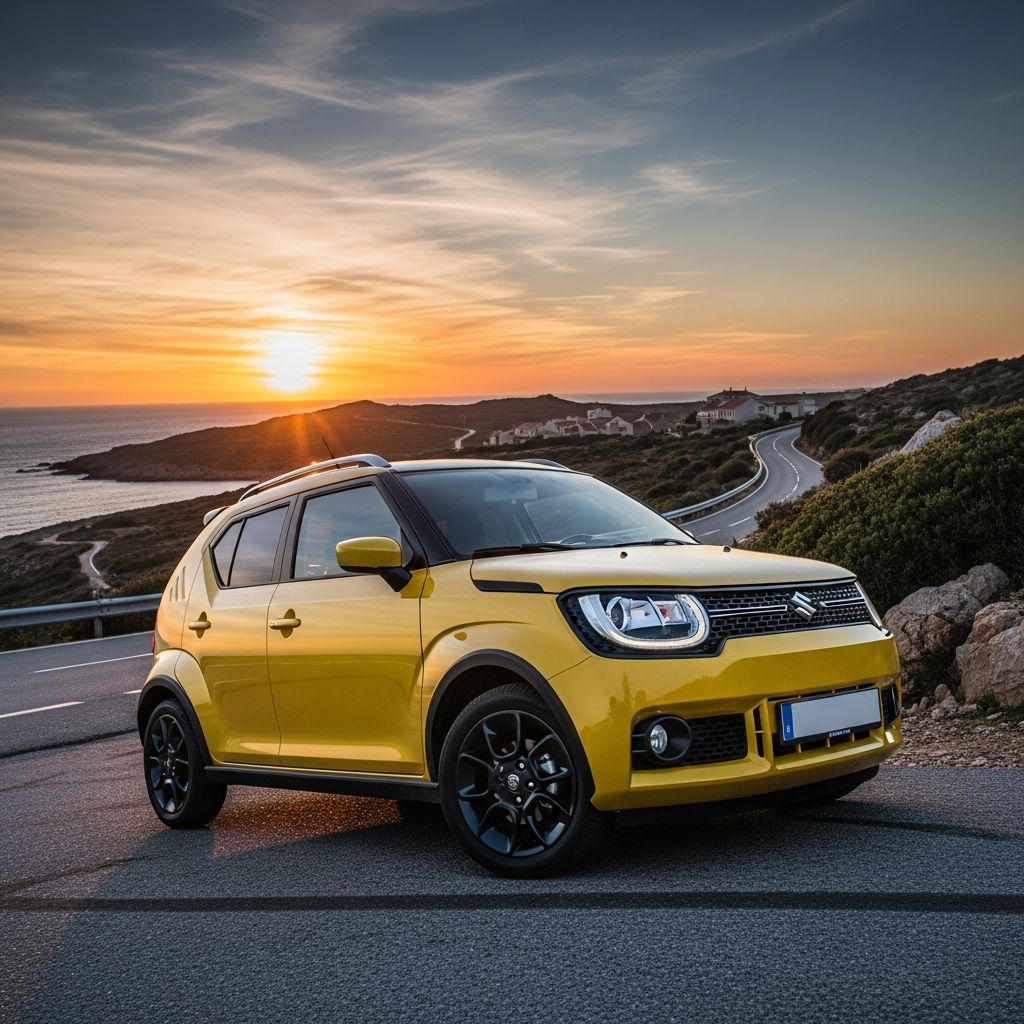
The Suzuki Ignis Sport stands out as a compact powerhouse that captures the essence of early 2000s hot hatch enthusiasm. With its rally-inspired aesthetics and lightweight construction, this three-door hatchback delivers spirited performance without breaking the bank. Powered by a rev-happy 1.5-liter engine producing around 107-109 bhp, it punches above its weight in acceleration and cornering prowess, making it a favorite among budget-conscious driving enthusiasts.
Design and Exterior Highlights
Externally, the Ignis Sport adopts a bold, aggressive stance reminiscent of its Junior World Rally Championship counterparts. Wide wheel arches, a prominent front spoiler, and a rear wing enhance its muscular profile, setting it apart from standard Ignis models. The lowered suspension by approximately 50mm improves stability, while eye-catching white alloy wheels add visual flair. This design philosophy prioritizes sporty appeal over subtlety, creating a car that looks ready for twisty roads or light track duty.
Despite its compact dimensions, the boxy shape provides a distinctive silhouette. At just under a metric tonne, the car’s featherweight build contributes to its agile nature, allowing it to dart through corners with minimal inertia. Paint options like vibrant yellow further amplify its playful, retro charm, evoking memories of cult classics from Suzuki’s lineup.
Engine Performance and Power Delivery
At the heart of the Ignis Sport lies a 1.5-liter DOHC 16-valve engine with variable valve timing (VVT), churning out 107 bhp at 6400 rpm and 143 Nm of torque at 4100 rpm. This setup demands high revs for optimal thrust, rewarding drivers who keep the engine on the boil. Acceleration from 0-60 mph clocks in at around 8.9-9.6 seconds, competitive against rivals like the Ford SportKa, Toyota Echo, and even lighter Swifts.
Quarter-mile times hover near 16.75 seconds at 133 km/h, showcasing respectable straight-line speed for a budget hatch. Top speed reaches about 115 mph, though the short gearing means momentum builds quickly up to 70-80 mph before tapering off. The engine emits an eager growl under load, though it buzzes noticeably at idle and thrums on motorways. Front-wheel drive paired with this powertrain keeps things lively, with spin-prone launches that demand skillful throttle control for maximum grip.
| Performance Metric | Suzuki Ignis Sport | Key Rival (e.g., Ford SportKa) |
|---|---|---|
| 0-60 mph | 8.9-9.6 sec | ~9.0 sec |
| Top Speed | 115 mph | ~118 mph |
| Power | 107-109 bhp | ~100 bhp |
| Weight | <1000 kg | ~950 kg |
This table compares core specs, underscoring the Ignis Sport’s edge in power-to-weight ratio despite similar acceleration.
Handling and Driving Dynamics
On twisty B-roads, the Ignis Sport shines with fantastic grip and minimal understeer, refusing to push wide even in spirited driving. The retuned suspension maintains composure through bends, though some body lean is evident. Light steering lacks initial response but proves accurate afterward, aided by skinny tires and low mass. Wet-weather twitchiness improves dramatically with quality rubber like Dunlop Sport Bluresponse.
- Strengths: Agile turn-in, high cornering limits, fun scrabbling rear wheel on exits.
- Weaknesses: Light steering feedback, limited ultimate grip from narrow tires.
- Best for: Tight, winding roads where low weight excels.
Braking is a highlight, with ventilated discs front and rear delivering fade-free stops, even under aggressive left-foot techniques. Blue performance pads add both function and style, enhancing confidence during hard driving. Overall, it feels toy-like yet entertaining, prioritizing driver involvement over outright precision.
Interior Comfort and Practicality
Inside, Recaro sport seats steal the show, offering excellent lateral support and comfort that mitigates the firm’s ride. Leather-wrapped steering wheel and gear knob provide tactile quality, though much of the cabin feels plasticky—a fair trade for the price point. Yellow netting in headrests and a carbon-look dash add rally flair but border on tacky.
Seating position sits high, potentially cramped for taller drivers, and rear space is tight for adults. Boot capacity suits light duties, prioritizing sport over family hauling. Soundproofing is minimal, amplifying the engine’s character but intruding on refinement.
Ride Quality and Everyday Usability
The rock-hard suspension transmits road imperfections, though Recaros soften impacts. It’s best suited for enthusiastic drives rather than long cruises, where short gearing and engine drone fatigue. Fuel economy remains decent for the era, balancing performance with efficiency. Urban agility and low running costs make it a practical choice for daily use, especially for solo commuters.
Safety and Reliability Insights
Suzuki equipped the Ignis Sport with ABS and dual airbags, bolstering safety beyond basic hatches. Its lightweight frame and strong brakes contribute to composed emergency maneuvers. Long-term ownership reports praise durability, with the M-series engine proving robust if maintained.
Comparisons with Modern Rivals
Against contemporaries like the Citroen C2 GT or Peugeot 106 Rallye, the Ignis offers similar verve but lacks their polished feel. Today, it echoes the quirky fun of a VW Up rival, though newer Ignis models shift to mild-hybrid crossovers with less hot-hatch purity. Its sub-tonne weight gives it an edge in agility over heavier modern superminis.
Purchasing Advice for Enthusiasts
- Budget: £1,500-£3,000 for clean examples.
- Check: Suspension bushings, clutch wear, rust on arches.
- Mods: Stiffer sway bars, better tires elevate handling.
As a used buy, it rewards patience with hidden value—fun, cheap to run, and rally pedigree intact.
Frequently Asked Questions (FAQs)
Is the Suzuki Ignis Sport reliable?
Yes, with proper maintenance, the engine and drivetrain hold up well, though watch for suspension wear.
How does it compare to the Swift Sport?
The Ignis is lighter and more rally-focused, while the Swift offers refinement; both deliver Suzuki fun.
What’s the fuel economy like?
Expect 35-45 mpg combined, solid for its performance level.
Can tall drivers fit comfortably?
Those over 6ft may find the seating position tight.
Is it suitable for beginners?
Its light weight and power make it forgiving yet engaging for new enthusiasts.
References
- 2004 Suzuki Ignis Sport review: classic MOTOR — WhichCar. 2004. https://www.whichcar.com.au/reviews/2004-suzuki-ignis-sport-review-classic-motor
- Suzuki Ignis Sport Review — Reviews by Russ. 2014-08-30. https://reviewsbyruss.wordpress.com/2014/08/30/suzuki-ignis-sport-review/
- Suzuki Ignis Sport — Auto Express. N/A. https://www.autoexpress.co.uk/car-reviews/15684/suzuki-ignis-sport
- 2004 Suzuki Ignis Sport review — Car Enthusiast. 2004. https://www.carenthusiast.com/reviews/article/466/-/2004-Suzuki-Ignis+Sport/.html
- Suzuki Ignis review – Flyweight fun from quirky Up rival — evo. 2017-07-20. https://www.evo.co.uk/reviews/19712/suzuki-ignis-review-flyweight-fun-from-quirky-up-rival
Similar Articles




Read full bio of Sneha Tete