Spot Hidden Flaws in Used Cars Before You Buy
Discover essential checks to uncover poor construction, accident damage, and other pitfalls when shopping for a pre-owned vehicle to ensure a smart purchase.
Purchasing a pre-owned vehicle offers significant savings compared to new models, but it comes with risks of underlying defects that can lead to expensive repairs. Poor construction, accident damage, or neglect often remain concealed until after purchase. This comprehensive guide equips buyers with practical strategies to detect these issues early, drawing from reliable automotive advice to ensure a sound investment.
Understanding Common Construction Weaknesses
Many used cars suffer from subpar assembly that manifests over time, especially in high-stress areas. Manufacturers sometimes cut corners on materials or fitting, leading to premature wear. For instance, loose interior trim or rattling panels signal inadequate securing during production. Heat and road conditions accelerate these problems, making vigilance essential.
Examine door seals and weatherstripping closely; gaps or uneven fitting allow water intrusion, fostering rust. Check hinge alignments—misaligned doors indicate frame stress from impacts or factory errors. Interior components like dashboard vents or glovebox latches that feel flimsy often point to broader quality lapses.
Visual Inspection: The First Line of Defense
A thorough walk-around reveals much about a car’s history. Park under bright light and scan panel gaps between hood, fenders, doors, and trunk. Uniform spacing, typically 3-5mm, is ideal; inconsistencies suggest replacement after collision.
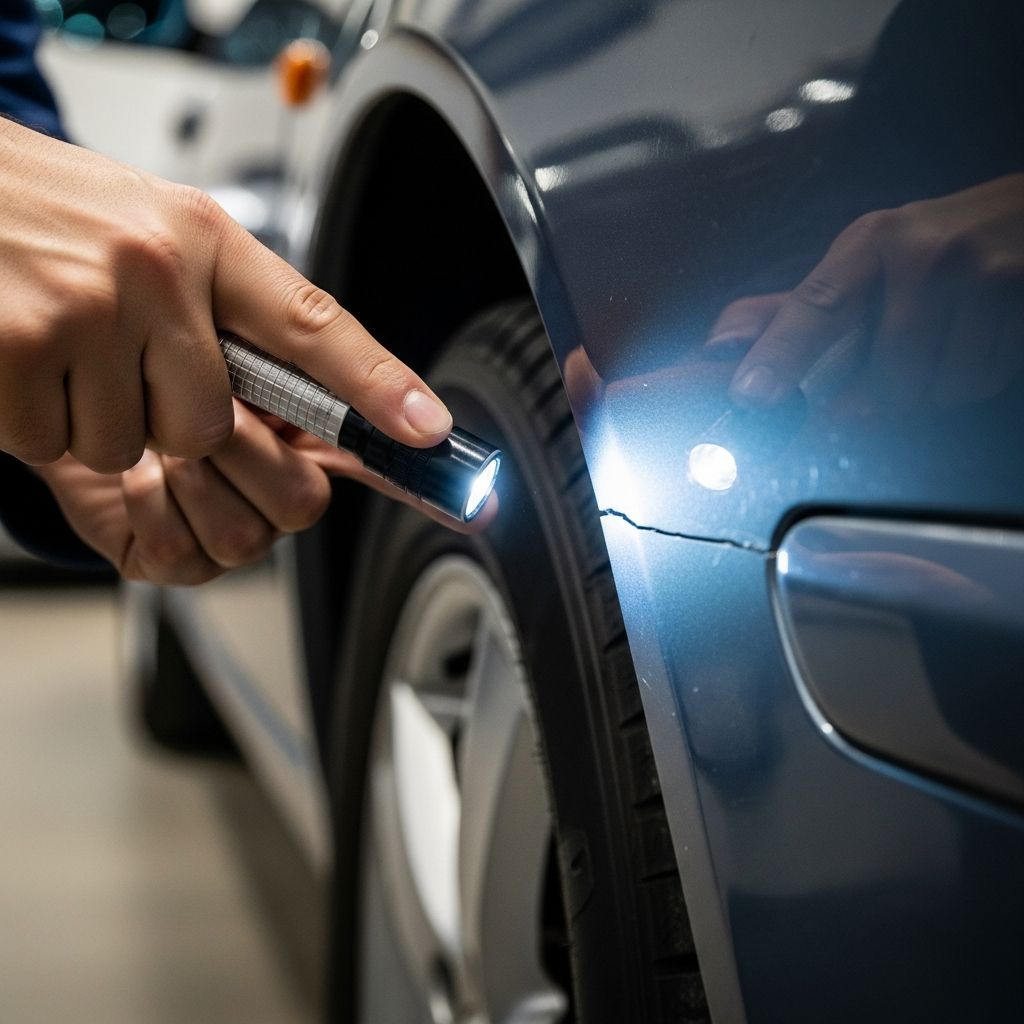
Run your hand over surfaces for ripples or dents hidden by paint. Fresh coats might mask repairs—probe for filler by feeling for hard edges or using a magnet, which won’t stick to thick body filler. Underside checks for rust in wheel arches, sills, and exhaust areas are crucial, particularly in regions with salted roads.
| Area to Check | Red Flag | Potential Issue |
|---|---|---|
| Panel Gaps | Uneven or wide/narrow | Accident repair or poor assembly |
| Paint Finish | Orange peel texture or mismatches | Recent bodywork |
| Wheel Arches | Bubbling or flaking | Rust corrosion |
| Door Edges | Uneven alignment | Frame damage |
Decoding Paint and Bodywork Clues
Paint discrepancies are telltale signs of past work. Compare shades across panels; even subtle variations indicate resprays. Inspect door jambs, engine bay, and trunk interiors—these spots are harder to repaint perfectly. A glossy exterior with matte undersides screams hasty fixes.
Look for overspray on trim or rubber seals, evidence of sloppy masking during repairs. Texture differences, like smooth factory paint versus rough filler patches, become apparent under direct sunlight. If possible, use a paint thickness gauge for precise readings; anything over 9mm on flat panels warrants questions.
Mechanical Red Flags During Test Drives
Never skip a prolonged test drive covering varied conditions. Listen for creaks from suspension or wind noise from poor seals, both symptomatic of shoddy build. Accelerate and brake firmly to feel for vibrations indicating warped components or loose fittings.
Check all electronics: windows, locks, and infotainment. Jerky operation or intermittent failures suggest wiring issues from assembly shortcuts. Underhood, inspect for loose hoses or clamps—common in lower-quality vehicles.
- Drive over bumps to assess suspension noise
- Test AC/heat for even airflow
- Engage turns sharply to detect steering play
- Idle the engine for unusual rattles
The Power of Vehicle History Reports
A detailed history report is non-negotiable. Services like Carfax or NMVTIS reveal accident logs, odometer readings, and service records. Multiple incidents or odometer rollbacks scream trouble. Flood markers or salvage titles mean electrical gremlins ahead.
| Report Flag | Risk Level | Action |
|---|---|---|
| Accident Reported | High | Inspect damage areas closely |
| Odometer Discrepancy | Critical | Walk away |
| Flood Damage | High | Check for mold smell |
| Frequent Service | Medium | Probe for recurring issues |
Professional Inspections: Worth Every Penny
Even pristine-looking cars hide demons. Hire an independent mechanic for a pre-purchase exam focusing on frame straightness, leak detection, and compression tests. They use lifts and tools to spot frame damage or hidden rust you can’t see.
Expect checks on brakes, transmission fluid color, and belt conditions. A full report provides negotiation leverage. In competitive markets, some sellers resist, but insist—it’s cheaper than post-buy fixes.
Researching Models and Years
Not all variants are equal. Consult reliability ratings from Consumer Reports or J.D. Power for problem-prone years. Avoid models with known transmission woes or electrical faults. Cross-reference recalls via NHTSA.gov.
Certified Pre-Owned (CPO) programs add value: rigorous 100+ point inspections and warranties minimize risks. They’re pricier but offer peace of mind.
Navigating Pricing and Seller Tactics
Beware suspiciously low prices—they often hide defects. Compare against market values using tools like Kelley Blue Book. Vague seller explanations for discounts are red flags.
Reputable dealers provide transparent histories and allow inspections. Private sales demand extra scrutiny. Always budget for potential repairs in your offer.
Interior and Odor Assessments
Inside, probe seats for uneven wear suggesting crash replacements. Sniff for musty odors indicating water damage—lift carpets for dampness. Sticky buttons or faded plastics reflect overall neglect.
Long-Term Ownership Considerations
Beyond purchase, factor in parts availability and repair costs. Poorly built cars guzzle maintenance dollars. Opt for models with strong aftermarket support.
Frequently Asked Questions
What if the seller refuses a mechanic inspection?
Consider it a major warning—move on. Legitimate sellers accommodate this basic request.
How do I spot rust early?
Check seams and folds; use a flashlight for underside views. Minor surface rust is okay, but structural is not.
Are CPO cars always safe bets?
They’re better vetted, but still inspect personally.
What’s the cost of a typical pre-purchase inspection?
Usually $100-200, a fraction of repair savings.
Can I trust vehicle history reports completely?
They’re invaluable but not infallible—combine with physical checks.
References
- 7 Tips to Avoid Buying a Used Car That’s a “Lemon” — Overstock Vehicles. 2025-07-31. https://www.overstockvehicles.com/blog/7-tips-to-avoid-buying-a-used-car-thats-a-lemon/
- 7 Expert Steps to Buy a Used Car Without Costly Regrets — Consumer Reports. 2023-10-01. https://www.consumerreports.org/cars/buying-a-car/how-to-protect-yourself-when-buying-a-used-car-a7040550851/
- 7 Common Pitfalls to Avoid When Buying A Used Vehicle — Bustard. 2024-05-15. https://www.bustard.com/blog/7-common-pitfalls-to-avoid-when-buying-a-used-vehicle/
- Buyer Beware – How to Avoid Purchasing a Second-Hand Car that might have been in an Accident — Breakerlink. 2023-11-20. https://www.breakerlink.com/blog/buying-selling/buyer-beware-how-to-avoid-purchasing-a-second-hand-car-that-might-have-been-in-an-accident/
- Look Out For These Issues When Purchasing A Used Car! — YouTube (Rich Rebuilds). 2022-06-10. https://www.youtube.com/watch?v=vqkqEibEfDk
Similar Articles








Read full bio of medha deb