Skoda Superb iV SE L: Extended Ownership Analysis
A comprehensive long-term evaluation of the plug-in hybrid family sedan
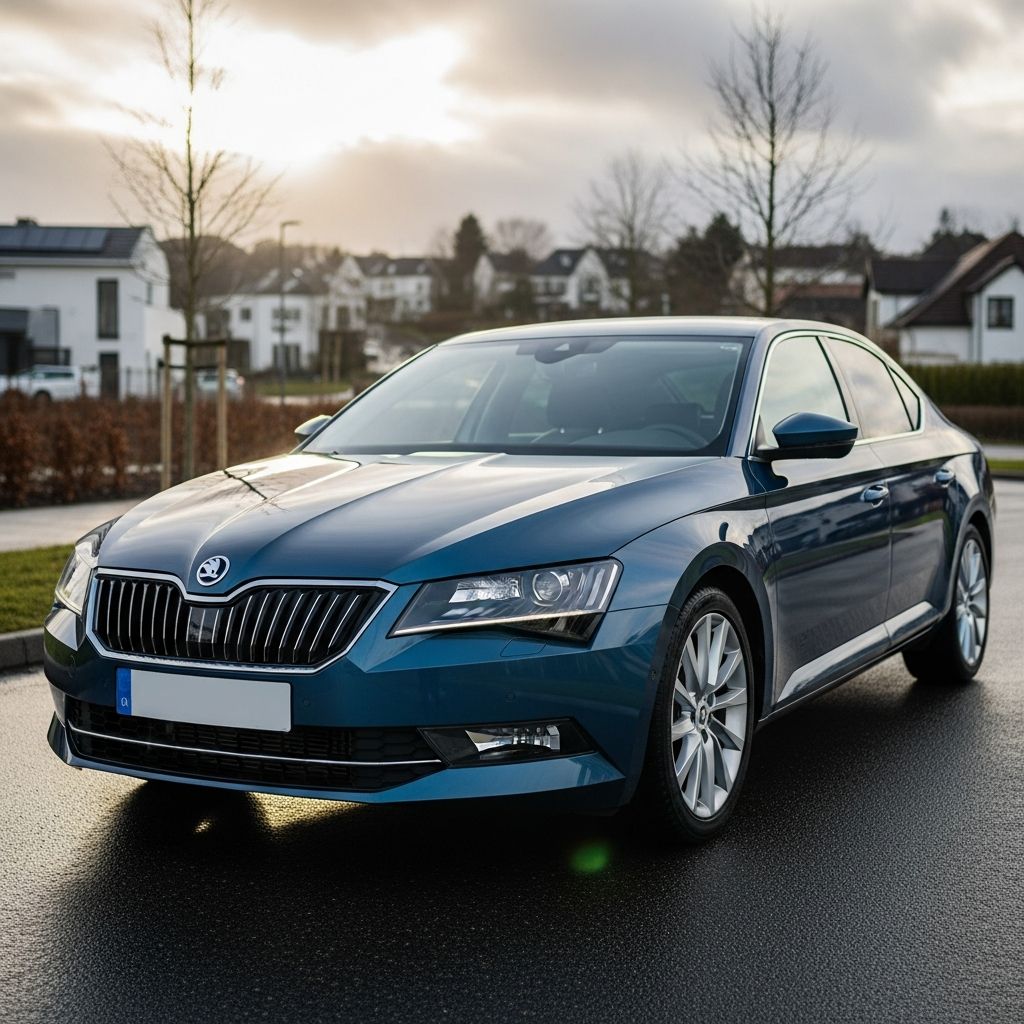
Extended Ownership Assessment of the Skoda Superb iV SE L Plug-In Hybrid
The Skoda Superb iV SE L represents a compelling proposition for those seeking a spacious family vehicle with hybrid credentials. Having spent considerable time with this plug-in hybrid sedan, the ownership experience reveals both the practical advantages and realistic limitations of this powertrain choice. This comprehensive evaluation examines the vehicle’s performance across multiple dimensions of ownership, from fuel consumption patterns to everyday practicality.
Initial Fleet Specifications and Baseline Metrics
The test vehicle arrived in March 2020 as a 1.4-litre turbocharged petrol engine paired with an electric motor, delivering a combined output of 215 horsepower. The entry-level SE L trim provided an interesting starting point, priced at £36,090 new. This specification included a dual-clutch automatic transmission and positioned itself as the accessible entry point into the Superb iV lineup. The vehicle’s regulatory emissions rating stood at 35g/km CO2, attracting an annual VED payment of £140, and insurance fell within group 26, with quotes hovering around £448 annually.
Over the initial testing period, the vehicle accumulated 6,879 miles while achieving an average fuel economy figure of 72.3 miles per gallon. These opening results demonstrated the potential of the hybrid system when operated in a charging-conscious manner. However, this figure deserves contextualization within the broader ownership narrative, as subsequent months revealed considerable variation depending on driving patterns and charging discipline.
Understanding Real-World Electric Range Dynamics
The manufacturer’s official electric-only driving range of 34 miles provides a useful reference point, though actual figures depend significantly on driving technique and selected operating modes. Testing confirmed this specification to be reasonably achievable under gentle driving conditions, particularly when utilizing the vehicle’s most aggressive regenerative braking mode. This electric-only capability positions the vehicle as suitable for numerous daily commutes without consuming petrol, though drivers must maintain realistic expectations about extending range through hypermiling techniques.
What emerged during testing was the critical importance of understanding the vehicle’s charging cycle. Those who religiously topped up the battery pack benefited substantially from switching between electric and petrol propulsion. Conversely, drivers who relied predominantly on petrol consumption found the additional weight penalty of the battery system—over 200 kilograms heavier than conventional Superb models—working against efficiency gains.
Financial Economics of Home Charging Versus Petrol Consumption
A tangible advantage of plug-in hybrid ownership manifested in the economics of electricity versus petrol consumption. During December testing with access to a green energy tariff, charging the battery for 24 miles of electric driving cost approximately £1.80. The equivalent distance traveled using petrol alone required roughly £2.70. This 33 percent cost reduction per mile demonstrates the financial case for plug-in ownership, assuming consistent access to domestic charging infrastructure.
The broader question concerns achieving stated combined fuel economy claims. Manufacturers cite figures ranging from 156.9 to 256.8 miles per gallon—ranges so wide they underscore the vast gulf between controlled laboratory conditions and real-world driving. Testing over a 509-mile winter driving period, including limited lockdown travel, achieved a peak efficiency of 86.3 miles per gallon. While substantially short of manufacturer claims, this figure still represents credible efficiency compared to conventional petrol alternatives.
Practical Considerations for Hybrid Ownership Patterns
Consistent charging discipline emerged as the single most important factor differentiating successful plug-in hybrid ownership from frustrating experiences. Those who treated the battery as a resource requiring regular replenishment, particularly when access to inexpensive off-peak electricity existed, achieved meaningful fuel savings and lower overall running costs. Environmental benefits accumulated through reduced emissions during electric-only driving segments.
Conversely, owners unable to commit to regular charging found themselves operating what amounted to a heavier, less efficient conventional petrol vehicle. The weight penalty of the hybrid system became counterproductive, with no attendant benefits. This binary outcome—either achieving meaningful efficiency gains or accepting efficiency penalties—created a clear threshold for determining whether plug-in ownership suited individual circumstances.
Maintaining Acceptable Efficiency Without Charging Discipline
Importantly, the vehicle demonstrated sufficient conventional efficiency even without religious charging. Maintaining fuel economy around 50 miles per gallon proved entirely achievable during extended periods without recharging. This represented solid performance for a spacious family sedan weighing over 1.7 tonnes, suggesting the core petrol powertrain efficiency remained competitive even when operating the hybrid system at partial capacity.
This characteristic proved valuable during circumstances when charging opportunities became unavailable—holidays involving hotel accommodation without charging facilities, relocation periods, or technical charging infrastructure failures. Unlike pure electric vehicles requiring consistent charging access, the plug-in hybrid retained meaningful range and efficiency without battery replenishment.
Specification and Equipment Evaluation
The SE L trim, while representing entry-level plug-in pricing, arrived comprehensively equipped with features typically associated with higher trim levels. Standard equipment encompassed Matrix LED headlights employing intelligent beam-shaping technology, heated leather upholstery, an electrically operated bootlid, and an eight-inch touchscreen infotainment system. These components provided a solid foundation for family use.
Optional enhancements merited consideration based on individual preferences and requirements. The £285 LED Package Plus supplemented the standard lighting with ambient interior illumination, including particularly effective puddle lights providing distinctive cabin ambiance. The £385 rear-view parking camera proved genuinely valuable for confidence when reversing, particularly important given the vehicle’s substantial length and generous width.
Virtual Cockpit technology at £475 transformed the instrument binnacle into a customizable digital display, offering varying information configurations and eliminating traditional analog gauge clusters. This proved a worthwhile investment for those seeking modern technological integration. The 19-inch Canopus alloy wheel option at £850 raised considerations about aesthetic preference versus ride comfort trade-offs, with larger wheels generally compromising ride compliance on poor road surfaces.
Aesthetic and Practical Customization Choices
Additional cosmetic options included Moon White metallic paint at £595, imparting a premium visual presentation compared to standard finishes. Combined with the optional alloy wheels and lighting packages, these selections elevated the vehicle’s visual presence and perceived quality.
Standard Feature Inventory
- Matrix LED headlight system with intelligent beam control
- Heated leather seating surfaces
- Powered bootlid with convenient operation
- Eight-inch touchscreen infotainment interface
- Multi-function steering wheel controls
- Climate control functionality
- Rear passenger USB charging ports
Comfort and Practicality Dimensions
The vehicle’s interior demonstrated genuine practicality for extended family journeys. The spacious seating accommodated five adults with reasonable comfort margins, while the generous boot capacity addressed luggage requirements for holiday travel. The quality of seat cushioning and lateral support contributed to reduced fatigue during extended driving sessions.
Storage solutions throughout the cabin provided convenient placement for everyday items, though the battery pack installation necessitated compromises in underfloor boot storage compared to conventional models. Despite this, practical space remained adequate for typical family use patterns.
Technological Integration and Interface Design
The touchscreen infotainment system provided intuitive menu navigation with smartphone integration capabilities. Apple CarPlay and Android Auto connectivity bridged mobile device functionality with vehicle systems, enabling hands-free calling, messaging, and navigation integration. The resolution and responsiveness of the display proved satisfactory for most interactions, though occasional menu depth required multiple touches to access specific functions.
Long-Distance Capability and Extended Travel Performance
The vehicle demonstrated compelling suitability for extended family holidays requiring traversing multiple countries. The combination of reasonable electric range for daily commuting within destination cities, coupled with competitive petrol economy for longer intercontinental driving segments, created versatility absent from pure electric vehicles. Fuel range capabilities supported extended driving days without frequent refueling interruptions.
Operating Expense Considerations Over Extended Ownership
Insurance costs remained reasonable relative to the vehicle’s value and specification level, with quotations clustering around £448 annually. This represented standard insurance economics for the mid-premium segment. Annual road tax remained moderate at £140, reflecting the vehicle’s emissions profile.
Maintenance expenses fell within expectations for premium European manufacturers, though specific expenditure data remained limited during the initial testing period. The hybrid system’s mechanical simplicity—with electric motors requiring minimal routine servicing—suggested maintenance costs potentially lower than conventional equivalents, though battery system diagnostics might require specialized expertise.
Comparative Efficiency Assessment Against Conventional Alternatives
| Vehicle Specification | Metric | Performance Achievement |
|---|---|---|
| Plug-in Hybrid Operation with Consistent Charging | Peak Measured Economy | 86.3 mpg |
| Plug-in Hybrid Operation Without Charging | Sustained Economy | Approximately 50 mpg |
| Initial Testing Period Average | Overall Consumption | 72.3 mpg |
| Electric-Only Driving Cost | Per 24 Miles | £1.80 at green tariff |
| Petrol-Only Equivalent | Per 24 Miles | £2.70 |
Ownership Suitability Assessment
The Superb iV particularly suited drivers with consistent domestic charging access, those conducting regular short-distance commuting supplemented by occasional longer journeys, and environmentally-conscious owners seeking tangible emissions reductions. The vehicle’s compromise nature—neither pure electric nor conventional petrol—positioned it as optimal for transitional ownership phases when charging infrastructure and battery technology remained incomplete.
Less suitable circumstances included ownership without reliable charging facilities, drivers undertaking predominantly longer journeys without intermediate charging opportunities, and those prioritizing maximum efficiency in all driving conditions. Pure electric vehicles offered superior efficiency for dedicated city dwellers, while conventional petrol or diesel models provided better efficiency for those traveling extended distances without charging infrastructure access.
Key Performance Indicators Summary
- Official electric range of 34 miles achievable under optimal conditions
- Real-world peak efficiency of 86.3 mpg with consistent charging
- Sustained efficiency approximately 50 mpg without charging discipline
- Charging cost approximately £1.80 per 24 miles with green energy tariff
- Vehicle weight penalty over 200 kilograms requiring mindful operation
- Spacious five-seat configuration suitable for family requirements
- Comprehensive equipment specification at entry-level trim positioning
- Reasonable insurance costs within group 26 classification
Practical Recommendations for Prospective Owners
Prospective purchasers should honestly assess their charging infrastructure access and commitment to regular battery replenishment. Those with dedicated home charging capabilities and driving patterns primarily comprising daily commutes under 34 miles should anticipate the most substantial efficiency and cost benefits. Fleet operators managing multiple vehicles with predictable daily patterns represented ideal adoption candidates.
Buyers without reliable charging access should carefully reconsider whether plug-in hybrid ownership delivered genuine advantages over conventional alternatives. The premium pricing relative to standard Superb models required justification through anticipated efficiency gains, environmental considerations, or specific tax incentives available in particular jurisdictions.
The vehicle’s spacious interior and comprehensive equipment specification warranted independent evaluation against competing family sedans, independent of powertrain considerations. The core platform’s competence as a family transport solution remained distinct from hybrid system suitability for individual circumstances.
References
- Skoda Superb iV SE L (2015-2024): long-term test — Auto Express. March 2020–ongoing. https://www.autoexpress.co.uk/long-term-tests/352785/skoda-superb-iv-se-l-2015-2024-long-term-test
- Skoda Official Specifications and Technical Documentation — Skoda Auto. 2020. https://www.skoda.com
- WLTP and Real Driving Emissions Testing Standards — European Environment Agency. 2019–2024. https://www.eea.europa.eu
Similar Articles






Read full bio of Sneha Tete