Compact Hatchback Showdown: Skoda Rapid Spaceback
Explore how Skoda's practical family hatchback stacks up against established competitors.
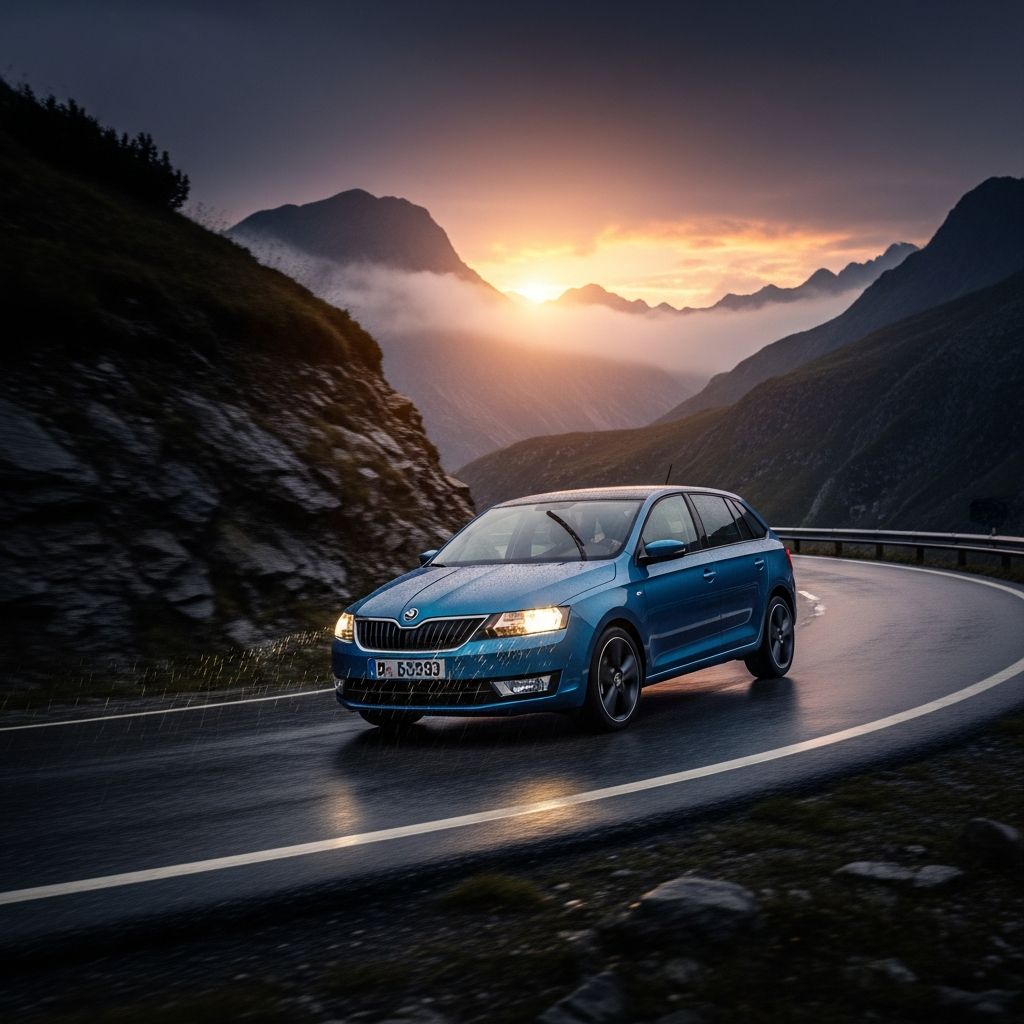
Understanding the Skoda Rapid Spaceback in Today’s Compact Hatchback Market
The compact hatchback segment represents one of the most competitive categories in the automotive industry, where manufacturers balance affordability with practicality to appeal to young families and budget-conscious buyers. The Skoda Rapid Spaceback occupies a unique position within this landscape, offering distinctive positioning that merits careful examination against its primary competitors. This analysis explores how the Rapid Spaceback performs across multiple dimensions when placed alongside established market players.
Positioning and Market Strategy
Skoda’s approach with the Rapid Spaceback reflects a deliberate strategy to fill a particular market niche. The vehicle sits between the manufacturer’s smaller Fabia model and the larger Octavia, creating a middle ground that addresses specific consumer demands. Rather than adopting a traditional saloon configuration, Skoda engineered the Spaceback with a modified station wagon body featuring a shortened rear overhang, though the company positions it against conventional family hatchbacks rather than estate vehicles.
The pricing structure demonstrates this value-oriented philosophy, with entry-level models starting below £15,000 and top specifications reaching approximately £20,000. This pricing strategy places the Rapid Spaceback at the lower end of the compact hatchback spectrum, directly competing with models from Kia, Hyundai, Vauxhall, and Ford that similarly emphasize affordable ownership.
Storage Capacity and Practical Design
One of the Rapid Spaceback’s most compelling attributes involves its cargo management capabilities. The vehicle offers 415 litres of boot space, a figure that exceeds several direct competitors in its class. This storage advantage becomes particularly notable when compared against vehicles like the Volkswagen Golf, which provides 380 litres, though it falls short of the Hyundai i30’s 378-litre capacity in some configurations.
Beyond raw volume figures, the physical dimensions of the cargo area influence practical usability. The Rapid Spaceback features a boot lip height of 70 centimetres, positioned 3 centimetres lower than competing vehicles from similar manufacturers. This reduced height facilitates easier loading of heavy items, particularly valuable for elderly users or those with mobility considerations. The boot width of approximately 95 centimetres, while slightly narrower than the i30’s 104-centimetre measurement at the parcel shelf, remains functional for standard luggage and shopping.
The Toyota Auris introduces an alternative approach through its variable boot floor mechanism, enabling drivers to create completely flat loading surfaces when seats fold down. This feature appeals to consumers prioritizing maximum flexibility in storage configuration, though the Rapid Spaceback’s fixed platform provides adequate capacity for typical family needs.
Engine Selection and Performance Characteristics
The Rapid Spaceback offers multiple engine configurations designed to match different driving patterns and mileage expectations. The diesel lineup includes a 1.6-litre TDI engine available in two power outputs: 88 bhp and 103 bhp variants. The base 88-bhp diesel achieves 62 mph acceleration in 12.1 seconds with a maximum velocity of 113 mph when paired with the DSG automatic transmission.
Petrol alternatives comprise the 1.2-litre and 1.4-litre TSI engines, offering power outputs ranging from 85 bhp to 120 bhp respectively. These petrol units deliver livelier throttle response and feel more sprightly during acceleration compared to diesel options, though fuel consumption figures prove less impressive. Drivers with annual mileage below 12,000 kilometres typically find petrol variants more economical, while higher-mileage users benefit from diesel efficiency advantages.
Real-world performance observations reveal that diesel engines, particularly the lower-output variant, exhibit a slight delay between DSG transmission engagement and engine response. This characteristic creates a perception of sluggish acceleration despite technical specifications suggesting adequate performance. Drivers requiring frequent overtaking manoeuvres benefit from using manual paddle shifters to downshift and access adequate torque reserves.
Handling Dynamics and Ride Quality
The Rapid Spaceback demonstrates competent handling characteristics suitable for typical family driving scenarios, though it doesn’t achieve the dynamic prowess of segment leaders like the Ford Focus. The steering system provides smooth operation without requiring excessive effort, making extended motorway journeys comfortable for drivers and passengers. Softly-sprung suspension tuning prioritizes ride comfort over sporting capability, accepting minor body roll during cornering in exchange for superior bump absorption on substandard road surfaces.
Comparative assessments indicate that many rivals in this category offer superior refinement when encountering poor road conditions. The Rapid Spaceback’s suspension setup, while adequate, feels less sophisticated than premium competitors, suggesting that buyers prioritizing ride quality above other factors might explore alternative options within the segment.
Interior Equipment and Comfort Provisions
The equipment progression across trim levels reflects Skoda’s value-for-money positioning. Basic S-trim models provide reasonable functionality, while SE and higher specifications introduce comprehensive feature sets. Common amenities include six-speaker audio systems, 15-inch alloy wheels, leather-wrapped steering wheels with integrated controls, rear parking sensors, hill hold functionality, cruise control, and Bluetooth connectivity across multiple trim levels.
Seating capacity accommodates four adults without significant compromise, though the interior layout creates certain space constraints. A substantial centre console restricts legroom for middle rear passengers, and fixed panoramic glass roofs—available as optional upgrades—reduce headroom compared to vehicles without such features. The rear seat offers more spacious accommodation than some competing models, providing reasonable comfort for longer journeys.
Storage solutions throughout the cabin include a centre console bin, air-conditioning control trays, and adequate cupholders. Competitors such as the Kia Cerato provide additional storage flexibility through multiple cupholders in rear armrests and sunglasses holders, demonstrating varied approaches to interior organisation across the segment.
Safety Features and Structural Integrity
The Rapid Spaceback incorporates comprehensive safety equipment as standard, including six airbags comprising dual front, side, and full-length curtain systems. Electronic stability control comes fitted across the range, matching competitor provision in this category. These features align with minimum safety expectations for modern compact hatchbacks, though they don’t represent distinctive advantages over rival offerings.
Cost of Ownership and Residual Value
Pricing advantages represent a significant selling point for the Rapid Spaceback, with entry-level configurations undercutting competitors like the Kia Cee’d and Hyundai i30. However, rivals often deliver comparable or superior fuel consumption and emissions figures, potentially offsetting initial purchase price advantages through lower running costs over vehicle ownership duration. Residual value represents another consideration area, with traditional market leaders typically retaining stronger secondary market positions than emerging competitors.
Comparative Strengths and Considerations
The Rapid Spaceback excels in several specific areas: exceptional boot capacity relative to class peers, attractive pricing for entry-level configurations, adequate fuel efficiency with diesel engines, and respectable rear legroom. These attributes combine to create compelling value propositions for budget-conscious families requiring practical transportation solutions.
Conversely, potential drawbacks include an aging platform foundation limiting dynamic capability, modest performance delivery from base diesel engines, reduced cabin refinement versus premium competitors, and handling characteristics that trail segment leaders. The vehicle feels mature and competent rather than exciting, appealing primarily to pragmatic buyers prioritizing functionality over driving engagement.
Platform Technology and Design Maturity
The Rapid Spaceback’s underlying architecture represents an evolutionary rather than revolutionary approach, employing proven engineering principles without cutting-edge innovation. This conservative design philosophy contributes to the vehicle’s perceived maturity and solidity, creating an impression of durability despite advancing platform age. Competitors introducing newer platform technologies often demonstrate superior ride quality and handling refinement, reflecting contemporary engineering advances.
Comparison Table: Key Specifications
| Attribute | Skoda Rapid Spaceback | Hyundai i30 | Ford Focus |
|---|---|---|---|
| Boot Capacity (litres) | 415 | 378 | 375 |
| Boot Lip Height (cm) | 70 | 73 | 73 |
| Base Engine (1.6 TDI) | 88 bhp | Varies | Varies |
| 0-62 mph (diesel) | 12.1 seconds | Varies | Varies |
| Starting Price | Below £15,000 | Higher | Higher |
Verdict and Recommendation Framework
The Skoda Rapid Spaceback succeeds as a practical, affordable family hatchback that delivers genuine utility without demanding premium pricing. It represents an intelligent choice for buyers prioritizing cargo space, reasonable fuel efficiency, and value retention of capital. The vehicle communicates competence and reliability rather than excitement or innovation, suiting individuals whose primary transportation objective involves reliable family transport without frills.
Prospective buyers should carefully evaluate personal priorities: if maximum boot space and budget consciousness drive the purchase decision, the Rapid Spaceback merits serious consideration. Conversely, those prioritizing dynamic handling, cutting-edge technology, or premium cabin refinement should explore contemporary competitors offering more advanced platforms and sophisticated engineering solutions.
Frequently Asked Questions
How does the Rapid Spaceback’s boot capacity compare to traditional family cars?
The 415-litre cargo area exceeds most conventional compact family hatchbacks by meaningful margins. The i30 provides 378 litres, while the Focus and Golf offer similarly lower figures around 375-380 litres. This advantage makes the Spaceback particularly attractive for families requiring substantial storage capacity without upgrading to larger vehicle categories.
Which engine option provides the best balance of performance and efficiency?
For drivers covering moderate annual mileage (8,000-12,000 kilometres), the 1.2-litre TSI petrol engines deliver superior efficiency and more responsive performance than base diesels. High-mileage users benefit from the 1.6-litre TDI diesel’s superior fuel economy, accepting modest acceleration characteristics in exchange for reduced running costs.
Does the Rapid Spaceback feel modern compared to recently-launched competitors?
No. The aging platform upon which it’s constructed contributes to a somewhat dated feel relative to recently-refreshed competitors. While the cabin feels solidly constructed, technological innovations and modern design language appear less contemporary than newer market entries.
Is rear seat comfort adequate for longer family journeys?
The rear accommodations provide reasonable legroom and comfort for typical family use, though the substantial centre console restricts middle passenger space. Extended journeys for four adults might prove less comfortable than in competitors offering more spacious rear arrangements.
References
- Skoda Rapid Spacebook vs Rivals — Auto Express. Accessed April 2026. https://www.autoexpress.co.uk/skoda/rapid/85441/skoda-rapid-spaceback-vs-rivals
- Skoda Rapid Spaceback Review — Car Keys. Accessed April 2026. https://www.carkeys.co.uk/car-reviews/skoda-rapid-spaceback-hatchback
- Skoda Rapid Spaceback Review 2026 — Top Gear. Accessed April 2026. https://www.topgear.com/car-reviews/skoda/rapid-spaceback
- Skoda Rapid v Kia Cerato Comparison Review — Drive. Accessed April 2026. https://www.drive.com.au/reviews/skoda-rapid-v-kia-cerato-comparison-review/
Similar Articles



Read full bio of Sneha Tete