Skoda Rapid 1.2 TSI: Budget Family Sedan Review
Affordable family transportation with practical design and real-world efficiency
Understanding the Skoda Rapid 1.2 TSI: A Practical Family Sedan for Modern Buyers
The Skoda Rapid emerged as a compelling option in the affordable family sedan market, designed to deliver practical transportation without unnecessary premium pricing. This particular model generation represents Skoda’s commitment to offering vehicles that prioritize space, reliability, and cost-effectiveness over flashy performance credentials. The 1.2 TSI variant sits within the engine lineup as a balanced choice between the entry-level powerplant and more expensive alternatives.
Visual Design and Exterior Characteristics
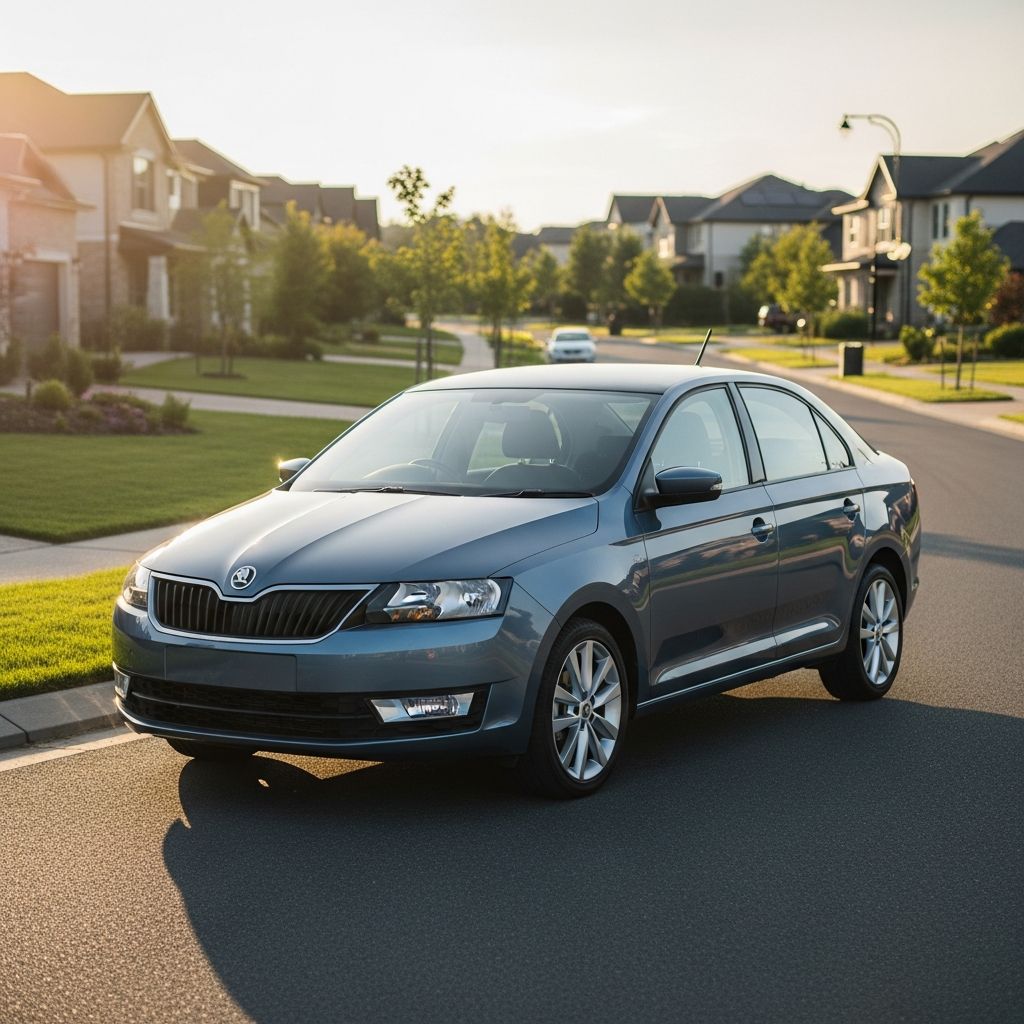
The Rapid presents itself as a traditionally proportioned three-box saloon, yet incorporates a liftback design that belies its conventional appearance. This architectural choice distinguishes it from typical sedans by providing an unconventional cargo access solution. The front fascia introduces Skoda’s contemporary design language, featuring a redesigned grille that signifies the brand’s evolving visual identity across its model range.
The body styling incorporates sharp lines and controlled angles that create visual tension and prevent the car from appearing overly conservative or dated. These design elements extend across the flanks and rear quarter panels, contributing to an overall appearance that feels more contemporary than its price point might suggest. The proportions maintain traditional sedan geometry while avoiding the ungainly appearance sometimes associated with budget-tier vehicles.
Interior Space and Practical Storage Solutions
The cabin environment delivers surprising spatial openness, particularly compared to earlier generation vehicles from the same manufacturer. The dashboard design prioritizes a low-slung profile that contributes to the subjective sense of roominess. Door panels employ thin construction that, while potentially raising durability questions, maximizes the interior width available to occupants.
The rear passenger compartment offers genuinely generous legroom suitable for adult occupants on longer journeys. This spaciousness reflects Skoda’s engineering priorities, focusing on functional family transportation rather than compact city car constraints. Rear passengers benefit from adequate headroom and comfortable seating positions even on extended drives.
The liftback configuration provides a cargo opening that exceeds typical sedan boot designs, delivering 550 litres of storage capacity. The 60:40 split-folding rear seats expand carrying capability for larger items, addressing the practical requirements of families managing shopping expeditions or household equipment transport. This flexibility distinguishes the Rapid in its market segment.
Engine Performance and Real-World Capabilities
The 1.2-litre TSI petrol engine generates 86 horsepower, placing it within the mid-range of the Rapid’s petrol engine options. This displacement represents a four-cylinder turbocharged configuration that balances displacement efficiency with modern forced induction technology. The power output translates to acceleration from rest to 62 miles per hour in approximately 10.8 seconds, achieving a maximum velocity of 118 miles per hour.
On public roads, this engine demonstrates adequate performance characteristics for typical commuting patterns and mixed driving conditions. The turbocharged design provides responsive low-to-mid-range torque delivery that compensates for the relatively modest total power output. Drivers report that real-world performance feels more capable than numerical specifications might suggest, particularly during acceleration onto highways or executing overtaking maneuvers on congested roads.
The engine operates smoothly throughout its rev range with minimal vibration transmitted to the cabin structure. This refinement quality distinguishes the 1.2 TSI variant from the entry-level 75-horsepower three-cylinder engine, which reviewers consistently identify as underpowered for vehicles of this mass. The four-cylinder configuration also contributes to improved refinement compared to three-cylinder alternatives.
Fuel Consumption and Operating Economics
Combined cycle fuel economy figures for the 1.2 TSI variant approach 55 miles per gallon, representing genuinely efficient performance for a vehicle of this size and capability. Prudent drivers operating the car under optimal conditions report fuel economy figures approaching diesel-like efficiency levels, though such achievements require disciplined driving habits and consistent highway operation.
Carbon dioxide emissions register at approximately 119 grams per kilometer, positioning the Rapid within reasonable environmental parameters for vehicles in this category. These figures reflect modern emissions control technology integrated into the powertrain design. The overall running costs remain competitive within the budget sedan category, justifying the selection of the 1.2 TSI variant over either cheaper or more expensive engine alternatives.
Maintenance expenses follow Skoda’s reputation for component standardization and reasonable service pricing. Parts availability remains straightforward given the vehicle’s market prevalence, and routine maintenance follows conventional schedules without exotic requirements or premium-brand inflated costs.
Suspension Design and Ride Quality Assessment
The suspension architecture employs a semi-firm setup that strikes deliberate balance between comfort and handling response. This calibration successfully absorbs road surface irregularities that would transmit harshly through stiffer suspension designs, yet maintains sufficient stiffness to prevent excessive body motion during cornering maneuvers. The engineering prioritizes occupant comfort over sportiness, reflecting the vehicle’s family-oriented positioning.
Ride quality remains compliant and civilized across typical urban and rural road conditions. The suspension geometry provides acceptable damping of low-frequency oscillations while isolating the cabin from mid and high-frequency vibrations. Passenger comfort on extended journeys benefits from this tuning philosophy, though drivers seeking sportier handling characteristics will find the Rapid’s approach somewhat conservative.
One notable characteristic reported across multiple assessments involves road noise transmission through the cabin structure. Wind and tyre roar penetrate the interior at levels exceeding some rival vehicles in the segment, particularly on poorly surfaced roads. This acoustic characteristic represents the primary ride-related compromise within the Rapid’s design, potentially becoming fatiguing during extended highway driving.
Driving Dynamics and Steering Response
The Rapid’s overall handling balance reflects its design philosophy emphasizing stability and predictability over athletic precision. The steering offers adequate responsiveness for normal driving situations without requiring excessive precision or inducing driver fatigue through constant corrections. The vehicle tracks straight along highways and maintains stable trajectories through gentle curves without drama or concern.
Cornering performance remains adequate for typical driving scenarios, though the car does not encourage aggressive driving or permit the kind of dynamic entertaining sensation that sports-oriented vehicles provide. The suspension stays well controlled during lateral acceleration, preventing excessive body roll and maintaining predictable behaviour throughout the steering range. This composed demeanour contributes to the Rapid’s appeal as reliable daily transportation.
The driving position benefits from slender A-pillar design that minimizes forward view obstruction. Visibility across the vehicle’s length and width remains good for typical driving situations, assisting with parking maneuvers and general spatial awareness. The overall driving experience emphasizes competence and reliability rather than excitement or engagement.
Interior Comfort and Control Layout
Climate control functionality provides adequate temperature regulation across the cabin, though the system remains relatively basic compared to more expensive alternatives. The dash layout follows intuitive design principles with controls positioned logically for driver accessibility without requiring extensive familiarization. Audio and infotainment systems vary depending on trim level but typically include conventional functions suitable for family use.
Seat construction provides adequate support for typical driving distances without luxurious cushioning or extensive adjustment mechanisms. The seating position facilitates comfortable configurations for drivers across various body sizes and preferences. Rear passengers benefit from seating comfort suitable for extended journeys, though the absence of premium materials or excessive padding reflects the vehicle’s cost-conscious design philosophy.
Engine Lineup Context and Model Variants
The Rapid petrol engine range encompasses several alternatives spanning different power outputs and technologies. The entry-level 75-horsepower three-cylinder unit delivers economical operation but struggles with the vehicle’s mass, particularly during acceleration and hill climbing situations. The 1.2 TSI 86-horsepower version represents the recommended starting point, offering substantially better performance without proportional cost increases.
Higher in the hierarchy sits a 122-horsepower 1.4-litre TSI variant offering genuinely spirited performance for those prioritizing acceleration and highway passing capability. This engine typically pairs with a seven-speed dual-clutch automatic transmission, distinguishing it from the manual gearbox standard on lower-powered alternatives. Diesel options introduce further considerations for those prioritizing maximum fuel economy and low-cost operation.
Transmission and Gearbox Options
The 1.2 TSI variant comes equipped with a five-speed manual transmission as standard. This gearbox provides straightforward operation with conventional clutch engagement and mechanical linkage geometry. The ratios support efficient cruising on highways while maintaining adequate pulling power at lower speeds. Manual operation remains intuitive for drivers with conventional transmission experience, though modern automated alternatives provide enhanced convenience.
Seven-speed dual-clutch automatic transmissions appear on higher-powered variants, offering rapid gear changes and enhanced driving convenience. These systems improve acceleration response and fuel economy in real-world driving situations compared to conventional five-speed manuals, though they introduce additional mechanical complexity and maintenance considerations.
Cargo Flexibility and Everyday Practicality
The liftback design philosophy fundamentally alters the practical utility proposition compared to conventional three-box sedans. Vertical cargo access enables straightforward loading of bulky items that would prove problematic through traditional trunk apertures. The 550-litre capacity accommodates typical family requirements from weekly shopping to occasional furniture moves without resort to roof racks or trailers.
The split-folding rear seatback configuration transforms the cargo area into substantially larger configurations approaching minivan-like practicality. This flexibility serves families managing variable cargo requirements across different weeks and seasons. The smooth seatback articulation eliminates awkward folding procedures while the resulting cargo floor remains relatively level for stable item securing.
Value Proposition and Market Positioning
The Rapid occupies a compelling market position offering spaciousness and practicality without premium pricing structures. The 1.2 TSI variant balances genuine performance adequacy with cost-conscious operation and modest purchase pricing. Buyers prioritizing functional family transportation over brand prestige or performance metrics discover the Rapid delivers against genuine usage requirements.
Resale values reflect the brand’s reputation for reliability and the vehicle’s lasting practical appeal. Used examples maintain market demand given their reputation for dependable operation and straightforward maintenance requirements. Fleet operators and budget-conscious private buyers alike recognize the value proposition inherent in the Rapid concept.
Comparative Performance Metrics
| Specification | 1.2 TSI 86PS | Entry-Level 75PS | 1.4 TSI 122PS |
|---|---|---|---|
| Power Output | 86 horsepower | 75 horsepower | 122 horsepower |
| 0-62 Acceleration | 10.8 seconds | 11.8 seconds | 8.5 seconds (est.) |
| Top Speed | 118 mph | 118 mph | 124 mph |
| Fuel Economy | 55.4 mpg | 47.9 mpg | 52 mpg (est.) |
| CO2 Emissions | 119 g/km | 137 g/km | 128 g/km (est.) |
Frequently Asked Questions
Is the 1.2 TSI engine powerful enough for highway driving?
Yes, the 1.2 TSI provides adequate power for highway operation and typical overtaking maneuvers. While not rapid in absolute terms, the turbocharged delivery offers responsive acceleration suitable for normal driving patterns. Drivers should avoid expecting sports car performance or comfortable sustained high-speed cruising above legal limits.
How does the 1.2 TSI compare to the entry-level 75PS engine?
The 1.2 TSI offers measurably superior performance with quicker acceleration and more responsive throttle response. The four-cylinder configuration delivers superior refinement compared to the three-cylinder 75PS unit. Fuel economy improvements of approximately 7-8 miles per gallon justify the modest cost difference, making the TSI variant the recommended starting point.
What cargo capacity does the liftback provide?
The standard configuration offers 550 litres of cargo space, expandable through 60:40 split-folding rear seats for larger loads. This capacity adequately serves typical family requirements and significantly exceeds conventional sedan offerings.
What are the primary maintenance considerations?
The Rapid follows conventional maintenance schedules with routine oil changes, filter replacements, and inspection protocols typical for modern vehicles. Skoda’s parts standardization keeps repair costs competitive, and qualified technicians remain readily available throughout most regions.
How does road noise compare to competitor vehicles?
The Rapid transmits slightly elevated road and wind noise compared to some competitors at similar price points. Extended highway driving may prove fatiguing for noise-sensitive individuals, though sound levels remain within acceptable ranges for normal commuting and family use.
Recommendations for Potential Buyers
The Skoda Rapid 1.2 TSI represents a sensible choice for buyers prioritizing practical space, reliable operation, and cost-effective ownership. Families managing commuting requirements, school runs, and shopping expeditions discover the Rapid delivers against genuine usage needs without wasteful complexity. The 1.2 TSI variant strikes superior balance compared to both entry-level and expensive alternatives within the range.
Individuals seeking dynamic driving engagement or premium interior ambiance should explore alternatives better suited to such priorities. The Rapid unapologetically emphasizes functionality over theatricality, appealing to pragmatically minded owners rather than performance enthusiasts.
References
- Skoda Rapid (2012 to 2019) review — Auto Express. Last accessed April 2026. https://www.autoexpress.co.uk/skoda/rapid
- Skoda Rapid (2012 – 2018) used car review — RAC Drive. Last accessed April 2026. https://www.rac.co.uk/drive/car-reviews/skoda/rapid/rapid-2012-2018/
- Skoda Rapid 1.2 TSI review — 50to70. March 2013. https://50to70.com/2013/03/08/skoda-rapid-1-2-tsi-driven/
Similar Articles



Read full bio of medha deb