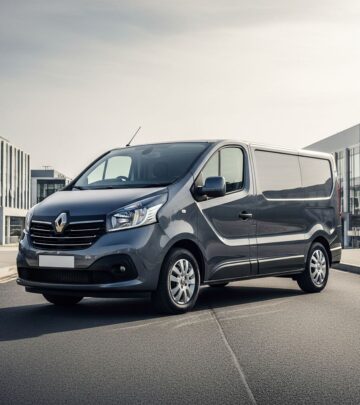
Skoda Octavia VRS 2.0 TDI Review: 560-Liter Boot
Performance meets practicality in Skoda's turbocharged diesel estate
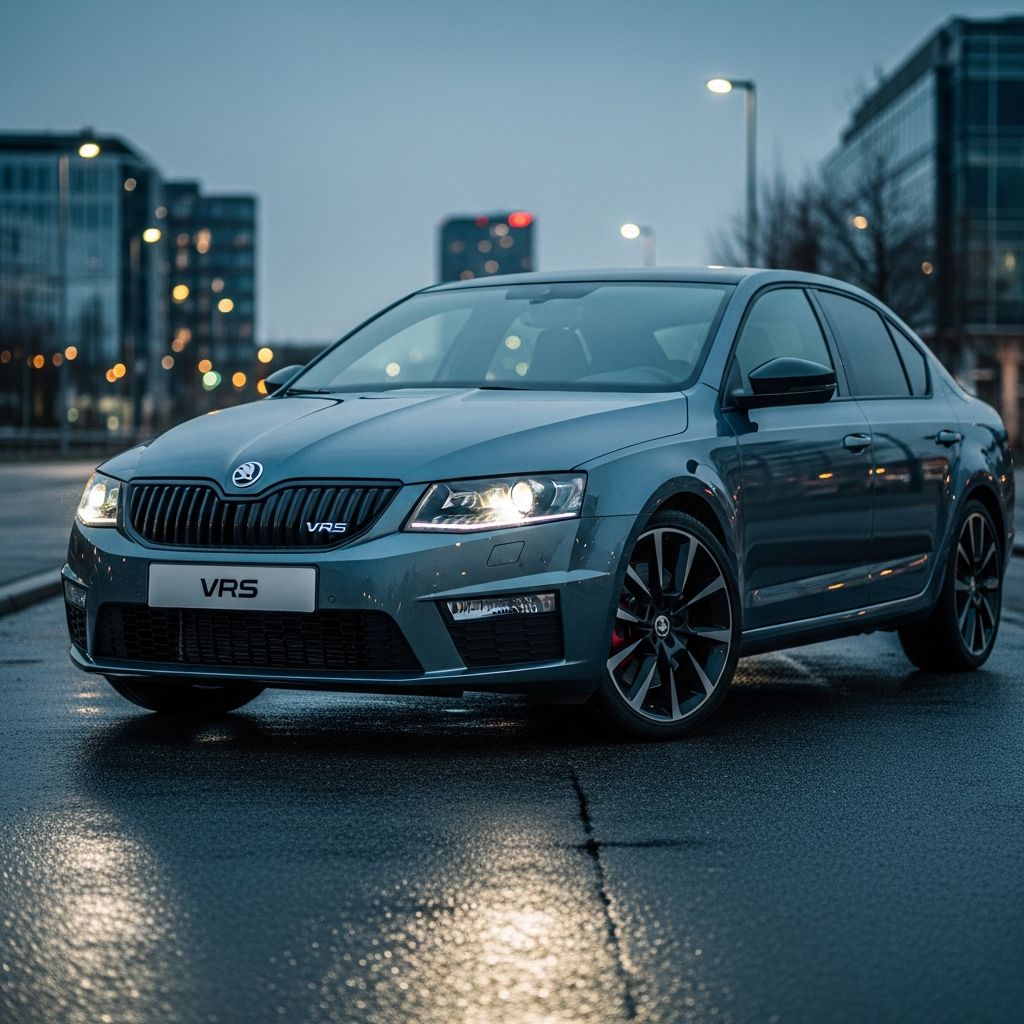
The Skoda Octavia vRS represents a unique proposition in the automotive market—a vehicle that refuses to choose between being a thrilling drive and a sensible family car. The 2.0-litre turbocharged diesel variant exemplifies this philosophy, delivering muscular torque characteristics while maintaining the spaciousness the Octavia nameplate has become renowned for. This analysis explores what makes this particular configuration compelling for drivers seeking an alternative to conventional hot hatches.
Engine Specifications and Power Delivery
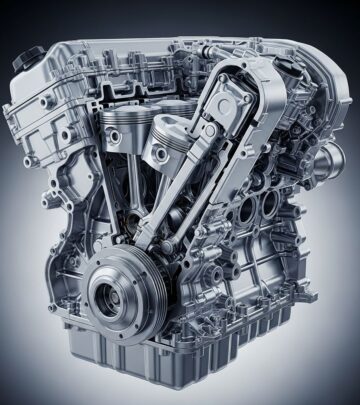
At the heart of this vehicle sits a 2.0-litre turbodiesel engine that produces 170 horsepower and an impressive 350 Newton-metres of torque. This power output represents a 22% increase over the standard diesel Octavia, positioning it as a genuinely potent proposition within its class. The torque figure proves particularly significant for those prioritizing real-world driving dynamics rather than headline acceleration statistics.
The engine’s characteristics reveal themselves most convincingly during mid-range acceleration, where the turbocharger’s boost delivery provides seamless power application. The turbo begins building intensity from approximately 1,500 revolutions per minute, reaching full capacity around the 2,000 rpm mark. This progression feels organic rather than aggressive, allowing drivers to modulate power delivery with precision when navigating varying road conditions.
The diesel architecture offers distinct advantages over its petrol counterpart. While a 200-horsepower petrol version exists, it generates only 280 Newton-metres of torque—a 70 Newton-metre deficit compared to the diesel. For those frequently tackling motorway driving or requiring confidence during overtaking manoeuvres, the diesel’s torque advantage proves decisive.
Acceleration Performance and Real-World Capability
Official acceleration figures cite an 8.4-second 0-60 miles per hour time with a top speed of 139 miles per hour. While these statistics might initially appear modest compared to dedicated hot hatches, they tell only part of the story. The diesel’s strength manifests not through headline numbers but through accessible mid-range punch that makes overtaking effortless rather than requiring calculated planning.
The transmission paired with the engine significantly influences how this power reaches the tarmac. The dual-clutch gearbox provides responsive gear changes that complement the diesel’s delivery characteristics, allowing the engine’s substantial torque to be deployed effectively across a broad operating range. This setup proves superior to turbocharged petrol variants with comparable outputs, particularly when towing or carrying substantial loads.
Fuel Efficiency and Environmental Considerations
One of the diesel variant’s most compelling attributes involves its efficiency credentials. Official combined cycle figures achieve 49.6 miles per gallon with CO2 emissions of 159 grams per kilometre. These metrics position the vehicle attractively for fleet managers whilst maintaining appeal for private buyers concerned about fuel expenditure over extended ownership periods.
Real-world testing reveals that achieving figures exceeding 40 miles per gallon during relaxed highway driving remains entirely feasible. Some users report average consumption reaching 54.3 miles per gallon under favourable conditions, suggesting that conservative driving habits can yield substantial efficiency benefits. This efficiency-to-performance ratio provides compelling value justification, as drivers need not compromise environmental responsibility for engaging performance characteristics.
Exterior Styling and Visual Differentiation
The vRS designation immediately signals visual distinction through purposeful aesthetic modifications. The front fascia incorporates deeper diffuser elements coordinated with an aggressive lower grille design. A new bootlid spoiler generates 30 kilograms of downforce at maximum velocity, contributing to both dynamic stability and purposeful visual appearance.
The rear bumper redesign features dual exhaust tailpipes paired with a red reflector strip spanning nearly the vehicle’s complete width. This treatment proves particularly effective during night driving, ensuring the vRS remains visually distinctive from lower-specification siblings. LED daytime running lights positioned low within the front bumper convey a sense of contemporary sophistication expected from modern Skoda products.
Cosmetic upgrades include red brake calipers, 18-inch alloy wheels as standard with 19-inch options available, and twin chrome exhaust pipes. These elements coalesce to create a sportier presence without resorting to ostentation. The body modifications appear purposeful rather than excessive, appealing to drivers seeking performance credibility without aggressive visual theatre.
Interior Environment and Cabin Experience
The interior establishes itself as a genuinely pleasant environment for extended journeys. A new touchscreen-based LCD control panel incorporates intuitive operation with coordinating green accents maintaining visual consistency with Skoda’s design language. The relocation of the six-CD changer from boot to cockpit eliminates the inconvenience of retrieving rain-sodden discs during inclement weather.
Space provision deserves particular commendation. Headroom availability proves generous for occupants of varying heights, whilst rear-seat legroom accommodates adult passengers comfortably. The boot capacity reaches 560 litres, substantially exceeding rivals including the Volkswagen Golf Plus at 395 litres. This spaciousness establishes the vRS as genuinely practical for families, distinguishing it from conventional hot hatches optimized purely for performance.
The specialized vRS sports seats present a design compromise. Their black upholstery with light grey faux-suede accents appears visually engaging, yet the firm construction and highly gripping central mesh sections may discourage occupants seeking ultimate comfort during extended journeys. Some drivers will appreciate the supportive characteristics during spirited driving; others may find the compromise tilts too far toward sportiness at comfort’s expense.
Suspension Setup and Ride Characteristics
The vRS rides 12 millimetres lower than the standard Octavia, incorporating unique damping components engineered for firm ride delivery. This suspension philosophy represents a deliberate design choice prioritizing handling responsiveness over compliant absorption. Urban driving inevitably transmits surface imperfections more perceptibly than conventional setups, though the sophisticated damping prevents this firmness from becoming punishing.
Once unleashed on open roads, the suspension setup reveals its true capability. The engineered stiffness enables controlled body movement during cornering whilst remaining composed across irregular surfaces. Bumps and road furrows transmit minimal jolting through the steering mechanism, maintaining driver confidence during enthusiastic driving. The suspension geometry proves sufficiently capable that even significant cornering speeds generate minimal body roll.
Steering Response and Handling Dynamics
Variable-ratio steering constitutes standard equipment, delivering light yet direct feedback under normal driving conditions. The steering response proves immediate and proportional, enabling precise directional placement without requiring excessive steering inputs. The Sport drive mode augments steering weight and alertness characteristics, providing additional feedback intensity when enthusiastic driving emerges.
The newly introduced XDS+ system represents a sophisticated chassis technology that brakes interior front and rear wheels during cornering, maintaining sharp handling characteristics through bends. This system functions transparently during normal driving whilst providing tangible benefits when pushing the vehicle near its performance envelope. Combined with the 40-kilogram weight reduction compared to previous iterations, the overall handling feel communicates precision and responsiveness.
Grip levels prove exceptional thanks to generously proportioned wheel specifications. The vehicle maintains confidence even with stability control switched to unobtrusive sport mode, allowing drivers to explore the adhesion limits without excessive electronic intervention. This calibration strikes an effective balance between providing safety assurance and permitting engaged driving.
Braking System Performance
The uprated braking system provides substantial stopping power on demand whilst maintaining user-friendly operation characteristics. Initial grabbyness—typical across Volkswagen Group platforms—requires brief acclimatization, after which the brake pedal response becomes intuitive and modulated. This braking setup inspires confidence during emergency stops whilst permitting progressive application for smooth deceleration.
Road Noise and Comfort Considerations
A notable trade-off involves tire noise transmission at elevated speeds. The larger optional wheels, whilst improving handling dynamics, generate noticeably audible boomy resonance frequencies above 40 miles per hour when traveling at motorway speeds. Drivers prioritizing extended highway cruising without excessive cabin noise would benefit from selecting smaller wheel dimensions, as this modification substantially reduces tire noise ingress despite accepting marginally reduced handling response.
Pricing and Value Proposition
At £20,165 on the road, the vRS costs £3,580 less than comparable Volkswagen Golf GTD alternatives. Alternatively, when compared against SEAT Leon competitors, the pricing reflects a £885 premium, though with superior efficiency characteristics. This pricing strategy establishes compelling value for buyers seeking performance-oriented credentials without premium brand pricing.
Comparative Market Position
| Attribute | Skoda Octavia vRS 2.0 TDI | VW Golf GTD | SEAT Leon FR |
|---|---|---|---|
| Power Output | 170 hp | Similar class | Similar class |
| Torque | 350 Nm | Comparable | Comparable |
| Price Advantage | Baseline | £3,580 cheaper | £885 more expensive |
| Boot Capacity | 560 litres | 395 litres (Plus) | Standard segment |
| Fuel Economy | 49.6 mpg | Comparable | Less economical |
Target Buyer Profile
The vRS diesel appeals primarily to drivers who reject conventional categorization. These are individuals refusing to sacrifice performance for practicality or efficiency for engagement. They recognize that modern turbocharged diesel technology delivers genuine thrills whilst maintaining sensibility regarding running costs and environmental impact.
Families seeking dynamic driving dynamics without surrendering space or economy will discover the vRS particularly compelling. Business users requiring low CO2 emissions alongside engaging performance characteristics benefit from the diesel’s efficient operation. Buyers upgrading from conventional family hatchbacks will particularly appreciate the performance transformation without abandoning genuine usability.
Potential Limitations
The vRS remains fundamentally a practical estate rather than a hardcore performance machine. Drivers seeking visceral engagement through naturally-aspirated engines or extreme acceleration figures will find dedicated hot hatches more appealing. The firm suspension setup, whilst benefiting handling, compromises everyday comfort compared to standard Octavias. Those prioritizing silence and smoothness over character will find the diesel’s audible presence less appealing than equivalent petrol variants.
Practical Everyday Experience
Beyond performance metrics, the vRS excels as a genuine daily driver. The spacious interior accommodates passengers comfortably during extended journeys. Climate control systems, convenience features, and thoughtful design touches elevate the driving experience. The vRS successfully bridges the gap between utilitarian transport and engaging drive, refusing compromise in either direction. Adaptive cruise control reduces fatigue during motorway driving, though occasional confusion with merging traffic requires driver attention maintenance.
Concluding Assessment
The Skoda Octavia vRS 2.0 TDI establishes itself as a remarkably well-rounded proposition within its market segment. The diesel engine delivers accessible performance through torque rather than raw horsepower, whilst maintaining efficiency credentials that justify its environmental impact. The spacious interior, practical dimensions, and engaging chassis dynamics create a vehicle that satisfies multiple ownership priorities simultaneously.
Price positioning creates compelling value against direct competitors, offering meaningful savings whilst maintaining performance parity. The vRS represents logical choice for buyers rejecting the false dichotomy between performance and practicality, seeking instead a vehicle that genuinely excels across diverse driving scenarios. This diesel variant, in particular, transforms the Octavia from dependable transportation into an engaging drive that rewards spirited driving whilst remaining cost-conscious and genuinely useful for families.
Frequently Asked Questions
What makes the diesel engine superior to the petrol alternative?
The diesel generates substantially greater torque (350 Nm versus 280 Nm), providing superior overtaking ability and real-world driving responsiveness despite lower peak horsepower. Additionally, diesel efficiency improves fuel economy and reduces running costs over extended ownership periods.
Is the vRS genuinely practical for family use?
Yes. The 560-litre boot and spacious rear seating make the vRS fully practical for families. The firm suspension may reduce cushioning compared to standard Octavias, but comfort levels remain entirely adequate for everyday driving.
How does the vRS compare financially to rivals?
The vRS costs £3,580 less than comparable Golf GTD models whilst offering superior boot space and identical performance characteristics, creating exceptional value proposition.
Should buyers select optional 19-inch wheels?
This depends on usage patterns. The larger wheels improve handling response but increase tire noise during motorway driving. Highway-focused drivers may prefer smaller wheels for reduced noise intrusion.
References
- Skoda Octavia 2.0 TDI vRS DSG Review — Carbuyer. 2009. https://www.carbuyer.co.uk/archive/skoda-octavia-20-tdi-vrs-dsg-review
- Skoda Octavia vRS 2.0 TDI Review — Auto Express. 2013. https://www.autoexpress.co.uk/skoda/octavia/65045/skoda-octavia-vrs-20-litre-tdi
- Skoda Octavia vRS 2.0 TDI POV Test Drive and Review — Shaaks POV. 2015. https://www.youtube.com/watch?v=4-qGN27VcVs
- Skoda Octavia vRS Review 2026: Performance and Pricing — Carwow. 2026. https://www.carwow.co.uk/skoda/octavia-vrs
- Skoda Octavia vRS 2.0 TDI 200 Review: Hot Diesel Estate Driven — Top Gear. 2013. https://www.topgear.com/car-reviews/skoda/20-tdi-200-vrs-5dr-dsg/first-drive
Similar Articles




Read full bio of medha deb