SEAT Altea: Complete Compact MPV Guide For Families
Discover the versatile compact MPV that combines style, space, and engaging driving dynamics for modern families.
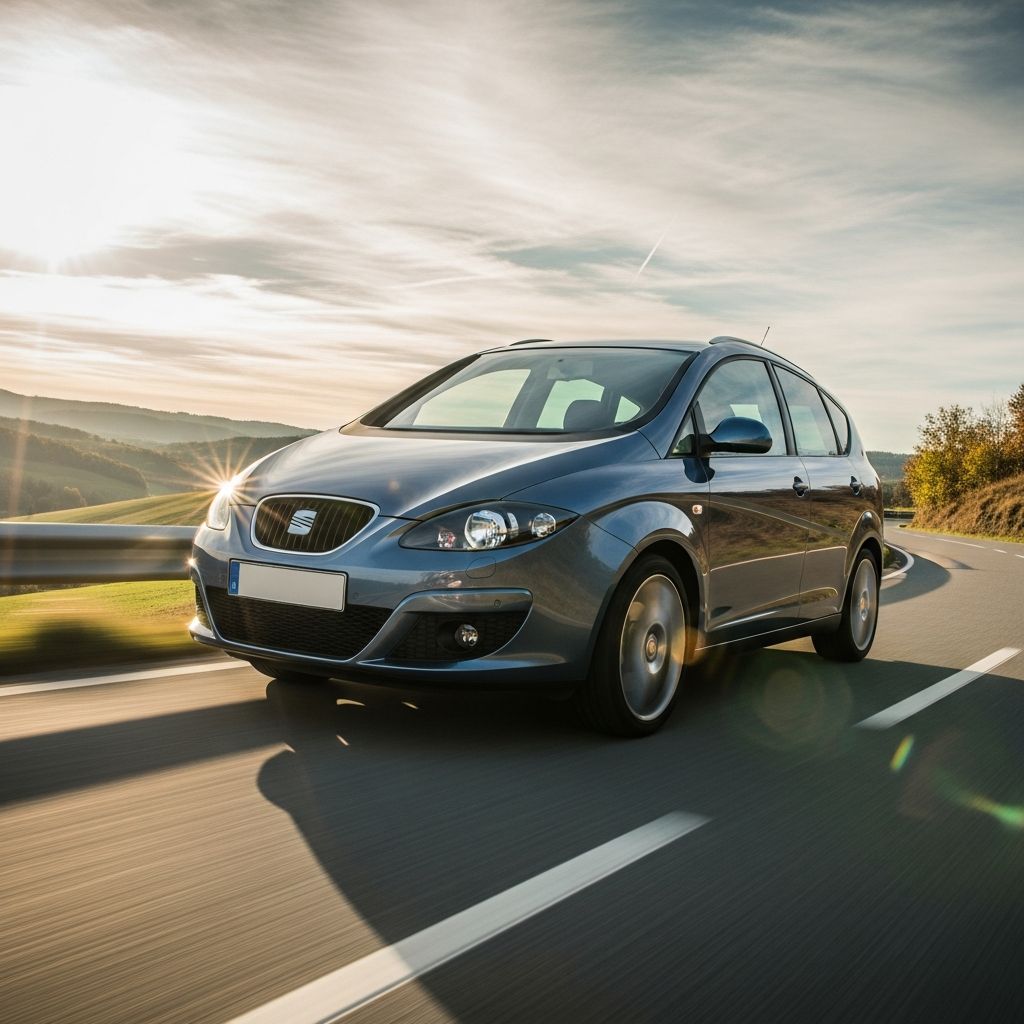
The SEAT Altea represents a distinctive approach to the compact multi-purpose vehicle segment, occupying a unique space between traditional hatchbacks and larger people carriers. Manufactured between 2004 and 2015, this vehicle was designed to appeal to families seeking practical transportation without sacrificing driving enjoyment or style. Built on the robust Volkswagen Golf platform, the Altea inherited engineering excellence while establishing its own identity through innovative design and thoughtful functionality.
The Evolution of Compact MPV Design
The SEAT Altea introduced a fresh perspective to the compact MPV category during its market debut. Rather than simply stretching a hatchback body, designers created a purpose-built vehicle that balanced practicality with aesthetic appeal. The vehicle’s elevated roofline and distinctive silhouette became instantly recognizable, setting it apart from more conventional competitors. This design philosophy reflected SEAT’s ambition to create what the manufacturer termed a ‘Multi Sports Vehicle’ (MSV)—a category that emphasized versatility without the bulk associated with traditional MPVs.
The structural approach borrowed heavily from proven Volkswagen Group engineering, ensuring reliability and structural integrity. The platform’s multi-link rear suspension system, originally developed for performance-focused applications, was adapted to provide the Altea with handling characteristics that exceeded typical expectations for vehicles in this segment. This foundation allowed the Altea to offer a compelling combination of space, comfort, and driving engagement.
Interior Architecture and Passenger Accommodation
The Altea’s interior design prioritizes passenger comfort and practical functionality. The seating position differs markedly from traditional MPVs, providing an elevated viewpoint similar to hatchbacks rather than the commanding perspective of larger people carriers. This design choice contributes to the vehicle’s car-like driving experience while maintaining excellent visibility for navigating traffic and parking situations.
Rear passengers benefit from generous headroom and legroom, with the high roofline accommodating tall adults comfortably without head contact concerns. The rear seat configuration offers flexibility through a 60:40 split-folding arrangement that can slide forward or backward, allowing drivers to prioritize either passenger space or cargo capacity based on immediate requirements. For families with young children, the wide-opening doors facilitate installation of child safety seats and provide convenient access for securing elderly passengers.
The dashboard design reflects functional principles rather than luxury aesthetics. Controls are logically positioned for easy access during driving, and material choices emphasize durability over premium finishes. Later model iterations introduced modern conveniences including USB connectivity, Bluetooth integration, and advanced infotainment systems that enhanced the ownership experience for contemporary users.
Cargo Versatility and Storage Solutions
One of the Altea’s strongest attributes is its exceptional cargo management capability. The 532-litre boot provides impressive capacity for vehicles in this class, accommodating weekly grocery shopping or holiday luggage for four passengers without compromise. The boot floor design prioritizes user-friendliness with a low, flat loading surface that minimizes strain during handling of heavier items.
Storage ingenuity extends throughout the cabin environment. Thoughtfully positioned door pockets, strategically located cup holders, and compartments distributed across the interior provide convenient access points for everyday items. The rear door cavity and under-seat storage areas expand organizational possibilities. Additional practical features include bag hooks within the cargo area and a 12-volt power socket, enabling drivers to charge accessories during journeys.
When rear seats are folded completely, the cargo area expands significantly, accommodating larger items such as furniture or sports equipment. This flexibility makes the Altea suitable for situations requiring temporary hauling capacity without the year-round fuel consumption penalties associated with larger vehicles.
Engine Selection and Performance Characteristics
The Altea’s engine lineup reflected diverse performance priorities across its production cycle. Powerplant options ranged from efficient 1.2-litre TSI units through to robust 2.0-litre TSI variants, each catering to different driving preferences and usage patterns. This extensive range ensured prospective buyers could select mechanical specifications aligned with their priorities, whether emphasizing fuel economy or performance capability.
Diesel engines, particularly the 1.6-litre TDI unit, became popular choices among owners prioritizing extended range and economical operation. These powerplants delivered commendable torque characteristics that contributed to progressive acceleration and highway stability. The 2.0-litre TDI FR variant demonstrated particularly impressive performance credentials, maintaining highway speeds with composure while demonstrating rock-steady stability despite the vehicle’s tall architecture.
Real-world fuel consumption reporting indicated considerable variation depending on driving style and conditions. Readers reported MPG figures spanning from 28 to 59 mpg across the engine range, with most conventional driving scenarios producing results in the 40-50 mpg range. The higher efficiency figures required disciplined driving techniques and favorable road conditions to achieve consistently.
Driving Dynamics and Handling Characteristics
The Altea’s driving experience represents one of its defining strengths. The vehicle’s suspension geometry, inherited from the VW Golf platform, provides surprisingly competent handling for a tall-riding family vehicle. The ‘Agile Chassis Concept’ technology, originally engineered for high-performance applications, was adapted to manage body roll effectively despite the elevated seating position.
The steering system employs electro-mechanical assistance with intelligent software that analyzes road conditions and adjusts power support accordingly. This technology delivers responsive feedback and precise directional control without imposing excessive effort during parking maneuvers or low-speed parking situations. The suspension strikes a deliberate balance between comfort preservation and dynamic control, though some drivers perceive the setup as firmer than certain competitor alternatives.
Through corners, the Altea demonstrates minimal body roll and maintains excellent grip levels, permitting confident driving at speeds exceeding typical expectations for vehicles offering comparable interior space. This capability attracts drivers seeking practical family transportation without accepting compromised handling dynamics. Wind noise suppression technology creates a peaceful cabin environment at highway speeds, while road noise management contributes to comfortable long-distance travel experiences.
Suspension and Ride Quality Considerations
The Altea’s suspension architecture represents a deliberate engineering trade-off between dynamic control and ride comfort. The setup prioritizes handling precision over cushioned isolation, resulting in a driving experience that feels more car-like than van-like. However, this philosophy occasionally produces a somewhat bouncy sensation over imperfections, particularly during extended periods on severely undulating roads.
The suspension system doesn’t jar sharply or produce disconcerting movements; rather, passengers may experience a somewhat active vertical motion as the suspension manages road surface variations. This characteristic becomes noticeable during extended drives on surfaces with numerous undulations or significant potholes. For buyers accustomed to luxury vehicles with isolation-focused tuning, the Altea’s approach may initially seem overly responsive to road texture.
Despite these characteristics, the suspension effectively maintains wheel contact with road surfaces while restricting lateral movement, contributing to the vehicle’s surprising cornering capability and highway stability. This engineering philosophy reflects SEAT’s determination to deliver engaging driving characteristics rather than pursuing conventional MPV comfort principles.
Build Quality and Platform Heritage
The Altea’s engineering foundation on the Volkswagen Golf platform ensured inherent build quality and structural integrity. This relationship provided access to proven manufacturing processes, component reliability, and design principles established through extensive Volkswagen Group engineering expertise. The vehicle shared complex suspension components with the Golf, benefiting from development investments directed toward that model’s demanding customer base.
Equipment specification on FR performance variants included climate control systems, heated door mirrors with folding capability, and comprehensive safety provision including ABS, traction control with electronic stability programming, and multiple airbags. ISOFIX rear child seat mounting provisions addressed family safety requirements systematically. The VW Group trip computer system provided real-time driving information including fuel consumption tracking, instantaneous economy reporting, and distance-to-fuel-stop calculations.
Practical Features and Modern Conveniences
Later Altea models incorporated contemporary convenience features addressing modern driver expectations. Dual-zone climate control allowed front and rear passengers to maintain independent temperature preferences, though some owners reported difficulty achieving precise regulation. Infotainment systems progressed from basic audio units toward integrated multimedia platforms featuring Bluetooth connectivity, USB input capabilities, and steering wheel audio controls.
The panoramic sunroof available on higher specifications enhanced cabin atmosphere through increased natural illumination and perceived spaciousness. These larger roof panels created an airier cabin environment that contributed positively to passenger satisfaction during extended journeys. The combination of expansive glass area and thoughtful ventilation design maintained interior comfort even during warm weather operation.
Comparative Market Positioning
Within the compact MPV segment, the Altea established itself as an exceptionally capable alternative to conventional people carriers. Compared to traditional five-seater offerings, the Altea delivered enhanced driving engagement without sacrificing practical versatility. Against larger MPVs, it provided adequate space while maintaining superior maneuverability and fuel efficiency.
The vehicle’s distinctive styling and athletic proportions attracted buyers seeking personality in practical family transport. Equipment provision remained comprehensive across the model range, with pricing maintained at accessible levels relative to competitors offering comparable functionality. The combination of proven engineering heritage, distinctive design, and engagement-focused dynamics created compelling market positioning for families prioritizing driving enjoyment alongside practical requirements.
Extended Model Variations
SEAT introduced the Altea XL variant, which extended the wheelbase by twenty centimeters to provide enhanced rear seat space and expanded cargo capacity. This elongated version appealed to larger families requiring additional passenger accommodation without transitioning to full-size MPV platforms. The XL retained the standard model’s driving characteristics while addressing specific space requirements for particular market segments.
Environmental and Emissions Considerations
During the Altea’s production lifecycle, emissions regulations evolved significantly. Diesel variants, particularly the popular 1.6-litre TDI engine, underwent modifications to meet updated nitrogen oxide reduction requirements. Some owners reported noticeable performance and efficiency changes following these regulatory compliance updates, with fuel economy occasionally declining from pre-modification baselines.
Long-Term Ownership Proposition
The Altea presents a sensible long-term ownership proposition for families prioritizing practicality alongside driving enjoyment. Reasonable running costs, combined with excellent fuel economy potential, contribute to manageable ownership expenses. The vehicle’s design integrity and proven platform heritage support reliability expectations, while comprehensive equipment provision across most variants enhances day-to-day usability.
While contemporary design aesthetics may appear dated relative to current market offerings, the fundamental engineering principles and spatial efficiency remain relevant for buyers seeking practical family transport. The Altea successfully bridges the gap between vehicles prioritizing comfort isolation and those demanding dynamic engagement, offering a compelling compromise for owners valuing both characteristics equally.
References
- SEAT Altea (2004 – 2015) Review – Handling and Engines — Honest John. 2017. https://www.honestjohn.co.uk/seat/altea/
- Seat Altea Review: Specs, MPG & Family Car Guide — ChooseMyCar. 2024. https://choosemycar.com/resources/car-reviews/seat/altea
- SEAT Altea MPV Review – CarBuyer — Dailymotion. https://www.dailymotion.com/video/x6io13q
- SEAT Altea (2009 – 2015) Used Car Review — RAC Drive. https://www.rac.co.uk/drive/car-reviews/seat/altea/altea-2009-2015/
- The car Daddy Cool really drives? 2006 SEAT Altea FR 2.0 TDI DPF — Car Enthusiast Reviews. https://www.carenthusiast.com/reviews/article/1769/-/2006-SEAT-Altea+FR/2.0+TDI+DPF.html
- SEAT Altea XL Reviews, Test Drives — Complete Car. https://www.completecar.ie/car-reviews/article/seat/altea/altea_xl/301/1690/2012-SEAT-Altea-XL-review.html
Similar Articles





Read full bio of medha deb