Saab 9-5 Complete Guide: History, Performance, Ownership
Discover the enduring appeal of the Saab 9-5, blending luxury, performance, and innovative safety in a timeless executive car.
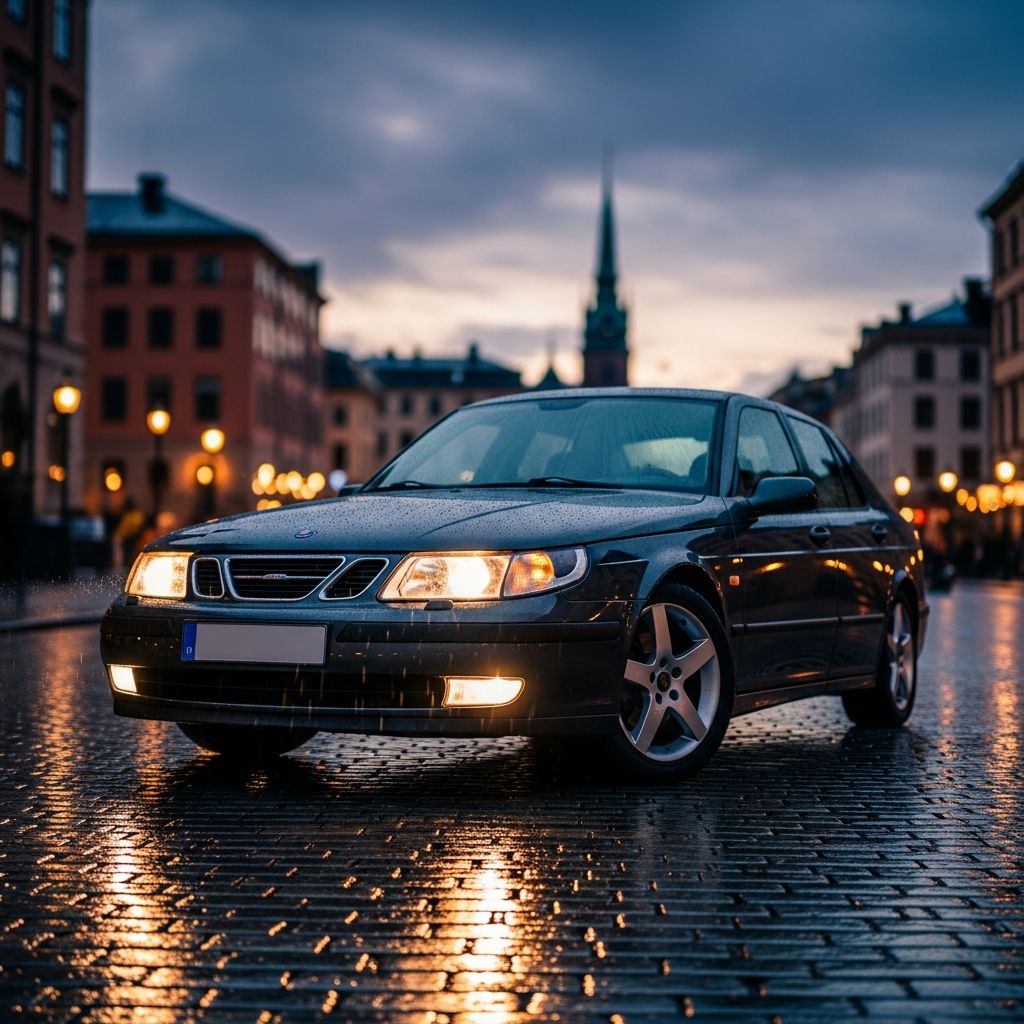
The Saab 9-5 stands as a testament to Scandinavian engineering ingenuity, combining executive comfort with spirited performance. Introduced in the late 1990s, this midsize sedan captured attention for its turbocharged engines, advanced safety systems, and distinctive design that prioritized driver engagement over fleeting trends.
Genesis and Evolution of the Saab 9-5 Lineup
Launched as Saab’s flagship sedan, the 9-5 replaced the acclaimed 9000 model, bringing fresh styling and technology to the market. Early iterations featured a robust four-cylinder turbo engine delivering ample low-end torque, making it ideal for both highway cruising and dynamic road driving. Over its production run spanning two generations, the 9-5 evolved with refined chassis dynamics and luxurious interiors, appealing to buyers seeking substance over showy aesthetics.
The first generation, produced from 1997 to 2009, emphasized durability and innovation. Engineers incorporated rubber-isolated subframes to minimize vibrations, twin balance shafts in the engine for smoothness, and a low drag coefficient of 0.29 for efficiency. These subtle refinements set it apart in an era dominated by aggressive marketing.
The second generation, arriving in 2010, shifted toward a more premium posture on the GM Epsilon platform. It boasted increased interior space, superior soundproofing, and a turbocharged V6 option, though power delivery sometimes lagged at low revs before surging higher in the RPM range.
Powertrain Excellence: Turbocharged Heart
At the core of the Saab 9-5’s appeal lies its turbocharged powerplants. The original 2.3-liter inline-four produced respectably quick acceleration, with a broad torque band enabling a tall overdrive fifth gear for relaxed highway speeds around 2000 RPM at 70 mph. This setup reduced noise and fuel consumption while maintaining melodic engine notes free from harsh clatter.
Later Aero models amplified this with higher boost levels. The 2011 variant paired a turbo V6 with a smooth six-speed manual or automatic, achieving 0-60 mph in about 8.2 seconds despite the sedan’s near two-ton weight. While not the quickest in class, the power felt adequate for real-world use, especially with premium fuel enhancing output and economy to around 9.5L/100km long-term.
| Model Year | Engine | 0-60 mph | Fuel Economy (Combined) |
|---|---|---|---|
| 1999 Base | 2.3L Turbo I4 | ~7.5 sec | ~25 mpg |
| 2006 Aero | 2.8L Turbo V6 | ~6.5 sec | ~22 mpg |
| 2011 Aero | 2.8L Turbo V6 | 8.2 sec | ~20 mpg |
This table highlights performance progression, noting how later models prioritized refinement over raw speed.
Chassis and Handling: Precision Meets Comfort
Handling defines the 9-5’s character. The first-gen model balanced a supple ride with surprising grip, exhibiting progressive understeer that tightened on throttle lift. It navigated bumps without attitude shifts and braked confidently mid-corner, thanks to electronic brake-force distribution and ABS.
The 2011 refresh on the Epsilon chassis elevated this further. Light, precise steering—often hailed as the car’s best attribute—delivered feedback that transformed the luxury sedan into a back-road blaster. Track performance impressed with composed cornering, though front-wheel-drive limits prevented ultimate sports car agility.
- Grip and Poise: Progressive tire feedback from swish to squeal at limits.
- Ride Quality: Graceful over uneven surfaces, isolated from road harshness.
- Braking: Firm pedal feel, 194-ft 70-0 mph stops (improvable with summer tires).
Interior Refinement and Practicality
Inside, the 9-5 offered a roomy, supportive cabin. Front seats featured active headrests that deployed in rear collisions, while double sun visors and a quiet automatic climate system with dual filters enhanced comfort. Rear passengers enjoyed ample legroom, and the trunk’s vast capacity—expandable via folding seatbacks or optional cargo rails—rivaled wagons.
Build quality shone with matte black accents, redundant stereo controls on the wheel, and a “night panel” dimming all but the speedometer. Though some later interiors drew criticism for faux wood trim, seats remained industry-leading for support, and the dashboard retained Saab’s ergonomic heritage.
Safety Innovations Ahead of Their Time
Saab pioneered safety in the 9-5. The body shell included elaborate crash structures exceeding regulations, designed for real-world impacts. Ventilation featured electrostatic and charcoal filters for cleaner air, and the overall design prioritized occupant protection without compromising drivability.
Ownership Realities: Buying and Maintaining a Classic
For enthusiasts eyeing a used 9-5, especially 2006-2009 Aeros, premium fuel unlocks better power and efficiency. The auto-turbo-electronics synergy shines, but expect routine maintenance on turbos and electronics. Long-term owners report durability, with high-mileage examples like 234,000-mile survivors still roadworthy.
Common strengths include smooth gearboxes, whether paddle-shifted autos or manuals. Weaknesses? Tire roar and some bump noise in early models, plus modest low-RPM turbo lag in later ones.
Why the Saab 9-5 Endures
Beyond specs, the 9-5 fosters loyalty through its honest dynamics. It’s a genteel performer for mature drivers: quiet, efficient, versatile, and fun when pushed. In a market of sanitized appliances, it offers character—melodic engines, communicative steering, and unpretentious luxury.
Frequently Asked Questions
Is the Saab 9-5 reliable?
Yes, with proper maintenance. High-mileage examples thrive, though turbos and electronics need attention. Use premium fuel for optimal performance.
How does the 9-5 handle compared to rivals?
Exceptional steering precision and balance make it more engaging than typical luxury sedans, blending comfort with sporty poise.
What’s the best engine variant?
Aero models with V6 turbos offer the most power, paired smoothly with manuals or autos.
Is the interior spacious?
Highly so, with wagon-like cargo versatility and supportive seats for all passengers.
Are parts still available?
Enthusiast communities and aftermarket support keep classics running strong.
References
- Tested: 1999 Saab 9-5 Sticks to the Formula — Car and Driver. 2023-06-01. https://www.caranddriver.com/reviews/a43917312/1999-saab-9-5-by-the-numbers/
- 2011 Saab 9-5 — MotorWeek. 2011-01-01. https://motorweek.org/road_tests/2011_saab_9_5/
- 9-5 Aero, 2006-2009, buying advice — SaabWorld Forum. 2009-01-01. https://saabworld.net/showthread.php?t=1584
- 2011 Saab 9-5 Aero — Autoweek. 2011-01-01. https://www.autoweek.com/drives/a1982551/2011-saab-9-5-aero-autoweek-drivers-log-car-review/
Similar Articles




Read full bio of Sneha Tete