Saab 9-3 Used Buyer Guide: Value, Reliability, Performance
Discover the distinctive Swedish sedan that redefined executive car standards
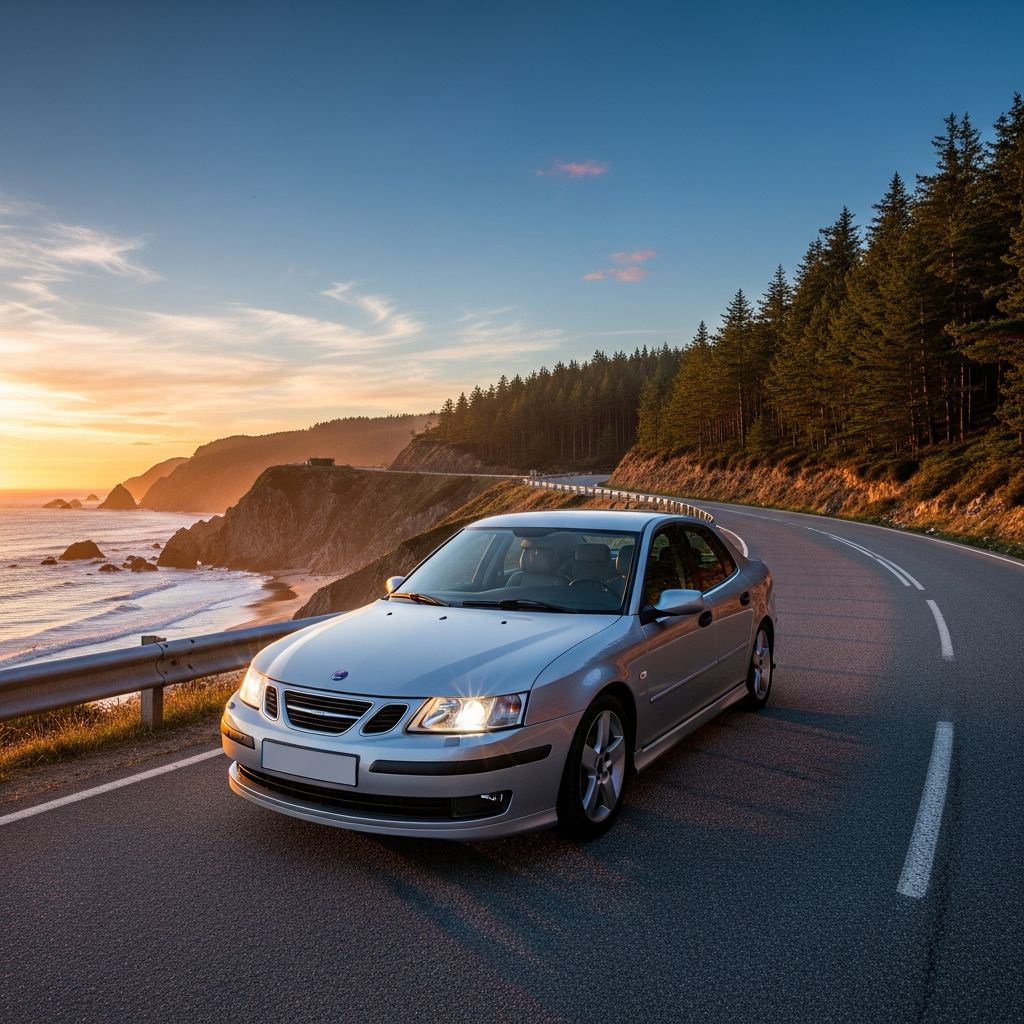
The Saab 9-3 represents a pivotal achievement in automotive design, embodying the principles of Swedish engineering and forward-thinking vehicle development. As an executive sedan that challenged conventional industry standards, this vehicle carved out a distinctive niche by prioritizing both performance and driver comfort in equal measure. Over its production lifecycle, the 9-3 evolved into one of the most respected mid-size sedans available, earning recognition from safety organizations and enthusiast communities alike.
Engineering Foundations and Mechanical Architecture
The mechanical platform underlying the Saab 9-3 demonstrates the manufacturer’s commitment to creating a vehicle that balances sportiness with everyday practicality. The suspension design employs MacPherson struts at the front axle, complemented by a sophisticated four-link geometry in the rear configuration. This combination enables the 9-3 to maintain exceptional cornering stability while preserving ride comfort during extended highway journeys.
The handling characteristics of the 9-3, particularly in its SportCombi wagon variant, showcase the engineering prowess applied to this platform. The vehicle exhibits minimal body roll during aggressive cornering maneuvers, delivering a driving experience that transcends typical front-wheel-drive vehicle behavior. When paired with mandatory stability and traction control systems, the 9-3 achieves handling dynamics that rival more expensive competitors in its class.
Powertrain Options and Performance Metrics
Saab offered multiple engine configurations across the 9-3’s production run, each tailored to different market preferences and performance expectations. The naturally aspirated powerplants provided adequate performance, but the brand’s reputation was truly built upon turbocharged variants that became the model’s signature offering.
The diesel engine lineup showcased particular innovation, with the twin-stage turbodiesel 1.9-liter TTiD engine representing a landmark achievement. This innovative unit employs a smaller turbine to provide boost pressure up to 1,500 RPM, after which a larger turbine assumes primary responsibility while maintaining coordinated operation below 3,000 RPM. This sequential turbocharging approach delivers approximately ninety percent of the engine’s torque from just 1,750 RPM, enabling responsive acceleration from low engine speeds.
The gasoline-powered variants, particularly the 2.8-liter V6 engine found in certain model years, delivered 255 horsepower and 258 foot-pounds of torque, enabling 0-60 MPH acceleration in 6.9 seconds. Fuel economy for these powertrains ranged from 15 city and 24 highway MPG for the naturally aspirated six-cylinder to significantly better figures for the turbodiesel units.
| Engine Configuration | Displacement | Power Output | Torque | Performance Highlight |
|---|---|---|---|---|
| V6 Gasoline | 2.8L | 255 HP | 258 lb-ft | 6.9 sec 0-60 MPH |
| Turbodiesel | 1.9L TTiD | 160 HP | 236 lb-ft | 90% torque at 1,750 RPM |
| Turbocharged Gasoline | 2.0L | 210 HP | 207 lb-ft | Responsive mid-range power |
Interior Environment and Ergonomic Design
The 9-3’s cabin represents Saab’s distinctive approach to automotive interior design, emphasizing driver-centric ergonomics and innovative interface solutions. The dashboard configuration, famously referred to as the cockpit-style layout by the manufacturer, draws inspiration from aircraft design principles. This philosophy prioritizes control accessibility and information presentation in a manner that prioritizes the operator’s requirements.
Standard features across trim levels included electronic window controls and comprehensive climate management systems. The instrument panel incorporated multi-layered design elements that simplified information consumption during driving activities. Various trim designations, such as the Linear entry-level specification, provided consistent access to core comfort amenities regardless of price point.
Rear passenger accommodations reflected Saab’s traditional strength in rear seat design, offering generous legroom suitable for three adult occupants. The 60/40 split-folding rear seatbacks transformed the interior into a versatile cargo space exceeding 72 cubic feet, enabling the sedan configuration to accommodate substantial load capacity.
Safety Architecture and Protective Systems
Safety represented a cornerstone of the 9-3’s development philosophy, with the vehicle achieving five-star safety ratings from Euro NCAP during periods when such ratings were exceptionally rare. The comprehensive airbag architecture provided protection across multiple impact scenarios, while the vehicle earned Top Safety Pick recognition from the Insurance Institute of Highway Safety.
The 9-3 incorporated protective features including pop-up rollover bars in convertible variants, alongside electronic safety alerts that warned drivers of potential hazard conditions. These systems complemented the vehicle’s structural design, which prioritized occupant compartment rigidity and controlled deformation in crush zones.
Reliability Assessment and Maintenance Considerations
Contemporary reliability data reflects positively on the 9-3’s long-term durability, with users on RepairPal assigning an above-average reliability rating of 4.0 out of 5.0. Annual maintenance and repair expenses for used examples typically amount to approximately $526, a reasonable figure considering the vehicle’s mechanical sophistication and age.
The 2002 model year represents a particularly strong choice for value-oriented buyers, featuring a spacious cabin and a turbocharged 2.0-liter four-cylinder engine as the base offering. Premium Viggen and SE trim variants provided enhanced performance capabilities for those desiring additional capability. At Cars.com, ninety-two percent of drivers recommend this model year, with owners consistently praising its comfort characteristics and ownership value proposition.
With regular preventative maintenance, used 9-3 specimens maintain respectable fuel economy figures, with 2011 Sports Sedans achieving approximately 24 MPG in combined driving. The turbocharged powerplants deliver responsive acceleration characteristics, while the all-wheel-drive systems available on certain configurations provide enhanced traction in adverse conditions.
Driving Dynamics and On-Road Character
The 9-3’s driving experience reflects Saab’s philosophical approach to vehicle dynamics, prioritizing composed and confident handling over aggressive sportiness. The steering system transmits subtle road feedback to the driver while maintaining a lighter touch compared to more sport-oriented competitors. The braking systems, while not offering razor-sharp response characteristics, provide adequate stopping power with smooth modulation across various driving scenarios.
The suspension tuning creates a slightly softer ride quality compared to some European competitors, particularly noticeable on road surfaces with minor imperfections. However, this characteristic contributes to the 9-3’s distinctive identity as a refined long-distance cruiser rather than an entry-level sport sedan. The motorway driving experience particularly showcases this attribute, with the suspension dynamics promoting a near-hypnotic sense of calm during extended highway journeys.
The sportier configurations, particularly turbocharged variants, demonstrate responsive acceleration characteristics without sacrificing the platform’s inherent composure. The transmission operation delivers smooth downshifts that enhance the overall driving progression. The vehicle’s tendency to hug the road surface, while not achieving true sports car handling characteristics, provides sufficient dynamism for engaging drives through varied terrain.
Value Proposition in the Used Market
The 9-3 has emerged as an exceptional value proposition in the contemporary used vehicle market, particularly for buyers seeking executive-level refinement without premium pricing. The combination of turbocharged performance, Swedish engineering authenticity, and reasonable maintenance costs creates a compelling ownership case compared to Japanese or German competitors at similar price points.
Buyers prioritizing reliability data supported by long-term ownership experiences will find the 9-3’s above-average ratings encouraging. The availability of multiple powertrain options accommodates different usage patterns, whether prioritizing highway efficiency through diesel variants or preferring gasoline engine responsiveness. The spacious interior and sophisticated cabin design provide daily convenience without compromising the vehicle’s executive character.
Frequently Asked Questions
What maintenance issues should prospective 9-3 buyers anticipate?
While the 9-3 demonstrates above-average reliability, owners should monitor typical turbocharged engine components, maintain regular fluid services, and address any electrical concerns promptly. Annual maintenance budgets of approximately $526 remain manageable compared to competitors requiring premium fuel or more frequent service intervals.
How does the 9-3’s handling compare to contemporary competitors?
The 9-3 emphasizes composed, confident handling over aggressive sportiness, with excellent stability during cornering maneuvers. The suspension tuning prioritizes ride comfort while maintaining road connection, making it particularly suited for drivers valuing refinement over performance theater.
Which model years represent the best value for used buyers?
The 2002 model year garnered particular praise from users, with ninety-two percent recommending the model and strong ratings for comfort and value. Later production examples benefit from refined technology and updated safety systems, though earlier models often command significantly lower prices.
Does the 9-3 maintain competitive fuel economy?
Turbodiesel variants achieve exceptional efficiency, frequently exceeding 50 MPG on extended highway journeys. Turbocharged gasoline models and the naturally aspirated V6 variant deliver respectable but less remarkable economy figures, though turbo units balance performance with acceptable consumption rates.
What distinguishes the 9-3 SportCombi from the sedan configuration?
The wagon variant maintains the sedan’s excellent handling dynamics while adding substantial cargo capacity exceeding 72 cubic feet with rear seats folded. The SportCombi retains the sedan’s exceptional stability, delivering sports car-like composure despite its utilitarian form factor.
References
- 2008 Saab 9-3 Road Test — MotorWeek. https://motorweek.org/road_tests/2008_saab_9-3/
- The 9-3 is a superb and true Saab (Full review) — YouTube. https://www.youtube.com/watch?v=cyWTdr2HZGI
- Retro review: the Saab 9-3 — Top Gear. https://www.topgear.com/car-reviews/9-3/first-drive
- Used 2009 Saab 9-3 Consumer Reviews — Edmunds. https://www.edmunds.com/saab/9-3/2009/consumer-reviews/
- Saab 9-3 Reliability and Common Problems — CarParts.com. https://www.carparts.com/blog/saab-9-3-reliability-and-common-problems/
- The Saab 9-3 is an Incredible Used Car Bargain — YouTube. https://www.youtube.com/watch?v=ZKUMZcVeubU
Similar Articles




Read full bio of medha deb