Saab 9-3: Performance, Reliability & Driving Experience
Discover the Saab 9-3's unique blend of Swedish engineering, turbocharged power, and exceptional comfort for discerning drivers.
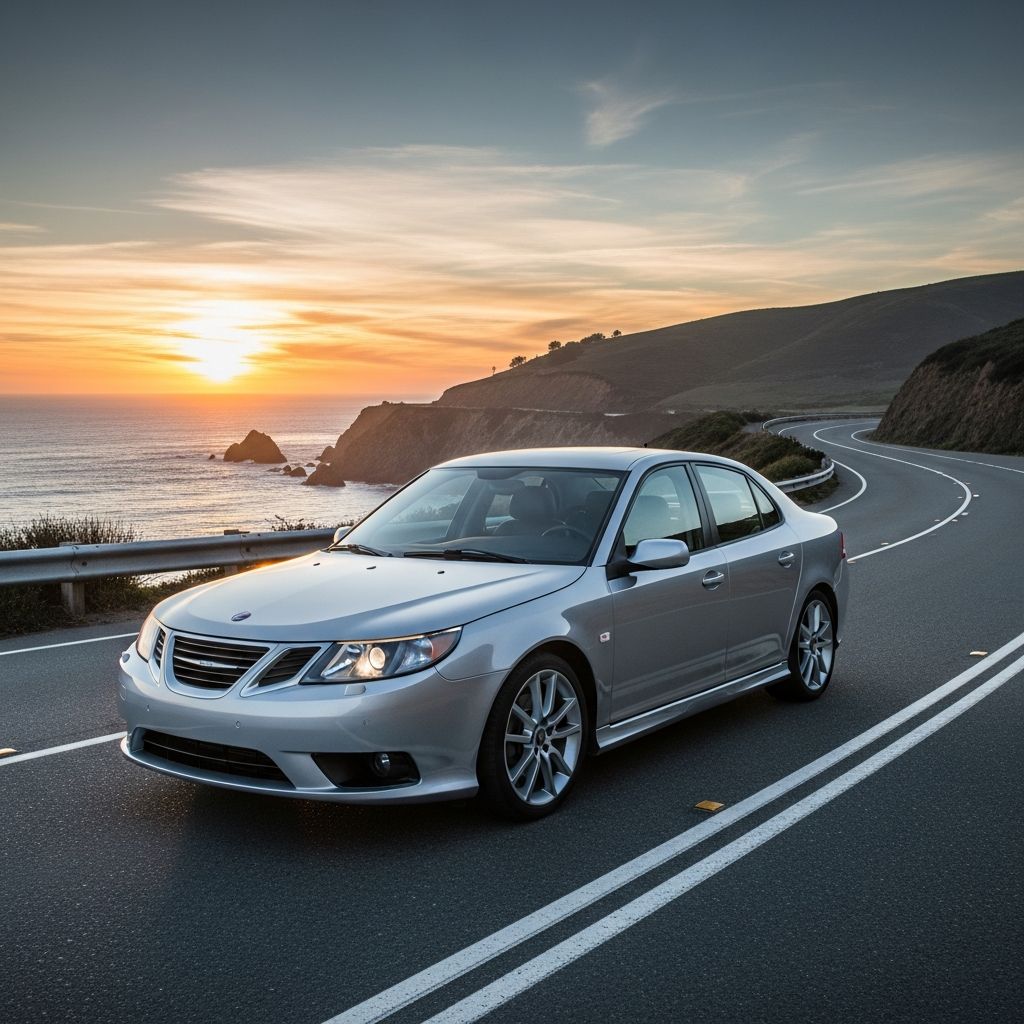
The Saab 9-3 represents a distinctive approach to the executive compact sedan segment, combining Scandinavian engineering philosophy with turbocharged performance and a commitment to driver comfort. Unlike its German and Japanese competitors, the 9-3 prioritizes a serene yet responsive driving experience that appeals to those seeking something beyond conventional luxury automotive design.
Engine Technology and Performance Characteristics
The Saab 9-3 lineup offers multiple powerplant options, each reflecting the brand’s engineering priorities. The 2.8-liter V6 Aero engine delivers 255 horsepower and 258 pound-feet of torque, enabling 0-60 mph acceleration in 6.9 seconds with a quarter-mile time of 15.5 seconds at 94 mph. This naturally aspirated option provides smooth, linear power delivery.
More distinctive is the turbocharged diesel offering: the 1.9-liter twin-stage turbodiesel engine, known as the TTiD. This innovative powerplant features a smaller turbine that provides boost up to 1,500 rpm, at which point a larger turbine engages, working in concert with its partner before assuming full responsibility above 3,000 rpm. This configuration delivers 90 percent of the engine’s 236 pound-feet of torque from just 1,750 rpm, providing substantial low-end punch. The turbodiesel achieves exceptional fuel economy, regularly exceeding 50 mpg on highway runs.
Turbocharged gasoline options, including a 2.0-liter four-cylinder turbo, deliver responsive acceleration with minimal turbo lag and distinctive turbo sound on hard acceleration. These engines provide an engaging driving experience without sacrificing daily practicality.
Fuel Economy and Operational Efficiency
The EPA ratings for the 2.8-liter V6 show 15 mpg city and 24 mpg highway, with a mixed-loop average of 19.9 mpg. The diesel variants significantly outperform these figures, making them ideal for owners prioritizing fuel efficiency. Turbocharged gasoline engines achieve approximately 24 mpg city/highway ratings with regular maintenance. For long-distance highway driving, the 9-3’s efficiency characteristics prove economical.
Handling Dynamics and Suspension Architecture
The 9-3’s handling reputation stems from its sophisticated suspension geometry. MacPherson struts handle the front axle, while a four-link configuration manages the rear. This setup, combined with standard stability and traction control systems, creates what automotive reviewers describe as superior front-wheel-drive dynamics. The SportCombi wagon variant demonstrates exceptional cornering stability, maintaining flat body posture through aggressive maneuvers that would unsettle many competitors.
The steering and brake calibration emphasize refinement over raw sportiness. Rather than razor-sharp responses, the 9-3 transmits what reviewers characterize as a near-hypnotic sense of calm, particularly during motorway cruising. This philosophy appeals to drivers valuing composed, predictable behavior over aggressive response characteristics. The slightly soft ride quality contributes to the vehicle’s character, smoothing imperfections while maintaining body control.
Interior Accommodation and Seating Comfort
Saab’s reputation for generous rear-seat accommodation finds strong expression in the 9-3. The rear seating area provides substantial legroom for three passengers, making it competitive with larger luxury sedans. The 60/40 split-folding rear seatbacks expand cargo capacity to 72.3 cubic feet when folded, providing versatility for various storage scenarios.
Front seat support and bolstering accommodate long-distance driving without fatigue, a particularly valued characteristic among owners who use the 9-3 as a primary daily driver. Climate control systems maintain cabin comfort across temperature ranges, while multi-layered instrument clusters provide clear information visibility.
Technology and Convenience Features
Modern 9-3 variants include standard OnStar connectivity and XM radio integration, connecting occupants to entertainment and emergency services. All doors feature electric windows, and climate control operates independently for driver and passenger zones. The cockpit-style cabin design, as Saab terms it, emphasizes driver-centric ergonomics with controls positioned for intuitive access. The onboard computer system represents an intelligent approach to vehicle management and diagnostics.
Safety Engineering and Crash Protection
The 9-3 achieved Top Safety Pick designation from the Insurance Institute for Highway Safety, reflecting comprehensive crash protection. A full complement of airbags protects occupants, while the convertible models incorporate pop-up roll bars for added protection during rollover scenarios. Stability and traction control systems come standard across the lineup, actively managing wheel slip and directional stability.
The vehicle’s design emphasizes occupant compartment rigidity and crumple zone engineering, absorbing impact energy while maintaining survival space. Safety-focused features extend beyond crash protection to include stability alerts and integrated warning systems.
Reliability Assessment and Maintenance Considerations
RepairPal users assigned the Saab 9-3 an above-average reliability rating of 4.0 out of 5.0, indicating consistent performance across multiple model years. Annual repair and maintenance costs average approximately $526 for used examples, a reasonable figure considering the vehicle’s complexity and performance level.
The 2002 model year demonstrates particular reliability credentials, with 92 percent of drivers recommending the hatchback configuration and rating comfort and value at 4.3 out of 5 stars. Older examples may experience occasional electrical and mechanical issues requiring specialist knowledge, though routine maintenance prevents most significant failures. Parts availability varies; certain components prove easier to source than others.
Distinctive Ownership Characteristics
The 9-3 attracts buyers seeking differentiation from mainstream luxury competitors. Its distinctive styling generates frequent positive comments from observers, and the relatively low numbers on roads ensure rarity among daily drivers. Owners consistently praise the responsive, punchy turbocharged engines and the tight steering response that makes parking manageable despite the vehicle’s size.
The convertible configuration operates quietly for a drop-top design, with good winter insulation and reliable traction control providing year-round usability. Owners report that discovering a well-maintained example rewards them with exceptional value and an engaging daily driving experience.
Comparison with Competitive Alternatives
| Characteristic | Saab 9-3 | Typical Competitors |
|---|---|---|
| Driving Philosophy | Serene, composed, refined | Sportier, more aggressive |
| Fuel Economy | Competitive, excellent with diesel | Similar to V6, better with turbo 4-cyl |
| Rear Seat Room | Generous, best-in-class | Variable, often more compact |
| Handling Character | Calm predictability | Sportier response |
| Interior Quality | Good, not luxury-grade | Premium materials standard |
| Parts Availability | Moderate, specialist dealers | Excellent, mainstream networks |
Long-Distance Capability and Practicality
The 9-3 distinguishes itself as an exceptional long-distance cruiser. The turbodiesel’s low-end torque minimizes gear-changing frequency on motorways, while the composed ride and spacious seating reduce driver fatigue during extended journeys. Fuel economy characteristics mean fewer refueling stops compared to larger vehicles. The SportCombi wagon variant provides additional cargo versatility for travelers requiring extra storage capacity.
Common Maintenance Points and Ownership Insights
Prospective buyers should examine service history and maintenance records carefully, as preventive upkeep determines long-term reliability. Owners report that a well-maintained example delivers consistent performance, while neglected examples may inherit costly issues. Specialist Saab retailers offer advantages over mainstream mechanics for certain diagnostic and repair procedures.
The 9-3 appeals to practical drivers prioritizing comfort and long-term value over sporty handling or trendy design. Owners frequently describe ownership as rewarding and note that the vehicle’s unique characteristics provide satisfaction that mainstream alternatives cannot replicate.
Value Proposition and Target Buyer Profile
The 9-3 presents compelling value for discerning buyers seeking affordable alternatives to established German luxury brands. Its turbocharged efficiency, generous accommodation, and distinctive character appeal to those valuing substance over badge prestige. The vehicle suits daily commuters requiring reliability, comfortable long-distance capability, and responsive performance without excessive maintenance complexity.
For buyers who have owned the 9-3 extensively, it frequently emerges as the best all-around vehicle they have experienced, suggesting that long-term satisfaction exceeds initial expectations. The combination of Swedish engineering refinement, practical accommodation, and turbocharged performance creates a compelling ownership proposition.
References
- 2008 Saab 9-3 Road Test — MotorWeek. Accessed April 2026. https://motorweek.org/road_tests/2008_saab_9-3/
- Retro Review: The Saab 9-3 First Drive — Top Gear. Accessed April 2026. https://www.topgear.com/car-reviews/9-3/first-drive
- 2008 Saab 9-3 Consumer Reviews & Ratings — Kelley Blue Book. Accessed April 2026. https://www.kbb.com/saab/9-3/2008/consumer-reviews/
- Saab 9-3 Reliability and Common Problems — CarParts.com. Accessed April 2026. https://www.carparts.com/blog/saab-9-3-reliability-and-common-problems/
- Used 2009 Saab 9-3 Consumer Reviews — Edmunds. Accessed April 2026. https://www.edmunds.com/saab/9-3/2009/consumer-reviews/
Similar Articles




Read full bio of medha deb