Saab 9-3: Complete Used Buyer Guide And Reliability 2026
Discover why the Saab 9-3 remains a beloved choice for drivers seeking turbocharged performance, comfort, and unique Swedish engineering in a compact package.
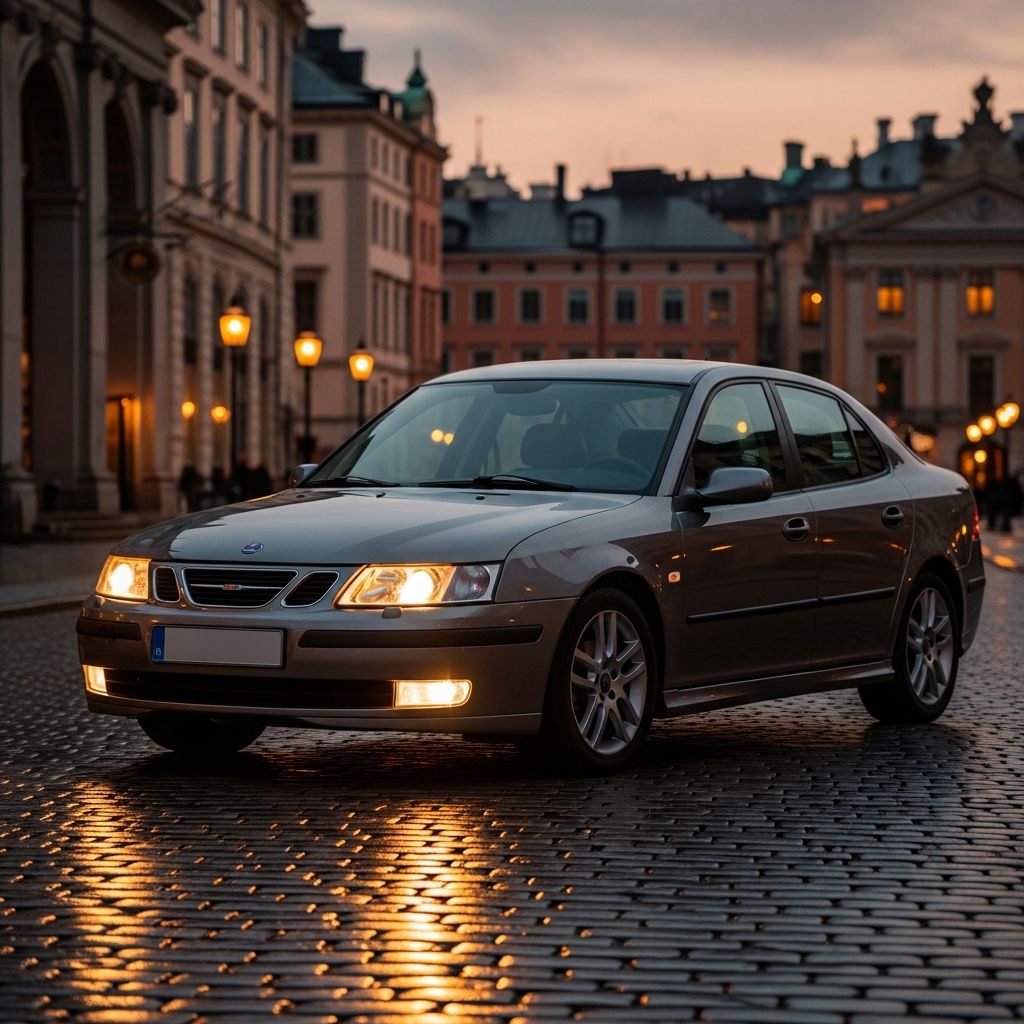
The Saab 9-3 stands as a testament to innovative engineering from the Swedish automaker, blending turbocharged power with practical everyday usability. Produced from 2002 to 2012, this compact executive car captured hearts with its distinctive design, safety focus, and refined driving experience. Despite Saab’s challenges, the 9-3 continues to attract enthusiasts who value its unique character over conventional rivals.
Engineering Excellence: Powertrains That Define the Saab Experience
At the core of the Saab 9-3’s allure are its turbocharged engines, a hallmark of Saab’s philosophy. The lineup featured 2.0-liter four-cylinder turbo petrol units delivering responsive acceleration, often paired with manual or automatic transmissions. Diesel variants, particularly the innovative 1.9-liter TiD twin-turbo, provided exceptional torque from low revs, enabling impressive fuel economy figures exceeding 50 mpg on long runs.
Owners frequently highlight the turbo engines’ punchy performance. The smaller turbine activates early for low-end boost, seamlessly handing off to the larger one at higher speeds, ensuring broad power delivery without lag. Petrol models, like the 2.0T, offer quick launches and highway composure, with minimal turbo spool-up time for spirited driving. All-wheel-drive XWD systems in later models enhanced traction, allowing playful tail-out behavior under power while maintaining stability.
- Petrol 2.0T: Around 210-260 hp, excellent for overtaking and daily commutes.
- Diesel 1.9 TiD: Up to 180 hp, torque-focused for efficiency.
- XWD AWD: Superior grip in wet or slippery conditions.
Driving Dynamics: Comfort Meets Controlled Poise
The 9-3 excels as a long-distance cruiser, prioritizing serenity over outright sportiness. Its suspension tuning delivers a soft yet composed ride, absorbing motorway imperfections while transmitting a calming feedback through gentle steering and brakes. Reviewers note its hypnotic motorway poise, making it ideal for high-mileage drivers seeking fatigue-free journeys.
Handling is secure rather than razor-sharp, with tight steering that inspires confidence. Front-wheel-drive models hug corners predictably, while XWD variants add rear-end liveliness, moderated by stability controls. Convertible versions maintain structural rigidity, riding quietly even with the top down and offering solid winter traction with appropriate tires. Fuel efficiency shines: 24 mpg combined for well-maintained petrol models, better for diesels.
| Model Year | Engine | 0-60 mph | Fuel Economy (mpg) |
|---|---|---|---|
| 2008 | 2.0T Petrol | ~7.5s | 24 combined |
| 2008 | 1.9 TiD Diesel | ~8.5s | 45+ highway |
| 2009 Convertible | 2.0T | ~8.0s | 22 combined |
Interior Refinement and Practicality
Inside, the 9-3’s cockpit-style layout wraps drivers in a functional, aviation-inspired environment. Multi-layered instrumentation, including a prominent information display, keeps key data in view. Trim levels like Linear offered generous standard kit: four electric windows, climate control, and solid build quality from the base up.
Materials feel sturdy, though not always premium—more practical Vauxhall than luxury marque. Front seats provide excellent support for long hauls, but rear space is tighter for adults, better suited to shorter trips. Boot capacity suits family needs, and the hatchback variant adds versatility. Convertibles impress with insulation, remaining hushed and secure. Safety features, including pop-up roll bars and adaptive alerts, underscore Saab’s pedigree.
Reliability Insights: Strengths and Potential Pitfalls
The Saab 9-3 earns a strong 4.0/5.0 reliability rating on RepairPal, with annual maintenance around $526—reasonable for its class. Well-cared-for examples rack up high mileage reliably, thanks to durable turbos and responsive electronics. The 2002 model stands out, with 92% owner recommendation for comfort and value.
Common issues include electrical gremlins and aging turbo components, which can prove costly if neglected. Parts availability challenges persist post-Saab bankruptcy, though routine servicing mitigates risks. Diesel models demand vigilant turbo maintenance, while convertibles may face top mechanism wear. Buyers should prioritize service history to sidestep expensive repairs.
- Pros: Turbo longevity with care, low running costs, safety innovations.
- Cons: Electrical faults, parts scarcity, higher repair bills for neglected cars.
Owner Perspectives: Real-World Satisfaction
Consumer feedback paints the 9-3 as an underappreciated gem. Kelley Blue Book owners rave about its value, competing with German imports via turbo thrill and efficiency. One long-term owner called it their best vehicle after a decade, praising highway prowess and smart onboard systems. Edmunds reviewers love the convertible’s fun factor, solid build, and head-turning style.
YouTube enthusiasts echo this, deeming it a perfect daily for miles of comfortable motoring, free of annoying quirks. Top Gear highlighted the diesel’s refinement, though noting softer dynamics suit relaxed drivers best. Car and Driver affirmed its unique Swedish turbo character endures, even on GM-shared platforms.
“This car competes well with any German or Japan import and offers an outstanding driving experience.”
Buying Guide: Finding a Solid Example
For used buyers, target 2008-2011 models with full records. Inspect turbos, electrics, and suspension. Diesels suit high-milers; petrol for fun. Budget $5,000-$15,000 depending on condition and mileage. XWD adds premium but boosts usability. Avoid rusty examples or those lacking history—thorough checks ensure joy without headaches.
Why the Saab 9-3 Endures in 2026
In a sea of uniformity, the 9-3’s quirky charm persists. Its turbo heritage, safety ethos, and cruiser comfort make it a smart pick for discerning drivers. As parts networks mature, reliability improves for proactive owners. Whether sedan, sportswagon, or cabrio, it delivers Saab’s soul affordably.
Frequently Asked Questions (FAQs)
Is the Saab 9-3 reliable?
Yes, rated 4.0/5.0 by RepairPal, with proper maintenance yielding high mileage.
What are common Saab 9-3 problems?
Electrical issues, turbo wear, and parts availability; mitigated by service history.
How fuel-efficient is the Saab 9-3?
Petrol: ~24 mpg combined; Diesel: 45+ mpg highway.
Is the Saab 9-3 good for long drives?
Exceptional, with calm ride and supportive seats.
What’s the best Saab 9-3 model year?
2002 and 2008+ for reliability and features.
Performance Comparison Table
| Aspect | Saab 9-3 | BMW 3-Series (Contemp.) | Audi A4 (Contemp.) |
|---|---|---|---|
| Turbo Tech | Twin-stage diesel option | Single turbo | Similar |
| Ride Comfort | Soft, hypnotic | Firmer | Balanced |
| Reliability Rating | 4.0/5 | ~3.5/5 | ~3.8/5 |
| Used Price (2026 est.) | $5k-$15k | $8k-$20k | $7k-$18k |
References
- The 9-3 is a superb and true Saab (Full review) — YouTube. 2023. https://www.youtube.com/watch?v=cyWTdr2HZGI
- 2008 Saab 9-3 Consumer Reviews & Ratings — Kelley Blue Book. 2023-10-15. https://www.kbb.com/saab/9-3/2008/consumer-reviews/
- Retro review: the Saab 9-3 — Top Gear. 2007-05-20. https://www.topgear.com/car-reviews/9-3/first-drive
- Used 2009 Saab 9-3 Consumer Reviews — Edmunds. 2023-11-01. https://www.edmunds.com/saab/9-3/2009/consumer-reviews/
- Saab 9-3 Reliability and Common Problems — CarParts.com. 2024-02-14. https://www.carparts.com/blog/saab-9-3-reliability-and-common-problems/
- 2008 Saab 9-3 First Drive — Car and Driver. 2007-08-01. https://www.caranddriver.com/reviews/a17012868/2008-saab-9-3-first-drive-review/
Similar Articles





Read full bio of medha deb