Saab 9-3 2.0T Aero: 210 HP Performance, Specs, Ownership Tips
Discover the dynamic performance and refined engineering of the Saab 9-3 2.0T Aero, blending turbo power with everyday usability.
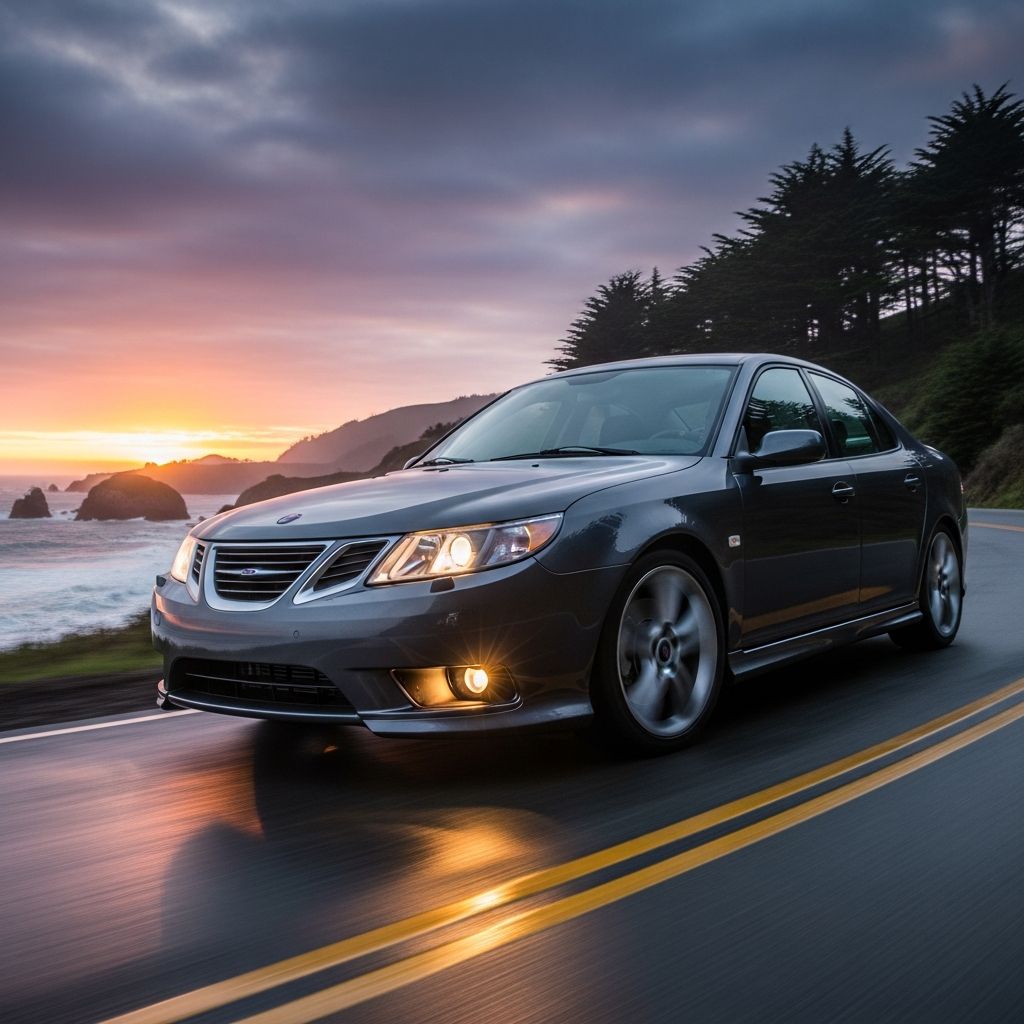
The Saab 9-3 2.0T Aero stands out as a compelling choice for drivers seeking a balance of spirited performance and practical luxury. Powered by a responsive turbocharged 2.0-liter four-cylinder engine, this model delivers impressive acceleration while maintaining efficiency suitable for daily commutes. Originally launched in the early 2000s, the 9-3 Aero evolved through generations, refining its chassis, suspension, and interior to compete with European rivals like Audi and BMW.
Engine Power and Performance Specs
At the heart of the Saab 9-3 2.0T Aero is its turbocharged 2.0-liter inline-four engine, producing around 210 horsepower and 221 pound-feet of torque in standard configurations. This setup provides smooth power delivery, propelling the car from 0-60 mph in approximately 7 seconds, depending on transmission and drivetrain. Earlier V6 variants offered more grunt, but the 2.0T became the go-to for its lighter weight and better fuel economy.
- Power Output: 210 hp @ 5,500 rpm, 221 lb-ft @ 2,500 rpm
- 0-60 mph: ~7.0 seconds (manual transmission)
- Top Speed: Electronically limited to 155 mph
- Fuel Economy: 21 mpg city / 31 mpg highway (FWD manual)
Modifications like intake upgrades can push output to 250 hp, enhancing throttle response without sacrificing reliability. The turbocharger spools quickly, minimizing lag and offering flexible power across the rev range, making it ideal for overtaking on highways or navigating twisty roads.
Chassis Dynamics and Handling
Saab engineers prioritized a stiff chassis in the 9-3, incorporating reinforcements that tripled structural rigidity compared to predecessors. This results in minimal body flex, even in convertible models, with no noticeable cowl shake during spirited driving. The front-wheel-drive setup, paired with a sport-tuned suspension in Aero trim, delivers neutral handling and reduced torque steer—a common issue in older turbo Saabs.
Steering is precise and communicative, providing feedback without driveline vibrations. Over rough surfaces, the suspension absorbs impacts smoothly, though it can firm up on potholes. Optional all-wheel drive (XWD) on sedans adds traction in wet conditions, with a limited-slip differential for better cornering grip.
| Aspect | Saab 9-3 2.0T Aero (FWD) | Competitors |
|---|---|---|
| Steering Feel | Accurate, low torque steer | Audi A4: Sharper but heavier |
| Suspension | Sport-tuned, compliant | BMW 3-Series: Stiffer ride |
| Braking | Strong, progressive | Mercedes C-Class: Similar modulation |
Design and Aerodynamic Styling
The 9-3 Aero’s exterior features aggressive aero bumpers, 17-inch alloy wheels, and subtle spoilers that enhance downforce without compromising efficiency. Its teardrop shape, inspired by Saab’s aviation heritage, achieves a low drag coefficient, contributing to stable high-speed cruising. Xenon headlights and fog lamps improve night visibility, while the compact dimensions (sedan: 183 inches long) make it agile in urban settings.
Convertible variants boast a fully automatic soft top that deploys in 20 seconds, maintaining cabin quietness at speed. Pop-up rollover hoops ensure safety, adding peace of mind for open-air adventures.
Interior Comfort and Technology
Inside, the 9-3 Aero pampers with supportive sport seats upholstered in premium leather, eight-way power adjustments, and heated fronts. The Bose audio system, with 10 speakers and six-CD changer, delivers immersive sound, optional on base models but standard in Aero. Dual-zone climate control and OnStar connectivity (in equipped models) enhance long-trip comfort.
Cargo space is practical: 12 cubic feet in the sedan, expanding with folding rear seats. Materials feel upscale, with metallic accents and intuitive controls, though rear legroom is tight for adults.
- Infotainment: Bose surround sound, satellite radio
- Seating: Sport seats, power passenger adjustment
- Safety: Xenon lights, stability control, multiple airbags
Driving Experience on Road and Track
Behind the wheel, the 9-3 2.0T Aero feels alive. The engine’s low-end torque pulls eagerly from 2,000 rpm, paired with a slick six-speed manual or smooth automatic. On winding roads, the chassis shines—balanced weight distribution and grippy tires (up to 225/45R17) enable confident cornering.
Test drives reveal a refined ride: quiet over highways, composed on bumps, yet engaging when pushed. Owners praise its fun factor, often noting it outperforms expectations for a FWD sedan.
Reliability, Maintenance, and Ownership Costs
While Saabs have a reputation for quirky reliability, the 9-3 2.0T fares well with regular maintenance. Common issues include turbo seals and ignition modules, but parts availability has improved via aftermarket suppliers. Expect annual costs around $800-1,200 for a 100,000-mile example.
Fuel efficiency shines at 24 mpg combined, undercutting thirstier V6 rivals. Insurance is reasonable due to strong crash scores. For buyers, low-mileage 2006-2010 models hover at $5,000-$10,000, offering value.
| Ownership Factor | Estimated Cost | Tips |
|---|---|---|
| Maintenance | $800/year | Change turbo oil regularly |
| Fuel | 24 mpg combined | Premium unleaded recommended |
| Resale Value | Stable for enthusiasts | Join Saab owner clubs |
Comparing to Modern Alternatives
Against today’s options, the 9-3 holds its own. Its turbo efficiency rivals the VW Golf GTI, while handling approaches the Honda Civic Type R. Lacking modern driver aids, it appeals to purists valuing analog feel over tech overload.
Pros and Cons at a Glance
- Pros: Punchy turbo engine, refined chassis, premium interior, convertible option
- Cons: Parts hunting, firm ride on rough roads, dated infotainment
Frequently Asked Questions (FAQs)
Is the Saab 9-3 2.0T Aero reliable?
With proper care, yes—focus on turbo and electrical maintenance for longevity up to 200,000 miles.
What’s the best transmission for performance?
The six-speed manual offers the most engagement and best efficiency.
How does it handle in snow?
FWD models with winter tires perform adequately; XWD variants excel.
Are parts hard to find?
Aftermarket support is strong, though dealer networks are limited post-bankruptcy.
Should I buy a used 9-3 Aero?
Ideal for enthusiasts; inspect service history and test for leaks.
Why Choose the Saab 9-3 2.0T Aero Today
In a market flooded with crossovers, the 9-3 Aero revives the joy of driving a true sports sedan. Its turbo heritage, solid build, and unique styling make it a hidden gem for budget-conscious enthusiasts. Whether commuting or carving canyons, it delivers without pretension.
References
- 2006 Saab 9-3 Aero Convertible – Car and Driver — Car and Driver. 2006. https://www.caranddriver.com/reviews/a15148017/2006-saab-9-3-aero-convertible-short-take-road-test/
- 2010 Saab 9-3 Review & Ratings – Edmunds — Edmunds. 2010. https://www.edmunds.com/saab/9-3/2010/review/
- 7. SAAB 9-3 2.0T Aero Review, mildly modified — YouTube (Jimbo’s Driveway). 2012. https://www.youtube.com/watch?v=STfFx1p8234
- Should I buy it? 2006 SAAB 9-3 2.0 T with 98K miles — SaabWorld Forum. N/A. https://saabworld.net/showthread.php?t=34390
Similar Articles





Read full bio of Sneha Tete