Rover 75 1.8T: Performance and Value Analysis
Turbocharged efficiency meets British luxury in the Rover 75 1.8T
Understanding the Turbocharged Powerplant
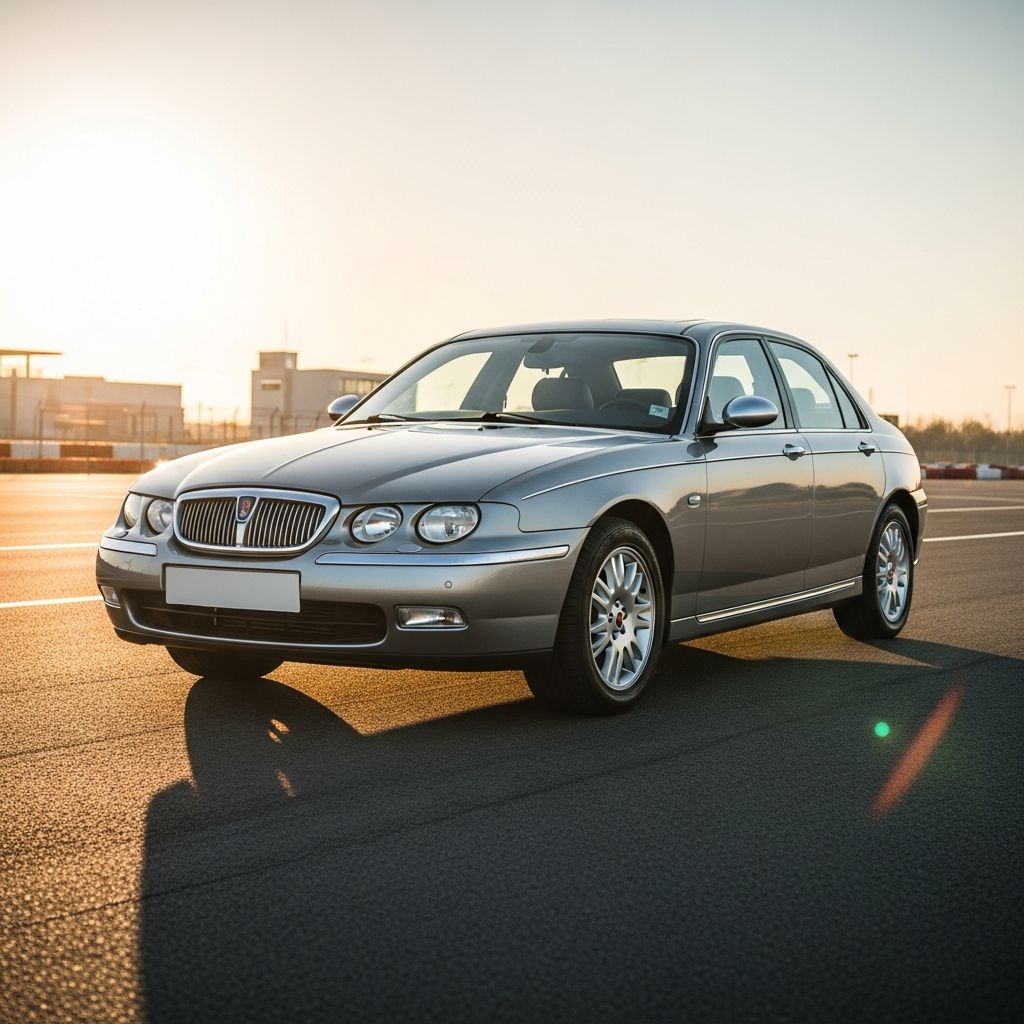
The Rover 75 1.8T represents a significant evolution in the marque’s approach to delivering performance without excessive fuel consumption. At the heart of this model lies a four-cylinder turbocharged engine that produces 148 horsepower and 215 Newton-meters of torque. This engineering approach demonstrates how forced induction can enhance everyday driveability while maintaining reasonable consumption figures.
The introduction of turbocharging to the Rover lineup served a dual purpose: replacing the fuel-hungry 2.0-litre naturally aspirated V6 while preserving the driving experience expected from a car positioned at the premium end of the British market. The turbo unit operates seamlessly, delivering power smoothly across the rev range without the jarring characteristics sometimes associated with forced induction systems in earlier generations.
Acceleration Performance and Speed Capabilities
One of the most compelling aspects of the 1.8T variant is its acceleration profile. The model achieves a 0-60 mph time of 9.1 seconds, which proves particularly impressive when compared directly to its naturally aspirated predecessor. Remarkably, this turbocharged unit is approximately half a second quicker than the V6 variant, defying the common assumption that downsizing necessarily compromises performance.
The driving experience reflects this performance capability. When drivers demand brisk acceleration, the engine responds with smooth and effortless power delivery. The mechanical action feels refined throughout, and the cabin maintains a composed atmosphere even during spirited driving. This balance between responsiveness and refinement distinguishes the 1.8T from competitors that often sacrifice smoothness for outright speed.
Fuel Economy and Environmental Considerations
Beyond raw performance figures, the 1.8T demonstrates genuine practical advantages over its predecessor. The average fuel consumption reaches 35 miles per gallon, representing a five-mile-per-gallon improvement compared to the V6 engine. For owners regularly undertaking longer journeys, this efficiency translates directly into reduced fuel expenditure and fewer stops at refuelling stations.
Environmental credentials hold equal importance in modern automotive considerations. The 1.8T achieves a CO2 emission rating of just 193 grams per kilometre, substantially lower than the V6’s output. This reduction carries direct financial implications for owners, as the tax liability drops to a considerably more attractive 20 per cent rating. Such improvements demonstrate how turbocharging technology can address both economic and environmental concerns simultaneously.
Pricing Structure and Market Positioning
| Model Variant | Price Point | Key Characteristics |
|---|---|---|
| Rover 75 1.8T Entry Level | £19,260 | Base specification Tourer configuration |
| Rover 75 1.8T Top Specification | £22,120 | Connoisseur SE with premium appointments |
| Volkswagen Passat 1.8T Estate | £17,065–£19,195 | Sport variant with established market reputation |
| Audi A4 Avant Sport | £21,890 | Prestige German alternative |
The pricing structure reveals an interesting market dynamic. Entry-level 1.8T Tourer models commence at £19,260, while the premium Connoisseur SE variant reaches £22,120. Notably, the top-specification 1.8T commands a price marginally exceeding the equivalent 2.0-litre V6 model by over £100, suggesting minimal cost differential for buyers prioritising efficiency.
Competitive positioning deserves particular attention. The well-regarded Volkswagen Passat 1.8T Sport Estate occupies a lower price bracket between £17,065 and £19,195, establishing itself as the budget-conscious alternative. Conversely, Audi’s A4 Avant Sport, representing the prestige German option, enters the market at £21,890—surprisingly close to the Rover’s upper pricing tier. This compression reveals how consumers can access premium German engineering without substantial premium payments.
Comparative Value Assessment
When evaluating the 1.8T within its competitive context, several factors warrant consideration. The Rover maintains distinct advantages in driving refinement and interior spaciousness, characteristics that resonate with buyers seeking comfort and practicality rather than aggressive performance. The turbocharged engine’s smooth characteristics and responsive power delivery establish credible credentials against both German rivals and Japanese alternatives.
The Passat presents a formidable alternative for budget-conscious buyers, offering established reliability credentials and a proven turbocharged package. However, the Rover’s superior emission profile and marginally improved efficiency provide justification for the modest price premium. The Audi option, whilst prestigious, offers limited tangible advantages to justify its similar pricing when the Rover provides comparable performance with distinctly British character.
Interior Ambiance and Cabin Quality
The cabin environment represents a defining characteristic that distinguishes the Rover 75 from mainstream competitors. The interior design philosophy emphasises classic proportions and careful material selection, creating an atmosphere reminiscent of traditional luxury saloons. Oval-shaped design elements pervade the interior treatment, establishing visual consistency from the steering wheel to the instrument cluster surround.
Practical amenities integrate seamlessly into this aesthetic framework. Electric windows, climate control systems, and cup holders represent thoughtful inclusions that enhance daily usability. The driving position offers considerable adjustment flexibility, accommodating diverse physiques and preferences. Seat comfort proves exceptional for extended motorway cruising, with supportive bolstering and high-quality trim materials contributing to the premium atmosphere.
Technical Specifications Summary
- Engine displacement: 1.8 litres
- Turbocharging technology: Standard configuration
- Power output: 148 brake horsepower
- Torque delivery: 215 Newton-metres
- 0-60 mph acceleration: 9.1 seconds
- Fuel consumption: 35 miles per gallon average
- CO2 emissions: 193 grams per kilometre
- Tax classification: 20 per cent band
- Body style: Tourer (estate) configuration standard
Engine Characteristics and Driving Dynamics
The turbo installation demonstrates careful engineering integration. Rather than overwhelming the chassis with excessive power, the developers balanced boost delivery to enhance rather than transform the driving experience. The K-series engine platform, proven across multiple Rover and MG applications, receives turbocharging without fundamental redesign, ensuring reliability and maintainability.
At motorway speeds, the engine fades into background consciousness, operating at low revolutions and delivering economical performance. Acceleration demands trigger immediate boost response, propelling the vehicle forward with satisfying urgency. This responsiveness eliminates the turbo lag characteristic of earlier forced-induction systems, providing drivers with direct correlation between throttle input and actual performance.
Frequently Asked Questions
How does the 1.8T compare to the V6 variant?
The turbocharged 1.8T actually outperforms the V6, achieving acceleration 0.5 seconds faster while delivering superior fuel economy and lower emissions. Drivers sacrifice minimal performance while gaining substantial efficiency advantages.
What transmission options accompany the 1.8T engine?
The 1.8T typically features a five-speed manual gearbox, providing direct driver engagement. Some market variants may offer automatic transmission options, though manual configurations dominate the model range.
Is the 1.8T variant reliable for extended ownership?
The turbocharged K-series engine demonstrates proven reliability when maintained according to manufacturer specifications. Regular service intervals and quality maintenance consumables ensure dependable operation across the vehicle’s lifespan.
What emissions standards does the 1.8T meet?
With CO2 emissions of 193 g/km, the 1.8T satisfies contemporary environmental regulations and proves compliant with low-emissions zones and Ultra-Low Emissions Zone requirements in major metropolitan areas.
Does the 1.8T come exclusively in Tourer configuration?
The 1.8T turbocharged variant appears primarily available as a Tourer (estate) model, establishing itself as the practical choice for buyers requiring cargo capacity alongside spirited performance.
Ownership Perspectives and Real-World Feedback
Owners frequently praise the 1.8T variant for its unexpected capability combined with everyday usability. The spacious cabin accommodates five occupants comfortably, whilst the cargo area provides genuine practicality for families and professionals alike. The turbocharged engine’s responsiveness encourages enthusiastic driving without imposing fuel consumption penalties typical of naturally aspirated alternatives.
Insurance considerations present another advantage. The Rover 75 benefits from competitive rating structures, particularly compared to performance-oriented competitors. Combined with the vehicle’s modest horsepower output relative to contemporary sports alternatives, insurance premiums remain accessible for diverse ownership demographics.
Concluding Assessment
The Rover 75 1.8T represents a carefully considered approach to modern automotive engineering. By introducing turbocharging without compromising the car’s fundamental character, engineers delivered a vehicle that satisfies performance enthusiasts, efficiency-conscious owners, and practical families simultaneously. The pricing structure positions the 1.8T competitively against established European rivals whilst maintaining distinctly British identity and luxury-focused interior appointments. For buyers seeking alternatives to mainstream German offerings without sacrificing acknowledged quality or performance, the 1.8T turbocharged variant merits serious consideration within the premium estate car segment.
References
- Rover 75 1.8T Review — Auto Express. Retrieved from https://www.autoexpress.co.uk/car-reviews/15229/rover-75-18t
- Should You Buy a ROVER 75? Test Drive & Review 2005 1.8T — YouTube. Retrieved from https://www.youtube.com/watch?v=GHXPQ2Ktg50
- Rover 75 Turbo Test Drive/Review — YouTube. Retrieved from https://www.youtube.com/watch?v=66J2KcOGO5Q
- Future Classic: 1998–2005 Rover 75 — Hagerty UK. Retrieved from https://hagerty.co.uk/articles/future-classic-1998-2005-rover-75/
Similar Articles


Read full bio of medha deb