Rover 600 Buyer’s Guide: Reliability, Models, What To Check
Discover why the Honda-powered Rover 600 blends British elegance with Japanese reliability, making it a smart classic buy today.
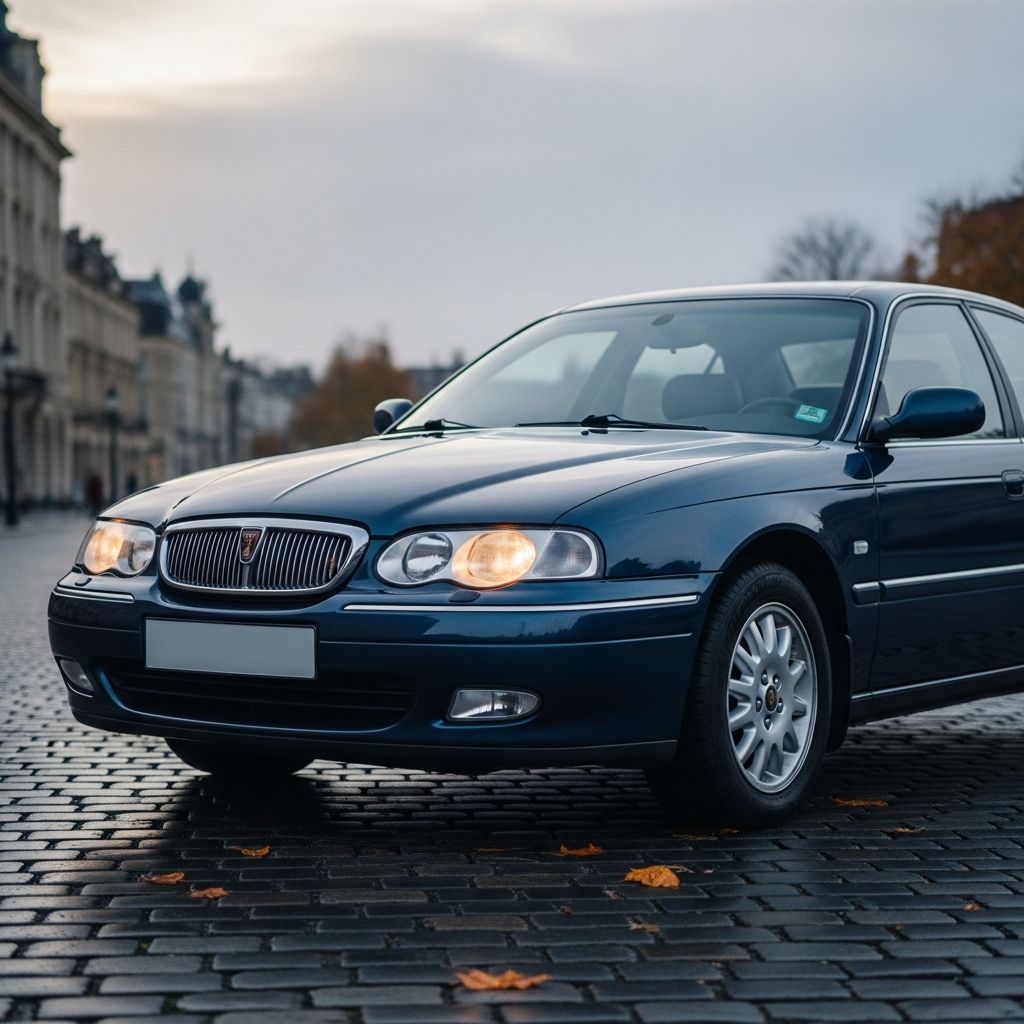
The Rover 600 series, produced from 1993 to 1999, represents a fascinating chapter in automotive history where British design met Japanese engineering precision. Built on the platform of the Honda Accord, this mid-size saloon aimed to deliver upscale refinement without compromising on everyday usability. Often overshadowed by flashier rivals, the 600 offered a compelling mix of comfort, reliability, and subtle style that appeals to enthusiasts today.
Origins and Development Background
Rover’s partnership with Honda during the early 1990s was a strategic move to bolster its lineup with proven mechanicals. The 600 shared its underpinnings with the fourth-generation Honda Accord, a collaboration predating BMW’s acquisition of Rover Group. This alliance allowed Rover to focus on styling and interior luxury while leveraging Honda’s robust chassis and powertrains.
Launched in 1993, the Rover 600 was positioned as a premium family car, competing with models like the Ford Mondeo and Vauxhall Cavalier, yet aspiring to the sophistication of BMW’s 5 Series. British Aerospace, then owners of Rover, envisioned it as a step upmarket. Post-1994 BMW takeover, development continued with tweaks to enhance ‘Britishness,’ including suspension adjustments for better ride quality. Production ended in 1999 with the arrival of the all-new Rover 75.
Distinctive Exterior Styling
Rover’s designers transformed the Accord’s functional shape into something elegantly retro. Drawing inspiration from classic 1950s and 1960s Rovers, the 600 featured a upright grille, chrome accents, and smooth, flowing lines that exuded understated prestige. Body-colored sills and door handles on later models (post-1997) added a modern touch.
Paint quality stood out, with deep pearlescent and metallic finishes from Rover’s advanced facility giving the cars a premium sheen that turned heads on the forecourt. Available as a four-door saloon, it measured around 4.7 meters long, striking a balance between presence and maneuverability.
Luxurious and Durable Interior
Step inside, and the 600 felt like a cut above its platform sibling. High-end trims like the GSi boasted biscuit-colored leather upholstery, real walnut veneers, and soft-touch materials that aged gracefully. Even base models came generously equipped, with later updates (1996 onward) adding air conditioning and ABS as standard on most variants.
Space was ample for five adults, with a 420-liter boot expandable via a 60/40 split-folding rear seat. Build quality impressed, with solid assembly and fittings that resisted wear. Subtle Japanese switchgear was the only clue to its origins, blending seamlessly into the wood-and-leather ambiance.
Engine Lineup and Performance Options
The powertrain choices highlighted the Honda influence. Petrol engines dominated:
- 2.0L VTEC (620i/623 GSi): 134-156 hp, smooth and rev-happy, ideal for effortless cruising.
- 2.3L V6 (623): 150 hp, refined for executive duties.
- Turbo 2.0L (620ti): Rare pocket rocket with 200 hp, accelerating to 60 mph in under 8 seconds—a true sleeper.
Diesel buyers had the 2.0L L-series unit (220 TDi/SDi), Rover’s own clattery but torquey 81-113 hp engine, popular for fleets due to economy. Transmissions included 5-speed manuals or 4-speed autos, with the latter suiting the luxury brief.
| Model | Engine | Power (hp) | 0-60 mph (s) | Economy (mpg) |
|---|---|---|---|---|
| 620i | 2.0L Petrol | 134 | 10.5 | 28 |
| 623 GSi | 2.3L V6 Petrol | 156 | 9.0 | 26 |
| 220 TDi | 2.0L Diesel | 81 | 13.5 | 40 |
| 620ti | 2.0L Turbo Petrol | 200 | 7.8 | 24 |
Figures approximate based on period tests; real-world varied by conditions.
Driving Dynamics and Refinements
Rover engineers retuned the Accord’s sporty suspension for plushness, limiting wheel travel to prioritize comfort over agility. Post-1997 models rode even smoother, though rivals like Peugeot 406 edged it in suppleness. Handling was composed, with precise steering (despite minor straight-line vagueness) and confident cornering.
Braking was strong, especially on higher trims with ventilated discs. Noise insulation was excellent, making motorway runs serene. It wasn’t a BMW 5 Series for thrills, but excelled as a relaxed cruiser with Japanese durability.
Reliability Strengths and Known Issues
Honda’s mechanicals proved bulletproof, with engines often exceeding 200,000 miles. Interiors endured well, outlasting many contemporaries. Rovers from this era gained a reliability crown, thanks to the 600’s Accord DNA.
However, rear wheelarch rust was a killer—many survivors succumbed at MOT. Check arches, sills, and underbody thoroughly. Diesel L-series timing belts need vigilant replacement; electrics are simple but age-related failures occur in neglected cars. Well-maintained examples remain daily-drivable.
Buying Guide: What to Look For
- Budget: £1,000-£5,000; pristine GSi/ti up to £10,000.
- Top Picks: Post-1997 with color-coded trim, full service history.
- Avoid: Rusty arches, tampered mileage, auto diesels without belt records.
- Costs: Insurance group 22-27; tax £200-£300/year; parts plentiful via Honda/Rover specialists.
Inspect for accident damage—uneven panel gaps betray repairs. Test drive for smooth shifts, no knocks, and balanced ride.
Market Position and Collectibility
Sales were modest, but survivors are rising in value as ‘future classics.’ Everyday usability plus rarity (especially ti) boosts appeal. It outshone the Mondeo in finesse, offering BMW-like luxury at fraction of cost.
Owners praise its simplicity, style, and dependability—peak Rover before decline. As family hacks wore out, pampered ones shine for retro fans.
Owner Experiences and Modern Appeal
Feedback highlights the ‘best Rover driven’ vibe: sharp brakes, stylish cabins, unflappable engines. Videos showcase top-spec 623 GSi’s leather allure and punchy V6. It’s a cheap retro entry, blending cultures uniquely.
Today, with fuel at bay and parts accessible, it’s viable for commuting or shows. Stand out from hatchback hordes.
Frequently Asked Questions
Is the Rover 600 reliable?
Yes, exceptionally so due to Honda roots. Regular maintenance sidesteps rust and belt issues.
What’s the rarest variant?
The 620ti turbo— a hot hatch hunter in saloon form.
How does it compare to the Honda Accord?
Plusher ride, British luxury; Accord sportier but less refined inside.
Good first classic?
Absolutely—affordable, usable, parts-shared with common Honda.
Fuel economy realistic?
Petrol 25-30 mpg mixed; diesel 35-45 mpg.
References
- Rover 600 (1993 – 1999) used car review — RAC Drive. 2023-2024. https://www.rac.co.uk/drive/car-reviews/rover/600/600-1993-1999/
- A future classic? Rover 600 — Honest John. 2025-06-01. https://www.honestjohn.co.uk/news/everything-else/2025-06/a-future-classic-rover-600/
- The Best Rover 600 Out There! ROADTEST/Appraisal — YouTube (Retro Car Reviewer). 2020-2023. https://www.youtube.com/watch?v=VthwYBr9e-4
- Should You Buy A Rover 600? — YouTube (Carfection). 2020-2023. https://www.youtube.com/watch?v=XZC2PxiIFAs
- Rover 600 (1993 – 1999) — Car and Driving. 2023-2024. https://www.caranddriving.com/editorial-library-review.aspx?id=207560
Similar Articles



Read full bio of medha deb