Rescuing Britain’s Auto Sector: Labour’s Path Forward
Can Labour's bold policies reverse the UK's car manufacturing decline and secure a thriving EV-driven future for the industry?
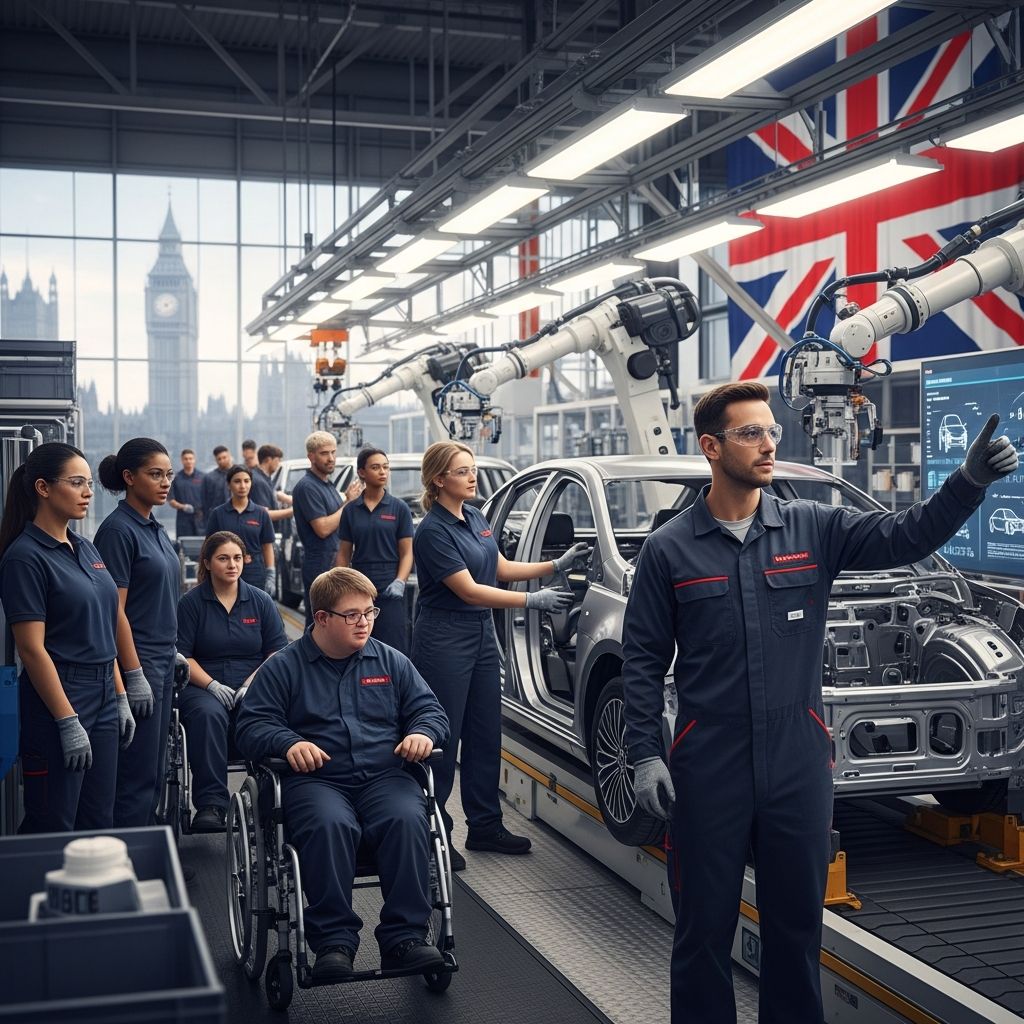
The United Kingdom’s automotive industry, once a cornerstone of national pride and economic strength, faces unprecedented challenges. Production has plummeted, jobs are at risk, and global competition intensifies as manufacturers eye more favorable markets. Labour’s recent policy pledges offer a potential lifeline, emphasizing electric vehicle adoption, infrastructure overhaul, and targeted investments. This article delves into the crises plaguing the sector and evaluates whether these initiatives can steer Britain back to automotive prominence.
The Downward Spiral of UK Car Manufacturing
Over the past decade, UK vehicle output has dropped by more than a third, driven by high energy costs, supply chain disruptions, and stringent environmental regulations. Factories that once hummed with activity now operate below capacity, with some threatening closure. Brexit-related trade barriers have compounded issues, raising costs for parts and labor while deterring foreign investment. Consumer demand falters amid economic pressures like inflation and high interest rates, further squeezing margins for producers.
Energy prices remain a critical pain point. Unlike competitors in Europe or Asia, UK manufacturers grapple with elevated electricity tariffs, making electric vehicle production less viable. Global events, including semiconductor shortages, have disrupted assembly lines, while labor shortages—exacerbated by post-Brexit immigration changes—hinder operations. The sector employs hundreds of thousands, but tens of thousands of jobs have vanished across Europe, with ripple effects felt in Britain.
- Production Decline: Down 33% in ten years, shifting to lower-cost nations.
- Energy Burden: High costs deter EV battery manufacturing.
- Supply Chain Woes: Chip shortages and Brexit tariffs inflate expenses.
- Job Losses: Stabilizing vacancy rates but persistent skills gaps in technicians.
Labour’s Core Commitments to Automotive Revival
Labour’s manifesto outlines a comprehensive blueprint to address these woes. Central is the reinstatement of the 2030 ban on new petrol and diesel car sales, previously delayed to 2035 by the prior government. This move aims to provide regulatory certainty, encouraging manufacturers to pivot toward electrification without prolonged uncertainty.
Investment in battery production stands out, with £1.5 billion allocated for gigafactories and £500 million for green hydrogen projects. These funds target heavy goods vehicle powertrains and broader R&D, fostering domestic supply chains and reducing reliance on imports. Planning reforms will expedite factory builds, cutting red tape that has stalled projects.
| Policy Area | Labour Pledge | Expected Impact |
|---|---|---|
| ICE Ban | Reinstate 2030 deadline | Certainty for EV shift |
| Battery Gigafactories | £1.5B investment | Job creation, supply security |
| Charging Network | Accelerated rollout | Boost EV adoption |
| Road Repairs | Pothole fixes via reallocation | Improved infrastructure |
| Insurance | Cost reduction measures | Affordable motoring |
Navigating the ZEV Mandate Controversy
The Zero Emission Vehicle (ZEV) mandate requires 80% of new car sales to be electric by 2030, a target critics argue is overly ambitious. Industry reports warn it drives investment abroad, as UK production becomes unprofitable under current rules. Manufacturers cite uncompetitive energy prices and inadequate incentives, prompting calls to align with the EU’s 50-60% goal.
Labour’s approach balances ambition with pragmatism. While upholding the 2030 ban, pledges include hybrid allowances until 2035, VAT parity for charging, and fleet incentives to lower EV costs. A battery health standard for used EVs will build consumer confidence, addressing range anxiety and resale concerns. Critics, however, urge a dedicated minister to spearhead deals with Asian firms, positioning Britain as Europe’s EV gateway.
Infrastructure Overhaul: Roads, Chargers, and Beyond
Poor roads cost drivers dearly, with over one million potholes reported. Labour plans to fund repairs by redirecting resources from less efficient projects, enhancing safety and vehicle longevity. Simultaneously, EV chargepoint expansion targets rapid and ultra-rapid units, building on existing 12,249 installations.
A modern transport system requires more. Upgrades to rail and public transit could alleviate road congestion, indirectly supporting automotive logistics. Lower insurance premiums—plagued by repair costs and claims—promise relief, though details remain forthcoming. The RAC prioritizes fairer fuel prices and casualty reductions, aligning with Labour’s vision.
Workforce Transformation and Skills Imperative
The EV shift demands new competencies. Technicians must master high-voltage systems, software diagnostics, and battery management. Vacancy rates for vehicle technicians, dominant in the sector, are stabilizing but highlight ongoing needs. Labour’s R&D investments will spur training programs, creating jobs in engineering, construction, and maintenance.
- Thousands of roles in gigafactory builds and operations.
- Upskilling for AI-driven predictive maintenance.
- Focus on green hydrogen for HGV sectors.
Partnerships with educational institutions and industry will bridge gaps, ensuring a competitive workforce. This human capital pivot could safeguard existing jobs while generating new ones, vital for economic resilience.
Global Competition and Strategic Deal-Making
Asia’s manufacturers expand into Europe, drawn by subsidies and infrastructure. Britain must compete aggressively, marketing itself as a strategic hub. An ‘active deal-making’ stance—via a Cabinet-level minister—could secure investments, contrasting passive policies.
AI integration offers efficiency gains in quality control and autonomous lines, but requires policy support. Labour’s green focus positions the UK for leadership in sustainable tech, potentially attracting firms wary of EU red tape.
Potential Challenges and Realistic Outlook
Implementation hurdles loom. Funding gigafactories demands swift planning changes, while ZEV adjustments risk environmental backlash. Economic headwinds, like persistent inflation, could undermine consumer EV uptake. Success hinges on cross-party support and private sector buy-in.
Yet, opportunities abound. Domestic battery production cuts import dependencies, bolstering energy security. A robust charging network and affordable EVs could accelerate adoption, aligning with net-zero goals.
FAQs
What is Labour’s stance on the petrol and diesel ban?
Labour seeks to reinstate the 2030 ban, providing certainty for manufacturers transitioning to EVs.
How much is Labour investing in battery factories?
£1.5 billion for gigafactories and £500 million for green hydrogen.
Will hybrids be allowed under new rules?
Yes, until 2035, easing the path to full electrification.
What about car insurance costs?
Labour commits to reductions, targeting repair and claims inflation.
Is the UK auto sector creating new jobs?
Yes, through EV infrastructure and factories, demanding skilled labor.
References
- UK car industry at risk as Labour’s petrol and diesel ban… — GB News, Hemma Visavadia. 2024. https://www.gbnews.com/lifestyle/cars/britain-car-industry-labour-electric-car-rules-zev-mandate
- Labour’s Landslide Victory: What It Means for the Automotive Industry — Holt Automotive. 2024. https://holtautomotive.co.uk/blog/labours-landslide-victory-what-it-means-for-the-automotive-industry/
- UK automotive 2026: Five key themes — Infor, Henning Dransfeld. 2026-02-09. https://www.infor.com/en-gb/blog/uk-automotive-2026-ev-revolution-disruption
- UK Car Industry in Crisis? Costs, EVs & Competitiveness Explained — YouTube. 2024. https://www.youtube.com/watch?v=T3rA1-pOQ-c
- Automotive labour market briefing – Nov 2024 — IMI (Institute of the Motor Industry). 2024-11. https://tide.theimi.org.uk/sites/default/files/2025-02/Automotive%20Labour%20Market%20Briefing%20Nov%202024.pdf
Similar Articles






Read full bio of medha deb