Renault Megane RS 225: Ultimate Hot Hatch Guide
Discover the thrilling performance, sharp handling, and timeless appeal of the Renault Megane RS 225, a benchmark hot hatch from the mid-2000s.
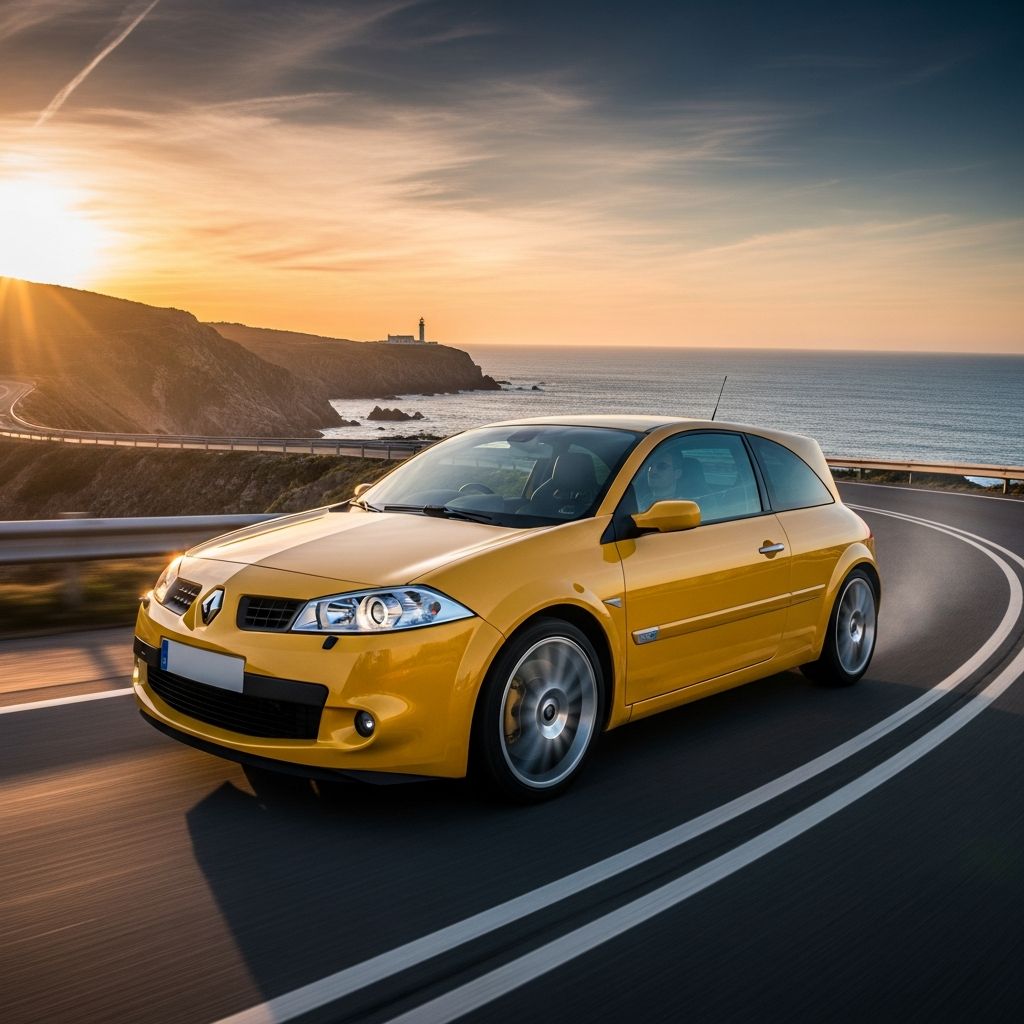
The Renault Megane RS 225 stands as a pivotal chapter in hot hatch history, blending ferocious acceleration, precise handling, and everyday usability into a front-wheel-drive package that punched above its weight. Launched in the mid-2000s, this model captured enthusiasts’ hearts with its turbocharged punch and motorsport-inspired tuning, making it a rival to icons like the Honda Civic Type R and Ford Focus RS.
Engineering a Performance Legend
At the core of the Megane RS 225 lies a 2.0-litre turbocharged inline-four engine, delivering 225bhp (approximately 165-168kW) at around 5500rpm and a substantial 300Nm of torque from as low as 3000rpm. This powertrain propels the hatch from 0-60mph in just 6.3 seconds, with a top speed touching 147mph, figures that remain competitive even today. The engine’s broad torque band ensures effortless in-gear surges, ideal for overtaking on winding B-roads.
Renault Sport engineers refined the chassis with a sophisticated front axle design featuring swivel hubs to minimize torque steer—a common issue in high-power FWD cars. This setup, combined with a tightly sprung suspension using struts upfront and a torsion beam at the rear, delivers tenacious grip and composure through corners. Brembo brakes provide razor-sharp stopping power, inspiring confidence during spirited drives.
Driving Dynamics That Excite
Behind the wheel, the RS 225 reveals its playful character. The steering is well-weighted with excellent feedback, allowing drivers to place the car precisely on apexes. Handling shines in faster sweeps where the chassis feels planted and adjustable, though cold tyres demand a warm-up period. The six-speed manual gearbox, while occasionally vague in shifts, channels power effectively, rewarding precise inputs.
Acceleration builds with a snarl from the stainless steel exhaust, erupting into a turbocharged roar beyond 3000rpm. Real-world fuel economy hovers around 8-13L/100km, thirstier than claimed figures but acceptable for the performance. On track, the setup excels, with strong brakes and grip enabling lap after lap of grins.
Interior Comfort Meets Sporty Ergonomics
The cabin strikes a balance between sportiness and practicality. Figure-hugging sports seats offer superb lateral support, complemented by drilled aluminium pedals and a leather-wrapped steering wheel adjustable for reach and rake. Standard kit includes climate control, cruise control, and a CD tuner, fitting its premium price point.
Rear space is tight for adults, prioritizing front occupants, while the 330-litre boot accommodates weekend luggage. Build quality shows some age with potential cabin rattles, but materials feel upmarket for the era. Special editions like the F1 Team add aggressive styling with 18-inch alloys and unique seats, though non-Recaro pews in some markets disappoint.
Safety and Reliability Insights
Safety credentials are robust, earning a five-star ANCAP rating via ESC, traction control, ABS with EBD, and comprehensive airbags (front, side, curtain). All seats feature three-point belts, with front pyrotechnic pretensioners.
Reliability is solid for a tuned hot hatch, especially in stock form. The F4Rt engine withstands remaps to 250bhp, but timing belts require changes every 72,000 miles or five years—a major service. Front swivel hubs are pricey to replace, so check service history. Common issues include fuel thirst and minor interior wear, but well-maintained examples prove durable.
Model Variants and Special Editions
- Standard RS 225: Core model with 225bhp, available in three- or five-door hatches.
- F1 Team Edition: Limited run with black 18-inch wheels, aggressive aero, and blue/black seats for visual punch.
- Trophy: Rarer variant with enhanced handling tweaks, limited to 500 units, lauded for track prowess.
These variants maintain the same power but add exclusivity and styling flair.
Performance Specifications at a Glance
| Specification | Details |
|---|---|
| Engine | 2.0L Turbocharged Inline-4 |
| Power | 225bhp / 165-168kW @ 5500rpm |
| Torque | 300Nm @ 3000rpm |
| 0-60mph | 6.3 seconds |
| Top Speed | 147mph |
| Fuel Economy | 7.9-13.3L/100km (combined/real-world) |
| Transmission | 6-speed Manual |
| Brakes | Brembo |
| Safety | 5-star ANCAP |
Buying Advice for Modern Enthusiasts
Priced around $40-45k new (adjusted for era), used RS 225s now offer value under £5-10k. Prioritize full service history, especially timing belt and swivel hubs. Avoid heavily modified examples without receipts, as remaps stress components. Test for torque steer, brake feel, and gear vagueness. Rust-free bodies and tidy interiors signal care.
In 2026, these cars remain modifiable for more power while retaining road manners. Pair with grippy tyres for optimal dynamics.
Pros and Cons
- Pros: Explosive mid-range torque, superb handling, strong brakes, practical boot, safety features.
- Cons: Thirsty fuel use, tight rear space, gearbox vagueness, potential maintenance costs.
Comparing with Rivals
| Model | Power | 0-60mph | Strength |
|---|---|---|---|
| Renault Megane RS 225 | 225bhp | 6.3s | Balanced chassis |
| Honda Civic Type R (EP3) | 200bhp | 6.6s | High-revving NA engine |
| Ford Focus RS Mk1 | 212bhp | 6.2s | AWD grip |
| VW Golf R32 Mk4 | 241bhp | 6.4s | VR6 soundtrack |
The RS 225 excels in usability and mid-range shove over rev-happy rivals.
Ownership Costs and Maintenance Tips
Expect higher insurance for young drivers due to performance. Parts availability is good via Renault specialists. Routine services mirror standard Meganes, but monitor turbo health and oil levels. Upgraded intercoolers aid remaps. Fuel costs add up at 10-13L/100km in mixed driving.
Why the RS 225 Endures
Jeremy Clarkson of Top Gear hailed it as a top driver’s hot hatch for its blend of speed and fun. Its legacy lives in modern RS models, proving Renault Sport’s tuning prowess. For budget thrills, few match its poise.
Frequently Asked Questions (FAQs)
Is the Renault Megane RS 225 reliable?
Yes, with proper maintenance; engine is robust, but timing belts and hubs need attention.
How does it handle torque steer?
Swivel hubs effectively reduce it, making it one of the best FWD setups.
What’s the real-world fuel economy?
Around 10-13L/100km, higher than official 8L claims during enthusiastic driving.
Are special editions worth extra?
Trophy and F1 models offer rarity and style, ideal for collectors.
Can it be daily driven?
Absolutely—comfortable seats, AC, and boot space suit family use.
References
- Renault Sport Megane 225 Review & Road Test — Drive.com.au. 2010. https://www.drive.com.au/reviews/renault-sport-megane-225-review-road-test/
- 2006 Renault Sport Mégane 225 F1 Team Limited Edition review — WhichCar.com.au. 2006. https://www.whichcar.com.au/reviews/renault-sport-megane-225-f1-review
- Renaultsport Megane 225 — Auto Express. N/A. https://www.autoexpress.co.uk/car-reviews/15748/renaultsport-megane-225
- RenaultSport Megane 225 buying guide, history and review — Octane Magazine. N/A. https://www.octane-magazine.com/articles/buying-guides/renaultsport-megane-225-buying-guide-history-and-review/
- The Renault Sport Megane 225 Trophy Review — YouTube (Evo or similar). N/A. https://www.youtube.com/watch?v=YNHUjYeSW4k
Similar Articles




Read full bio of medha deb