Renault Kangoo Trekka 4×4 Used Buyer’s Guide And Review
Discover the rugged charm of the Renault Kangoo Trekka 4x4, blending van practicality with off-road capability for budget adventurers.
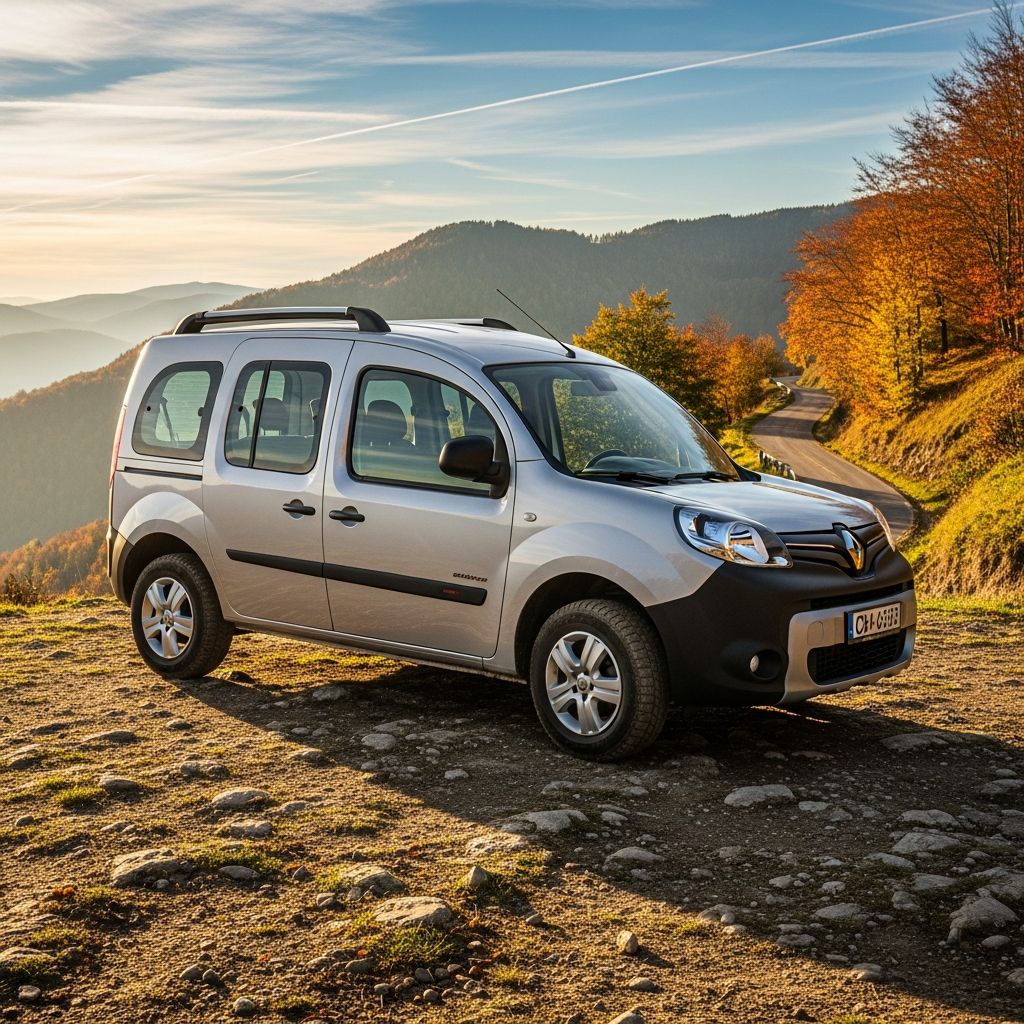
The Renault Kangoo Trekka 4×4 stands out as a distinctive vehicle from the early 2000s, transforming the humble Kangoo van into a capable light off-roader. Launched around 2002 in the UK, this model combined the practicality of a commercial van with four-wheel-drive capability, making it ideal for rural drivers, families needing versatile transport, and anyone seeking adventure without breaking the bank. Priced under £11,000 new (equivalent to about £20,000 today), it offered genuine off-road prowess at supermini costs.
Origins and Design Philosophy
Building on the standard Kangoo introduced in 1997, the Trekka variant arrived three years later as Renault’s answer to demand for a ‘funky off-roader.’ Its van roots provided exceptional space, while added rugged features like raised suspension, wheelarch extensions, chunky bumpers, and protective side mouldings gave it authentic off-road looks. This wasn’t mere styling; the design prioritized function over fashion, appealing to buyers who valued utility over prestige.
Renault borrowed the permanent four-wheel-drive system from the Scenic RX4, incorporating a Nissan hydraulic coupling for torque distribution. This setup engaged 4WD automatically when front wheels slipped, ensuring traction on mud, inclines, or beaches. With 200mm ground clearance, it punched above its weight against heavier modern SUVs, thanks to its lightweight build and narrow track.
Technical Specifications at a Glance
The Trekka was powered by a 1.6-liter 16-valve petrol engine, delivering modest performance suited to its practical nature. Here’s a breakdown of key specs:
| Specification | Details |
|---|---|
| Engine | 1.6 16V Petrol, Injection, Euro 4 compliant |
| Power & Acceleration | 0-62mph in 13.1s, Top speed 95mph |
| Dimensions | Length: 4,046mm, Width: 2,031mm (mirrors), Height: 1,890mm, Wheelbase: 2,624mm |
| Weight & Capacity | Kerb: 1,300kg, GVW: 1,850kg, Luggage: 550L (seats up), Fuel tank: 60L |
| Off-Road Features | 4×4 with traction control, 200mm clearance, Turning circle: 11m |
| Fuel Economy | Urban: 26mpg, Extra-urban: 39mpg |
| Towing | Braked: 1,200kg, Unbraked: 685kg |
| Wheels & Tyres | 15-inch alloys, 185/65 R15 tyres |
These figures highlight its balance of compactness and capability, with a compression ratio of 10.1 and catalytic converter for emissions control.
Interior Space and Practicality
One of the Trekka’s strongest suits is its cavernous interior, rivaling larger estates. Five seats accommodate passengers comfortably, with skyscraper headroom—even for tall drivers wearing hats. Sliding rear doors simplify access, especially for kids or gear, while the top-hinged tailgate shields from rain during loading. Fold-flat rear seats expand cargo space for tall items, and the rubberized floor allows hosing down after muddy outings.
Clever storage abounds: overhead airline-style bins, countless cubbies, pockets, and a full-sized bottle holder at the rear. Load capacity reaches 550kg, with a 100kg roof load option. This flexibility made it a hit for lifestyle activities, from beach trips to countryside hikes.
- Family-Friendly: Ample legroom and headroom for five.
- Load Lugging: Van-like volume with seats up or folded.
- Easy Clean: Hose-out interior for post-adventure messes.
- Access: Dual sliding doors and high tailgate.
On-Road Performance and Handling
Despite its tall stance, the Trekka handles surprisingly well on tarmac. Light steering and a tight 11m turning circle aid urban maneuvering. It’s brisk through bends for a van-based MPV, though expect body lean in corners and wind noise at speed, exacerbated by its boxy shape and optional fabric sunroof.
The 1.6 engine feels adequate for daily duties but lacks punch on steep hills or motorways. Fuel economy hovers around 32mpg combined, though diesels like the 1.9 dCi promised better. Noise is a drawback—engine reverberation fills the cabin, especially unloaded—but it’s refined enough for its era.
Off-Road Capabilities Explored
Where the Trekka shines is off the beaten path. Its 4×4 system tackles mud, inclines, and light trails effectively, preventing bog-downs better than many crossovers. Reviewers praised its grip for beach runs or farm tracks, noting it outperforms style-focused rivals in real utility.
Limitations exist: power wanes on steep climbs, and cabin noise amplifies over rough terrain. Still, its lightness (1,300kg) and high clearance make it nimbler than bulky SUVs. What Car? called it a ‘truly useful lifestyle vehicle’ for those needing space and ability without flash.
Pros and Cons: Is It Right for You?
| Pros | Cons |
|---|---|
| Affordable 4×4 capability | Modest power and acceleration |
| Exceptional practicality and space | Wind and engine noise |
| Easy to maneuver and park | Average fuel economy |
| Hose-out interior, versatile loading | Body roll in corners |
| Cult following, low running costs | Limited refinement on highways |
Ideal for rural buyers, van-life enthusiasts, or budget families; less so for motorway cruisers seeking luxury.
Buying and Owning a Used Trekka
With only about 100 UK examples remaining, the Trekka is rare—perfect for enthusiasts. Expect prices from £2,000-£5,000 for good examples. Check 4WD engagement, rust on underbody/sills, and suspension wear. Parts are plentiful due to Kangoo shared components, and insurance is cheap (group 12-15).
Maintenance is straightforward; the petrol engine is reliable if serviced. Diesels offer better economy (36-45mpg). Test for clunks in 4WD and exhaust emissions. Its ‘rough and ready’ charm endures, as noted in reviews.
Market Context and Legacy
In 2002, the Trekka undercut rivals like the Suzuki Ignis 4×4 while offering superior space. It appealed to practical buyers over image-conscious ones, pre-dating the crossover boom. Today, it retains cult status for its no-nonsense approach amid overweight SUVs.
Renault phased it out with the second-gen Kangoo, but its legacy lives in used markets for those valuing fun, flexibility, and frugality.
Frequently Asked Questions (FAQs)
What engine options did the Kangoo Trekka have?
Mainly the 1.6 16V petrol; some diesels like 1.9 dCi for better economy.
Is the Trekka suitable for serious off-roading?
Great for light duties like mud or beaches, but not extreme terrain due to power limits.
How reliable is the 4×4 system?
Reliable with Nissan-derived hydraulics; auto-engages effectively.
What’s the fuel economy like?
26-39mpg; real-world around 32mpg petrol, higher for diesels.
Can you tow with it?
Yes, up to 1,200kg braked—solid for its size.
References
- Renault Kangoo 1.6 16V Trekka 4×4 5dr Specs — Top Gear. 2026. https://www.topgear.com/car-reviews/renault/16-16v-trekka-4×4-5dr/spec-0
- Guilty pleasure: Renault Kangoo Trekka 4×4 — Petrolblog. N/A. https://petrolblog.com/articles/guilty-pleasure-renault-kangoo-trekka-4×4
- Renault Kangoo Trekka 1.6 16v 4×4 Review — Car Keys. N/A. https://www.carkeys.co.uk/car-reviews/renault-kangoo-trekka-1-6-16v-4×4
- Renault Kangoo 2009-2012 Review — YouTube (Honest John). N/A. https://www.youtube.com/watch?v=RaNLURGWDdw
- Renault Kangoo Trakka 4×4 Review — Auto Express. N/A. https://www.autoexpress.co.uk/renault/kangoo/15037/renault-kangoo-trakka-4×4
Similar Articles



Read full bio of medha deb