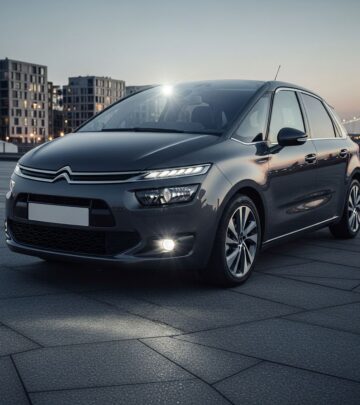
Renault Clio 2026: Complete Guide to Features & Performance
Discover the latest Renault Clio 2026 with hybrid power, advanced tech, and European efficiency.
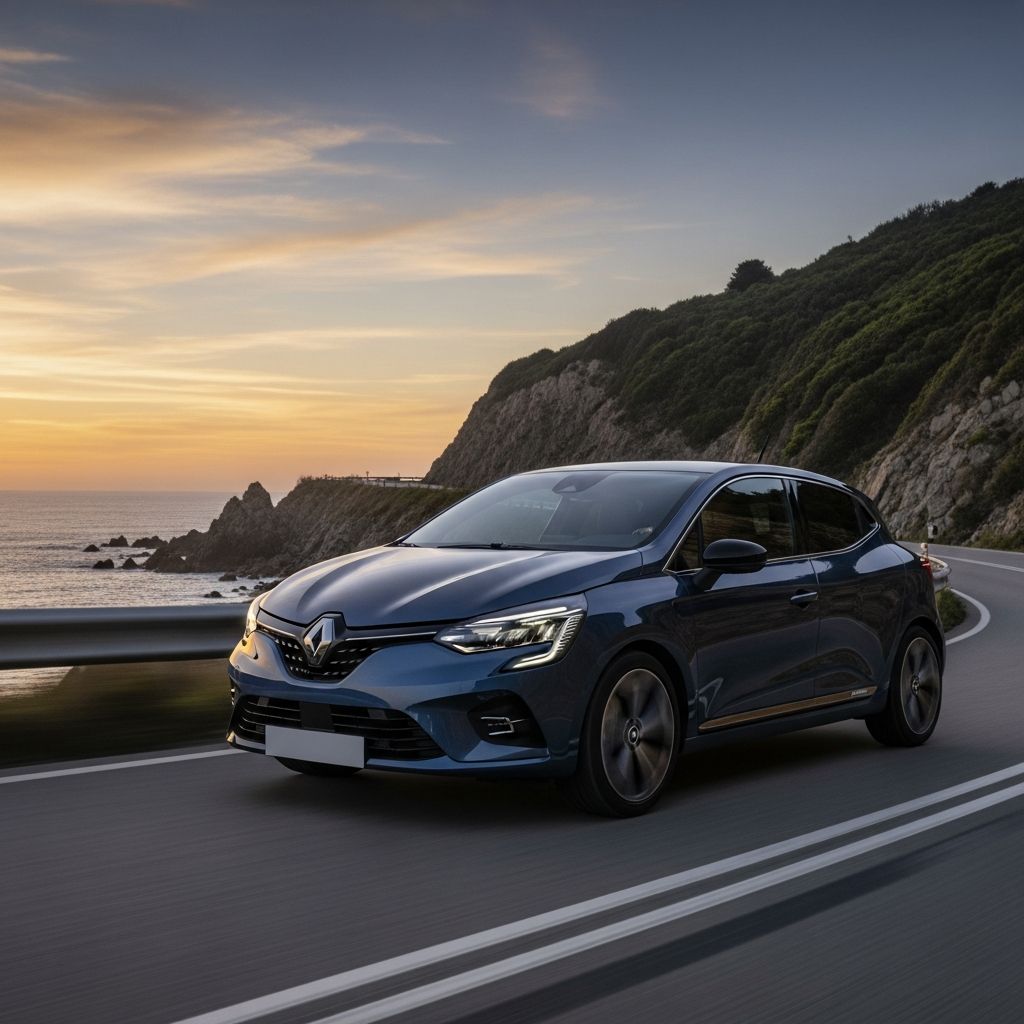
The automotive landscape continues to evolve, and Renault’s latest offering in the compact hatchback segment demonstrates how traditional vehicle manufacturers are adapting to modern expectations. The sixth-generation Clio represents a significant step forward, incorporating advanced hybrid technology, contemporary digital features, and refined interior craftsmanship. This comprehensive guide explores what makes the 2026 model a compelling choice for drivers seeking a balance between practicality, efficiency, and modern amenities.
Understanding the Design Evolution
The new Clio builds upon a legacy that has made Renault a household name in European cities for decades. The latest iteration introduces dimensional increases that enhance passenger comfort and aerodynamic efficiency. The vehicle now stretches 67mm longer, measures 39mm wider, and stands 11mm taller than its predecessor, creating a more spacious cabin while improving overall stability and presence on the road.
The aerodynamic refinement is particularly noteworthy, with the coefficient of drag improving from 0.32 to 0.30, contributing to better fuel economy and reduced wind noise. Visual updates include contemporary lighting signatures and new paint finishes such as Absolute Green and Absolute Red, giving the Clio a more distinctive appearance in a competitive segment. The redesigned grille and updated bumper treatments reflect modern design language without departing from the practical aesthetic that has defined the Clio nameplate.
Powertrain Options: Balancing Performance and Efficiency
Renault offers multiple engine configurations to suit different driving preferences and regional regulations. Understanding these options helps buyers select the most appropriate variant for their needs.
Petrol Engine Variant
The conventional petrol engine consists of a 1.2-litre three-cylinder turbocharged unit delivering 115 horsepower. This engine pairs with a six-speed manual transmission, providing straightforward, proven reliability. The petrol configuration targets budget-conscious buyers who prefer mechanical simplicity and lower initial purchase costs. This variant achieves competitive fuel consumption figures through efficient combustion technology and lightweight construction.
Hybrid Powertrain System
The hybrid option represents the technological centerpiece of the new Clio lineup. This system utilizes a 1.8-litre four-cylinder petrol engine combined with two electric motors, a 1.4kWh battery pack, and Renault’s innovative clutchless transmission system. The combined output reaches 158 horsepower, offering improved performance compared to the petrol-only model.
What distinguishes this hybrid system is its user-friendly operation. Unlike plug-in hybrids requiring external charging, this model operates entirely through regenerative braking and engine charging. The intelligent multimode transmission automatically selects the optimal power source without driver intervention, simplifying the driving experience. The system seamlessly transitions between electric and petrol power, providing smooth acceleration and efficient cruising without requiring manual mode selection.
Interior Refinement and Practical Design
The cabin environment reflects Renault’s commitment to passenger comfort and material quality. The seating arrangement accommodates five passengers across two rows, with particular attention paid to rear-seat legroom expansion resulting from the lengthened wheelbase. The seats feature comfortable cushioning and supportive bolstering suitable for daily commuting and longer journeys.
Storage compartments and cubbies are strategically positioned throughout the cabin, while the boot provides 254 to 284 litres of cargo space depending on configuration. This practical volume accommodates typical shopping, luggage, and sporting equipment without requiring roof-mounted solutions for everyday needs. The boot floor sits at a convenient height for loading and unloading items.
Technology Integration
The infotainment system utilizes the OpenR Link platform, featuring Google’s technological foundation. This integration provides intuitive navigation, voice commands, and application compatibility. The portrait-oriented touchscreen displays information clearly and responds promptly to user inputs. Physical controls remain available for essential functions, allowing drivers to operate features without distraction.
Safety and driver assistance features scale across trim levels, with certain variants offering up to 29 different driving aids. These systems include adaptive cruise control, lane-keeping assistance, collision avoidance, and parking support technologies that enhance safety and reduce driver fatigue during extended driving.
Handling Characteristics and Ride Quality
The driving experience balances comfort with responsive handling. The suspension tuning provides a slightly firmer ride compared to some competitors, contributing to better cornering performance and predictable body control during enthusiastic driving. Steering response offers adequate feedback without requiring excessive physical effort, particularly beneficial during low-speed maneuvering in urban environments.
The modernized CMF-B platform underpinning the Clio incorporates enhanced sound insulation, reducing road and wind noise infiltration. This refinement creates a more serene cabin environment, particularly noticeable during motorway cruising. The suspension effectively absorbs road imperfections, maintaining comfort for occupants across various road surfaces.
Efficiency and Fuel Economy Metrics
Real-world fuel consumption varies based on driving patterns, road conditions, and driving style. The hybrid variant achieves approximately 3.9 to 4.0 litres per 100 kilometres under standardized testing conditions, representing approximately 25 to 26 miles per gallon. The petrol model delivers slightly different consumption figures depending on driver behavior and driving environment.
These efficiency levels position the Clio competitively within its segment, reducing fuel expenditure and environmental impact. Lower running costs appeal to fleet operators and individual buyers prioritizing operating economy. The efficient powertrains also contribute to reduced emissions, aligning with contemporary environmental standards and regulations.
Trim Levels and Pricing Structure
Renault structures the Clio lineup across multiple trim levels, each adding progressively refined features and technologies. Base models provide essential functionality at accessible price points, while higher trims incorporate premium materials, advanced safety systems, and luxury conveniences.
The 1.2-litre petrol variant with Techno trim reaches approximately €21,990, representing competitive positioning within the European market. Pricing varies by region and trim selection, with hybrid variants commanding a modest premium reflecting their advanced powertrain technology. Used Clio examples remain available from approximately £6,595 in the British market, providing affordable entry for budget-conscious buyers considering this segment.
Comparative Advantages Within the Segment
The compact hatchback category encompasses numerous competitors, each offering distinct advantages. The Clio distinguishes itself through refined interior quality, practical storage solutions, and advanced infotainment integration. The cabin atmosphere surpasses some competitors in material quality and perceived luxury, while maintaining accessible pricing.
The hybrid powertrain option addresses growing consumer interest in fuel efficiency without requiring plug-in charging infrastructure. This bridges conventional petrol and full-electric platforms, offering environmental consciousness without operational complexity. The Google-integrated technology provides modern connectivity rivaling costlier competitors.
Practical Considerations for Potential Buyers
| Feature | Specification |
|---|---|
| Passenger Capacity | 5 occupants |
| Boot Space | 254-284 litres |
| Acceleration (0-60 mph) | 9.3-12.2 seconds |
| Engine Options | 1.2L petrol (115 hp), 1.8L hybrid (158 hp) |
| Transmission | 6-speed manual, 6-speed EDC automatic |
| Fuel Type | Petrol, Hybrid |
| Wheel Sizes | 16-18 inch options |
Frequently Asked Questions
Does the hybrid variant require charging?
No, the hybrid system operates through regenerative braking and engine charging without requiring external electrical connection. This eliminates charging infrastructure concerns and simplifies ownership compared to plug-in hybrid alternatives.
What transmission options are available?
The petrol variant offers a six-speed manual transmission as standard. European markets can access a six-speed dual-clutch automatic transmission. The hybrid system utilizes Renault’s proprietary clutchless multimode transmission that automatically selects optimal power distribution.
How does the vehicle perform in urban driving?
Low-speed manoeuvrability is competent, with responsive steering assistance and reasonable visibility. The compact dimensions facilitate parking and navigating narrow streets characteristic of European city centres. Safety assistance systems enhance urban driving comfort through collision avoidance and parking support features.
What warranty coverage applies?
Renault provides standard manufacturer warranties covering defects and mechanical failures. Specific terms vary by market and dealer, with extended warranty options available for additional protection beyond the initial coverage period.
How does interior noise compare to competitors?
Enhanced sound insulation materials within the modernized platform significantly reduce cabin noise levels. The result provides a tranquil environment comparable to more expensive competitors, particularly during motorway cruising where wind and road noise typically penetrates conventional vehicles.
Environmental and Regulatory Considerations
The 2026 Clio meets contemporary European emissions standards through advanced engine management and hybrid technology. Reduced carbon dioxide output and lower particulate emissions align with regulatory requirements and environmental consciousness. The efficient powertrains minimize environmental impact across the vehicle’s operational lifetime.
Buyers considering environmental factors benefit from the hybrid variant’s substantially lower emissions profile compared to conventional petrol engines. Fleet operators increasingly recognize the cost and environmental benefits of hybrid technology, contributing to growing market acceptance.
Conclusion: Practical Modernism for European Roads
The 2026 Renault Clio exemplifies how traditional automotive manufacturers successfully integrate modern technology within practical frameworks. The combination of refined interior quality, efficient powertrains, advanced infotainment systems, and competitive pricing positions the Clio as a compelling option within the compact hatchback segment. Whether prioritizing fuel economy through the hybrid variant or seeking mechanical simplicity with the petrol engine, the Clio delivers balanced capability addressing diverse driver preferences and requirements. The vehicle remains true to its heritage as a practical, dependable urban companion while embracing contemporary technologies and environmental consciousness.
References
- Renault Clio 6 2026 Specifications and Features — Renault Official. 2026. https://www.renault.com
- European Vehicle Emissions Standards and Regulations — European Environment Agency. 2025. https://www.eea.europa.eu
- Compact Car Performance and Safety Testing Standards — Euro NCAP. 2025. https://www.euroncap.com
- Fuel Consumption Testing Methodologies (WLTP) — United Nations Economic Commission for Europe. 2024. https://unece.org
- Hybrid Vehicle Technology and Efficiency Analysis — International Energy Agency. 2025. https://www.iea.org
Similar Articles








Read full bio of medha deb