Renault 5: Igniting the EV Era
Discover how Renault's revived 5 E-Tech electric supermini blends retro charm with cutting-edge tech to lead the affordable EV revolution.
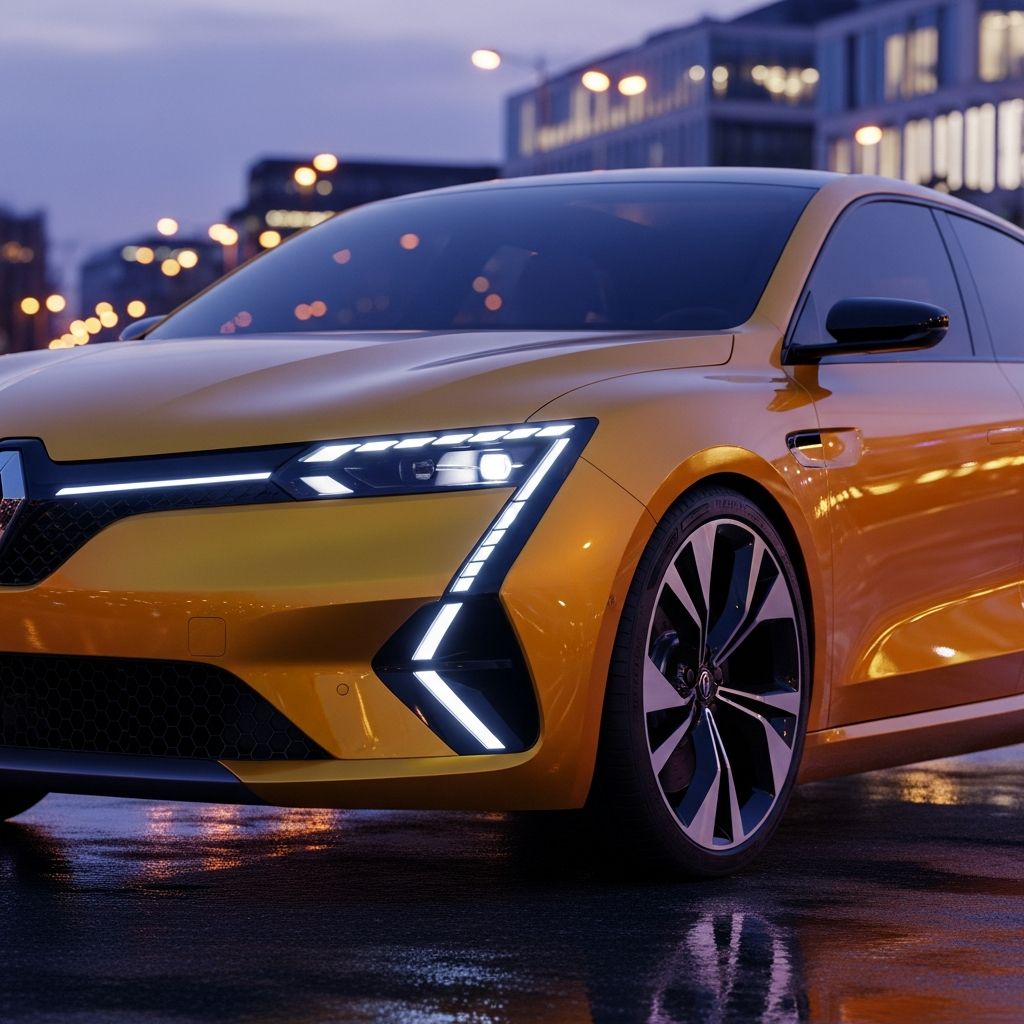
The Renault 5 E-Tech emerges as a pivotal force in the electric vehicle landscape, resurrecting a beloved 1970s icon with contemporary electric innovation. This compact supermini combines nostalgic aesthetics with advanced battery technology, positioning itself as an accessible entry point for widespread EV adoption. Production began in 2024, fulfilling Renault’s vision under its Renaulution strategy to electrify its lineup by 2025.
Reviving a Legendary Heritage
The original Renault 5, launched over 50 years ago, captivated drivers with its cheeky design and agile handling, becoming a symbol of French automotive flair. Now, the E-Tech version honors that legacy while embracing zero-emission mobility. Inspired by a 2021 concept, it previews Renault’s ambition to capture 30% electric sales by mid-decade.
Design cues like squared-off lines, compact proportions, and playful details echo the past, yet modern touches such as pixelated LED lights and aerodynamic sculpting ensure it fits seamlessly into today’s roads. This retro-futuristic approach differentiates it from bland contemporaries, appealing to enthusiasts seeking personality in their daily driver.
Technical Foundations: AmpR Small Platform
Built on Renault’s dedicated AmpR Small platform, the 5 E-Tech optimizes space and efficiency for city use. This architecture, shared with upcoming models like the electric Megane, features a slim battery pack that keeps the car’s stance low and nimble, avoiding the elevated ride height of many EVs.
Two battery variants cater to different needs:
- Urban Range: 40 kWh pack delivering approximately 192 miles WLTP (around 160 EPA miles), with 80 kW DC fast charging.
- Comfort Range: 52 kWh pack offering up to 252 miles WLTP (about 210 EPA), supported by 100 kW DC charging and 11 kW AC onboard.
Real-world tests show practical ranges, with dashboard estimates around 144 miles for the smaller battery under mixed conditions. Vehicle-to-Grid (V2G) capability allows it to power homes or devices, enhancing utility.
Powertrain and Driving Dynamics
Power outputs range from efficient urban setups to spirited performance. The Comfort Range packs 147 horsepower, enabling brisk acceleration suitable for highways and twisty roads. Front-wheel drive keeps costs down while delivering playful handling.
| Variant | Battery | Power | Range (WLTP) | DC Charging |
|---|---|---|---|---|
| Urban | 40 kWh | ~120 hp | 192 miles | 80 kW |
| Comfort | 52 kWh | 147 hp | 252 miles | 100 kW |
Lightweight construction enhances agility, making it more engaging than heavier rivals. Reviews praise its urban charm and fun factor, likening it to a premium Mini but at a fraction of the price—starting around $24,700 in the UK.
Interior Innovation and Comfort
Inside, the cabin blends practicality with tech-forward features. A standout is the OpenR Link system integrated into the steering wheel, allowing control of navigation, media, and climate without diverting eyes from the road. Sustainable materials, recycled fabrics, and customizable ambient lighting create a premium feel.
Space is generous for a B-segment car: ample rear legroom, a 326-liter boot expandable via 60/40 seats, and clever storage solutions suit families and commuters alike. The hurry-developed concept hinted at minimalist designs, now refined for production with digital gauges and wireless connectivity.
Performance Variants: Turbo 3E and Alpine
Beyond the standard model, Renault teases high-performance derivatives. The Renault 5 Turbo 3E, a collaboration with Alpine, reimagines the 1980s Turbo legend as an electric “mini-supercar.” Dual 540 hp in-wheel motors propel it to 0-100 km/h in under 3.5 seconds, with an 800V architecture enabling 350 kW charging from 15-80% in 15 minutes.
A carbon superstructure and custom platform ensure supercar agility in a 4-meter package. An Alpine hot-hatch version promises further thrills, building on the base model’s dynamics. These variants expand the 5’s appeal from daily drivers to track-day toys.
Charging and Everyday Practicality
Renault prioritizes usability with rapid charging and home integration. The 11 kW onboard AC charger supports overnight top-ups, while DC speeds make long trips feasible. Bidirectional charging via V2G positions it as a home energy hub.
In urban settings, its compact 3.9-meter length and tight turning circle excel, parking effortlessly where larger EVs struggle. Pricing undercuts premium rivals, targeting mass-market transition with incentives in Europe.
Market Positioning and Rivals
The 5 E-Tech slots into the competitive B-segment EV arena against the Mini Cooper Electric, Fiat 500e, and Citroën ë-C3. Its retro charm and value proposition—longer range, faster charging—give it an edge. Renault’s Zoe heritage informs its refinement, potentially replacing it as the brand’s small EV staple.
- Strengths: Affordable pricing, fun design, solid range.
- Weaknesses: Front-drive limits ultimate grip vs. AWD rivals.
Strategic launches align with EU electrification mandates, boosting Renault’s 30% EV sales goal.
Environmental Impact and Sustainability
Zero tailpipe emissions reduce urban pollution, with recyclable batteries and eco-materials minimizing lifecycle impact. Renault’s focus on lightweighting cuts energy use, enhancing efficiency. As part of Nouvelle Vague, it advances hydrogen and electrified options by 2025.
Future Prospects and Production
Electrification at Renault’s Douai plant underscores commitment, with exports planned. Updates may include software enhancements and expanded variants. The 5 E-Tech’s reception—praised by reviewers like Richard Hammond—signals strong demand.
Frequently Asked Questions
What is the range of the Renault 5 E-Tech?
Up to 252 miles WLTP on the Comfort Range variant.
When does production start?
Production began in 2024, with sales ramping up.
Is there a performance version?
Yes, the Turbo 3E offers 540 hp and supercar acceleration.
How fast does it charge?
Up to 100 kW DC, adding significant range in 30 minutes.
What platform does it use?
AmpR Small, optimized for small EVs.
Why the Renault 5 Matters for EVs
This model democratizes EVs, proving fun, style, and practicality needn’t cost a fortune. By blending heritage with innovation, it could spark broader adoption, much like its predecessor did for hot hatches.
References
- Renault 5 Turbo 3E, the legend returns — Renault Media. 2024. https://media.renault.com/renault-5-turbo-3e-the-legend-returns-in-the-form-of-the-very-first-electric-mini-supercar/
- The Renault 5 is back! Meet the electric R5 concept — Top Gear. 2021-01-14. https://www.topgear.com/car-news/concept/renault-5-back-meet-electric-r5-concept
- Renault 5 Prototype previews retro-futuristic EV — Goodwood Road & Racing. N/A. https://www.goodwood.com/grr/road/news/renault-5-prototype-previews-retro-futuristic-ev/
- Renault 5 E-Tech — Wikipedia (citing official sources). 2024. https://en.wikipedia.org/wiki/Renault_5_E-Tech
- The New Renault 5 E-Tech Charms as an Urban EV — Car and Driver. 2024. https://www.caranddriver.com/reviews/a64423035/renualt-5-ev-drive/
Similar Articles


Read full bio of Sneha Tete