Reducing Your Auto Insurance Premiums Effectively
Strategic approaches to lower your car insurance costs without compromising coverage
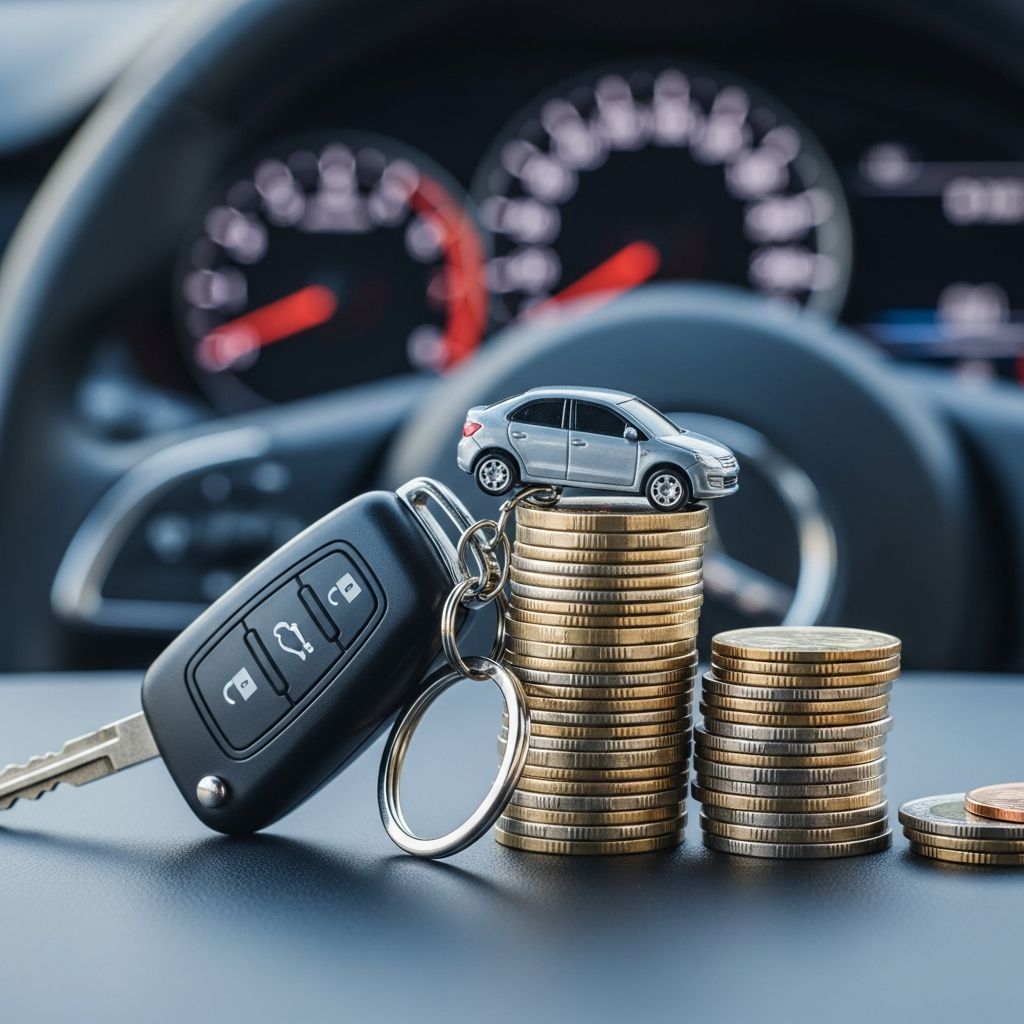
Auto insurance represents one of the most significant ongoing expenses for vehicle owners. For many drivers, the annual premium burden grows heavier each year as insurance companies adjust rates based on various factors. However, vehicle owners are not passive recipients of whatever rate their insurer quotes. By understanding the mechanisms behind insurance pricing and implementing strategic approaches, drivers can substantially reduce their insurance costs while maintaining adequate protection on the road.
Understanding the Insurance Premium Landscape
Before addressing specific cost-reduction strategies, it’s important to recognize why insurance premiums vary so widely between individuals and providers. Insurance companies calculate rates using multiple variables, including driving history, age, vehicle type, location, and credit score. These factors create a complex pricing matrix that means identical coverage from different insurers can cost dramatically different amounts for the same driver. This variation presents the first and most valuable opportunity for savings: shopping around for better rates.
The Power of Rate Comparison Across Multiple Providers
One of the most effective yet underutilized strategies for reducing insurance costs involves comparing quotations from multiple insurance companies. Rates change continuously based on market conditions, company performance, and individual risk assessments. Insurance companies weigh identical information differently, meaning that what one insurer considers a significant risk factor, another may view as relatively minor. This fundamental difference in rating philosophy creates substantial savings opportunities for informed consumers.
Experts recommend obtaining quotes from at least three to five different insurance providers annually, even if you’ve been satisfied with your current coverage. Many drivers remain with the same insurer for years without realizing they’re paying significantly more than competitors would charge for identical protection. The process of comparing rates has become increasingly convenient through online quote tools, which provide estimates within minutes. Taking just one hour annually to review competitor rates could result in hundreds of dollars in annual savings.
Timing Your Rate Review
Insurance policies typically renew annually, making policy renewal time the optimal moment to review rates from competing providers. However, life changes such as relocating to a new address, changing jobs, adding another driver to your policy, or completing a defensive driving course can trigger significant rate adjustments, both upward and downward. Understanding these triggering events allows you to proactively seek better rates when circumstances change rather than passively accepting automatic renewals at higher costs.
Strategic Policy Bundling for Comprehensive Savings
Insurance companies offer substantial discounts when customers consolidate multiple policies with a single provider. Bundling auto insurance with homeowners insurance, renters insurance, life insurance, or umbrella policies can reduce your overall insurance expenses across all coverage types. The savings from bundling typically range from 10% to 25% depending on the insurer and specific policies involved.
This strategy accomplishes two objectives simultaneously. First, it lowers your total insurance expenditure through explicit multi-policy discounts. Second, it simplifies your insurance administration by consolidating bills, renewal dates, and customer service contacts with a single provider. This consolidation reduces the administrative burden while delivering immediate financial benefits. When evaluating whether to bundle with a current provider or switch to a new company offering superior bundle rates, calculate the total cost of all policies rather than focusing solely on individual policy prices.
Maximizing Available Discount Opportunities
Insurance companies offer numerous discounts that many policyholders never claim, essentially leaving money on the table. These discounts address specific behaviors, circumstances, or choices that reduce insurance company risk exposure. Understanding and accessing these available discounts represents a form of free savings that requires only awareness and application.
Performance-Based and Behavioral Discounts
Safe driving discounts reward drivers who maintain clean driving records without accidents or moving violations. Some insurance companies offer loyalty discounts that increase over years of continuous coverage with the same provider. Good student discounts apply to younger drivers maintaining specified grade point averages, recognizing that academic responsibility correlates with responsible driving behavior. Defensive driving course completion qualifies drivers for explicit discounts, sometimes ranging from 5% to 10% of annual premiums, with the added benefit of potentially reducing points on your driving record.
Vehicle and Usage-Related Discounts
Discounts extend beyond driver behavior to vehicle characteristics and usage patterns. Anti-theft device installation reduces theft risk, qualifying owners for premium reductions. Some insurance companies offer discounts for equipping vehicles with advanced safety features that reduce accident severity and injury risk. Low-mileage discounts apply to drivers who travel minimal annual distances, reducing exposure to accidents. Paid-in-full discounts reward drivers who pay their annual premium upfront rather than through monthly installments, while paperless billing discounts incentivize digital policy management rather than paper documentation.
Optimizing Coverage Levels and Deductible Selection
Beyond comparing rates and accessing discounts, strategically adjusting your coverage levels and deductible amounts can significantly reduce insurance costs. However, this optimization requires careful consideration to ensure you maintain adequate protection for your circumstances.
Evaluating Deductible Options
Your deductible represents the out-of-pocket amount you pay when filing a claim, with the insurance company covering expenses beyond that threshold. Higher deductibles result in lower monthly premiums, while lower deductibles increase monthly costs but reduce your out-of-pocket expenses when accidents occur. The optimal deductible depends on your financial situation, driving patterns, and risk tolerance. Drivers with substantial emergency savings and clean driving records often benefit from selecting higher deductibles, such as $1,000 rather than $250, accepting greater personal financial responsibility in exchange for meaningfully lower premiums. Conversely, drivers with limited savings or those who frequently find themselves in accident situations may prefer lower deductibles despite higher monthly costs, knowing they won’t face crushing out-of-pocket expenses following collisions.
Coverage Type Assessment
State-mandated liability coverage protects others harmed in accidents you cause and remains non-negotiable as a legal requirement. However, optional coverage types such as comprehensive and collision insurance warrant evaluation based on your vehicle’s age and value. Comprehensive coverage protects against non-collision damage including theft, weather, and vandalism, while collision coverage handles repair costs from accidents. For older vehicles with lower market values, the premiums for these optional coverages sometimes exceed the likely benefit, making elimination viable. Conversely, newer vehicles with substantial value typically justify maintaining these protections. Medical payments coverage and uninsured motorist protection address your own injuries and medical expenses, with necessity depending on your health insurance coverage and local accident risk factors.
Implementing Mileage-Based and Usage Monitoring Programs
Contemporary insurance companies increasingly offer telematics-based programs that monitor actual driving behavior, rewarding safe drivers with premium reductions. These programs track acceleration patterns, braking intensity, cornering speed, and driving times through smartphone applications or installed devices. Safe drivers who avoid rapid acceleration, hard braking, and nighttime driving receive meaningful discounts, sometimes reaching 30% reductions from baseline rates.
These usage-based programs benefit conscientious drivers while providing insurance companies with detailed risk data. Participation remains optional, allowing concerned drivers to maintain traditional coverage without monitoring. However, drivers confident in their safe driving habits often find participation financially advantageous while contributing to safer driving patterns through real-time feedback mechanisms.
Addressing Coverage Gaps and Unnecessary Options
Regular policy reviews identify coverage gaps where inadequate protection exists alongside unnecessary coverage options generating unnecessary costs. Some policies include rental car coverage, roadside assistance, and other add-ons that overlap with benefits available through credit cards, memberships, or other insurance policies. Eliminating duplicate coverage streamlines expenses without creating vulnerability. Conversely, identified gaps in protection warrant remediation to ensure comprehensive security despite cost implications.
Maintaining Driving Records and Proactive Risk Reduction
While not directly reducing premiums through policy modification, maintaining exemplary driving records creates the foundation for accessing lower rates. Each traffic violation, accident, and claim increases your insurance risk profile, making future quotes more expensive. Conversely, years without incidents establish the clean records that qualify for premium reductions and enable switching to more competitive rates. Defensive driving practices that prevent accidents represent the most fundamental approach to insurance cost management by reducing the incidents that trigger rate increases.
Frequently Asked Questions About Insurance Cost Reduction
How often should I review my insurance rates?
Insurance experts recommend comparing quotes at minimum annually during policy renewal periods. However, life changes such as relocation, marriage, additional drivers, or vehicle changes warrant immediate rate review. Many drivers find that checking rates once yearly identifies savings opportunities they would otherwise miss.
Can bundling insurance policies provide substantial savings?
Yes, bundling typically reduces total insurance costs by 10-25% depending on the provider and specific policies combined. A customer bundling auto and home insurance might pay less total for both policies than separate providers would charge for individual policies.
What discount opportunities do I most likely overlook?
Many drivers fail to inquire about defensive driving discounts, safe driver discounts for clean records, or available discounts for installed safety features. Speaking directly with insurance agents about your specific circumstances often reveals discounts you wouldn’t discover through online quote tools alone.
Should I raise my deductible to reduce premiums?
Raising your deductible reduces premiums but increases your out-of-pocket liability following accidents. This strategy works best for financially secure drivers with clean driving records who can afford higher out-of-pocket costs if accidents occur. Drivers with limited emergency savings should maintain lower deductibles despite higher premiums.
References
- How to Save Money on Car Insurance, Gas, and Maintenance — Climb Credit Union. 2025-08-26. https://www.climbcu.org/explore/learn/empowered-living-blog/empowered-living-blog/2025/08/26/how-to-save-money-on-car-insurance–gas–and-maintenance
- 10 Ways To Save On Auto Expenses — AAA. https://www.acg.aaa.com/connect/blogs/4c/auto/10-ways-to-save-on-auto-expenses
- 5 Ways to Cut Down on Vehicle Costs — Gulf Winds Blog. https://www.gogulfwinds.com/blog/article/Five-Ways-to-Cut-Down-on-Vehicle-Costs/
- 3 Ways to Reduce the Cost of Owning a Car — The Week. https://theweek.com/personal-finance/reduce-cost-of-owning-a-car
- Save Money on Car Expenses — DriveToday Defensive Driving. https://drivesafetoday.com/blog/how-to-save-money-on-car-expenses
- Budgeting for Auto Expenses: Saving Money on Your Car — Money Management International. https://www.moneymanagement.org/blog/how-to-budget-for-auto-expenses
Similar Articles






Read full bio of medha deb