Peugeot Partner Combi: 3 Engine Options, Space & Economy
Discover the practical, affordable Peugeot Partner Combi: a versatile family MPV with van roots, excellent economy, and surprising drive quality.
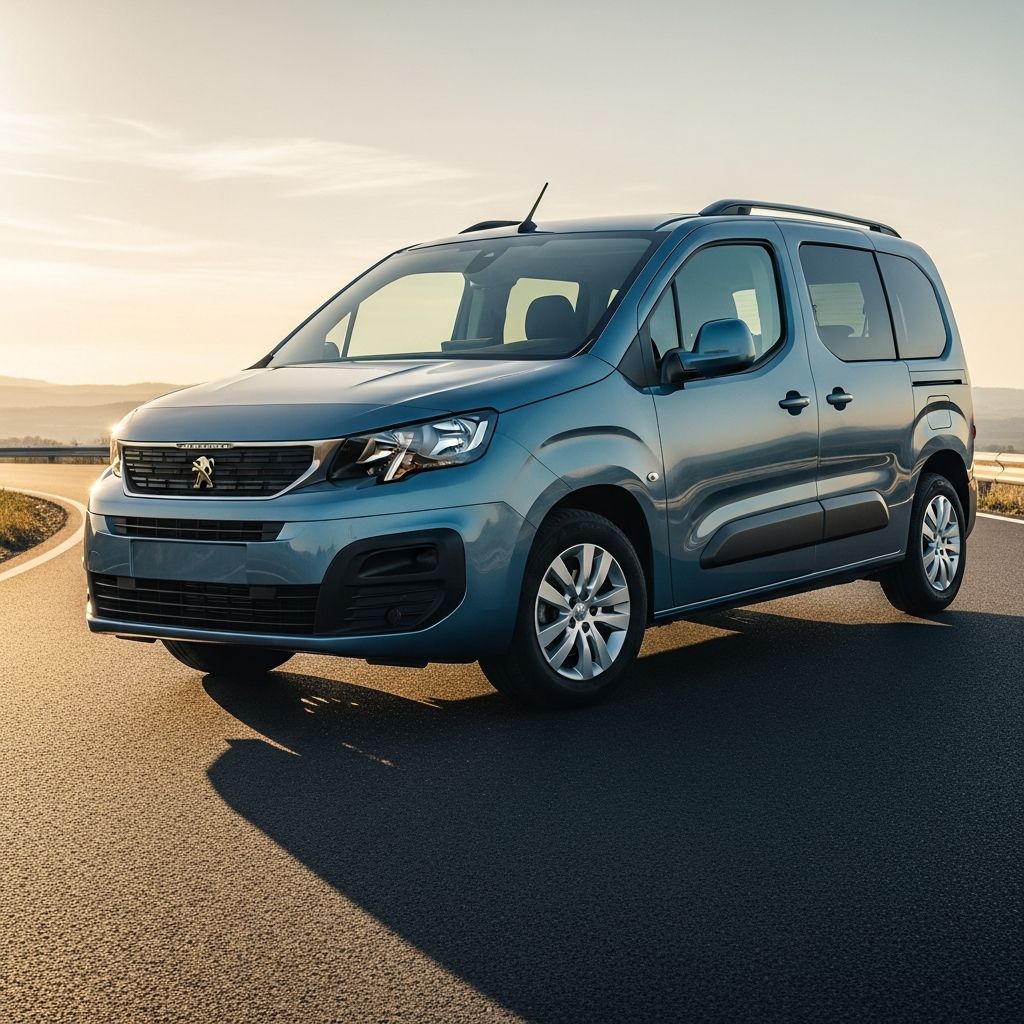
The Peugeot Partner Combi stands out as a no-nonsense choice for families prioritizing space, affordability, and reliability over flashy design. Derived from the robust Partner van platform, this compact MPV delivers van-like versatility in a passenger-friendly package, making it ideal for everyday errands, school runs, and weekend adventures. With its shared DNA to the Citroën Berlingo, it benefits from proven engineering that emphasizes durability and low ownership costs.
Design and Build: Simple Yet Functional
Externally, the Partner Combi adopts a boxy, utilitarian shape that maximizes interior volume without unnecessary frills. High-roof options provide ample headroom, while sliding side doors on passenger models enhance accessibility, especially for loading bulky items or helping children in and out. The design prioritizes practicality, with corrosion-resistant body panels and a tough undercarriage suited for light off-road duties or urban potholes.
Inside, the cabin reflects its commercial origins but adds family touches like foldable rear seats and optional glazed rear doors. Materials are hard-wearing plastics and fabrics that withstand daily abuse, though they lack premium feel. Dashboard layout is straightforward, with intuitive controls for climate, audio, and vehicle functions. Storage abounds: under-floor bins, deep door pockets, and a glovebox nook keep clutter organized.
Engine Options and Performance: Efficient Power Delivery
The standout powertrain is the 1.6-litre HDi diesel, praised for its balance of performance and parsimony. Delivering around 90bhp and substantial low-end torque, it propels the Combi briskly for merging and overtaking, with a lively character that encourages spirited driving. Real-world economy often exceeds 50mpg, making it a budget-friendly option for high-mileage users.
Earlier models offered petrol variants like the 1.4-litre unit, which runs smoothly in low-mileage scenarios or adapted vehicles such as wheelchair-accessible versions (WAVs). These provide quiet operation and easy maintenance but lag in torque compared to diesels. Transmission choices include a five-speed manual, noted for its positive shift action, though some find the clutch slightly heavy in traffic.
| Engine | Power | Torque | Economy (mpg) |
|---|---|---|---|
| 1.6 HDi Diesel | 90 bhp | High (low-rev) | 50+ |
| 1.4 Petrol | 75 bhp | Moderate | 40-45 |
| 1.9 D (Older) | 90 bhp | Strong | 45-50 |
This table summarizes key specs, showing the diesel’s edge in efficiency and usability.
Driving Experience: Surprisingly Engaging
Don’t let the van heritage fool you—the Partner Combi handles with poise beyond its class. Its suspension tunes for comfort over bumps while maintaining composed cornering, thanks to a well-balanced chassis shared with Peugeot’s passenger cars. Ride quality cossets occupants on long journeys, and steering is direct for precise maneuvering in tight spaces.
Loaded or empty, it remains stable, with heavier payloads actually improving planted feel and reducing body roll. Noise insulation is adequate for the era, keeping diesel clatter at bay during cruises. Braking is confident, aided by ABS in later trims, ensuring safe stops even when fully laden.
Interior Space and Versatility: Room for Everything
Where the Combi excels is versatility. Rear seats fold flat or remove entirely, transforming it into a cavernous load carrier rivaling dedicated vans. Boot space swallows pushchairs, sports gear, or DIY hauls effortlessly, with low load lips for easy access.
- Seating: Five-passenger capacity with Isofix anchors for child seats.
- Cargo Volume: Up to 3,000 litres with seats folded; everyday boot holds 500+ litres.
- Adaptations: Popular for WAV conversions, featuring ramps, tie-downs, and swivel seats for mobility needs.
- Storage: Multiple cubbies, including floor wells and overhead nets.
Families appreciate the high seating position for better visibility and ease of entry. Air conditioning, electric windows, and a basic stereo feature in mid-spec models, keeping comfort levels respectable.
Safety Features: Solid for Its Time
Safety credentials are respectable, with dual front airbags standard and optional side bags in higher trims. Euro NCAP ratings for similar models confirm good crash protection, bolstered by rigid structure and effective seatbelt pretensioners. Modern equivalents add advanced aids like lane assist and cameras, influencing used buyer expectations.
Child safety shines via rear-facing anchors and spacious restraints. Visibility aids like parking sensors mitigate the boxy blind spots.
Ownership Costs: Low Barriers to Entry
Affordability defines the Combi. New prices undercut rivals, and used examples from 2001-2008 start under £2,000, maximizing value. Diesel economy slashes fuel bills, while parts commonality with Berlingo keeps servicing cheap—often under £200 annually.
Reliability is strong: the HDi engine routinely exceeds 150,000 miles with basic care. Common issues like timing belt wear or rust on pre-2005 models are inexpensive fixes. Insurance groups are low (10-12), appealing to young drivers or fleets.
Trims and Specifications: Tailored Choices
Available in base, Comfort, and top S trims, features scale accordingly:
- Base: Air-con, basic radio, steel wheels.
- Comfort: Alloys, fog lamps, roof rails.
- S/Quiksilver: Leather trim, sat-nav (later), enhanced audio.
Special editions like Horizon WAV add mobility ramps without compromising seating.
Pros and Cons: Balanced Verdict
| Pros | Cons |
|---|---|
| Exceptional space and flexibility | Basic interior materials |
| Frugal diesel engine | Less stylish than rivals |
| Fun to drive | Fewer engine choices now |
| Low running costs | Citroën Berlingo cheaper |
This comparison highlights its strengths in utility over luxury.
Market Position: Against the Competition
In the entry-level MPV segment, it battles Citroën Berlingo (near-identical but cheaper), Renault Kangoo, and Ford Transit Connect. The Peugeot edges on handling refinement, while rivals may offer better warranties or tech in newer guises. For used buyers, it’s a top pick for value.
Common Questions
FAQs
Is the Peugeot Partner Combi reliable?
Yes, especially the 1.6 HDi diesel, with many exceeding 150,000 miles. Regular servicing prevents minor issues like belt failures.
How fuel-efficient is it?
The 1.6 HDi averages over 50mpg combined, ideal for families.
Can it be used as a wheelchair vehicle?
Absolutely; many Horizon WAV models feature ramps and securements for easy access.
What’s the boot space like?
Up to 3,000 litres with seats folded, plus clever storage solutions.
Should I buy used?
Yes, 2001-2008 models offer unbeatable value under £3,000.
Final Thoughts: A Smart, Spacious Choice
The Peugeot Partner Combi proves that practical doesn’t mean boring. Its blend of space, economy, and enjoyable dynamics makes it a enduring favorite for budget-conscious families. Opt for a well-maintained diesel example, and you’ll have a dependable workhorse for years. While the Berlingo tempts with lower prices, the Peugeot’s subtle refinements justify the premium for many.
References
- Peugeot Partner Combi review (2001-2008) — Auto Express. 2006-12-29. https://www.autoexpress.co.uk/peugeot/partner/15355/peugeot-partner-combi
- Road Test: Peugeot Partner Combi 1.9D 5dr — Top Gear. 2026. https://www.topgear.com/car-reviews/peugeot/19d-5dr/road-test
- Peugeot Partner Panel Van (2024 – ) review — Autotrader. 2024. https://www.autotrader.co.uk/vans/content/peugeot-partner-review-panel-van-2024
- Peugeot Partner Combi MPV Horizon WAV used car review — YouTube. Recent. https://www.youtube.com/watch?v=QToq96lFLw4
- Peugeot Partner Combi (2001 – 2007) review — Exchange and Mart. Recent. https://www.exchangeandmart.co.uk/reviews/peugeot/partner-combi/2001/207621
Similar Articles





Read full bio of Sneha Tete