Peugeot 607 Used Buyer’s Guide: Top Checks & Tips
Discover why the Peugeot 607 remains a stylish, comfortable executive sedan choice for savvy used car buyers seeking luxury on a budget.
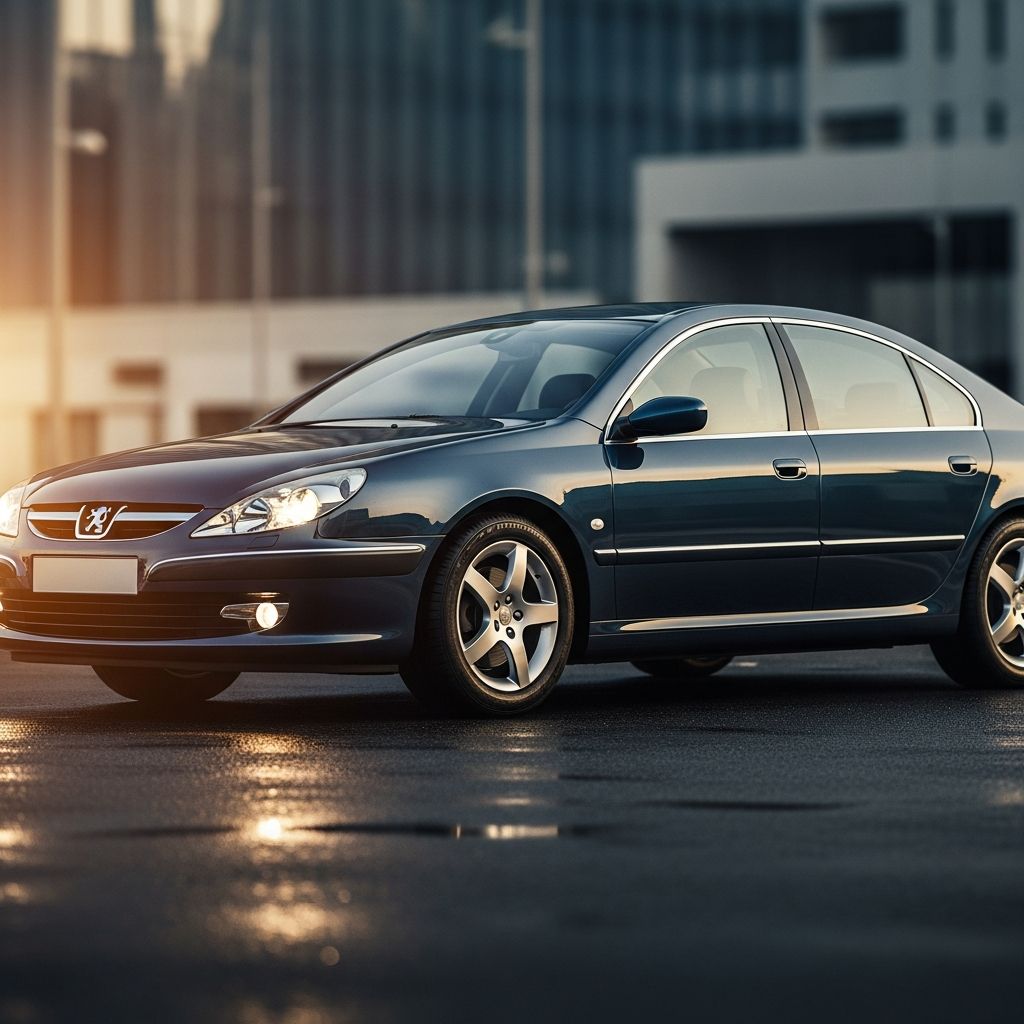
The Peugeot 607 stands out as an underappreciated gem in the world of executive sedans, offering a unique combination of French flair, generous space, and premium features at prices that undercut its German rivals. Produced from 1999 to 2010, this large saloon aimed to challenge established players like BMW and Mercedes with its distinctive styling and cosseting ride. While it never dominated sales charts due to brand perception, today’s used market reveals a car packed with luxury for budget-conscious buyers.
Origins and Development of the 607
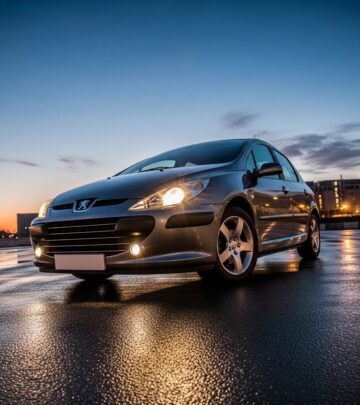
Peugeot launched the 607 in 1999 as a successor to the 605, stretching the platform to create a more imposing presence. Measuring nearly 4.9 meters long, it targeted company directors and long-distance travelers seeking refinement over sportiness. The design featured smooth, flowing lines with a bold front grille and hidden rear door handles, giving it an elegant, almost limousine-like profile. Despite its ambitions, the 607 struggled against the prestige of Audi and BMW badges, but its engineering prowess shone through in comfort-focused dynamics.
Early models addressed handling concerns with electronic aids like stability control, earning a four-star Euro NCAP safety rating. This made it a secure choice for families or executives, blending safety with opulence. Production ceased in 2010 after over 160,000 units, but low-mileage examples remain available, often ex-fleet or dealer cars with electric bootlids from 2003 onwards.
Engine Options and Driving Experience
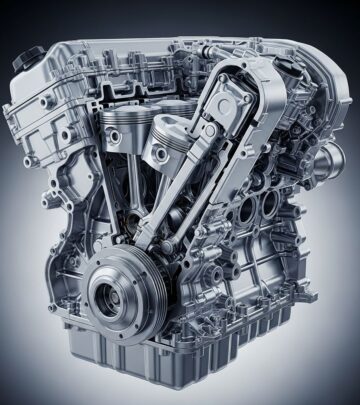
Buyers had choices across petrol and diesel powertrains, but the standout was the 3.0-liter V6 petrol engine. Delivering 210bhp and 285Nm of torque, it propelled the 1580kg saloon from 0-62mph in 9.9 seconds, with a top speed of 144mph. Paired with a four-speed automatic transmission featuring normal, sport, and sequential modes, it offered smooth shifts ideal for motorway cruising at relaxed revs around 2300rpm.
The V6 proved refined and vibration-free, gathering pace eagerly higher in the rev range. However, the gearbox could feel lazy in auto mode or abrupt on downshifts, requiring manual intervention for spirited drives. Diesel variants, like the 2.2-liter HDi, provided better economy at around 40mpg, suiting high-mileage users without sacrificing much refinement.
| Engine | Power | 0-62mph | Economy (mpg) | CO2 (g/km) |
|---|---|---|---|---|
| 3.0 V6 Petrol | 210bhp | 9.9s | 27.7 | 245 |
| 2.2 HDi Diesel | 136bhp | 10.8s | 40+ | ~170 |
| 2.0 Petrol | 136bhp | 11.5s | 30 | 220 |
Handling leaned towards comfort, with a soft suspension absorbing bumps effectively on motorways. Front-wheel drive delivered secure progress, though steering felt remote compared to German peers. The ride excelled in base models, but V6 versions with larger wheels and electronic damping introduced slight firmness.
Luxurious Interior and Practicality
Step inside the 607, and you’re greeted by a cavernous cabin rivaling pricier rivals. Light leather upholstery contrasted with dark wood or aluminum trims created an upscale ambiance, complete with chrome accents and a central console housing climate controls and audio. Rear passengers enjoyed limo-like legroom, reclining heated seats, and surprising headroom, making it ideal for chauffeured duties.
- Spacious boot: Over 500 liters, with electric opening on later models.
- Premium audio: Six-CD stacker with 10 speakers.
- Tech features: Dual-zone climate, cruise control, optional sat-nav/TV, air-conditioned glovebox.
- Comfort aids: Multi-adjustable seats, some with massage/ventilation in high-spec versions.
The steering wheel, though blandly styled, facilitated easy maneuvering. Build quality impressed, outshining some contemporaries, though minor rattles could emerge on high-mileage cars. Ambient lighting and a premium sound system elevated long journeys.
Common Problems and Reliability Insights
While generally reliable, the 607 has quirks. Electrical gremlins affect windows, sat-nav, and the JBL amp in V6 autos. Air suspension on top models fails expensively, so opt for coil-sprung variants. Check for rust on underbody and bootlid, especially pre-2003 cars. The cambelt on 3.0 V6 needs replacement every 60,000 miles, and diesel injectors can clog.
Transmission issues plague automatics if fluid isn’t changed regularly. Fogging headlamps and worn suspension bushes are cheap fixes. High-mileage diesels shine for durability, often exceeding 200,000 miles with maintenance. Always inspect service history and test for smooth gear changes.
| Issue | Affected Models | Fix Cost (est.) | Prevention |
|---|---|---|---|
| Electrical faults | All | £200-800 | Regular battery checks |
| Air suspension failure | V6 high-spec | £1000+ | Avoid or convert to coils |
| Cambelt | 3.0 V6 | £600 | Change every 60k miles |
| Rust | Early models | £300-1000 | Underseal annually |
Buying Tips for the Smart Shopper
Prices start under £2,000 for runners, rising to £5,000 for pristine low-milers. Favor 2003+ ’53-reg’ cars with electric bootlids and updated electronics. Diesels offer best value for fleets, while V6 suits enthusiasts craving power. Haggle on ex-dealer stock. Test drive extensively: listen for gearbox clunks, check ride quality, and verify all electrics. A pre-purchase inspection is essential.
Running costs remain low: cheap parts, 30-40mpg diesels, and group 24 insurance. Fuel economy lags V6 thirst at 27mpg, but it’s a cruiser not a sprinter.
Market Position and Ownership Appeal
The 607’s quirky looks and Peugeot badge deterred buyers initially, but it undercut 5-Series pricing while matching space and kit. Today, it appeals to those valuing comfort over badge snobbery—perfect for A-road destroyers or library runs with luxury. Painted in strong colors, it turns heads with its old-school French charm.
Owners praise the ‘luxo-barge’ feel: heated all-round seats, auto wipers/headlights, and emergency hazard activation on hard braking. It’s a comfy shed with executive pretensions, far from the 406 it resembles superficially.
Future Prospects and Modern Relevance
Though discontinued, the 607’s legacy endures. Rumors of a 2026 revival suggest Peugeot eyes a comeback with hybrid tech and sleek redesigns, blending nostalgia with modernity. For now, used models deliver timeless appeal.
Frequently Asked Questions (FAQs)
What is the most reliable Peugeot 607 engine?
The 2.2 HDi diesel stands out for longevity, easily surpassing 200,000 miles with proper care.
Is the Peugeot 607 safe?
Yes, with a four-star Euro NCAP rating and electronic aids like stability control.
How much does a used Peugeot 607 cost?
From £1,500 for high-mileage to £6,000 for low-mileage V6 examples.
What’s the boot space like?
Over 500 liters, expandable and electric-opening on post-2003 models.
Any major faults to watch for?
Electrics, air suspension, and cambelts—always check history.
References
- Peugeot 607 3.0 V6 SE Auto Review — Car Keys (Ross Finlay). 2004. https://www.carkeys.co.uk/car-reviews/peugeot-607-30-v6-se-auto
- Peugeot 607 Sedan Review — GoAuto (Bruce Newton). 2002-09-12. https://www.goauto.com.au/car-reviews/peugeot/607/sedan/2002-09-12/28300.html
- Peugeot 607 (2000-2009) Used Review — RAC Drive. 2026 (updated). https://www.rac.co.uk/drive/car-reviews/peugeot/607/607-2000-2009/
- 2026 Peugeot 607 Review Video — YouTube. 2026. https://www.youtube.com/watch?v=EYj_X1yKrRo
- Used Peugeot 607 Buyer’s Guide — Auto Express. 2026 (updated). https://www.autoexpress.co.uk/peugeot/607/36829/peugeot-607
Similar Articles




Read full bio of medha deb